 Uncorked Conversations
Introduction to Wine Scores and Tasting Notes
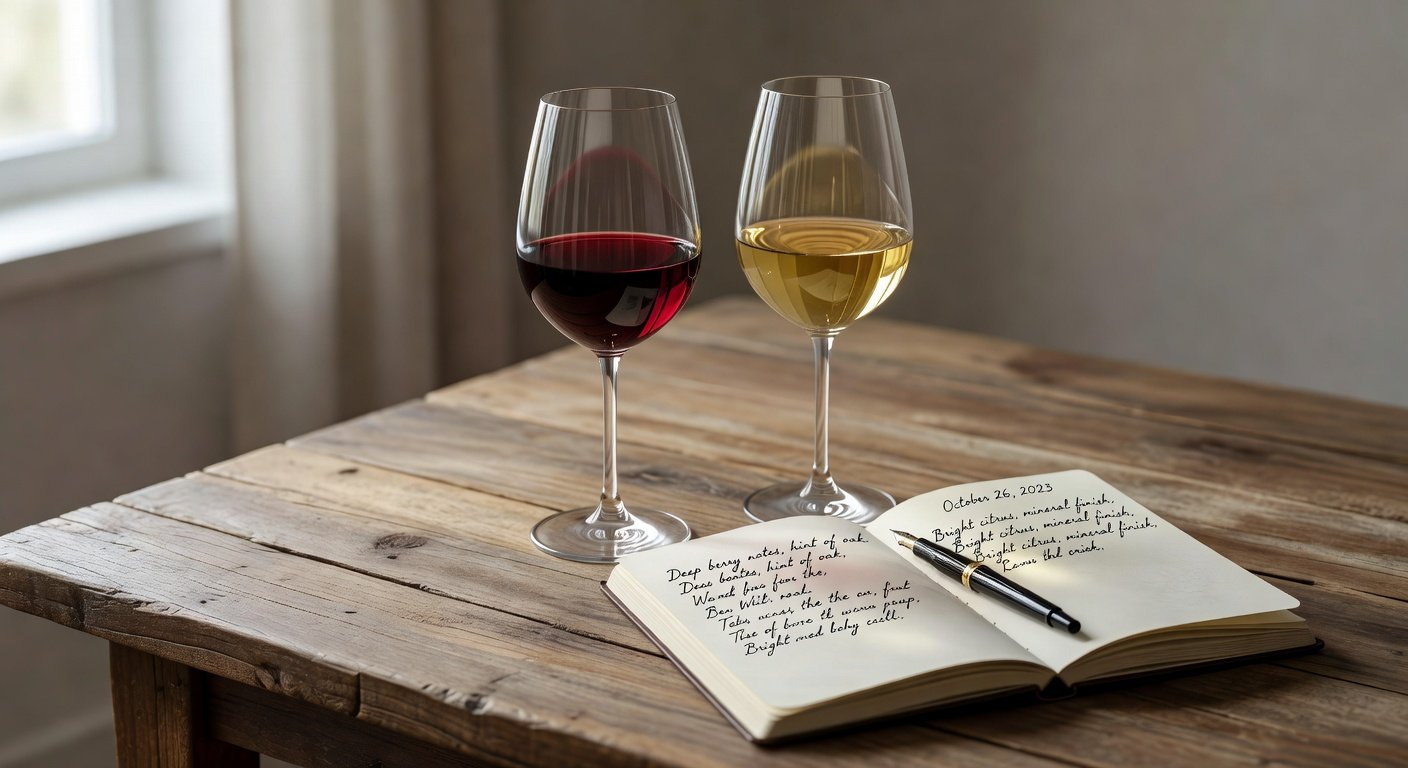
Wine scores and tasting notes serve as essential guides for anyone new to the world of wine tasting. In 2026, with thousands of new releases hitting the market each month, understanding these ratings helps beginners make informed choices without feeling overwhelmed. A score from a respected critic or platform can highlight quality, while the accompanying tasting note breaks down the sensory experience into clear descriptors. This comprehensive guide explores the meaning behind numbers like 90+ points, explains the structure of professional tasting notes, and provides actionable tools you can use immediately. Whether you are shopping for a special occasion or building a home cellar, grasping these concepts transforms confusion into confidence.
The Anatomy of a Professional Tasting Note
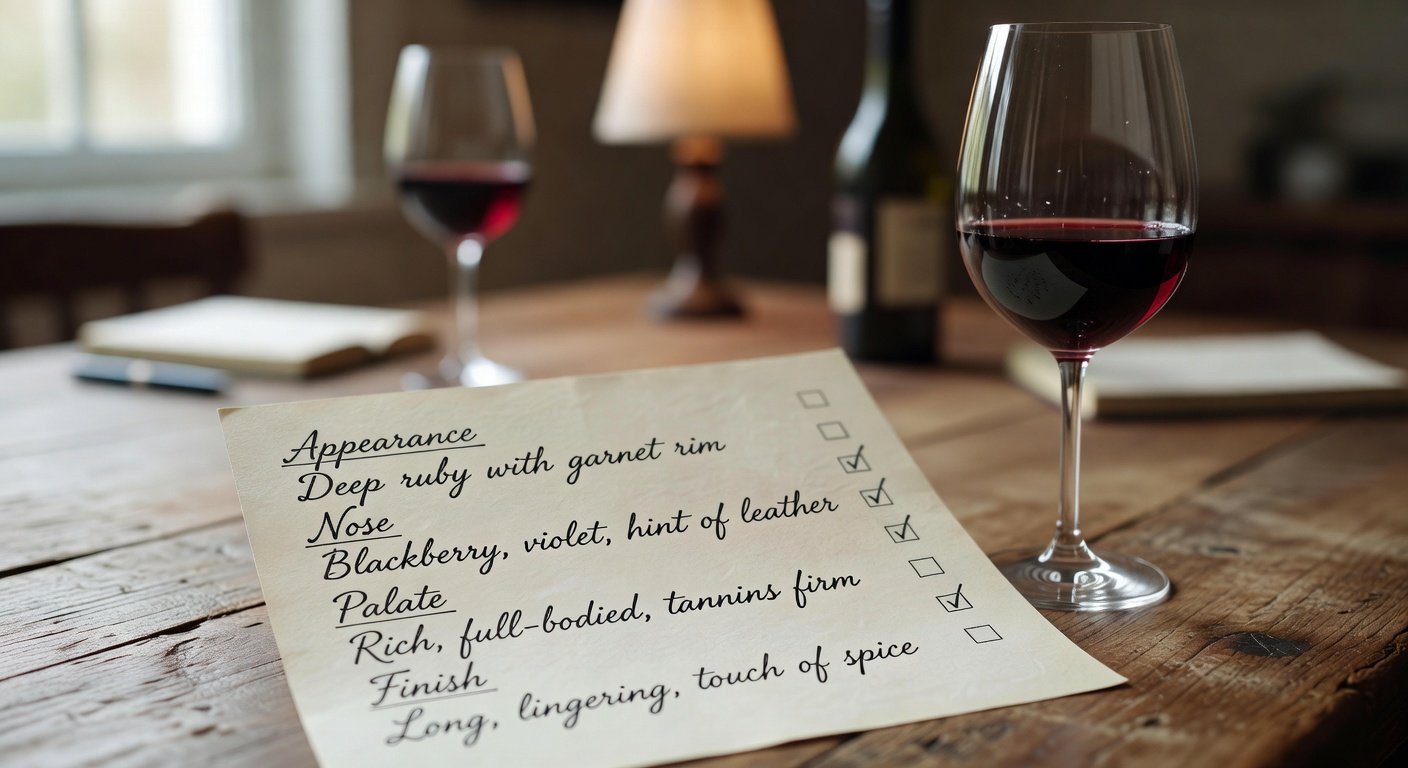
Professional tasting notes follow a consistent structure that experienced critics have refined over decades. The first element is appearance, where tasters note color intensity, hue, and clarity. For example, a deep ruby red might suggest a full-bodied red wine from a warm climate, while pale straw yellow often indicates a crisp white. Next comes the nose, which captures aromas ranging from primary fruit notes like black cherry or citrus zest to secondary elements such as vanilla from oak aging or earthy undertones from soil influence. The palate section evaluates flavor profile, acidity levels, tannin structure, body weight, and overall balance. Finally, the finish describes how long the flavors persist after swallowing, with longer finishes generally earning higher marks for complexity. This step-by-step breakdown allows readers to visualize the wine before tasting it themselves.
How Scores Reflect Balance, Complexity, and Value
Scores are not arbitrary; they quantify how well a wine achieves balance among its components, develops complexity through layered aromas and flavors, and delivers value relative to its price category. Balance occurs when acidity, sweetness, tannins, and alcohol complement rather than overpower one another. Complexity emerges from multiple evolving notes that keep the taster engaged from first sip to last. Value considers whether the wine exceeds expectations for its cost bracket. A wine scoring 90 or above typically demonstrates these traits at a high level, yet even an 85-point wine can represent excellent everyday drinking when it aligns with personal preferences and food pairings.
Comparing Major Scoring Systems in 2026
Several established systems dominate wine criticism today. Wine Spectator employs the classic 100-point scale, awarding points based on typicity, aging potential, and overall excellence. Wine Spectator publishes extensive notes that help consumers understand regional styles and vintage characteristics. Vivino relies on a 5.0 scale driven by millions of user-submitted ratings, offering a crowd-sourced perspective that often highlights popular, approachable wines. Vivino averages these reviews to show real-world consumer sentiment. Decanter uses a 100-point system judged by regional experts and also awards competition medals. Decanter emphasizes vintage reports and expert panels that focus on consistency across regions. Each system has strengths: professional scales provide depth while user platforms reflect accessibility and current trends.
Real-World 2026 Examples Across Regions
Consider a 2024 Napa Valley Cabernet Sauvignon that earned 92 points from Wine Spectator. Its tasting note highlighted ripe blackberry, graphite minerality, firm yet polished tannins, and a long, spicy finish, making it suitable for aging five to eight years. In comparison, a 2025 Sancerre from the Loire Valley scored 88 points for its bright grapefruit and white peach aromas, vibrant acidity, and clean mineral finish ideal for immediate consumption with seafood. Adding a third example, a 2023 Oregon Pinot Noir received 90 points for elegant red cherry, forest floor notes, silky texture, and a graceful finish that paired beautifully with roasted poultry. These examples illustrate how scores help differentiate age-worthy powerhouses from fresh, food-friendly options.
Step-by-Step Home Scoring Template
You can apply professional methods at home with this expanded 25-point template. Begin by evaluating appearance on a scale of 1 to 3, noting color saturation and any sediment. Next, assess the nose for intensity and aromatic quality, awarding up to 6 points based on how inviting and complex the bouquet seems. On the palate, score balance and flavor accuracy out of 8 points while paying attention to mouthfeel and structure. The finish receives up to 4 points depending on length and memorability. Finally, give an overall impression score of up to 4 points reflecting personal enjoyment and value perception. Add the totals and compare your results against published reviews to calibrate your palate over time. Repeat this process with the same wine after decanting or pairing with food to observe how scores shift.
Practical Tips for Personal Tastings
Successful home tastings start with proper preparation. Use ISO-standard glasses that allow aromas to concentrate. Taste in a well-lit, neutral-smelling room and avoid strong perfumes or cooking odors. Swirl the wine gently and revisit the nose after 30 seconds to catch secondary aromas. Keep a dedicated notebook or digital app to record impressions immediately. Try blind tasting with friends to eliminate label bias and focus purely on sensory qualities. Compare two wines side by side to train your ability to detect subtle differences in acidity or tannin. Revisit bottles after 24 hours to see how oxidation affects the profile. These habits build expertise faster than occasional casual sipping.
Common Pitfalls Beginners Should Avoid
Many newcomers mistakenly treat scores as absolute truth rather than one expert opinion. A 95-point wine may not suit your preference for lighter styles, while an 84-point bottle can become a favorite with the right meal. Another frequent error is ignoring vintage variation; a highly scored wine from a poor year may underperform compared to a modest score from an excellent vintage. Over-reliance on a single platform can also skew decisions. Cross-reference at least two sources and always read the full tasting note rather than focusing solely on the number. Finally, avoid storing expectations too rigidly—wine evolves in the bottle, and personal taste develops with experience.
FAQ: What Do Scores Really Mean for Buying Decisions?
Q: Does a 90+ score guarantee I will enjoy the wine? A: No single score predicts personal taste, but it signals objective quality markers like balance and complexity that many people appreciate. Q: How should I use scores when shopping on a budget? A: Look for well-reviewed wines in the 85-89 range that often deliver strong value without premium pricing. Q: Are user-generated scores on platforms like Vivino reliable? A: They provide useful popularity insights but can be influenced by marketing or casual tasters; combine them with professional reviews for best results. Q: Can scores help with food pairing decisions? A: Yes, detailed tasting notes reveal acidity, tannin, and flavor profiles that suggest ideal pairings such as high-acid whites with seafood or structured reds with grilled meats.
Conclusion
Mastering wine scores and tasting notes empowers you to explore new regions and styles with greater assurance. By understanding the anatomy of notes, comparing major systems, practicing with a home template, and avoiding common pitfalls, you will develop a discerning palate. Use the 2026 examples and practical advice in this guide as your foundation, then continue tasting and recording to refine your preferences over time. The next bottle you select will feel like a deliberate, informed choice rather than a random guess.

No comments yet. Be the first!