 Uncorked Conversations
Why Building a Personal Wine Tasting Notes System Matters in 2026
Consistent wine tasting notes help enthusiasts move beyond vague impressions like “fruity” or “good” toward precise, memorable reviews. A structured system improves recall, highlights preferences, and reveals patterns across vintages and regions. Beginners gain confidence while intermediate tasters refine their palate through deliberate practice. In 2026, with an expanding global wine market and more access to small-production bottles, the ability to document experiences accurately becomes even more valuable for making informed purchases and sharing insights with fellow enthusiasts.
Whether you prefer digital tools or traditional journals, the goal remains the same: capture aromas, flavors, textures, and scores in a repeatable format that supports long-term trend analysis. Over time, this practice sharpens sensory memory and reduces reliance on external reviews.
Comparing Digital and Analog Methods
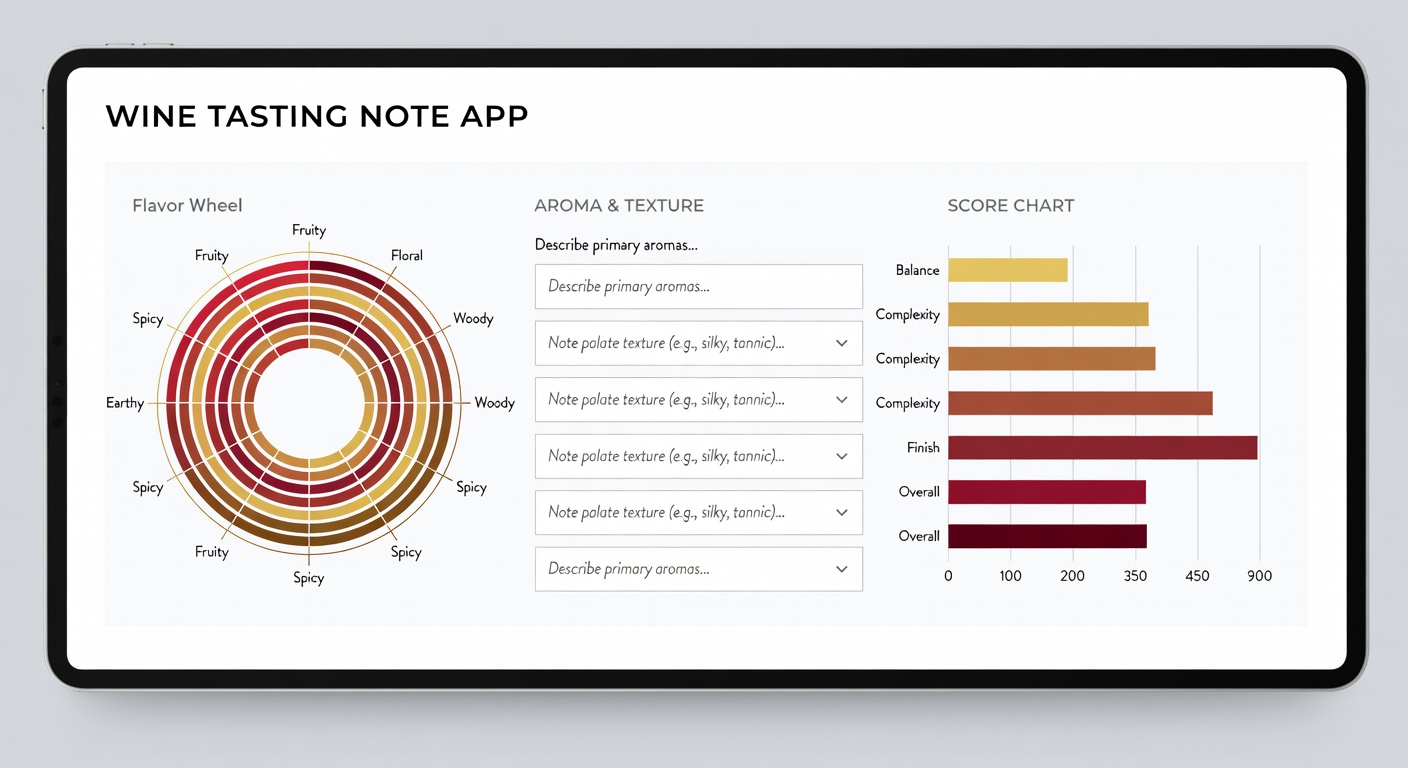
Digital apps offer searchability, cloud backups, and community sharing. Popular platforms integrate flavor wheels and auto-generated reports. Analog journals provide tactile satisfaction and encourage slower, more thoughtful writing without screen distractions. Many tasters find that digital systems excel during social tastings where speed matters, while journals foster deeper personal connection during solo sessions.
- Digital advantages: Instant search across hundreds of entries, photo attachments for label and color reference, exportable data for spreadsheets, and integration with restaurant menus or inventory apps. They also allow easy updates if a wine evolves after opening.
- Analog advantages: No subscriptions or device dependency, complete privacy for sensitive tasting notes, and freedom to sketch custom diagrams or add margin annotations. The physical act of writing can enhance retention of details.
- Hybrid approach: Use an app for quick entries during tastings and transfer highlights to a journal for deeper reflection at home. This combination leverages the strengths of both formats.
Ultimately, the best method aligns with your daily habits and whether you value mobility or mindfulness more.
Selecting the Right Tools
Choose based on your lifestyle and budget. Free options include basic note-taking apps with templates. Paid services add advanced analytics and larger storage. For journals, select acid-free paper and a durable cover that withstands travel. Consider these criteria: ease of use, backup features, ability to add photos, and export options. Test two or three tools for a week before committing to avoid frustration later.
Look for tools that support custom fields so your template can evolve. Some enthusiasts also incorporate voice-to-text features for hands-free entry during busy tastings.
Structuring Your Tasting Entries
Every entry should follow a consistent template to enable comparisons. Core sections include basic details such as producer, vintage, region, grape varieties, purchase context, and tasting date. Appearance covers color intensity, clarity, and rim variation, which can indicate age or grape type. Aromas break down into primary fruit and floral notes, secondary elements from winemaking like oak or yeast, and tertiary aromas that develop with bottle age.
Palate evaluation examines flavors on the attack, mid-palate, and finish, along with acidity level, tannin structure, body weight, alcohol warmth, and sweetness balance. Texture and mouthfeel deserve special attention because they often distinguish memorable wines from ordinary ones. Finally, assign a score using a 100-point scale or a simplified 20-point rubric, always including a short justification tied directly to the observations above.
Optional fields like suggested food pairings, decanting duration, and serving temperature add practical value for future reference.
Step-by-Step Setup Instructions
Follow this process to launch your system within one weekend. First, decide on your primary tool and create a master template with the sections listed above. Second, calibrate your palate by tasting three familiar wines and writing notes without referencing existing reviews. Third, establish a scoring rubric that weights aroma at 30 percent, flavor complexity at 40 percent, texture and balance at 20 percent, and overall harmony at 10 percent. Fourth, set a weekly tasting goal of three to five wines to build momentum without burnout. Fifth, schedule monthly reviews of past entries to identify trends such as consistent preference for high-acidity whites or certain regional styles. Print or duplicate your template so every session starts identically, and consider laminating a pocket version for restaurant use.
Real-World Examples of Effective Notes
Example 1 (Digital entry): “2024 Chablis, Domaine Raveneau – Pale straw with green reflections. Aromas of wet stone, green apple, lemon zest, and subtle hazelnut. Medium-plus acidity, lean body, mineral-driven finish lasting 45 seconds. Score: 92/100. Pairs well with oysters and grilled fish.”
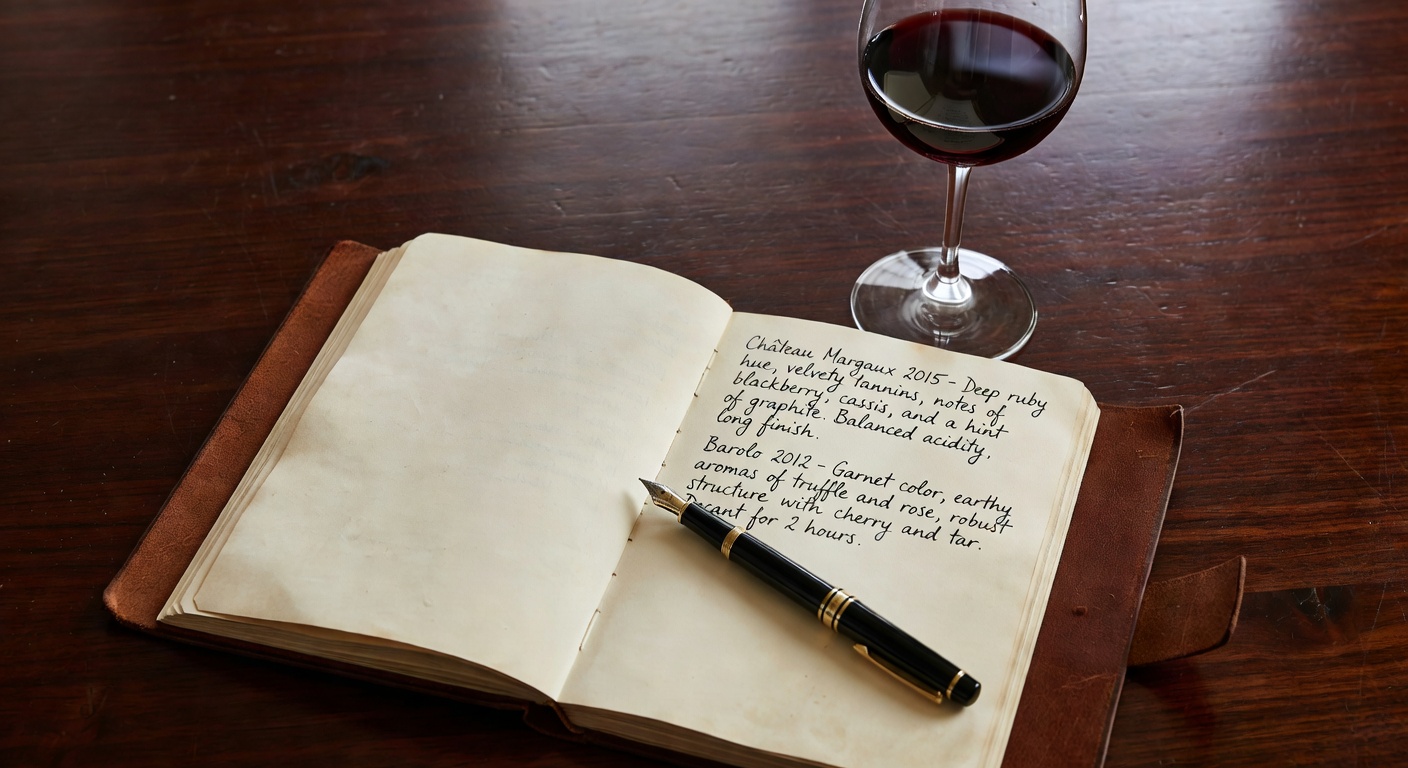
Example 2 (Journal entry): Handwritten page featuring a small sketch of the label, bullet points listing primary and secondary aromas, and a star rating system beside the score with a note on how the wine changed after 20 minutes of air exposure.
Example 3 (Hybrid entry): App photo of the bottle paired with a journal paragraph describing texture evolution and a personal memory triggered by the wine’s herbal notes.
Both formats succeed when descriptors remain specific and repeatable rather than generic.
Tracking Trends Over Time
After 20–30 entries, patterns emerge clearly. Export data to spreadsheets or use app dashboards to visualize favorite regions, price sweet spots, and evolving taste preferences. Track metrics such as average score by grape variety, frequency of high-acidity wines, or correlation between vintage and finish length. Note seasonal shifts, such as increased appreciation for lighter reds during warmer months, and adjust future purchases accordingly. Quarterly reviews help refine your template by adding fields like “cellar worthiness” or removing redundant sections that no longer provide insight.
Common Pitfalls and How to Avoid Them
Many beginners overcomplicate entries with too many fields, leading to incomplete notes. Others rely on generic descriptors like “nice” instead of specific terms such as “blackcurrant” or “wet slate.” Skipping re-tasting after 30 minutes misses how wines evolve. Inconsistent scoring occurs when external opinions influence ratings instead of personal perception. Combat these issues by keeping the template concise, practicing with benchmark wines, and always justifying scores with concrete observations from the current tasting session.
Frequently Asked Questions
How many wines should I taste before the system feels useful?
Most tasters notice meaningful patterns after 15–20 structured entries, typically within two months of consistent practice.
Should I taste blind?
Blind tasting reduces bias and strengthens objective note-taking. Alternate between labeled and blind sessions for balanced development.
Can I share my notes publicly?
Yes, but keep personal scores private if desired. Many enthusiasts post anonymized highlights on platforms like Wine Folly for community feedback.
What if my notes feel inconsistent?
Revisit your scoring rubric and practice with benchmark wines. Consistency improves with deliberate repetition rather than volume alone.
How do I handle group tastings?
Focus on your own impressions first, then compare notes afterward. This preserves individual perspective while still benefiting from group discussion.
Is it worth tracking serving temperatures?
Yes, because temperature dramatically affects aroma release and texture perception. Recording it helps replicate ideal conditions at home.
Conclusion
A personalized wine tasting notes system transforms casual sipping into intentional skill-building. By selecting the right tools, structuring entries thoughtfully, and reviewing trends regularly, you will develop sharper palate memory and more reliable 2026 reviews. Start today with a simple template and refine as your experience grows. The investment in consistent documentation pays dividends through better purchasing decisions and richer enjoyment of every bottle.
No comments yet. Be the first!