 Uncorked Conversations
Introduction: Elevating Wine Tasting Through Thoughtful Pairings
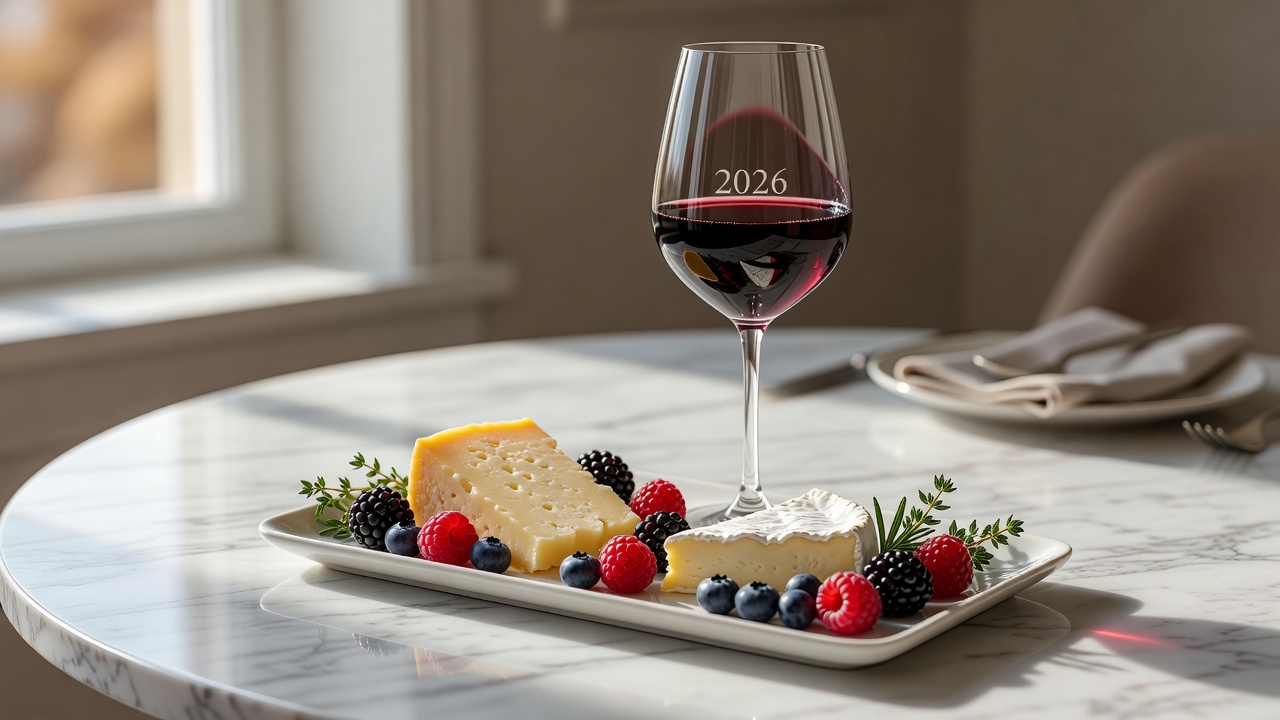
In 2026, wine enthusiasts are discovering that food pairings do more than complement a bottle—they actively reshape tasting notes, aroma profiles, and overall vino reviews. Whether you're a beginner building your first wine journal or an experienced taster refining scores, understanding these interactions unlocks richer sensory experiences. This guide breaks down the science, offers practical exercises, and provides before-and-after comparisons using popular red and white wines from recent vintages. Strategic pairings leverage basic chemistry: fats soften tannins, acids brighten fruit notes, and salts enhance minerality. The result? More nuanced tasting notes that can shift a wine from average to exceptional in personal reviews, helping tasters achieve higher perceived scores without changing the bottle itself.
Climate shifts in 2026 have produced wines with brighter acidity and subtler oak influences, making pairings even more impactful for unlocking hidden layers. Beginners often overlook how a simple bite of food can recalibrate the entire tasting experience, turning one-dimensional impressions into complex, multi-layered notes worthy of detailed documentation.
The Science of Flavor Interactions
Wine tasting relies on how compounds in food interact with those in wine. Tannins bind with proteins in cheese, reducing astringency and allowing sweeter fruit notes to emerge. Acidity in wine cuts through rich dishes, making both taste fresher. Research from institutions like Wine Magazine highlights these synergies, showing measurable changes in perceived sweetness and body after pairing. Umami in foods like mushrooms amplifies earthy undertones in reds, while spicy elements can mute delicate whites. These effects are especially relevant for 2026 vintages, where climate variations have produced wines with brighter acidity and subtler oak influences. Understanding molecular interactions, such as how capsaicin from peppers suppresses certain volatile aromas, allows tasters to predict and control shifts in their reviews. For example, the Maillard reaction in seared meats can enhance roasted notes already present in barrel-aged reds, creating a harmonious echo that elevates the overall palate impression.
Step-by-Step Pairing Exercises for Home Tasters
Follow this repeatable process to test pairings yourself and gather reliable data for your tasting notes:
- Select two similar wines from the same producer or region and pour small samples into identical glasses at the recommended serving temperature.
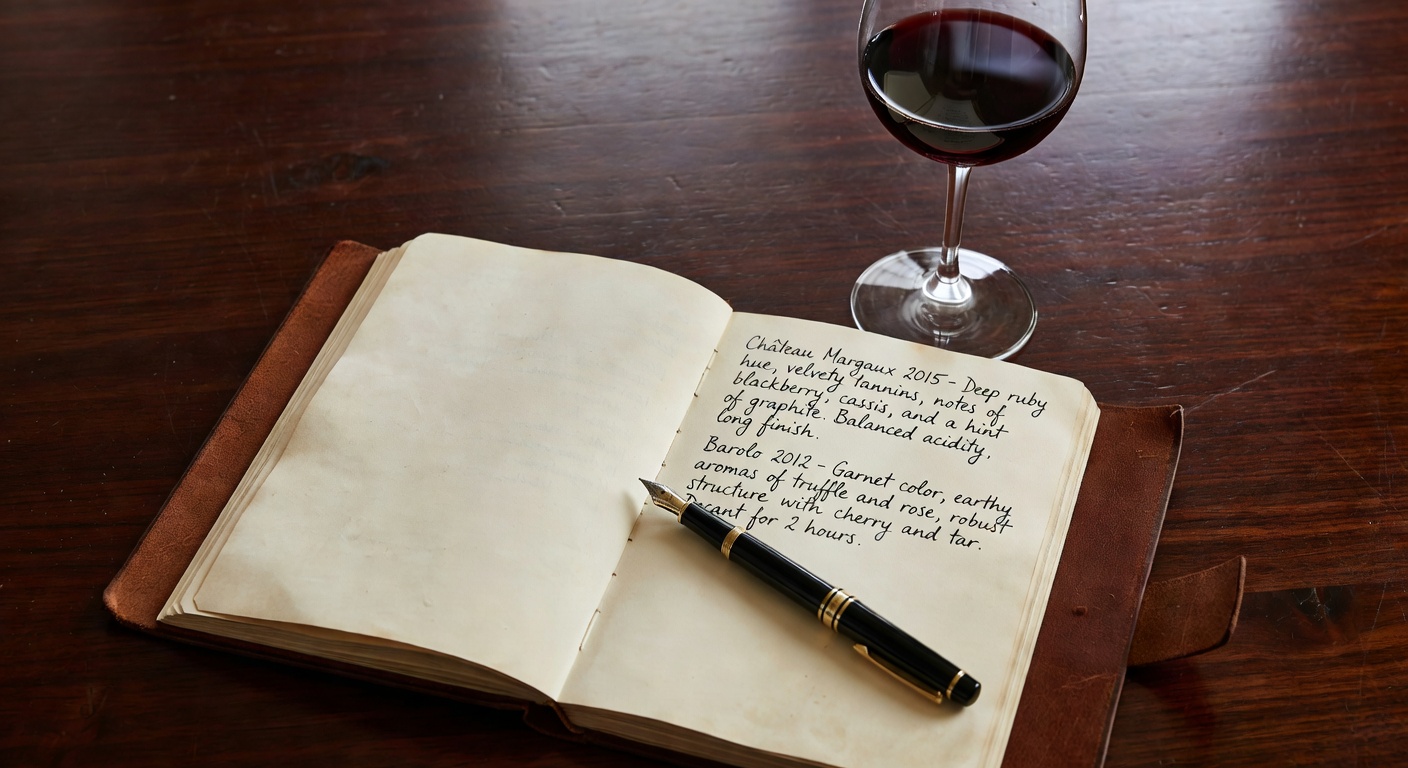
- Taste each wine plain, noting initial aromas on the nose and palate impressions like acidity level, tannin grip, and finish length in a dedicated journal.
- Pair with a single food element, such as a slice of cheese, bite of fruit, or piece of charcuterie, chewing slowly before retasting the wine.
- Retaste and record shifts in aroma intensity, perceived sweetness, acidity balance, tannins, and finish duration using consistent language.
- Repeat with controlled variations, such as changing the food's temperature or adding a contrasting element like a pinch of salt, to isolate specific effects.
- Allow a 10-minute palate reset between trials using plain water or unsalted crackers to maintain accuracy.
Document everything using consistent descriptors like "bright citrus" or "velvety texture." This method builds reliable data for your tasting notes and helps identify personal preferences over time.
Real-World Examples: Red and White Wine Transformations
Consider a 2025 Cabernet Sauvignon tasted alone: initial notes might include blackcurrant, firm tannins, and a medium finish. Paired with aged cheddar, the tannins soften dramatically, revealing sweeter plum and chocolate layers while extending the finish. Before pairing: 85/100 score with "astringent" comments. After: 92/100 with "balanced and luxurious" descriptors. For whites, a crisp Sauvignon Blanc alone often shows grapefruit and herbal notes. When paired with goat cheese, the acidity integrates better, enhancing tropical fruit while muting any grassy edge. Journal entries frequently shift from "sharp" to "vibrant and food-friendly."
Expanding to other varieties, a 2026 Pinot Noir tasted solo may register as light-bodied with red cherry and subtle earth. Pairing with roasted mushrooms introduces deeper forest floor and truffle notes, transforming the review from "simple" to "complex and terroir-driven." Similarly, a Chardonnay with prominent oak can gain creaminess and balance when matched with butter-poached lobster, softening vanilla edges into harmonious richness. These examples demonstrate how one thoughtful pairing can rewrite an entire review, making wines more approachable for 2026 tastings.
Documenting Changes in Aroma and Palate
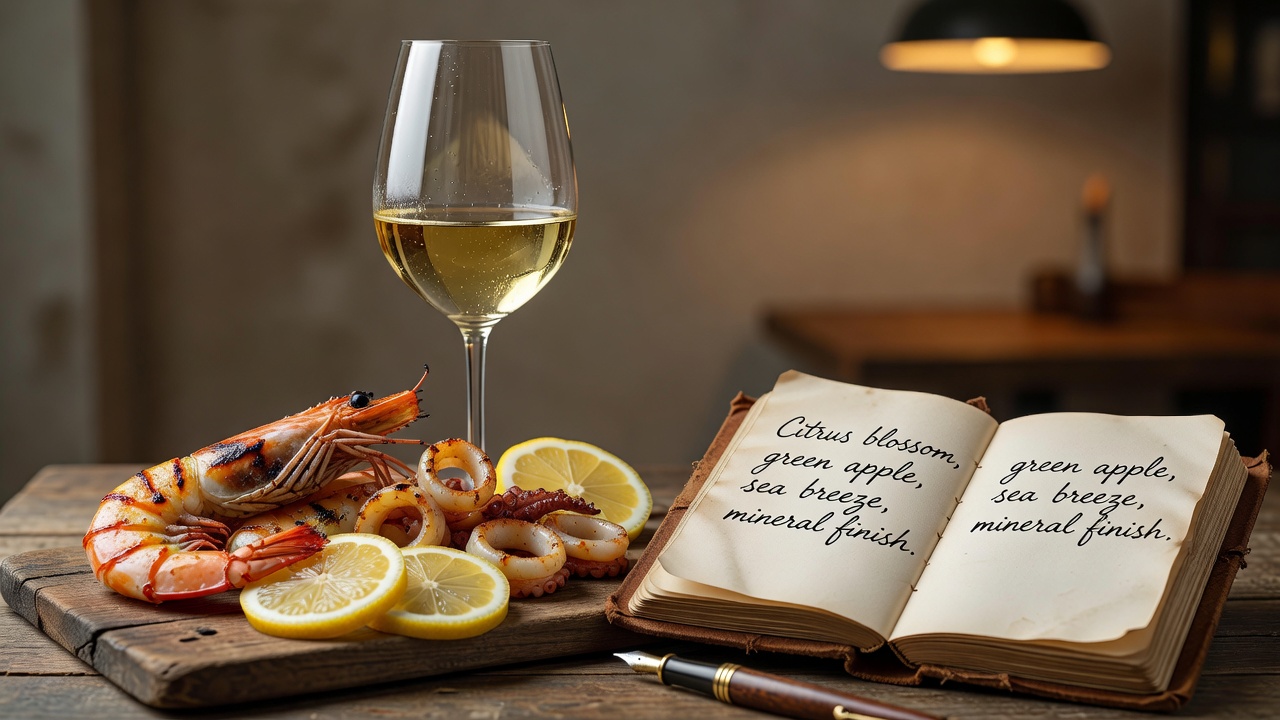
Use a simple template: aroma wheel for primary, secondary, and tertiary notes; palate intensity scale from 1-10 for each attribute; and overall score with justification. Note environmental factors like glass type, ambient temperature, or time of day. Over multiple sessions, patterns emerge—such as how dark chocolate consistently boosts cocoa and coffee notes in Merlot or how citrus salads lift floral aromatics in Riesling. Share refined reviews on platforms focused on vino to connect with fellow tasters and compare experiences across regions.
Actionable At-Home Pairing Checklist
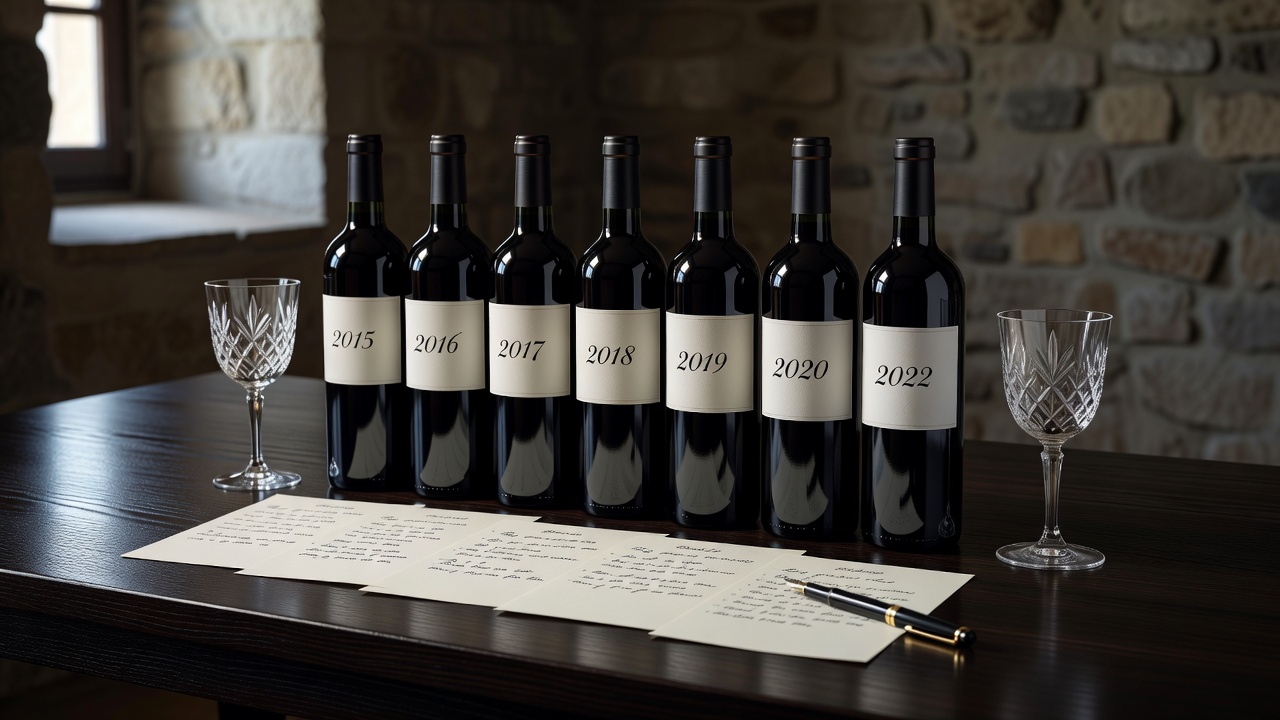
- Choose wines from the same vintage year for consistency in comparisons.
- Prepare neutral palate cleansers like plain crackers or apple slices between trials.
- Start with mild foods before progressing to bold flavors to avoid overwhelming the palate.
- Taste in good lighting to accurately assess color and clarity changes.
- Limit sessions to three pairings to avoid palate fatigue and maintain focus.
- Store notes digitally for easy comparison across vintages and seasons.
- Experiment with temperature variations, such as slightly chilled reds, to observe additional shifts.
- Invite a tasting partner for blind comparisons to validate subjective changes.
Common Mistakes to Avoid
Overpowering delicate wines with spicy foods or ignoring serving temperature can distort results. Always taste the wine first without food to establish a baseline. Another frequent error is using overly sweet pairings with high-acid wines, which can flatten perceived vibrancy instead of enhancing it.
FAQ: Addressing Pairing Pitfalls
How do I choose pairings for unknown wines? Start neutral with hard cheeses or nuts, then adjust based on initial tasting notes and repeat the exercise.
Can pairings improve low-scoring wines? Yes—many 2026 bottles gain complexity through strategic matches that highlight hidden strengths and balance flaws.
Is there science backing these changes? Flavor chemistry studies confirm interactions; see resources from Wine Folly for deeper reading on molecular pairings.
What if a pairing fails? Note the mismatch and try opposites, like sweet with savory or fatty with acidic, next time for better outcomes.
How often should I update my tasting journal? After each session, review notes weekly to track evolving preferences and refine future pairing strategies.
Conclusion
Mastering food pairings transforms wine tasting from passive sipping into an interactive exploration. Apply these techniques to your 2026 vintages for dramatically improved tasting notes and more confident vino reviews. Experiment consistently, and your personal scores will reflect the depth these pairings unlock, turning every glass into a more memorable and insightful experience.
No comments yet. Be the first!