 Uncorked Conversations
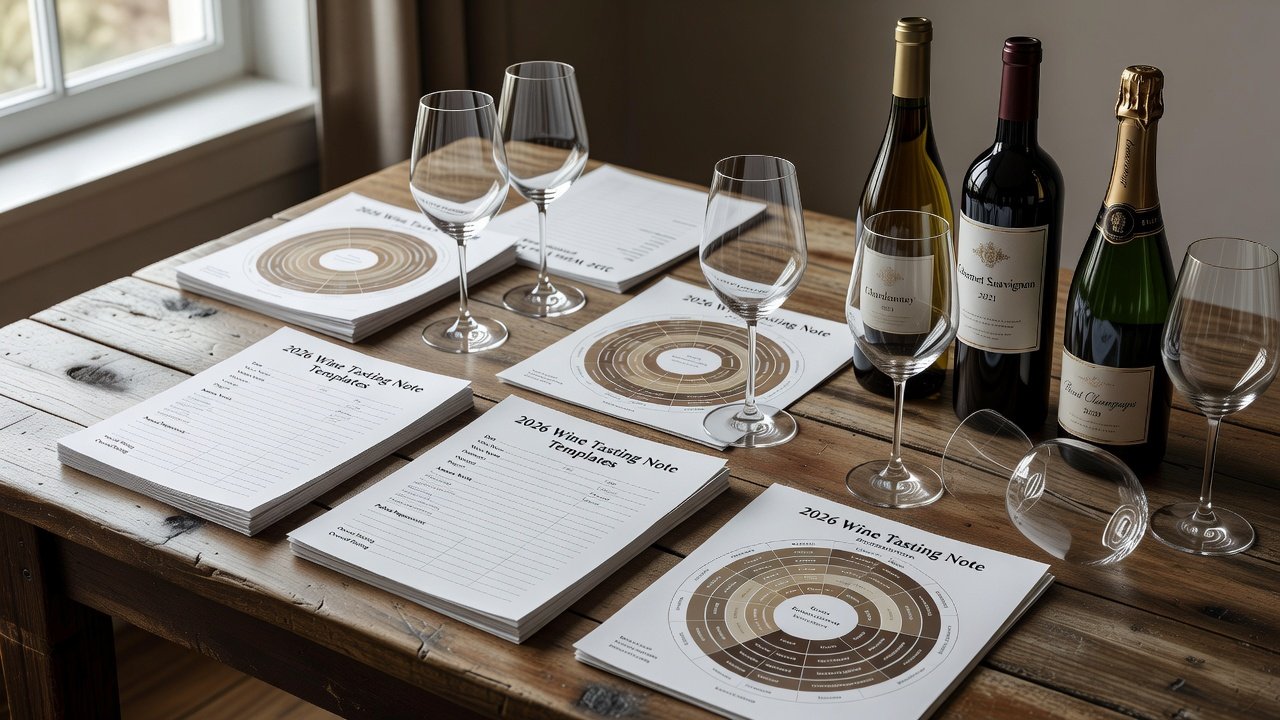
Why Structured Wine Tasting Notes Matter in 2026
In today's dynamic wine scene, keeping detailed tasting notes helps enthusiasts and professionals alike track evolving preferences, share discoveries online, and build a reliable reference library. With global wine consumption growing and new vintages arriving constantly, structured templates provide consistency without stifling creativity. They transform casual sipping into a methodical practice that sharpens the palate over time. Beginners benefit from guided prompts while experienced tasters use them to compare across regions and years. In 2026, digital apps and social platforms make sharing these notes easier than ever, turning personal records into community resources that influence buying decisions and event planning.
Core Elements of Effective Tasting Notes
Strong notes always cover appearance, nose, palate, and finish while noting structure elements such as tannins, acidity, body, and alcohol. Adding an aroma wheel expands vocabulary with precise terms rather than vague impressions. Include details like vintage, producer, region, and suggested pairings to make notes more useful for future reference. Scoring adds objectivity when applied consistently across multiple bottles.
Template 1: Basic White Wine Note
Appearance: Color intensity, clarity, and legs or viscosity.
Aroma: List primary fruits, florals, and herbs using an aroma wheel.
Palate: Acidity, sweetness level, body weight, and texture.
Finish: Length, aftertaste quality, and any evolving flavors.
Score: Out of 100 with brief justification.
Example filled note for a 2025 Sauvignon Blanc: Pale straw color with brilliant clarity. Aromas of lime zest, green apple, and fresh herbs. High acidity, light body, crisp texture. Finish lingers with citrus notes for 45 seconds. Score: 89.
Template 2: Advanced White Wine Note
Build on the basic version by adding terroir influences, oak treatment details, aging potential estimates, and secondary aromas. Note minerality, lees contact effects, and food pairing suggestions. Example for a 2024 Chardonnay from Burgundy: Golden hue with medium viscosity. Complex nose showing ripe pear, hazelnut, wet stone, and subtle vanilla from oak. Medium-plus acidity, full body, creamy mouthfeel. Long finish with lingering spice. Aging potential: 5-7 years. Score: 94. This template helps identify premium expressions versus entry-level versions.
Template 3: Basic Red Wine Note
Emphasize color depth, rim variation, red or black fruit profiles, tannin grip, and earth notes. Track how tannins evolve from youthful astringency to polished smoothness. Example for a 2023 Merlot: Deep ruby color. Aromas of black cherry, plum, and cocoa. Medium tannins, medium body, balanced acidity. Finish shows dark fruit for 30 seconds. Score: 87.
Template 4: Advanced Red Wine Note
Incorporate bottle age indicators, tertiary aromas such as leather or forest floor, and detailed mouthfeel analysis including heat from alcohol. Estimate peak drinking window. Example for a 2018 Cabernet Sauvignon from Napa: Brick rim on garnet color. Nose reveals cassis, cedar, tobacco, and graphite. Firm tannins, full body, high acidity. Long, layered finish. Peak: 2028-2035. Score: 96.
Template 5: Sparkling Wine Note
Focus on bubble size, persistence, mousse quality, yeast-derived notes, and acidity balance. Distinguish between traditional method and tank method styles. Example for a 2023 Prosecco: Straw color with fine persistent bubbles. Aromas of green apple, pear, and white flowers. High acidity, light body, creamy mousse. Finish is refreshing and clean. Score: 88.
Template 6: Rosé Wine Note
Capture delicate salmon or onion-skin hues, berry and citrus aromas, and the refreshing quality that makes rosé versatile with food. Example for a 2025 Grenache rosé: Pale pink with copper hints. Nose of strawberry, watermelon, and rose petal. Crisp acidity, medium-light body. Finish lingers with red fruit. Score: 90.
Template 7: Dessert Wine Note
Highlight sweetness intensity, botrytis or late-harvest character, viscosity, and balancing acidity. Note complexity from oxidation or noble rot. Example for a 2022 Sauternes: Deep gold color. Aromas of apricot, honey, saffron, and toasted almond. High sweetness balanced by vibrant acidity, full body. Very long finish. Score: 93.
Aroma Wheels and Flavor Descriptor Lists
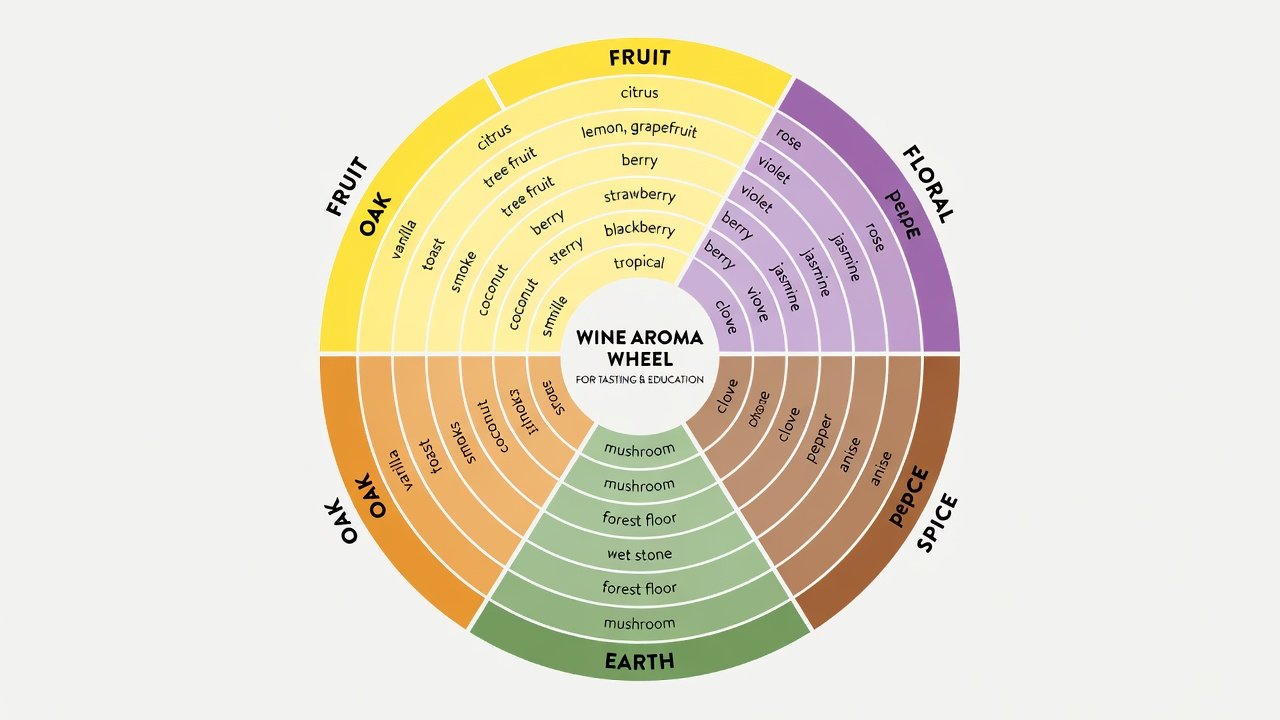
An aroma wheel organizes smells into categories such as fruit, floral, spice, earth, oak, and fermentation byproducts. Primary wheels help beginners while advanced users create custom layers with specific regional terms. For Chardonnay, common descriptors include apple, citrus, butter, hazelnut, and toasted bread. Cabernet Sauvignon frequently shows blackcurrant, blueberry, mint, cedar, and graphite. Practice by smelling everyday items like herbs or fruits before applying them to wine. This builds a personal lexicon that makes notes more vivid and shareable.
Scoring Breakdowns Explained
A reliable 100-point system allocates roughly 50 points to overall balance and structure, 30 points to flavor intensity and complexity, and 20 points to typicity and finish length. Adjust slightly for sparkling wines where effervescence persistence receives extra weight. Always taste multiple examples of the same varietal before assigning final numbers. Compare against benchmarks from trusted producers to calibrate your scale accurately.
Step-by-Step: Adapting Templates for Personal Use
- Duplicate the chosen template in a digital note app or print physical copies for tastings.
- Replace standard descriptors with your own observations from the last three wines tasted.
- Add custom columns for price range, occasion, and personal rating adjustments.
- Incorporate photos of labels or bottles for visual reference.
- Review notes quarterly to spot patterns in preferences across regions.
- Share select notes on forums or social media to gather community input.
- Experiment with blind tasting versions to reduce label bias.
- Combine multiple templates into a master sheet for comparative flights.
- Update aroma wheels seasonally as new vintages introduce different profiles.
- Track score trends over time to measure palate development.
Varietal Examples in Action
Beyond basic examples, consider a 2025 Riesling from Germany showing petrol, lime, and honeysuckle with electric acidity and a mineral finish scoring 91. A 2022 Syrah from the Rhône reveals black pepper, olive, and smoked meat alongside firm tannins and a long savory close scoring 95. These filled templates demonstrate how descriptors evolve with experience and region.
Common Pitfalls and How to Fix Them
- Overusing generic words like "good" or "nice": Swap them for wheel-specific terms such as "lychee" or "truffle."
- Forgetting serving temperature effects: Always record the exact temperature and note how it changes aromas.
- Neglecting finish timing: Use a stopwatch to measure aftertaste duration accurately.
- Allowing label knowledge to influence scores: Conduct blind tastings regularly.
- Skipping structural details: Dedicate separate lines for tannin, acidity, and body in every note.
- Writing too briefly: Aim for at least five descriptive phrases per section.
- Ignoring food pairings: Add one or two suggested matches to increase practical value.
FAQ: Integrating Scores into Your Notes
How do I choose between an 88 and a 92? Compare the wine against several benchmark bottles of the same style tasted recently.
Should I publish all my scores publicly? Many keep raw scores private and share only averaged or contextual versions online.
Can I combine different scoring scales? Consistency matters most, so choose one system such as the 100-point or 20-point scale and stick with it.
How often should I revisit old notes? Review every six months to track how your palate has changed and identify favorite styles.
What if a wine improves after opening? Note both initial and post-decant impressions for complete records.
Further reading is available at authoritative sites including Wine Folly, Decanter, and Wine Magazine.
Conclusion
These comprehensive 2026 wine tasting note templates deliver a complete framework for consistent, insightful evaluation across all major styles. By customizing them with personal descriptors, practicing regularly, and avoiding common pitfalls, your notes will evolve into an indispensable tool that enhances every tasting experience and supports better wine choices long term.
No comments yet. Be the first!