 Uncorked Conversations
Introduction
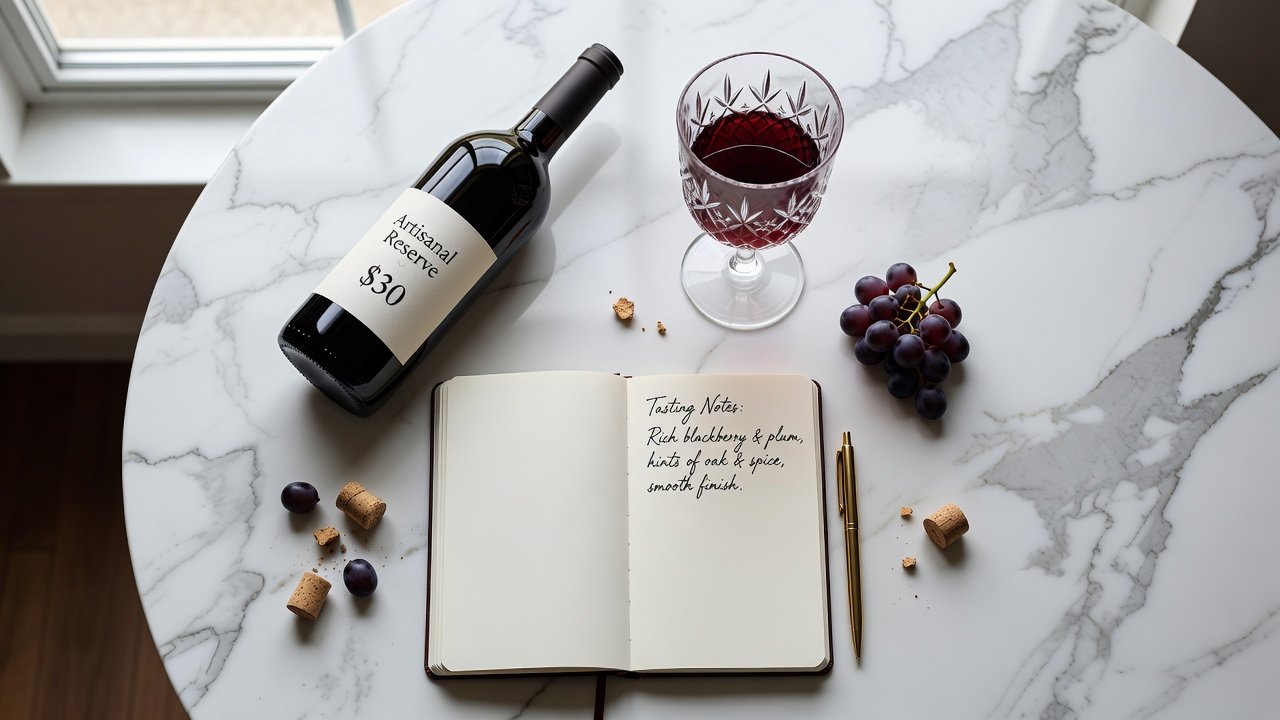
Wine enthusiasts and reviewers are turning to Instagram in 2026 to share detailed tasting notes that captivate audiences and drive meaningful engagement. This platform rewards creators who blend sensory descriptions with high-quality visuals and interactive formats. By focusing on Reels, carousels, and targeted captions, you can transform simple tasting notes into content that earns saves, shares, and follows. Success comes from treating each post as a mini-guide that educates while entertaining. Whether you are a sommelier building a personal brand or a passionate hobbyist, these strategies help you stand out in a competitive feed filled with generic wine photography.
The key lies in consistency and value. Followers return when they learn something new about acidity, tannins, or regional styles. In 2026, Instagram's algorithm prioritizes content that keeps users on the app longer, making thorough yet visually appealing tasting notes highly effective. This guide covers every aspect from format optimization to audience growth tactics that go beyond basic advice.
Optimizing Tasting Notes for Reels and Carousels
Reels perform best when tasting notes unfold in a fast-paced sequence. Start with a 3-second hook showing the wine label or pour, then cut to aroma notes, palate impressions, and finish with a score reveal. Keep each clip under 8 seconds and use text overlays for key descriptors like "blackcurrant" or "velvety tannins." Add trending audio tracks that match the mood of the wine, such as upbeat jazz for vibrant reds or soft acoustic for elegant whites. Experiment with slow-motion shots of swirling the glass to highlight color and viscosity.
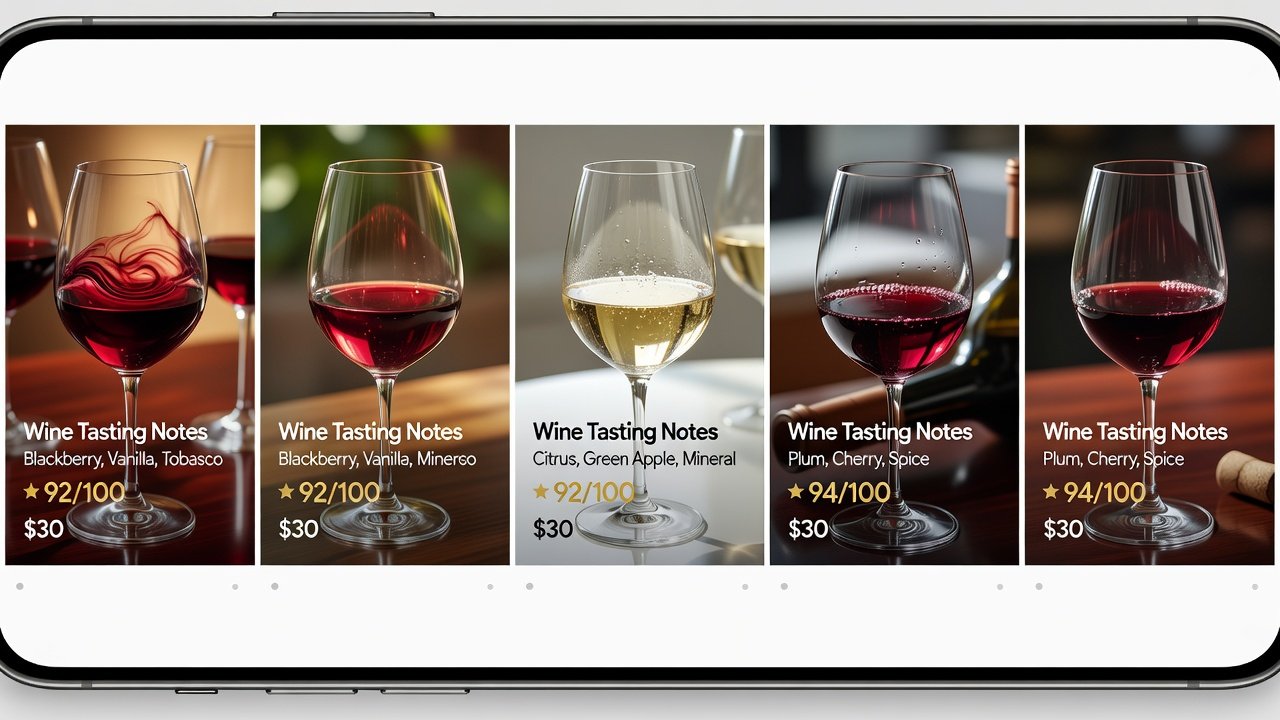
Carousels allow deeper exploration. The first slide should feature the bottle and a bold score. Subsequent slides break down appearance, nose, palate, and food pairings. End with a call-to-action slide asking followers to comment their favorite vintage. This format encourages multiple saves because users can reference the notes later. Use consistent color palettes across slides to create a recognizable brand style. For example, earthy tones for Old World wines and bright hues for New World expressions.
Compare the two formats directly: Reels excel at reach and virality while carousels drive higher save rates. Test both and review performance after two weeks to refine your approach.
Using 2026 Hashtags and Captions to Boost Saves
Effective captions in 2026 combine storytelling with searchable keywords. Begin with a question such as "Which 2025 Cabernet surprised you most?" then weave in your tasting note. Place 3-5 targeted hashtags at the end, mixing broad terms like #WineTasting with niche ones like #NaturalWineNotes2026. Research shows that posts with a mix of 3-8 hashtags see higher save rates because they reach both discovery and loyal audiences.
Write captions that prompt interaction. Phrases like "Save this for your next cellar visit" directly encourage saves while adding value beyond the visual. Include subtle storytelling elements, such as the winery's history or your personal memory tied to the wine. Avoid overly salesy language; instead focus on education and community. Update your hashtag list quarterly to reflect emerging trends in wine culture and platform search behavior.
Learn more about Instagram's latest features to stay ahead of caption best practices.
Pairing Scores with Visuals for Higher Engagement
Scores gain impact when paired with consistent visual language. Use a clean graphic overlay showing the number out of 100 alongside a color-coded bar that matches the wine style. High-scoring wines benefit from golden-hour lighting and elegant glassware, while lower-scoring but interesting bottles can use dramatic shadows to highlight complexity.
Consistency in your scoring system builds trust. Followers learn to expect transparent reasoning behind every number, which increases comments and shares. Create custom templates in editing apps for quick application of score graphics. Pair the score reveal with a short video clip of you tasting the wine to humanize the content and boost authenticity.
Step-by-Step Templates for Note Formats
Use this Reel template for quick posts:
- Hook (0-3s): Close-up pour with text "Tasting note incoming"
- Aroma (3-8s): Swirl and sniff with on-screen keywords
- Palate (8-15s): Sip reaction and descriptors
- Score & CTA (15-20s): Number reveal plus "Follow for more"
For carousels, follow this 6-slide structure: 1. Bottle + score, 2. Appearance, 3. Nose, 4. Palate, 5. Pairings, 6. Save prompt. Another advanced template adds a seventh slide with user-generated content reposts or a simple poll sticker in Stories linking back to the post.
Examples of Viral Posts
One 2025 post that gained over 40,000 saves featured a carousel of a lesser-known Italian red. Slide two listed three specific tasting descriptors while slide five asked users to tag a friend who loves Sangiovese. The combination of educational depth and social prompt fueled algorithmic distribution.
A second example involved a Reel series on budget-friendly wines under $30. Each video ended with a direct comparison to a famous cult wine, sparking comment threads and profile visits. A third viral example used a collaborative post with a food blogger, pairing tasting notes with recipe suggestions that drove cross-audience growth.
Metrics Tracking Tips
Monitor Instagram Insights weekly. Track saves per post, reach from hashtags, and profile visits from story mentions. Aim for a saves-to-reach ratio above 8% on tasting note content. Adjust caption length and visual style based on which posts exceed this benchmark. Use third-party analytics tools sparingly and always cross-reference with native Insights for accuracy. Review top-performing posts monthly to identify patterns in posting times and content themes.
Explore Instagram business tools for advanced tracking options that help scale your strategy.
Audience Growth Through Stories and Collaborations
Stories offer daily touchpoints. Use polls asking "Would you age this wine?" and sticker replies to tasting notes. Collaborate with complementary accounts such as cheese makers or travel bloggers for joint Reels that introduce your content to new audiences. Cross-promote by appearing in each other’s stories once per month. This steady exposure compounds over time without requiring paid advertising. Consider live tasting sessions where followers submit questions in real time, further strengthening community bonds.
Check Instagram's official help resources for the latest collaboration features available in 2026.
FAQ
How often should I post tasting notes?
Three to four times per week maintains visibility without overwhelming your audience or production capacity.
Do I need professional camera gear?
Modern smartphone cameras paired with natural light and simple editing apps deliver results that perform well. Focus on composition rather than equipment.
What if my scores differ from popular critics?
Transparency about your palate preferences builds authenticity. Explain your reasoning clearly and welcome respectful discussion in comments.
How do I handle negative comments on scores?
Respond politely and invite the commenter to share their tasting experience. This often turns critics into engaged followers.
Should I focus more on Reels or carousels?
Start with both and let data guide you. Many creators find Reels grow reach while carousels convert viewers into long-term followers.
Master these Instagram techniques and your wine tasting notes will become a reliable engine for engagement and community growth throughout 2026 and beyond.
No comments yet. Be the first!