 Uncorked Conversations
Introduction to 2026 Sensory Training for Wine Tasters
Building precise tasting notes vocabulary requires consistent sensory training. In 2026, enthusiasts and professionals alike use structured drills to move beyond vague descriptions like "fruity" toward specific terms such as "lime zest" or "wet stone." This guide provides beginner-friendly methods to master wine tasting notes through daily exercises and simulations. The focus remains on expanding descriptive language for reviews, helping readers communicate nuances effectively whether sharing on social media or building a personal cellar log. With the rise of precise consumer apps and community platforms, accurate vocabulary has become essential for standing out in discussions about varietals like Gruner Veltliner and Albariño.
Daily Palate Exercises for Vocabulary Growth
Start each morning with palate activation routines. Sip plain water, then neutral solutions like diluted lemon juice to isolate acidity. Progress to tasting diluted fruit purees representing common descriptors such as green apple, peach, and grapefruit. Repeat these for two weeks to build muscle memory in flavor identification. Track progress in a dedicated notebook, noting how your ability to name aromas improves over time. For example, week one might focus on citrus elements while week two incorporates herbal notes. Advanced practitioners add temperature variations, tasting the same solution chilled versus room temperature to understand how serving conditions alter perceived flavors. Incorporate simple breathing exercises before each session to heighten olfactory sensitivity, a technique recommended by many sommelier training programs.
Aroma Flashcards and Their Role in Precision
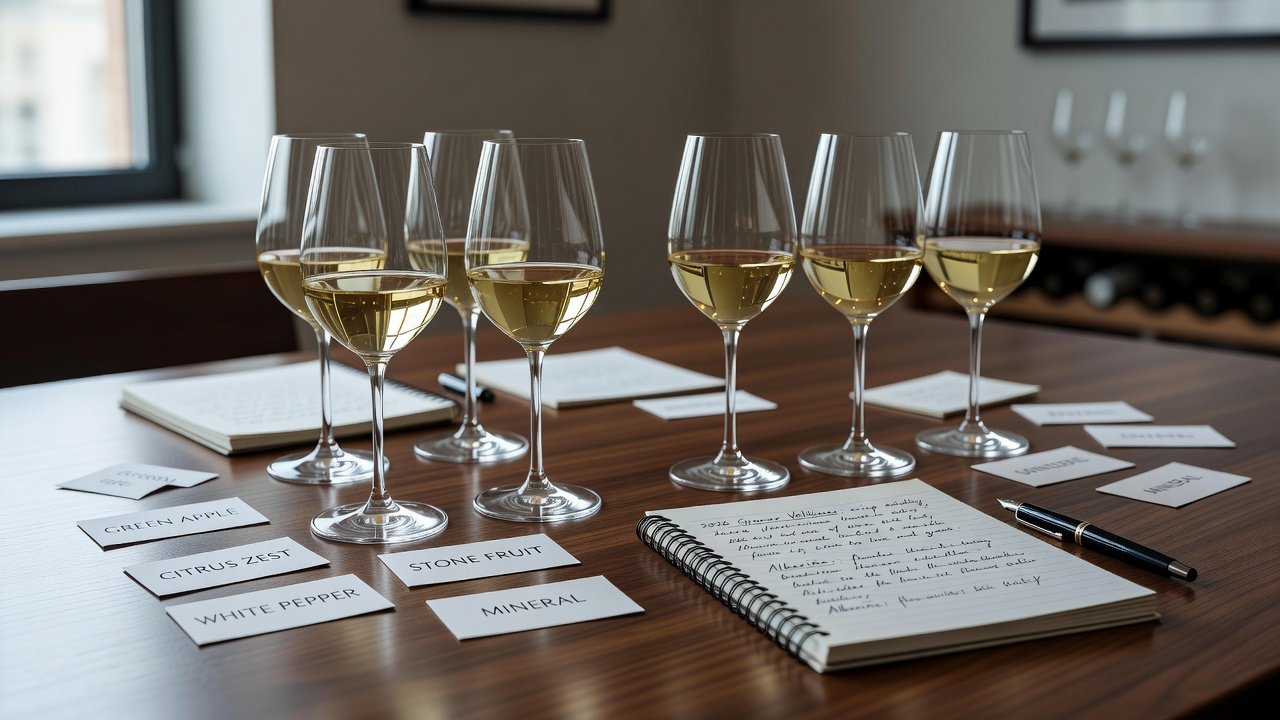
Create or purchase aroma flashcards featuring 50 common wine scents. Categories include citrus, stone fruit, herbs, spices, and earth. Spend 10 minutes daily matching scents to cards without looking at labels. This drill directly strengthens the link between smell and descriptive vocabulary, essential for accurate reviews. To customize your set, source essential oils or dried botanicals such as dried thyme for herbal tones or crushed almonds for nutty undertones. Rotate cards weekly to avoid memorization patterns and include comparative pairs like lemon versus lime to sharpen distinctions. Many 2026 practitioners combine flashcards with digital apps that provide audio pronunciations of terms, reinforcing both recognition and recall during real tastings.
Blind Tasting Simulations with Gruner Veltliner and Albariño
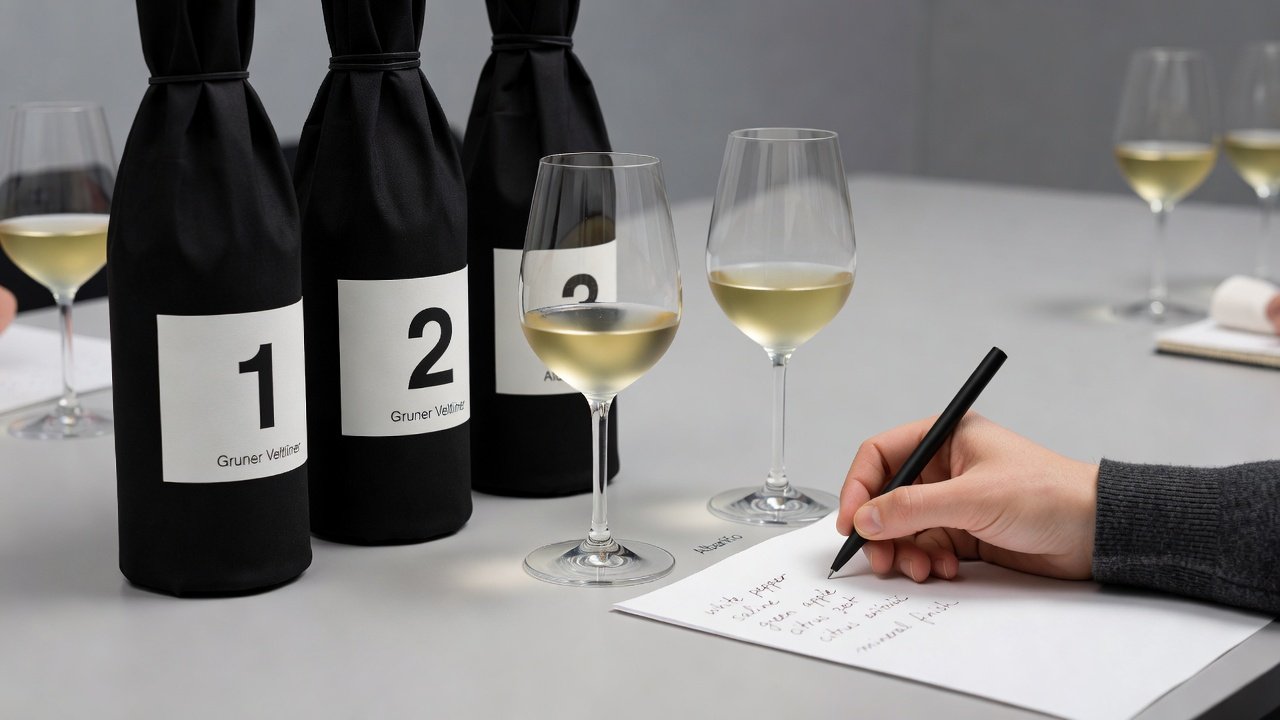
Practice blind tastings weekly using these two crisp white varietals. Cover bottles and pour small samples. Use a structured form to record appearance, nose, palate, and finish. Compare notes afterward to refine descriptions. Gruner Veltliner often yields white pepper and lentil notes, while Albariño highlights peach and saline qualities. Extend the exercise by including three additional bottles each session, varying regions such as Austrian versus New Zealand expressions. After revealing the wines, rewrite your notes to incorporate missed elements. This repetition builds confidence in identifying varietal signatures and regional markers, turning basic observations into layered, professional-level commentary suitable for blog posts or wine club presentations.
Common Pitfalls in Flavor Description
- Overusing generic words like "nice" or "good" instead of specifics.
- Ignoring context from grape variety or region.
- Rushing the nose evaluation before swirling.
- Failing to separate fruit from non-fruit aromas.
- Neglecting to note texture and mouthfeel alongside flavors.
- Copying popular review phrases without personal verification.
Avoiding these requires deliberate slow tasting and cross-checking against reference lists after each session.
Step-by-Step Checklists for Effective Tastings
- Observe color and clarity under neutral light.
- Swirl and assess the nose in three stages: first impression, after swirl, after rest.
- Taste and note sweetness, acidity, tannins, and body on a 1-10 scale.
- Identify 3-5 specific aromas and flavors with examples such as "ripe apricot" rather than "stone fruit."
- Evaluate finish length and quality, timing it in seconds.
- Revisit the wine after five minutes to capture evolution.
Transforming Basic Notes into Professional Reviews
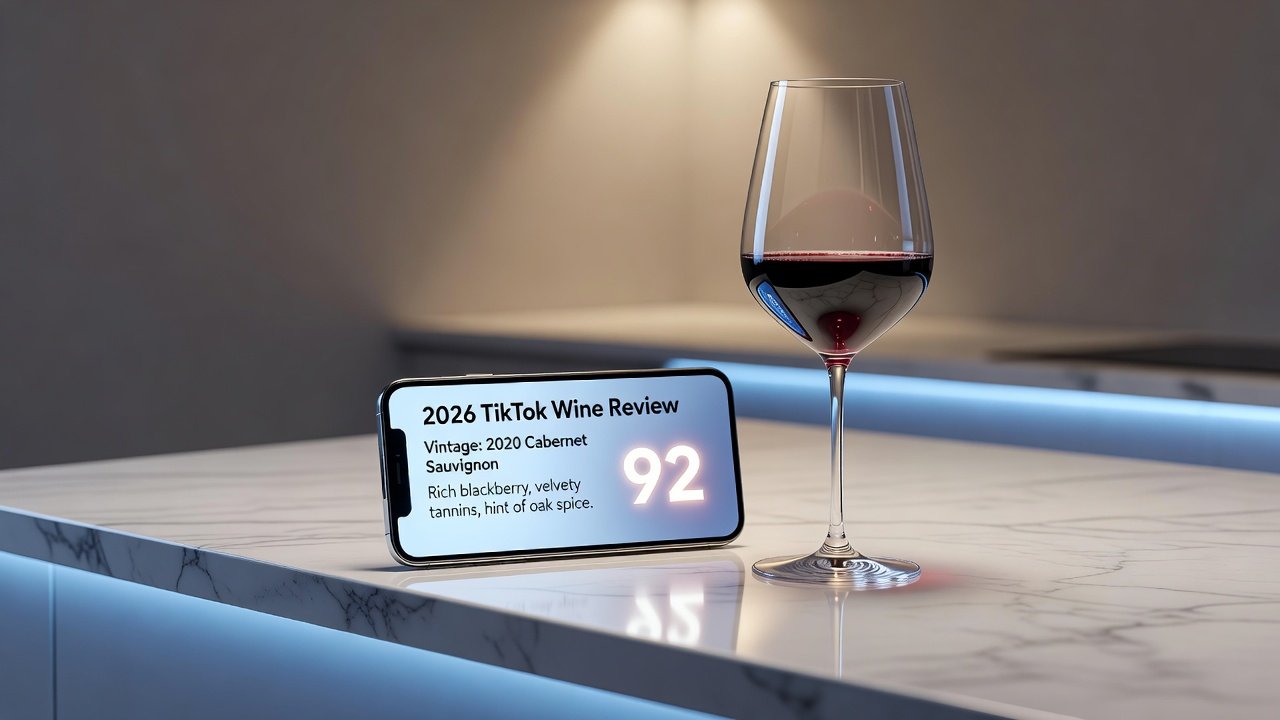
Beginner note: "Apple and lemon, crisp." Professional version: "Vibrant aromas of green apple and Meyer lemon zest lead to a palate of crisp acidity balanced by subtle mineral undertones, finishing with a refreshing saline edge. Score: 92 points." Practice rewriting three notes daily using this expansion technique. Include score context by referencing established systems such as the 100-point scale used by major publications. Add comparative language like "reminiscent of a classic Wachau expression" to elevate the review further.
Regional Style Comparisons
Austrian Gruner Veltliner from the Wachau emphasizes peppery spice and structure, while versions from Kremstal offer more stone fruit. Spanish Albariño from Rías Baixas delivers saline minerality, contrasting with lighter New Zealand examples focused on tropical fruit. Explore additional comparisons by tasting Loire Valley whites alongside these to introduce flinty or gooseberry descriptors. Such exercises reveal how climate and soil influence vocabulary choices, allowing writers to produce more authoritative regional analyses.
Practical Templates for Immediate Application
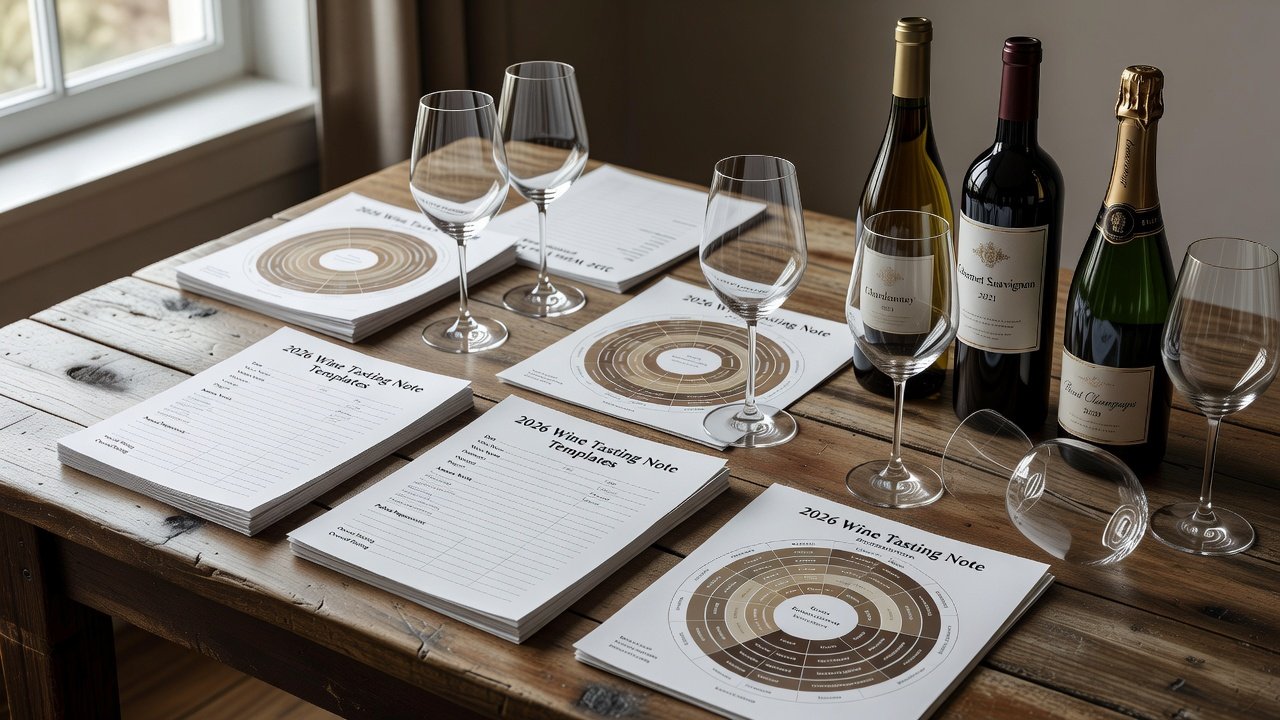
Use this fill-in template for reviews: "[Color] wine with [aroma 1], [aroma 2], and [aroma 3] on the nose. The palate shows [texture] with flavors of [flavor list], balanced by [acidity/tannin note]. Finish is [length and character]." Adapt it after each tasting session. Another useful template focuses on scoring integration: "Initial nose impression [score out of 20], palate development [score out of 40], overall balance [score out of 40]." These tools streamline the process from raw sensory input to polished output.
Building a Personal Vocabulary Bank
Maintain a running list of 100 terms categorized by type. Update it after every tasting by adding new descriptors discovered during drills. Review the bank monthly to ensure terms are actively used rather than forgotten. This living resource becomes invaluable when crafting reviews for specific occasions such as food pairings or vertical tastings.
Conclusion and Next Steps
Incorporate these 2026 sensory drills into your routine for measurable vocabulary gains. Consistent practice with flashcards, exercises, and simulations builds confidence in writing tasting notes that stand out.
FAQ
How do I integrate these drills into my personal review system? Dedicate 15 minutes daily and log results in the same app or notebook you use for reviews. Combine them with weekly blind tastings to reinforce learning.
What are effective social sharing strategies? Post before-and-after note examples on platforms like Instagram, using hashtags such as #WineTastingNotes to engage communities. Include photos of your flashcards or tasting setup for higher engagement.
No comments yet. Be the first!