 Uncorked Conversations
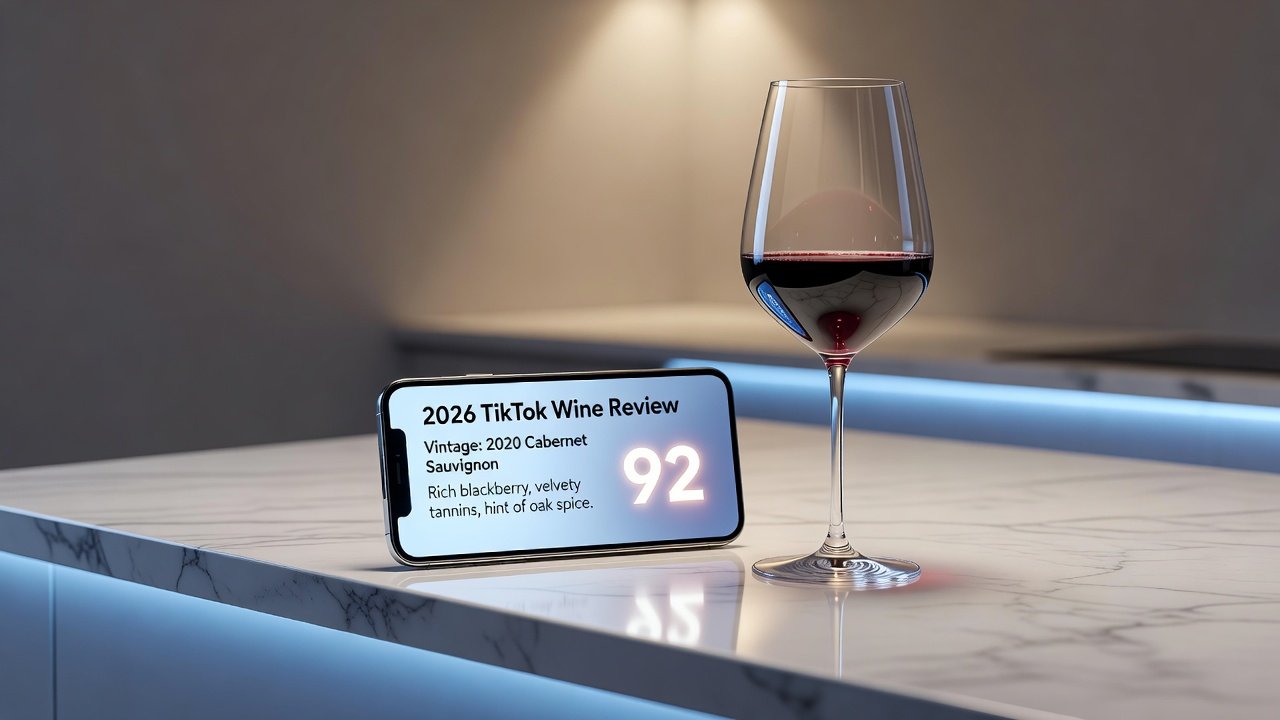
Introduction to Viral TikTok Wine Reviews in 2026
Creating engaging TikTok content for wine tasting has evolved into a precise art by 2026. Short-form videos demand concise tasting notes, clear scores, and compelling visuals that capture attention in under 15 seconds. This approach helps wine enthusiasts build audiences quickly by focusing on aromas, flavors, and ratings that resonate with global communities. The platform's algorithm rewards authenticity combined with high retention, making it essential for creators to deliver value-packed clips that stand out amid millions of daily uploads.
Success hinges on scripting tight reviews while incorporating elements like glass close-ups and text overlays. These techniques turn casual sips into shareable moments that drive discovery and interaction. By understanding viewer behavior, such as the preference for quick flavor breakdowns over lengthy histories, creators can craft content that not only entertains but also educates newcomers to the world of wine.
Scripting Short Reviews That Highlight Aromas, Flavors, and Ratings
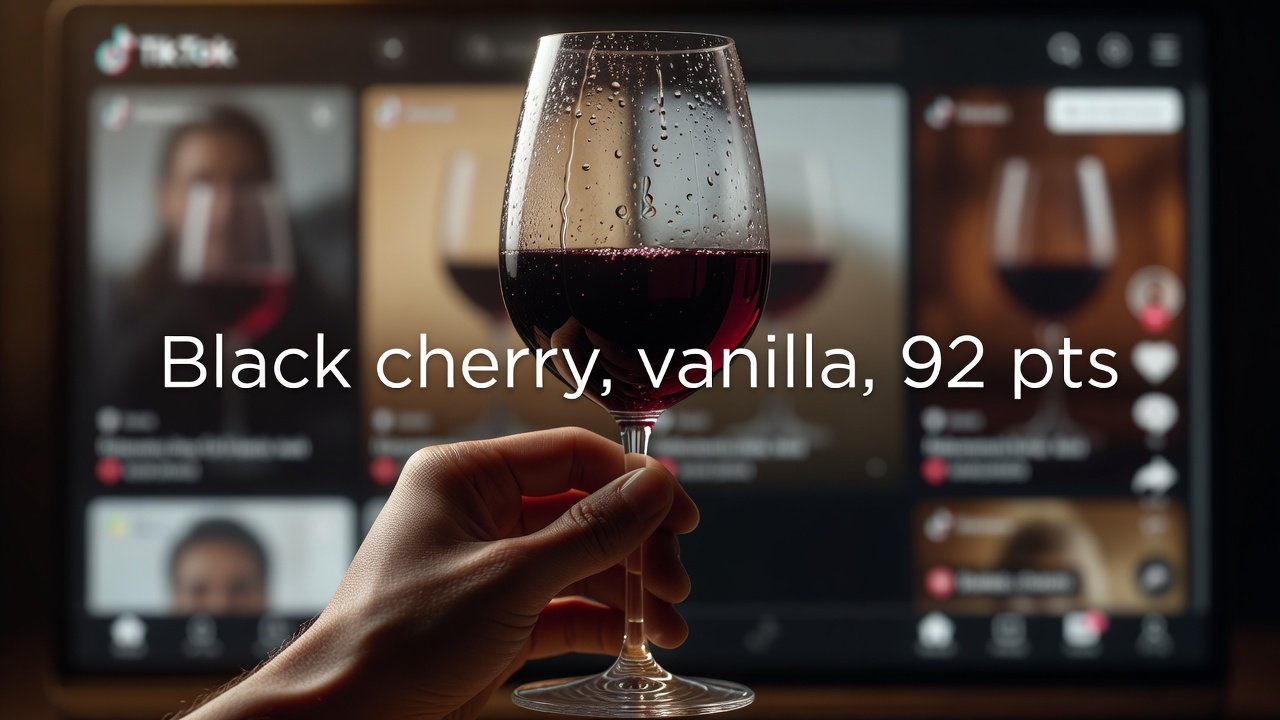
Effective scripts start with a hook: swirl the glass and reveal the first aroma immediately. Follow with 2-3 flavor descriptors, then deliver the score. Keep the entire delivery under 60 words to maintain pace. For example, a script might read: "Nose of black cherry and vanilla. Palate delivers dark chocolate and spice. 92 points – bold yet balanced." Variations for white wines could emphasize citrus notes like lemon zest and minerality before assigning an 88-point rating for crisp acidity.
Practice timing your lines to sync with cuts. This structure ensures viewers grasp the essence fast, encouraging saves and comments. Expand your script by including a personal anecdote, such as the wine's origin story in one sentence, to add relatability without exceeding time limits. Test multiple versions by recording drafts and reviewing retention analytics to refine phrasing that resonates most.
Using Visual Cues Like Glass Close-Ups and Text Overlays
Visuals amplify impact. Begin with a slow-motion pour or close-up of condensation on the glass. Layer text overlays for aromas and the final score in bold fonts. These cues guide viewers who watch without sound, boosting completion rates. Additional techniques include using macro shots of swirling liquid to highlight legs or viscosity, paired with color filters that enhance the wine's hue naturally.
Experiment with lighting to highlight wine hues. Warm tones for reds and cool for whites create professional appeal that stands out in feeds. Incorporate subtle animations on text overlays, like fading in scores, to maintain viewer interest. Always ensure the background remains uncluttered, focusing attention squarely on the glass and notes.
Trending Formats: Blind Taste Tests and More
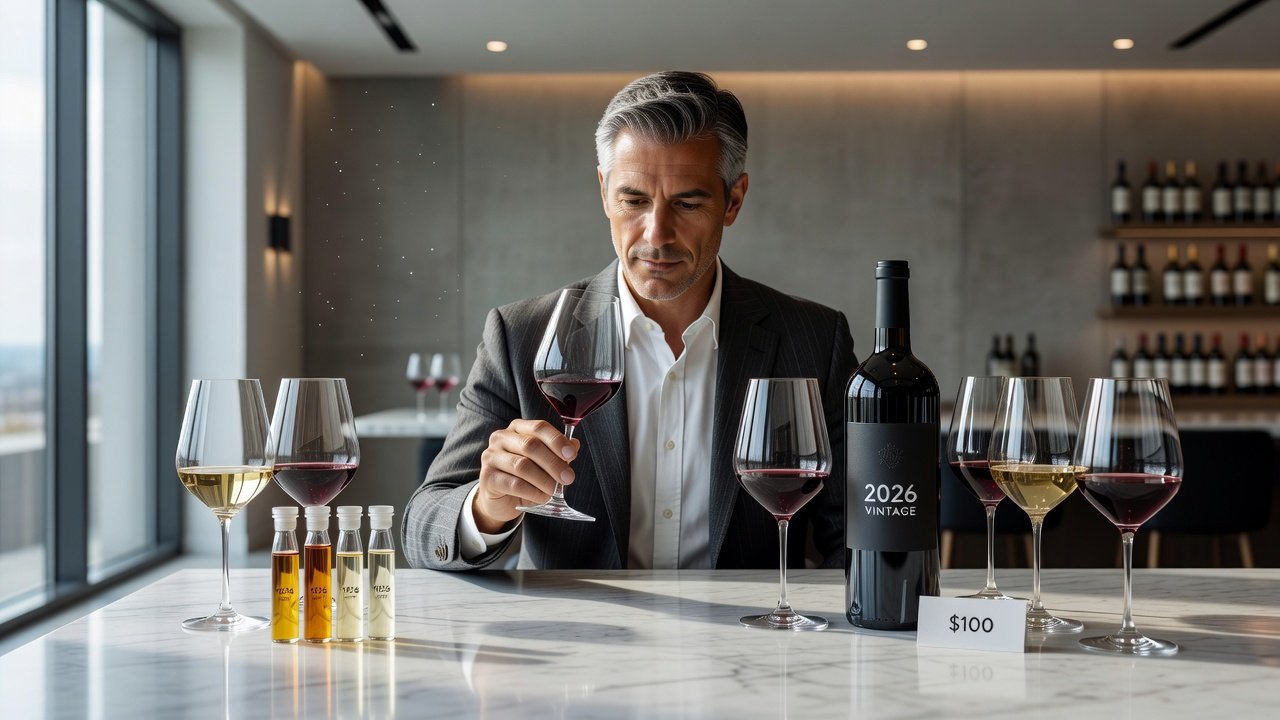
Blind taste tests rank among the most viral formats. Hide labels and guess varietals live, revealing scores at the end. This mystery element sparks debates in comments. Other trends include "wine in 3 words" challenges and side-by-side comparisons of vintages from different regions. For blind tests, prepare multiple glasses in advance and film reactions in sequence to capture genuine surprise.
Creators often reference examples like @winetokpro's popular blind Cabernet series, which amassed high engagement through authentic reactions. Another format gaining traction involves pairing wines with unexpected foods in quick cuts, inviting audience suggestions for future videos. These formats thrive because they invite participation, turning passive viewers into active community members.
Hashtag Optimization for Discoverability
Strategic hashtags expand reach. Combine broad tags like #WineTok with specific ones such as #TastingNotes2026 and #ViralWineReview. Limit to 4-5 per video and rotate them based on performance. Research trending sounds tied to wine content for added algorithmic favor. Tools like TikTok's search suggest help identify rising tags weekly, allowing creators to stay ahead of seasonal trends such as holiday wine pairings.
Resources from TikTok's creator hub provide insights into current trends. Cross-promote with established wine platforms by including links in captions where permitted, further driving traffic from dedicated communities.
Tips for Boosting Engagement Across Wine Communities
Engage directly by replying to every comment in the first hour. Ask questions like "What score would you give?" to prompt responses. Collaborate with other wine accounts through duets or stitches. Post consistently at peak times for your audience, typically evenings when users unwind with a glass. Host live tasting sessions occasionally to foster real-time interaction and grow your follower base organically.
Share user-generated content by featuring comments in follow-up videos, which builds loyalty and encourages more submissions. Monitor sentiment in replies to adjust tone, ensuring inclusivity for beginners and experts alike.
Step-by-Step Creation Checklist
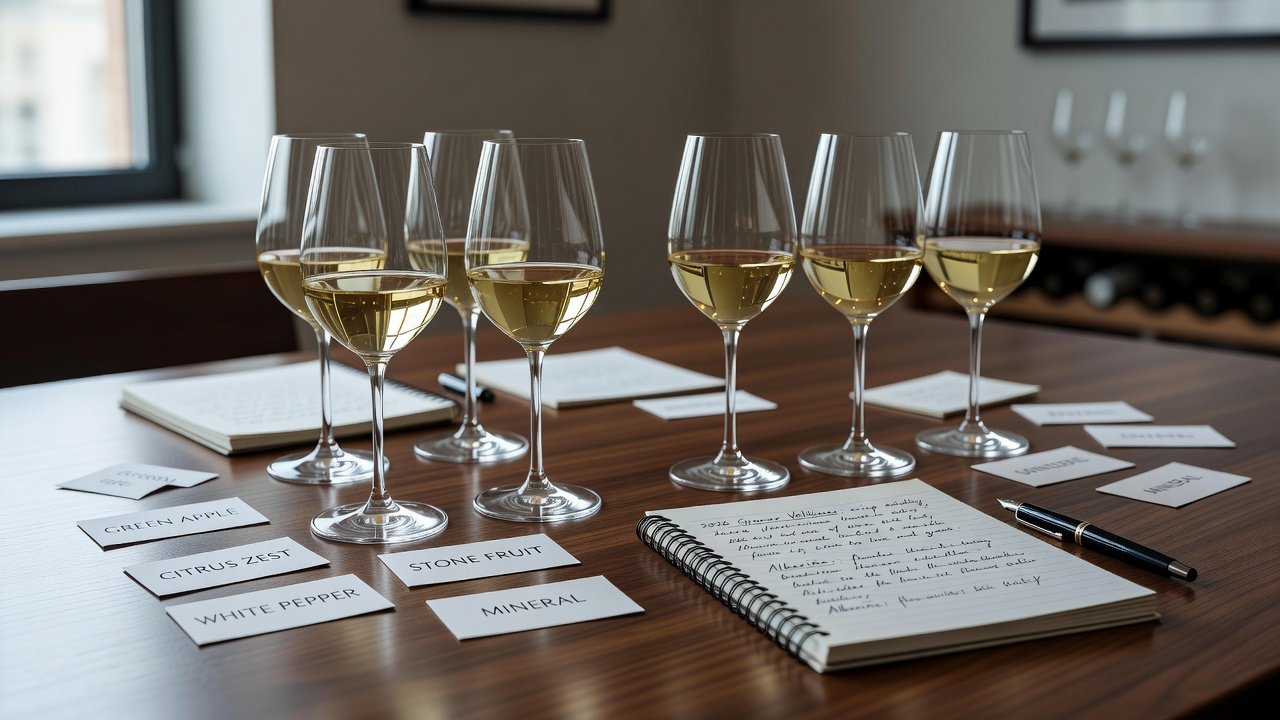
- Choose a wine and prepare tasting notes in advance, researching background details for accuracy.
- Script your 15-30 second delivery and rehearse three times, focusing on clear enunciation.
- Set up lighting and film multiple angles including close-ups of the pour and label reveal.
- Add text overlays for scores and key flavors using readable fonts and contrasting colors.
- Select trending audio and optimize hashtags after previewing similar successful videos.
- Preview and post during high-traffic windows, then schedule a follow-up story for reminders.
- Monitor analytics and engage with viewers immediately to sustain momentum.
Metrics for Measuring Virality
Track completion rate above 70%, shares per view, and comment volume. Videos hitting 500,000 views within 48 hours often feature strong hooks and clear scores. Use TikTok Analytics to refine based on audience retention graphs, paying attention to drop-off points where scripts may need tightening.
Additional benchmarks include average watch time and duet rate, which indicate community resonance. Compare your performance against similar accounts on platforms like Vivino for broader context on wine content trends.
Common Pitfalls Like Over-Editing to Avoid
Over-editing disrupts authenticity. Excessive transitions or filters make content feel salesy rather than genuine. Stick to simple cuts that highlight the wine experience. Another mistake is ignoring sound quality—clear audio of swirling or pouring adds sensory appeal. Avoid over-relying on trends without personalization, as this can dilute your unique voice.
Finally, neglecting accessibility features like captions for all text can limit reach. Always review drafts on multiple devices to catch any visual or audio issues before publishing.
FAQs on Building a Personal Brand Through Short-Form Wine Content
How often should I post? Aim for 3-5 videos weekly to maintain momentum without burnout, adjusting based on initial growth data.
What if my scores differ from experts? Own your palate and explain your reasoning to build trust, referencing resources from Wine Spectator for balanced perspectives.
Can beginners succeed? Yes, focus on relatable reactions rather than technical jargon to connect with a wider audience.
How do I monetize? Grow to 10k followers then explore brand partnerships with wineries, starting with affiliate links in bios.
Should I disclose sponsored content? Always use clear disclosures to maintain credibility and comply with platform guidelines.
What equipment is essential? A smartphone with good stabilization and natural lighting suffices initially, upgrading to ring lights as you scale.
Conclusion
Mastering 2026 TikTok wine reviews requires blending concise notes, dynamic visuals, and community focus. Apply these strategies to create content that not only entertains but also educates, fostering a loyal following in the vibrant wine space. Consistent effort and adaptation to feedback will position you as a trusted voice in short-form wine media.
No comments yet. Be the first!