 Uncorked Conversations
Introduction to 2026 Sensory Calibration for Wine Enthusiasts
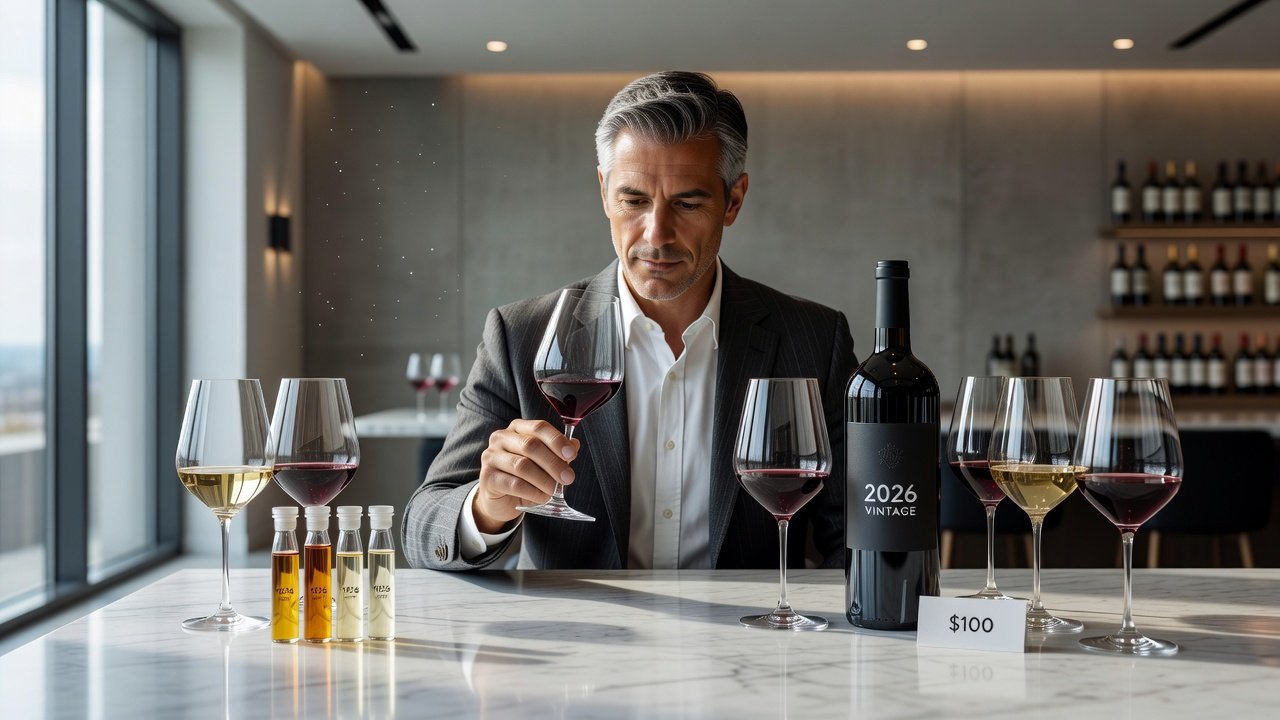
In 2026, wine enthusiasts seeking consistent tasting notes must embrace structured sensory calibration routines. These daily practices refine your palate, sharpen aroma detection, and ensure scoring reliability across vintages. Whether preparing for professional reviews or personal enjoyment, calibration builds muscle memory for flavors and textures that might otherwise vary due to daily fluctuations in mood, health, or environment. Advanced techniques go beyond basic sniffing and sipping. They incorporate real 2026 vintage examples like the structured Cabernet Sauvignons from Napa Valley, elegant Pinot Noirs from Burgundy, and vibrant Rieslings from Germany. This guide delivers step-by-step exercises, detailed comparisons, common pitfalls with avoidance strategies, customizable templates, and progress tracking methods to elevate your notes to a professional standard.
Why Daily Calibration Matters in 2026
Consistent notes require repeatable sensory benchmarks because human perception is inherently variable. Factors like fatigue, environment, and memory fade can skew perceptions dramatically from one day to the next. Calibration counters these by resetting your baseline each day through targeted repetition. Enthusiasts report sharper differentiation between subtle oak influences, fruit profiles, and mineral notes after just two weeks of routines. In 2026, with an abundance of high-quality vintages available, this skill helps reviewers and hobbyists alike produce notes that stand up to scrutiny from publications and peers. The science behind it involves training both the olfactory bulb and gustatory receptors to recognize patterns reliably, much like athletes calibrate their muscle memory for consistent performance.
Step-by-Step Palate Training Exercises
Begin each session with a neutral palate cleanser such as plain water or unsalted crackers at room temperature. Follow this expanded sequence for thorough training:
- Prepare three diluted solutions: one sweet (sugar water at 5% concentration), one acidic (lemon juice diluted 1:10), and one bitter (weak coffee or quinine solution). Taste blind and rate intensity on a 1-10 scale while noting duration on the tongue.
- Repeat with progressively weaker dilutions to train threshold detection, starting at obvious levels and moving to barely perceptible ones over multiple days.
- Progress to wine samples, focusing first on mouthfeel elements like viscosity, then acidity, tannins, and finish length using a 2026 Napa Cabernet as your benchmark for structure.
- Incorporate temperature variations by tasting the same wine at 14°C and 18°C to understand how serving conditions affect perception.
- End with a contrast exercise pairing two similar wines, such as a 2026 Burgundy Pinot Noir against a California counterpart, to highlight regional differences in earthiness versus ripeness.
Practice these daily for 15-20 minutes. Over a month, this builds resilience against common variables like residual toothpaste flavors or recent meals that might interfere.
Aroma Identification Drills with 2026 Examples
Aroma drills strengthen olfactory memory through deliberate practice. Use commercial aroma kits or household items grouped by category: fruits, herbs, spices, earth, and oak derivatives. Expand your sessions with these targeted drills:
- Blind sniff sessions: Identify 8-10 vials while timing responses under 30 seconds each, then verbalize descriptors aloud to reinforce memory pathways.
- Layering exercise: Combine notes from a 2026 Rhône Syrah (black pepper, violet, smoked meat) with a reference aroma wheel, building complexity by adding one layer at a time.
- Memory matching: After identifying aromas, write detailed descriptors and compare against professional tasting notes from sources like Decanter magazine archives.
- Seasonal variation drill: Use 2026 vintages such as a German Riesling for citrus and petrol notes or an Australian Shiraz for eucalyptus and dark fruit to train adaptation across climates.
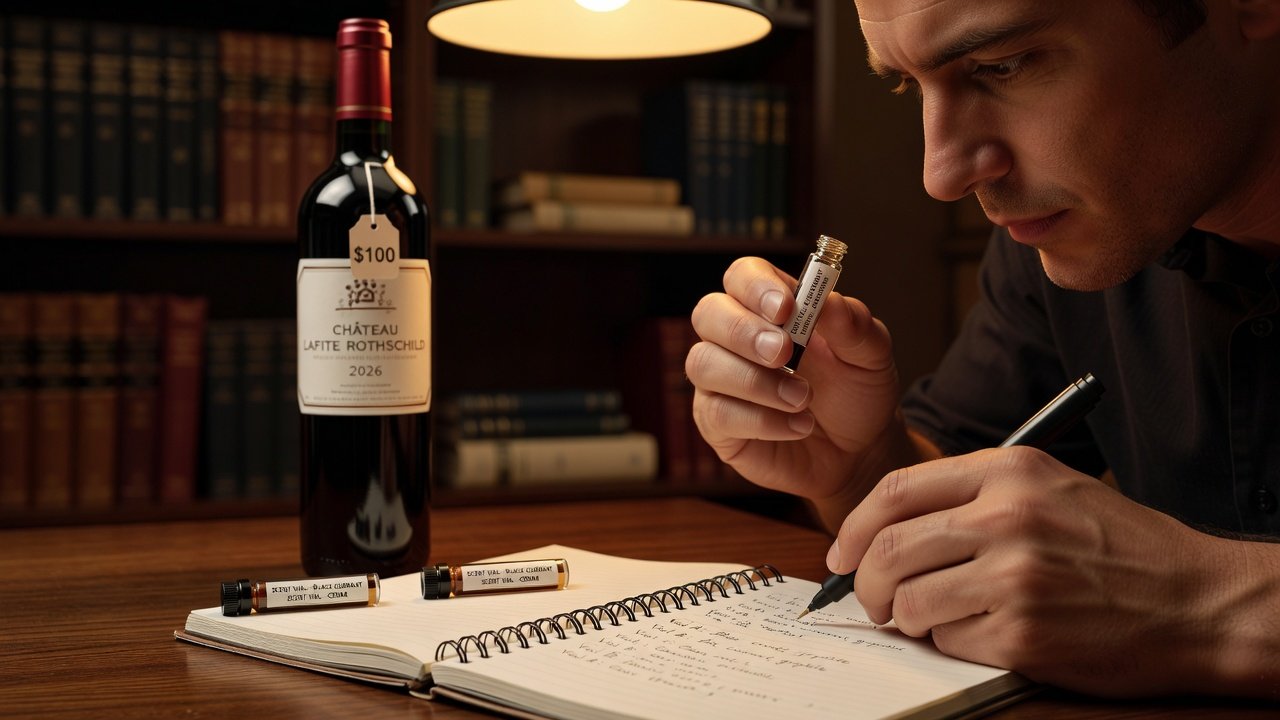
These drills improve accuracy when describing complex 2026 wines, such as aged Bordeaux blends showing leather and tobacco evolution over time in the glass.
Score Consistency Checks
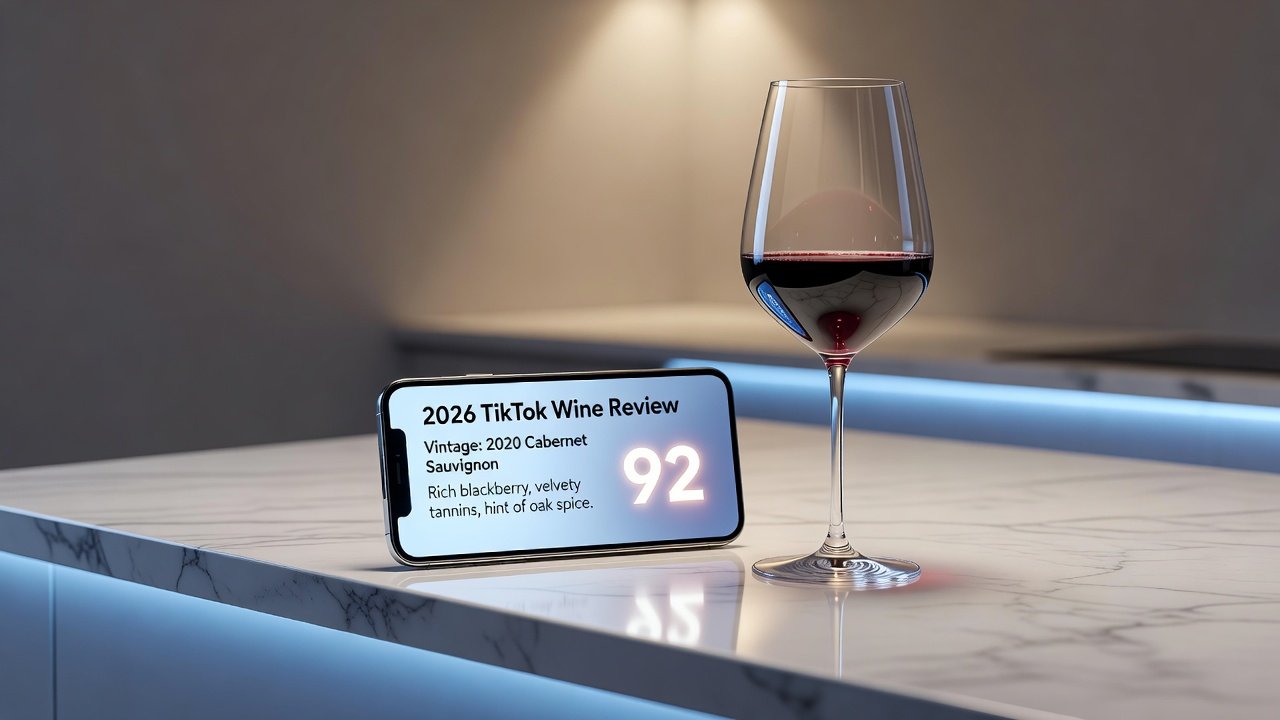
Re-score the same wine after 48 hours under identical conditions to measure personal reliability. Track variance in categories like aroma intensity, balance, and overall quality. Aim for scores within 2 points on a 100-point scale. Use dedicated apps or simple spreadsheets for logging, noting time of day, recent meals, and any external factors. For example, a 2026 Oregon Pinot Noir might score 92 initially but drop if tasted after spicy food; calibration helps isolate true wine attributes from external influences.
Home vs Professional Setups Comparison
Home setups rely on good neutral lighting, ISO-standard tasting glasses, and a quiet space free from distractions. Professional environments add controlled temperature (around 16-18°C), spittoons for extended sessions without intoxication, and calibrated lighting that avoids color distortion. Home enthusiasts can approximate pro results with black tasting glasses to eliminate visual bias, a dedicated aroma library of 20-30 reference scents, and a consistent pouring protocol using 25ml measures. Key differences include cost (home can start under $100 for basics) and scalability, with pros benefiting from group calibration sessions for cross-verification. Transitioning between the two involves practicing in both to ensure your notes remain stable regardless of setting.
Common Pitfalls to Avoid
Over-reliance on visual cues leads to preconceptions based on color depth rather than actual flavor. Skipping palate resets between wines causes carryover of dominant notes like tannin or sweetness. Ignoring temperature variations alters volatility of aromas, making a cool white seem flatter than intended. Additional pitfalls include tasting while fatigued (limit sessions to under 45 minutes), using inconsistent glassware that affects aeration, failing to account for bottle variation in older 2026 vintages, and neglecting hydration which dulls sensitivity. Always calibrate with the same glassware, avoid strong perfumes or cooking odors during sessions, and maintain a 10-minute break between flights of more than four wines.
Sample Templates for Logging Notes
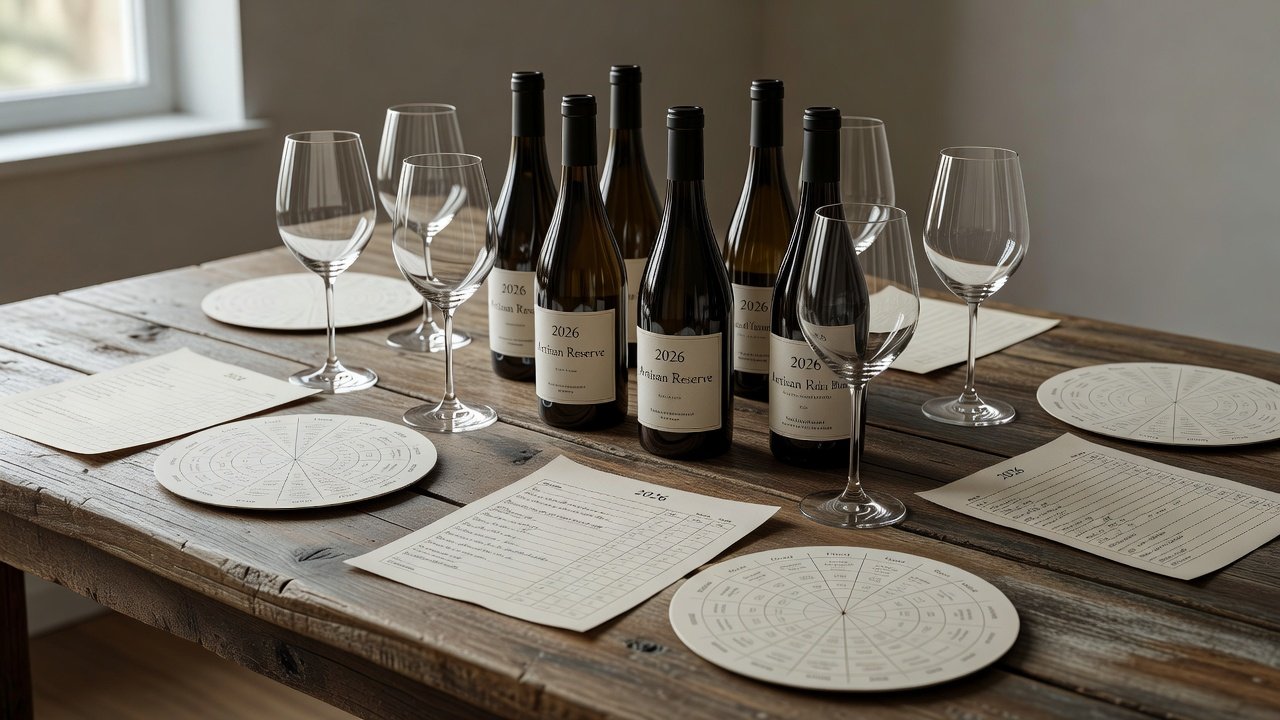
Use this detailed structure for each tasting and customize as needed:
- Wine details (vintage, producer, region, alcohol percentage, closure type)
- Appearance: Color hue and depth, clarity, viscosity on swirling, any sediment
- Aroma: Primary fruit and floral notes, secondary oak or fermentation influences, tertiary aged characteristics
- Palate: Sweetness level, acidity, tannin structure, body weight, alcohol warmth, finish duration and complexity
- Score and comments with calibration date, recent meal notes, and any deviations observed
Example entry: 2026 Ridge Vineyards Monte Bello, Appearance: Deep ruby, medium viscosity. Aroma: Blackcurrant, graphite, cedar. Palate: High acidity, firm tannins, long finish. Score: 94. Calibrated on 2026-11-05 after neutral breakfast.
FAQs on Tracking Progress and Pairing Drills
How do I track progress over a month? Log daily scores and descriptors in a dedicated journal or digital template. Review weekly for reduced variance in repeated tastings of the same bottle. After 30 days, compare notes on identical wines for measurable improvement in descriptor specificity and score stability. Include metrics like average variance reduction and new aroma identifications made.
Can I pair drills with food? Yes, integrate food once basic calibration is solid. Start with neutral foods like plain bread or crackers, then progress to complementary pairings such as 2026 Chardonnay with grilled chicken or herb-roasted vegetables. Note how food alters perceived acidity, sweetness, and tannin grip. For contrast drills, pair the same wine with mismatched foods like spicy Thai curry to observe suppression effects on fruit notes.
Resources like Wine Institute and Institute of Masters of Wine provide further reference frameworks and educational materials for enthusiasts advancing their skills.
Conclusion
Implementing these 2026 sensory calibration routines transforms sporadic tasting into a precise, repeatable skill set. Consistent daily practice yields reliable notes that enhance both professional reviews and personal enjoyment of the year's standout vintages. Start today with one core exercise such as the basic palate solutions and build progressively, incorporating aroma drills and food pairings as confidence grows. Within a month, you will notice tangible improvements in consistency and depth of your tasting observations.
No comments yet. Be the first!