 Uncorked Conversations
Introduction to Small-Batch Sensory Drills
In 2026, enthusiasts and professionals alike are turning to small-batch sensory drills to elevate their appreciation of limited-production wines. These focused exercises build precision in tasting notes while highlighting the unique terroir found in boutique bottles from emerging producers. By integrating daily routines with structured simulations, you can develop repeatable skills that enhance both personal enjoyment and professional engagement. Small-batch wines often feature nuanced profiles that demand attentive analysis, setting them apart from mass-market options through their emphasis on single-vineyard expressions and minimal intervention techniques.
This guide provides concrete steps to apply sensory techniques specifically tailored to these bottles, moving beyond generic advice into actionable frameworks. Readers will find detailed explanations of each drill, supported by real-world examples drawn from 2026 tastings. The goal is improved note precision that translates directly into more compelling reviews and deeper personal connections with the wines.
Daily Calibration Routines for Palate Precision
Begin each day with a 15-minute calibration session using three reference wines: one high-acid white, one tannic red, and one aromatic orange wine. Swirl, sniff, and sip systematically, noting pH impressions and mouthfeel textures. Repeat this sequence three times weekly to train consistency. Track progress in a dedicated journal, comparing entries over a 30-day period to identify improvements in descriptor accuracy. Incorporate variations such as tasting at different times of day to account for natural palate fluctuations caused by diet or stress.
Include neutral palate cleansers like unsalted crackers and still water between samples. This routine prevents cross-contamination of flavors and supports long-term sensory memory development. For advanced practitioners, add a fourth sample featuring a fortified wine to challenge detection of higher alcohol and residual sugar levels. Compare your notes against established benchmarks from reliable sources to refine accuracy further. Common mistakes include rushing the process or neglecting to reset the palate between sips, which can lead to skewed perceptions of acidity and tannin.
Practical tip: Perform calibrations in consistent lighting and temperature-controlled environments to minimize external variables. Over time, this builds muscle memory for recognizing subtle shifts in balance that define boutique expressions.
Blind-Tasting Simulations Tailored to Boutique Wines
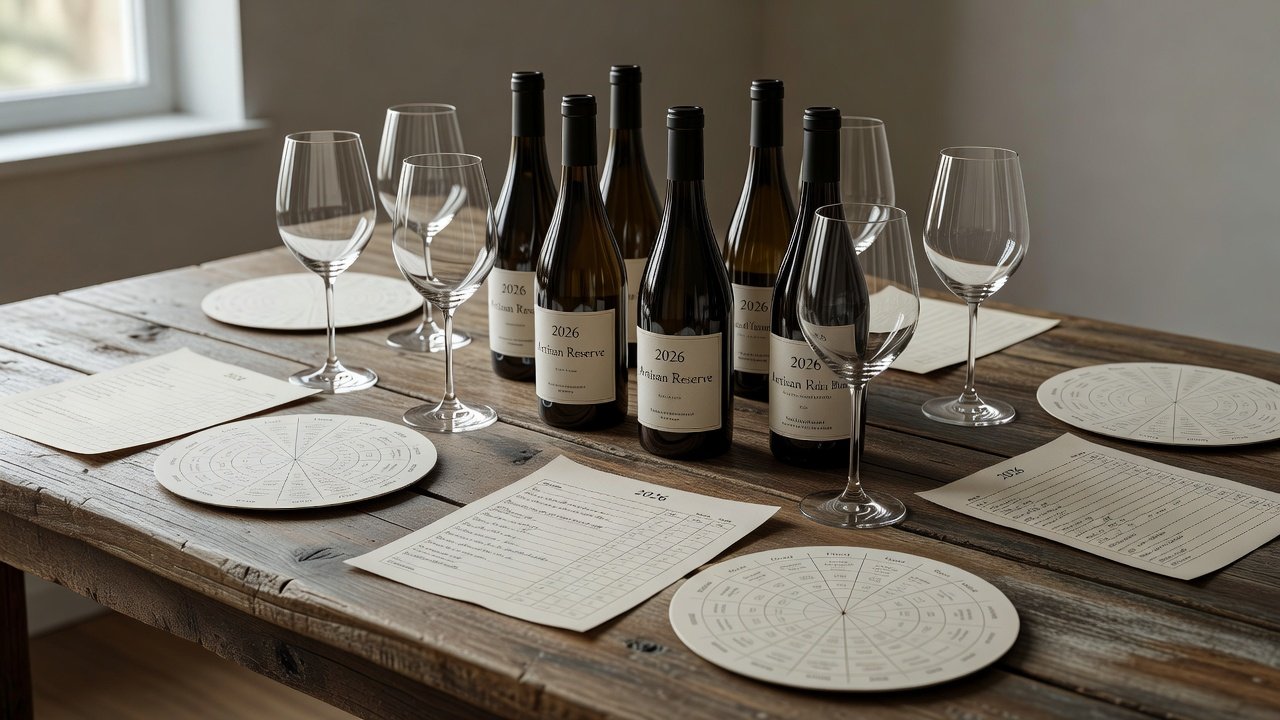
Conduct weekly blind-tasting sessions with four to six limited-production bottles. Cover labels and randomize order. Use a structured sheet to record appearance, nose, palate, and finish. Focus on emerging regions such as lesser-known Greek islands or Chilean coastal valleys to encounter distinctive soil-driven notes. These simulations replicate professional judging scenarios where preconceptions about producer reputation are removed.
Simulate real-world scenarios by varying temperatures and glassware types. For instance, taste the same wine in both a standard Bordeaux glass and a larger Burgundy bowl to observe how aeration affects aroma release. Document differences meticulously, noting how certain varietals like Nebbiolo reveal more floral elements only after sufficient oxygen exposure. Expand sessions to include mixed flights that contrast old-world and new-world small-batch examples, highlighting how terroir influences structure and fruit character.
To avoid palate fatigue in longer sessions, limit each flight to 45 minutes and alternate between red and white samples. Include one repeat wine disguised in a different position to test reproducibility of your scores and descriptors. This method reveals inconsistencies early and strengthens overall reliability.
Aroma-Mapping Techniques for Limited-Production Bottles
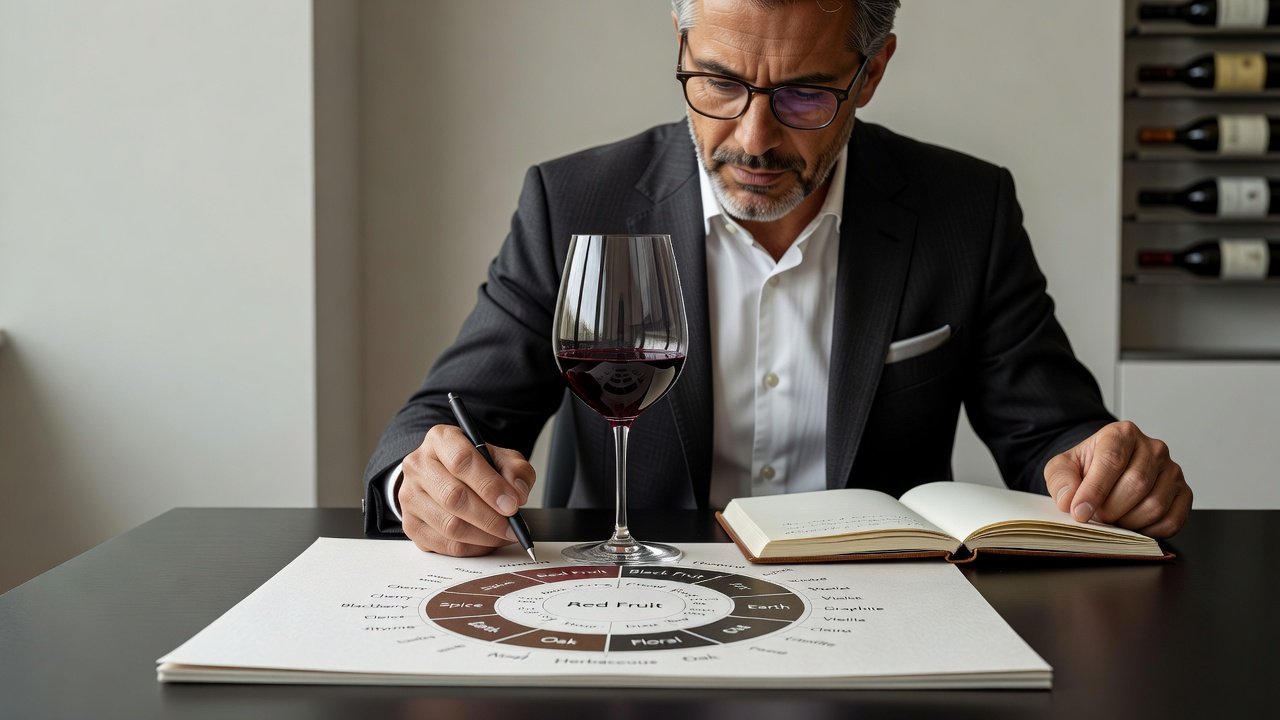
Aroma mapping involves creating visual diagrams that link detected scents to specific vineyard sites. Start by listing primary, secondary, and tertiary aromas on a circular chart. For boutique wines, emphasize terroir markers like volcanic minerality or limestone-driven salinity. Cross-reference with producer notes from Decanter to validate observations. This visual approach helps identify patterns across multiple vintages or producers from similar soil types.
Practice with flights from single-vineyard producers. Map how subtle shifts in elevation translate to variations in fruit expression and herbal complexity. For example, a high-elevation Syrah might map toward black pepper and graphite while a valley-floor counterpart leans into riper plum and earth. Layer in temporal elements by noting how aromas evolve over 30 minutes in the glass. This technique sharpens your ability to articulate unique characteristics in reviews and supports comparative analysis between bottles.
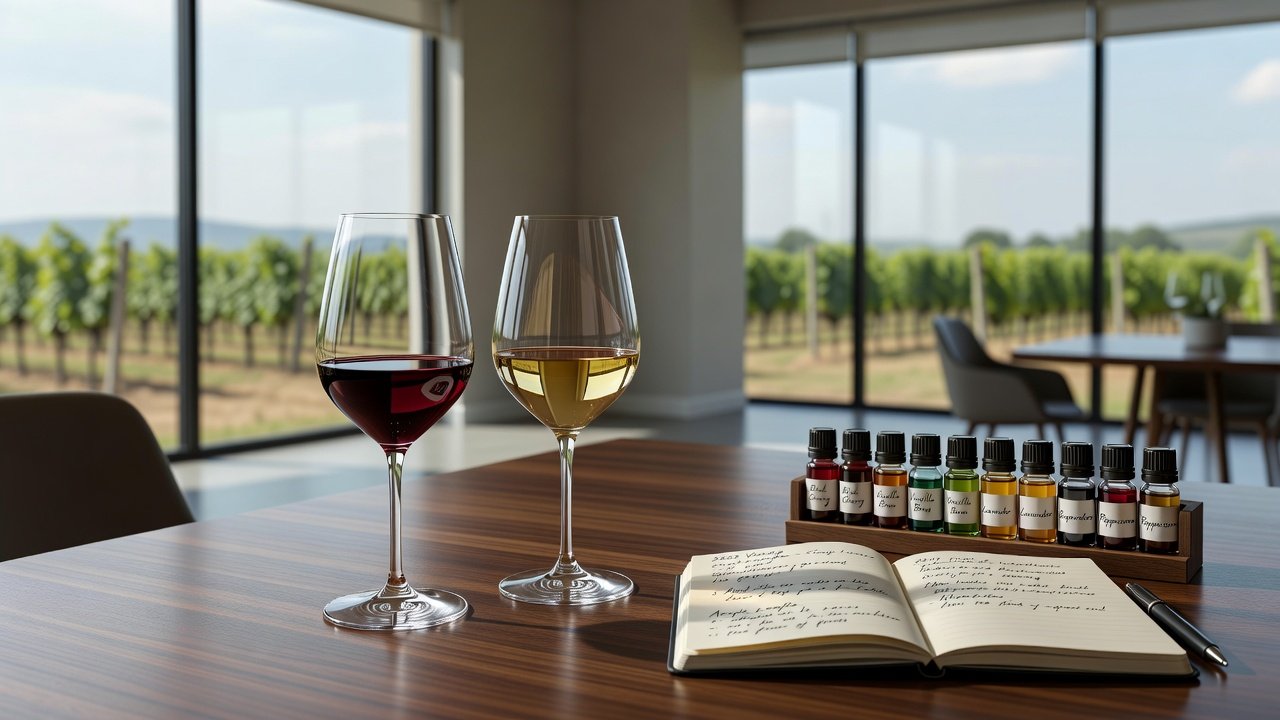
Additional depth comes from incorporating scent kits with isolated compounds to train recognition of specific molecules common in boutique wines, such as pyrazines in Cabernet Franc or thiols in Sauvignon Blanc from coastal sites.
Scoring Rubrics and Real 2026 Tasting Examples
Adopt a 100-point rubric adapted for small-batch contexts: allocate 20 points to appearance, 30 to aroma intensity and complexity, 35 to palate structure and balance, and 15 to finish and typicity. Adjust weights for sparkling or fortified styles as needed. Break each category into sub-scores for granularity, such as separating color intensity from clarity in the appearance section.
Consider a 2026 example from a small producer in Slovenia's Gorizia Hills: a Ribolla Gialla showed intense citrus zest and wet stone on the nose, earning 92 points for its vibrant acidity and lingering saline finish. Another from a micro-producer in Oregon's Willamette Valley yielded a Pinot Noir with forest floor and red cherry notes, scoring 94 due to exceptional tannin integration. A third example from a Greek island producer featured an Assyrtiko with pronounced lemon zest and sea spray, achieving 91 points for its linear acidity and mineral persistence that reflected the volcanic terroir.
Use these rubrics consistently across sessions to generate comparable data over time, enabling trend identification in your personal tasting evolution.
Pairing Notes Highlighting Unique Terroir
Pairings should amplify terroir rather than mask it. Match a volcanic-soil white with grilled octopus to echo smoky undertones. For clay-driven reds, try slow-roasted lamb with rosemary to complement earthy depth. Always test pairings in small quantities first, noting how food elements interact with wine structure. Consider regional cuisine matches, such as pairing a Portuguese small-batch Touriga Nacional with bacalhau to highlight native grape synergy.
Reference guidance from Wine Enthusiast for broader inspiration while customizing to your specific bottles. Experiment with unexpected contrasts like a high-acid white with spicy Thai dishes to see how residual sugar perception shifts. Document successful and unsuccessful pairings to build a personal database that informs future decisions.
Checklists for Building Personal Review Templates
- Prepare clean glasses and neutral lighting before each session.
- List 5-7 core descriptors in advance to guide focus without limiting discovery.
- Include sections for vintage conditions, producer background, and aging potential.
- End with a one-sentence summary capturing the wine's standout terroir trait.
- Review templates monthly to refine language and eliminate repetition.
- Add columns for food pairing suggestions and potential food conflicts.
- Incorporate a self-assessment score on note confidence to track skill growth.
FAQs on Avoiding Common Palate Fatigue
How often should I rest my palate? Schedule full rest days every fourth day and limit sessions to 90 minutes maximum to maintain sensitivity.
What causes fatigue during extended tastings? Overexposure to alcohol or strong aromatics; mitigate with frequent water rinses and short breaks every 20 minutes.
Can these drills improve professional writing? Yes, consistent practice leads to more precise and engaging tasting notes that resonate with readers seeking authentic insights.
How do I handle conflicting aromas in complex boutique wines? Note the dominant impression first, then layer secondary detections chronologically as the wine opens.
Additional resources are available at Jancis Robinson for advanced calibration methods and Wine Institute for regional terroir context.
Conclusion
Implementing these small-batch sensory drills transforms casual tasting into a disciplined practice. Through calibration, simulations, mapping, and structured scoring, you will achieve greater note precision and deeper connection to boutique wines' distinctive stories. Start today with one routine and build from there for lasting results that elevate both your palate and your written evaluations.
No comments yet. Be the first!