 Uncorked Conversations
Introduction to Palate Calibration in 2026
Intermediate wine tasters frequently encounter a plateau where their tasting notes become repetitive and scoring lacks the precision needed for standout reviews. In 2026, palate calibration drills offer a structured approach to overcome this by focusing on sensory training that enhances aroma recognition, texture analysis, and finish evaluation. These methods draw from proven concepts in sensory science and adapt them for modern wine enthusiasts aiming to elevate their descriptive skills. Regular practice leads to greater accuracy in identifying subtle flavor compounds, resulting in more engaging and reliable tasting notes that can improve overall review quality and personal scoring systems.
The benefits extend beyond personal enjoyment. Calibrated palates allow tasters to better appreciate regional differences and vintage variations, fostering a deeper connection with wines from around the world. This guide expands on daily routines, simulations, and tracking tools to help intermediate tasters achieve measurable progress through consistent effort.
Understanding the Science Behind Palate Calibration
Palate calibration relies on neuroplasticity, where repeated exposure strengthens neural pathways associated with smell and taste. By isolating specific sensory inputs, tasters train their brains to detect nuances that might otherwise go unnoticed. For example, distinguishing between various pyrazines in Cabernet Sauvignon versus bell pepper notes in Sauvignon Blanc requires targeted repetition. This process also accounts for individual variations in sensitivity, such as those influenced by genetics or prior exposure levels.
Incorporating these drills into a routine helps mitigate common issues like sensory fatigue or confirmation bias. Tasters learn to approach each wine objectively, building a foundation for consistent evaluations across different styles and price points.
Daily Exercises for Aroma Recognition
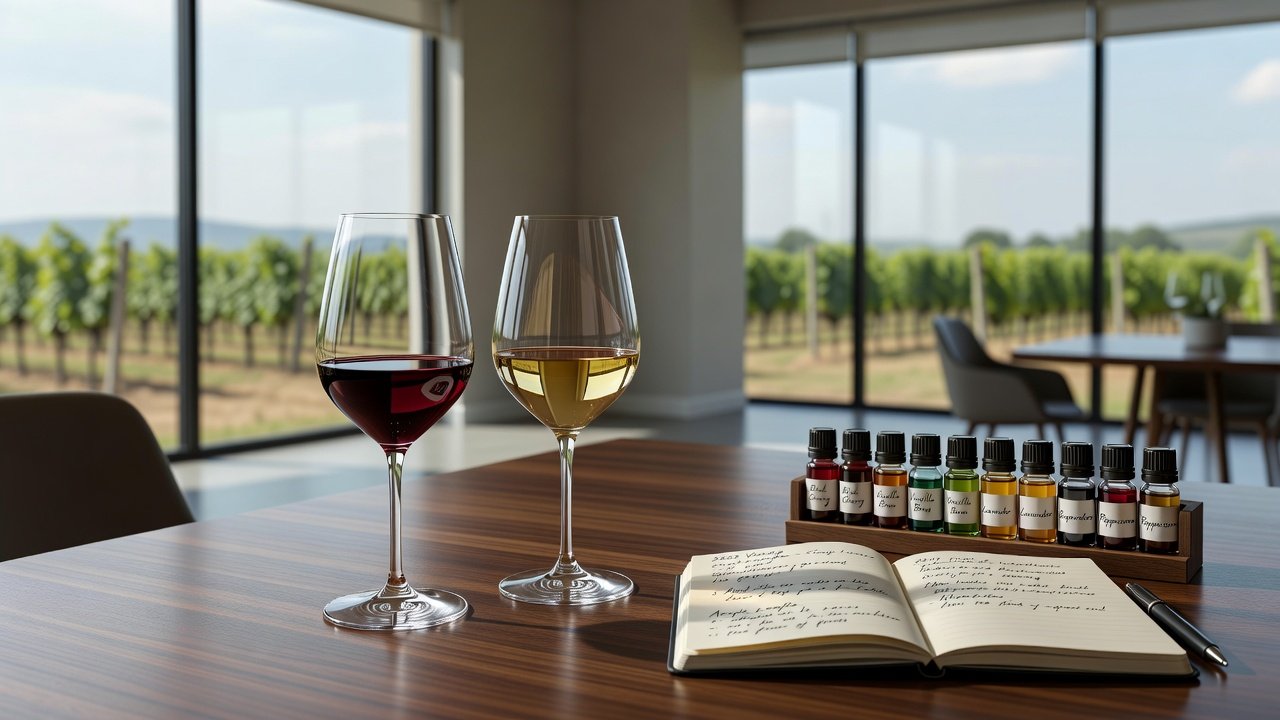
Aroma drills form the cornerstone of calibration. Begin by assembling a set of reference standards using food-grade compounds diluted in neutral alcohol. Focus on categories like fruit, floral, herbal, spice, and earth elements commonly found in wines.
- Select 12 vials covering primary aromas such as lemon zest, blackcurrant, rose petal, black pepper, and wet stone.
- Conduct morning sessions where each vial is sniffed for 8-10 seconds with eyes closed, followed by immediate written descriptors.
- Advance to blended references that mimic real wine profiles, like combining vanilla and coconut for oak-influenced Chardonnays.
- Rotate the set weekly to include tertiary aromas such as leather or tobacco from aged wines.
Document hit rates in a log to track accuracy improvements. Over time, this builds an expansive mental library that translates directly into richer tasting notes.
Texture Analysis and Mouthfeel Drills
Texture evaluation requires focused attention on physical sensations in the mouth. Practice involves selecting wines with contrasting structures and analyzing elements like body, tannin quality, acidity, and residual sugar.
Start with a flight of three wines: a crisp Sauvignon Blanc for acidity, a medium-bodied Merlot for soft tannins, and a robust Syrah for grip. Swirl each sample, note the viscosity on the palate, and assess how tannins evolve from initial attack to mid-palate. Repeat this drill daily, varying temperatures slightly to observe impacts on mouthfeel perception. Compare notes across sessions to identify personal sensitivity patterns.
Advanced Texture Variations
Expand drills by including sparkling wines to practice effervescence effects and fortified styles for alcohol warmth. This variety prevents adaptation and sharpens the ability to describe mouth-coating qualities accurately.
Finish Evaluation Techniques
The finish provides critical data on wine complexity and balance. Time the persistence of flavors post-swallow and categorize their evolution, noting any shifts from fruit to mineral or spice elements.
Use a stopwatch during sessions and record durations in seconds. For instance, a high-quality aged Barolo might deliver a 60-second finish with layers of dried cherry and tar. Pair finish drills with aroma recall to create holistic assessments that enhance scoring reliability.
Blind Tasting Simulations
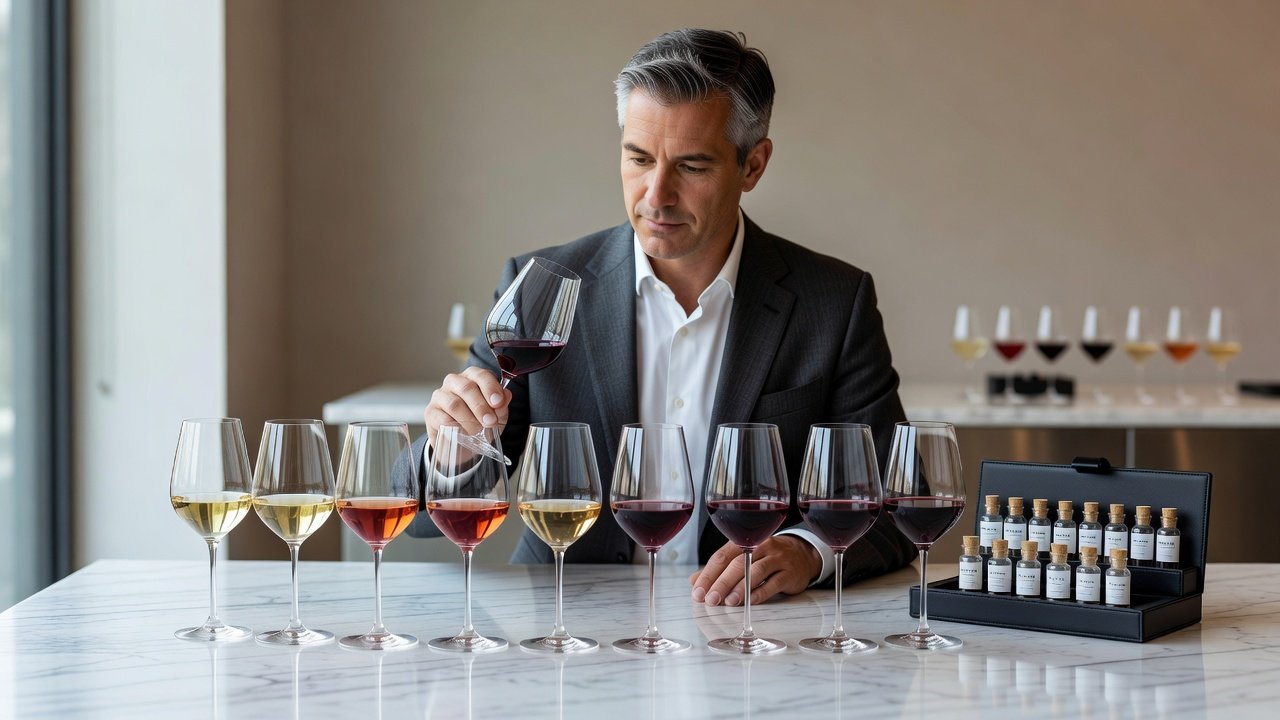
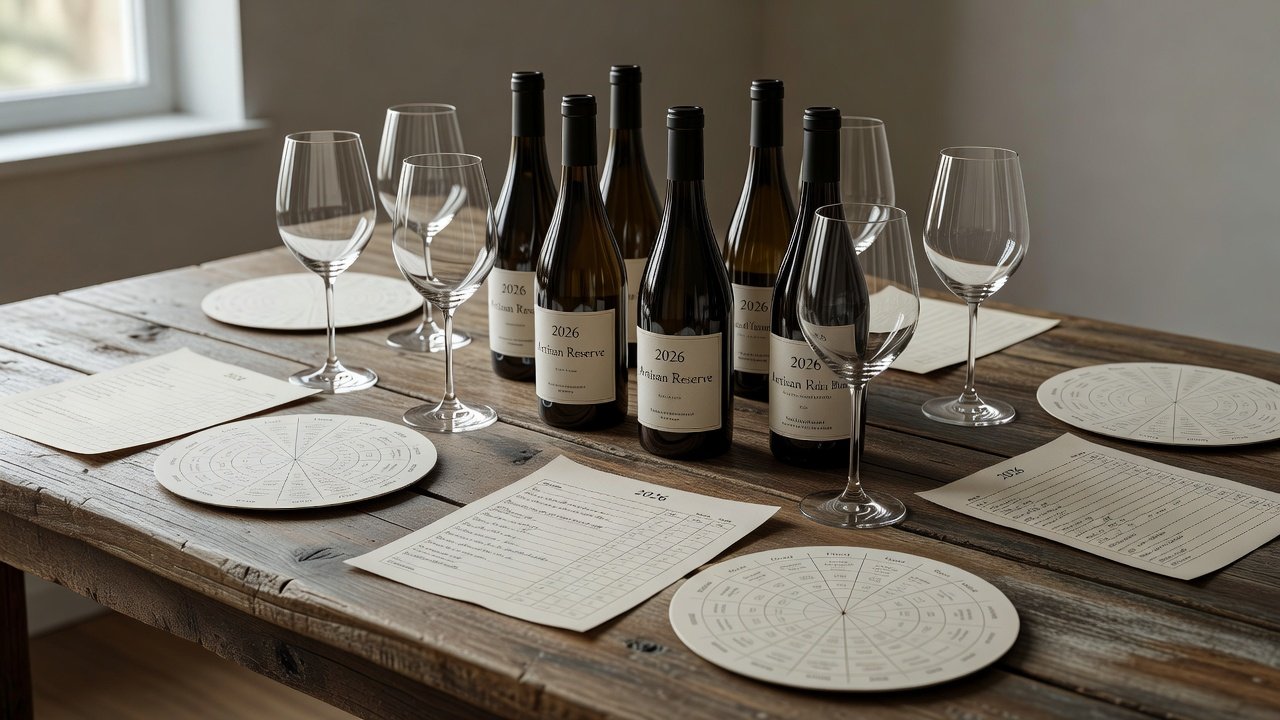
Blind tastings remove visual and label biases, forcing reliance on calibrated senses. Set up sessions with four to eight wines, using opaque bags or covers on bottles. Dedicate 15 minutes per wine for detailed note-taking before revealing identities.
Include mixed flights featuring both Old World and New World examples to test adaptability. After scoring, compare your descriptors against professional reviews for calibration feedback.
Progress Tracking Templates
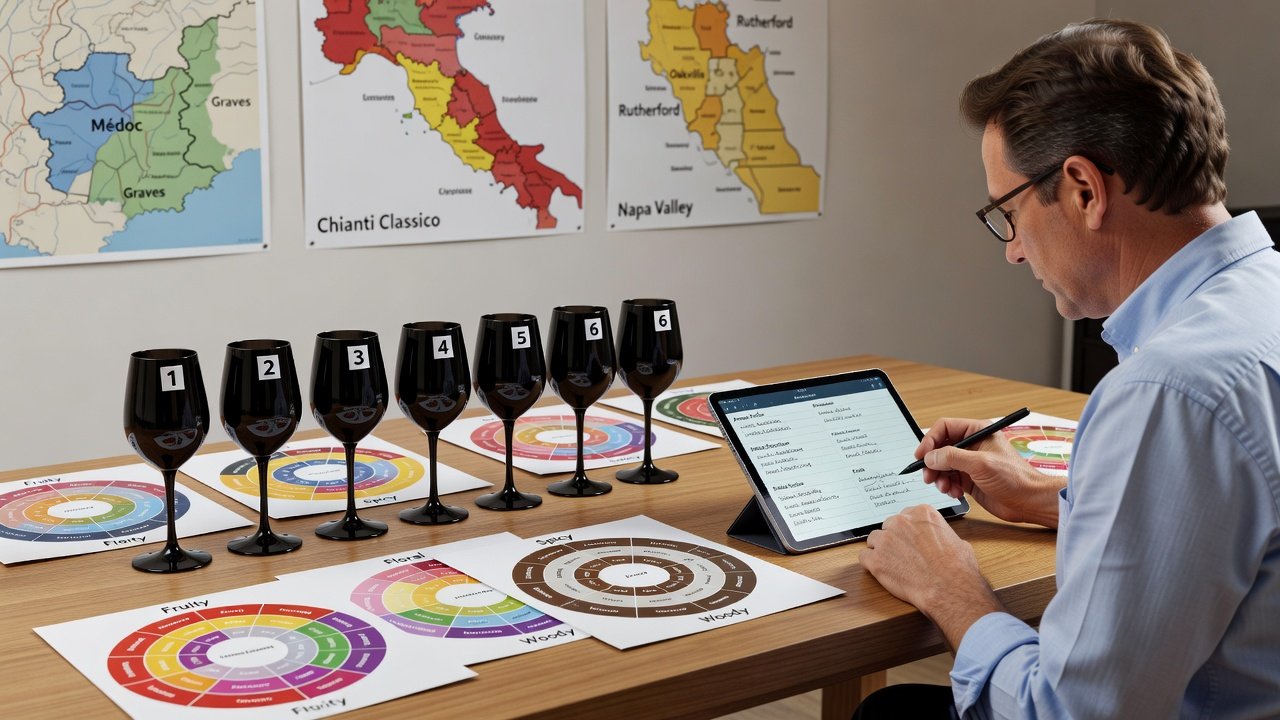
Effective tracking involves a standardized template with fields for date, wine origin, vintage, initial impressions, refined descriptors after drills, and final score on a 100-point scale. Review entries monthly to quantify improvements, such as increased use of specific terms or higher consistency in scores.
Digital tools like spreadsheets allow sorting by varietal or region, revealing targeted areas for further practice.
Before-and-After Note Examples
Before: "Fruity with good acidity." After: "Vibrant raspberry and red currant aromas layered with crushed violet and subtle graphite, medium-plus acidity that cuts through ripe tannins leading to a 40-second finish of lingering spice." Another example: Before "Sweet and oaky." After: "Toasted hazelnut and vanilla bean from new French oak, balanced by fresh peach and honeysuckle, with a creamy texture and extended mineral finish."
Regional Wine Pairings for Practice
Enhance drills with targeted regional selections. Practice with Burgundy Pinot Noirs to refine earth and red fruit notes, or Loire Valley Chenin Blanc for acidity and texture focus. Consult resources from WSET for in-depth regional breakdowns. Additional pairings include Napa Valley Cabernet for tannin structure and Marlborough Sauvignon Blanc for herbaceous aromas. These selections provide diverse sensory challenges that reinforce calibration across styles.
Tips for Translating Drills into Higher Review Scores
Integrate precise language from drills into reviews by emphasizing unique attributes and quantifiable elements like finish length. Avoid vague terms and instead highlight specific compounds or sensations. Reference frameworks from Masters of Wine to align personal systems with industry standards. Consistent application often results in more authoritative and engaging content that resonates with readers.
Further, cross-reference your notes with those from Wine Institute educational materials to validate progress and identify remaining gaps.
Step-by-Step 7-Day Challenge
- Day 1: Focus on 10 aroma vials, logging accuracy rates and repeating missed identifications.
- Day 2: Analyze texture in a three-wine flight, noting viscosity and tannin evolution with detailed descriptors.
- Day 3: Time finishes across samples, comparing short versus extended examples from different regions.
- Day 4: Set up a blind duo tasting, scoring each before discussion of results.
- Day 5: Pair drills with two regional wines, such as Italian and Spanish examples, to explore cultural nuances.
- Day 6: Conduct a full blind flight of six wines, incorporating all prior elements into comprehensive notes.
- Day 7: Compile logs, calculate average score improvements, and refine your personal rubric based on observed patterns.
Repeat the challenge monthly with new wine selections to sustain momentum.
FAQ on Common Palate Pitfalls
How do I avoid aroma fatigue during extended sessions? Limit focused sniffing to 20-minute blocks and use neutral crackers or water rinses between sets. Schedule sessions in the morning when senses are sharpest.
What causes inconsistent scoring across similar wines? Factors include serving temperature fluctuations or emotional state. Standardize conditions and take brief breaks to reset.
Are these drills suitable for all wine types including natural wines? Yes, adapt references to include funky or oxidative notes common in natural styles for broader applicability.
How long until noticeable improvements appear? Most intermediate tasters report enhanced descriptor variety within two to three weeks of daily practice.
Can group settings enhance calibration? Collaborative blind tastings provide external validation and expose tasters to diverse perspectives that refine individual approaches.
Conclusion
Through dedicated implementation of these palate calibration drills, intermediate tasters can achieve significant gains in sensory precision and review quality. The combination of daily exercises, structured challenges, and ongoing tracking creates a sustainable path to elevated wine appreciation and more impactful scoring. Consistent application transforms routine tastings into opportunities for professional growth and deeper enjoyment.
No comments yet. Be the first!