 Uncorked Conversations
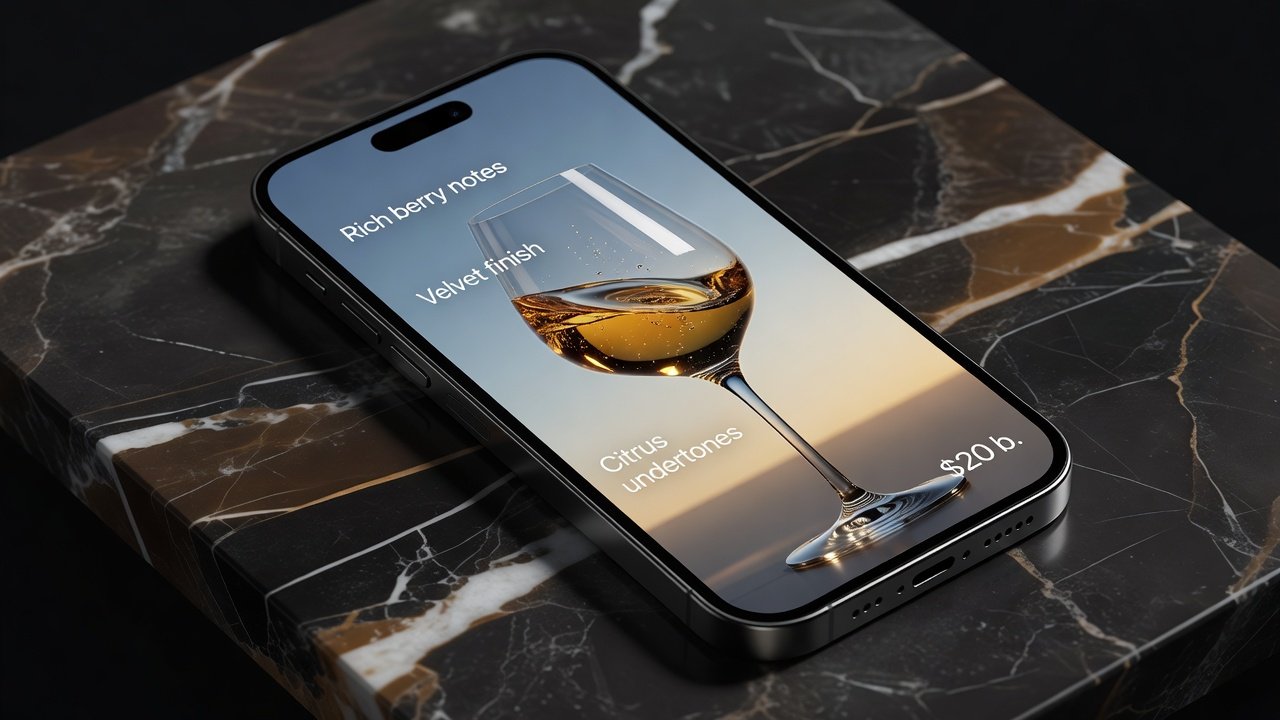
Introduction to Viral TikTok Wine Content in 2026
Creating TikTok content around wine tasting notes requires blending sensory detail with short-form video techniques that capture attention instantly. In 2026, successful creators focus on rapid hooks, precise scoring, and regional comparisons to turn casual viewers into engaged followers. This approach leverages the platform's algorithm while delivering authentic wine education that stands out in a crowded niche. Wine enthusiasts increasingly turn to short-form video for quick, relatable reviews rather than long-form articles, making it essential to understand how visual storytelling, precise language, and interactive elements combine to drive shares and comments. The most viral videos balance education with entertainment, using tasting descriptors that feel both professional and accessible to beginners and connoisseurs alike.
Crafting Hooks Under Three Seconds
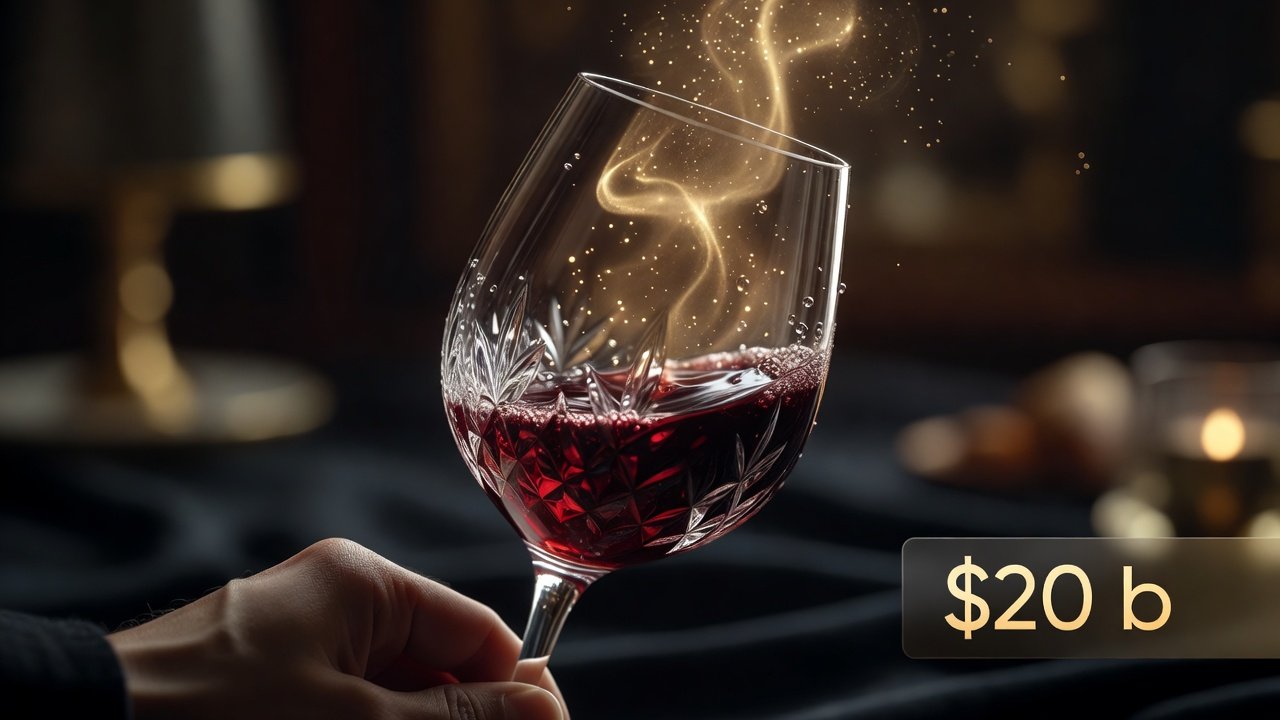
Every successful TikTok wine video starts with a hook that stops the scroll. Effective scripts include phrases like "This $20 bottle scored 94 points—here's why" or "You won't believe the aroma on this 2025 vintage." Practice delivering the hook within the first 1.5 seconds while holding the glass up to the camera. Pair the line with a quick visual of swirling wine or a score reveal overlay to maximize retention. Expand this by testing variations such as question hooks like "Is this the best value Cabernet of 2026?" or statement hooks that tease surprising flavor profiles. Record multiple takes of the same hook and review analytics to see which version retains viewers past the three-second mark. Real-world examples show that hooks mentioning specific scores or unexpected tasting notes like "blackcurrant with a hint of graphite" perform particularly well in the wine niche.
Integrating Trending Audio and Visual Aroma Close-Ups
Trending audio tracks amplify reach when matched to wine themes such as upbeat jazz remixes or satisfying ASMR pours. Layer these with close-up shots of swirling glasses and slow-motion aroma captures using phone macro lenses. These visuals help viewers imagine the bouquet, increasing comment engagement as audiences describe their own tasting experiences. To elevate this further, experiment with lighting setups that highlight wine color variations and use editing apps to add subtle particle effects representing aromas. Combine trending sounds with original voiceovers that describe the nose in detail, creating a multisensory experience. Successful creators often sync the audio drop with the moment the glass is lifted for a sip, creating a satisfying rhythm that encourages rewatches.
Optimizing Caption Templates for Comments
Strong captions encourage interaction. Use templates like: "Score this wine 1-100 in the comments! Tasting notes: [list 3-4 descriptors]. Which region should I review next?" Include calls to action such as "Tag a friend who needs to try this" and relevant questions about preferred styles to spark threaded replies. Customize these templates by wine type—for instance, reds might prompt discussions on tannins while whites focus on acidity levels. Test emoji usage and line breaks to improve readability on mobile screens. The goal is to turn passive viewers into active participants who feel invested in your tasting journey.
Turning One Tasting Session into a 5-Part Series
Maximize a single bottle by breaking it into multiple videos. Part 1: Unboxing and first impressions with initial color and clarity observations. Part 2: Aroma close-ups with scent descriptors and comparisons to familiar smells. Part 3: Palate breakdown and score reveal using a consistent 100-point scale. Part 4: Regional comparison with a similar wine from another area, highlighting differences in terroir. Part 5: Food pairing suggestions and final verdict with viewer challenges. This series format keeps viewers returning for the full story while the algorithm favors consistent posting. Document the entire process in one sitting to maintain continuity in lighting and mood across clips. Creators who follow this structure often see cumulative view counts multiply as each part references the previous one.
Advanced Scoring Systems and Regional Comparisons
Develop a personal scoring rubric that includes appearance, nose, palate, and finish categories. Share this rubric in a dedicated video so followers understand your methodology. For regional comparisons, select wines from Bordeaux versus Napa Valley or Tuscany versus Oregon to illustrate how climate and soil influence flavor. Provide side-by-side tasting notes and scores, encouraging viewers to guess which wine will win before revealing results. This interactive element boosts comment volume significantly.
Algorithm Tips Specific to Wine Niches
Wine content performs best when posted during peak evening hours and when using a mix of trending and niche hashtags. Post 3-5 times weekly and analyze completion rates to refine pacing. Focus on evergreen topics like beginner-friendly scores alongside timely seasonal releases to maintain momentum. Monitor duet and stitch features to see how other creators engage with your content, then optimize future videos to invite more collaborations.
Hashtag Strategies and Analytics Tracking
Combine broad tags such as #WineTok with specific ones like #2026VintageReview and #TastingNotes. Track performance through TikTok Analytics, monitoring metrics including average watch time, share rate, and follower growth from each series. Adjust based on which videos drive the highest comment volume. Dive deeper by segmenting data by audience demographics to tailor future content toward the most engaged age groups or regions.
Converting Viewers into Loyal Followers
End every video with a clear next step, such as "Follow for part two tomorrow." Create pinned comment threads that link the full series and encourage profile visits. Consistent branding with a signature tasting score graphic helps viewers recognize your content across the For You Page. Offer exclusive behind-the-scenes content or live tasting sessions to subscribers as additional incentives for following.
FAQ: Common Pitfalls and Solutions
How do I avoid low retention on tasting videos?
Keep videos under 45 seconds initially and front-load the most surprising tasting note. Test different hook variations to identify what resonates with your audience. Review drop-off points in analytics to pinpoint exactly where viewers lose interest.
What if my scores spark negative comments?
Frame scores as personal opinions and invite respectful discussion. Moderate comments to maintain a positive community while learning from constructive feedback. Respond thoughtfully to top comments to model positive engagement.
How can I measure real growth beyond views?
Monitor follower conversion rates and save counts in TikTok Analytics. High save numbers often predict long-term loyalty for wine enthusiasts seeking reference material. Set monthly goals for engagement rates rather than raw view counts.
What legal considerations apply to wine reviews on TikTok?
Always disclose any sponsorships or free products received. Follow platform guidelines on alcohol content and age restrictions to avoid content removal. Check local regulations regarding alcohol promotion in your region.
By applying these tactics consistently, creators can build a thriving wine review channel that educates and entertains while growing a dedicated community. Explore additional resources at TikTok's official creator hub, Wine Magazine, and TikTok support pages for deeper industry context.
No comments yet. Be the first!