 Uncorked Conversations
Introduction to 2026 YouTube Wine Reviews
Creating compelling wine review content on YouTube in 2026 requires blending sensory descriptions with visual storytelling. Creators who transform tasting notes into engaging videos can build loyal audiences by revealing scores, answering viewer questions, and optimizing for search. This approach turns subjective wine experiences into shareable, educational content that drives retention and growth. With wine enthusiasts increasingly turning to video platforms for recommendations, channels focused on video tasting notes and scores have a unique opportunity to stand out by combining education, entertainment, and authenticity. The key lies in structuring videos that feel personal yet professional, helping viewers learn while staying entertained through the entire runtime.
Developing Your Channel Concept Around Wine Tasting Notes
Start by defining your niche within wine reviews. Focus on specific regions, varietals, or price ranges to stand out. Successful channels emphasize aroma profiles, flavor evolution, and score reveals that keep viewers watching until the end. Incorporate viewer-submitted questions about pairings or vintages to boost interactivity and algorithm favor. For instance, a channel might specialize in California Cabernet Sauvignon reviews, detailing how soil influences tasting notes like blackcurrant or cedar. Another approach could involve budget-friendly options under various price points, making vino reviews accessible. Consider seasonal themes, such as holiday wines or vintage comparisons from the same producer across decades. This focused concept helps attract a dedicated subscriber base interested in deep dives rather than generic overviews.
Script Structures for Higher Retention
Effective scripts follow a proven flow: open with a hook about the wine's origin or unexpected tasting note, then detail aromas and palate impressions, build tension before the score reveal, and close with viewer questions or calls to action. For example, describe "notes of black cherry and graphite" vividly while cutting to close-ups. This structure maintains engagement while naturally incorporating keywords like wine tasting and vino reviews. A sample 8-minute script might allocate 45 seconds to the hook, 2 minutes to appearance and aromas with sensory language, 3 minutes to palate evolution and comparisons, 90 seconds for the score reveal with justification, and the remainder for Q&A or next video teasers. Include transitions like "But here's where it gets interesting" to maintain momentum. Test scripts by reading aloud to ensure natural flow, and always end segments with questions such as "What wine should I review next?" to encourage comments and longer watch times.
Filming Techniques for Wine Color and Flavor Highlights
Lighting is critical for showcasing wine color accurately. Use soft, diffused LED panels positioned at 45-degree angles to avoid glare on the glass while highlighting hues from ruby to garnet. Edit sequences to sync flavor descriptions with slow-motion pours or swirling shots for dynamic visuals. Set up a dedicated filming area with a consistent background, perhaps a wooden table with subtle wine-themed props like corks or decanters. For color accuracy, film in natural daylight supplemented by adjustable temperature lights to capture true tones without distortion. When highlighting flavors, use macro lenses for droplet close-ups or split-screen comparisons between nose and palate notes. Post-production involves color grading to enhance vibrancy and adding subtle sound effects for pouring to immerse viewers. 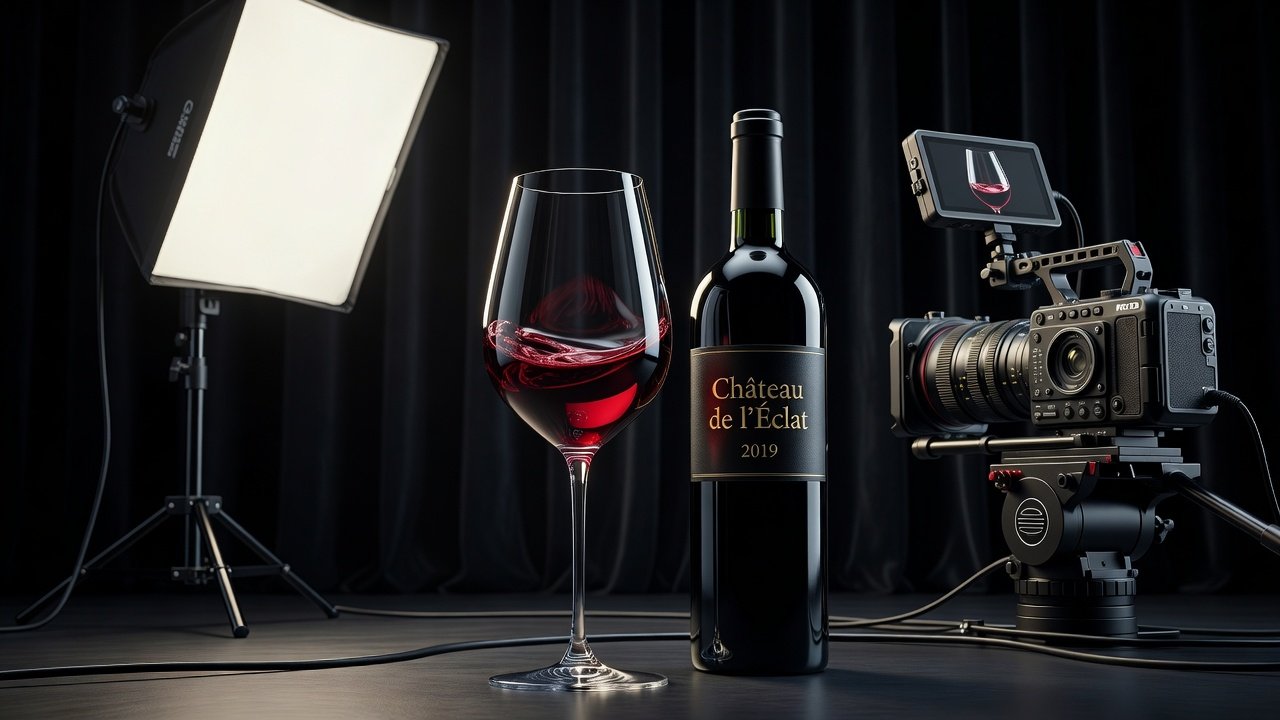
Thumbnail Formulas Using Target Keywords
Design thumbnails with bold text overlays like "2026 Wine Review: 94 Points?" alongside a clear glass image. Use high-contrast colors and the wine label for instant recognition. Test variations featuring aroma icons or score graphics to improve click-through rates on searches for video tasting notes. Effective formulas include the wine bottle centered with the score in large font at the top, your surprised or enthusiastic facial expression on the side, and keywords like "Tasting Notes Revealed" at the bottom. Experiment with before-and-after color shifts or question marks to spark curiosity. Tools like Canva or Photoshop allow quick iterations, and A/B testing through YouTube's thumbnail options helps determine what resonates most with your audience for higher impressions.
SEO Optimization with Wine Tasting and Vino Reviews Tags
Optimize titles, descriptions, and tags with terms such as "wine tasting," "vino reviews," and "YouTube wine scores." Include timestamps in descriptions for easy navigation and link to authoritative resources like the YouTube Help Center for best practices. Research long-tail keywords around specific varietals to capture 2026 search trends. Compile a tag list including primary terms like wine tasting notes, video wine review, sommelier score, aroma profile, and secondary ones such as best red wines 2026, blind tasting tips, and wine pairing ideas. Descriptions should be 200-300 words, starting with a keyword-rich sentence, incorporating timestamps, and ending with links and calls to subscribe. Use YouTube's search suggest feature to discover emerging phrases, and update older videos with new tags as trends evolve.
Collaboration Ideas with Sommeliers
Partner with certified sommeliers for guest appearances that lend credibility. Co-host blind tastings or regional deep-dives to cross-promote audiences. These collaborations enhance content depth and provide fresh perspectives on scores and tasting notes. Reach out via professional networks or platforms like LinkedIn, offering value such as shared revenue or exposure. Examples include joint videos on underrated regions or comparing traditional versus natural winemaking methods. Prepare joint scripts in advance, divide roles like one handling aromas and the other scores, and promote across both channels for mutual growth. Such partnerships often lead to higher engagement as viewers appreciate expert validation.
Analytics Tips to Track Formats and Shares
Monitor YouTube Analytics for watch time on score reveal segments versus aroma descriptions. Identify top-performing formats by comparing audience retention graphs and shares. Adjust future videos based on data showing which elements drive the most comments and saves, refining your approach for sustained growth. Track metrics like average view duration, traffic sources from search versus suggested videos, and engagement rates including likes, comments, and shares. Use the "Audience" tab to see demographics and peak viewing times. For deeper insights, export data to tools like Google Sheets for trend analysis. Case examples show that videos with interactive Q&A segments often achieve 20-30% higher retention, guiding creators to prioritize those formats.
Common Mistakes to Avoid in Wine Review Videos
Many new creators overlook consistency in lighting or editing, leading to unprofessional results. Avoid rushing score reveals without building context, or using overly technical jargon without explanations. Another pitfall is neglecting mobile optimization, as many viewers watch on phones. Always caption videos for accessibility and include subtitles for aroma descriptions. Finally, do not ignore copyright when featuring music or labels—opt for royalty-free options instead.
Conclusion
By mastering scripts, filming, thumbnails, SEO, and collaborations, creators can establish authoritative 2026 YouTube wine review channels. Consistent application of these strategies turns tasting notes and scores into content that resonates and ranks. Start small with one focused video series, analyze results, and iterate to build a sustainable channel that educates and entertains wine lovers worldwide.
No comments yet. Be the first!