 Uncorked Conversations
Introduction to Wine Serving Etiquette
Wine serving etiquette forms the foundation of memorable dining experiences, whether at home or in upscale restaurants. In 2026, professional sommeliers continue to emphasize precision, respect, and guest comfort above all else. This comprehensive guide delivers in-depth advice drawn from real-world restaurant scenarios to help beginners and hosts alike elevate their skills. Proper etiquette ensures that every guest feels welcomed and that the wine itself is showcased at its best, enhancing both flavor and conversation throughout the evening.
Understanding the nuances of service goes beyond basic rules; it involves anticipating needs, maintaining a calm presence, and adapting to the setting. Whether you are hosting a small gathering or managing a large event, these principles create an atmosphere of sophistication without intimidation.
Understanding Guest-First Service Sequences
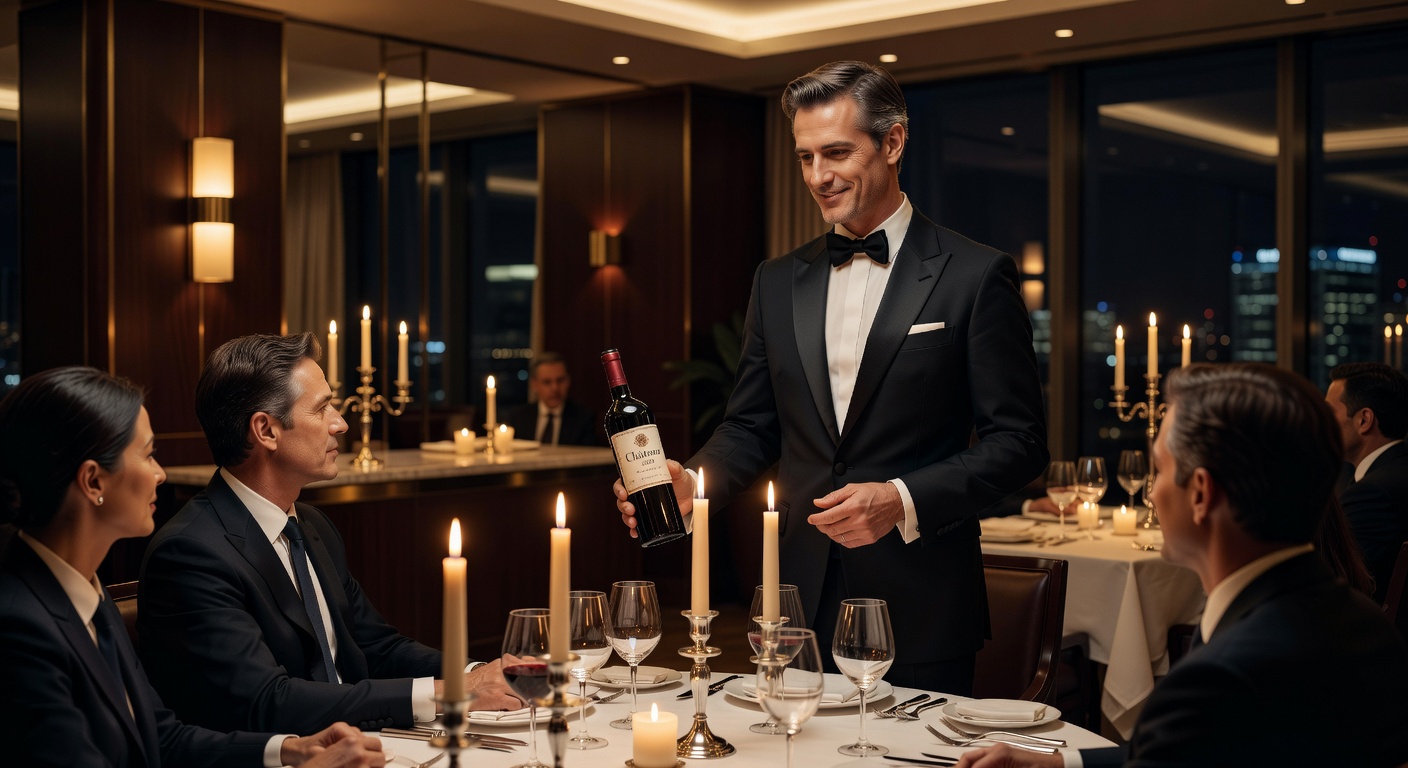
Professional service always begins with the guest. Approach the table from the right side of each person and present the bottle label forward for approval. After opening, pour a small tasting portion for the host before serving others. This sequence ensures everyone feels valued and allows for immediate feedback on the wine's condition. In practice, sommeliers often scan the table dynamics first, identifying the host or guest of honor to set the tone for the entire service.
Real-World Restaurant Example
At a busy fine-dining spot in Napa Valley, a sommelier recently handled a large party by confirming dietary preferences first, then sequencing pours starting with the guest of honor. The result was seamless service that impressed the entire table. Another example involves corporate events where timing becomes critical; service must align with speeches or presentations without disrupting flow.
Additional considerations include confirming any allergies or preferences before the first pour and using subtle nods or eye contact to acknowledge requests. This level of attentiveness builds trust and elevates the overall experience.
Proper Pouring Angles and Techniques
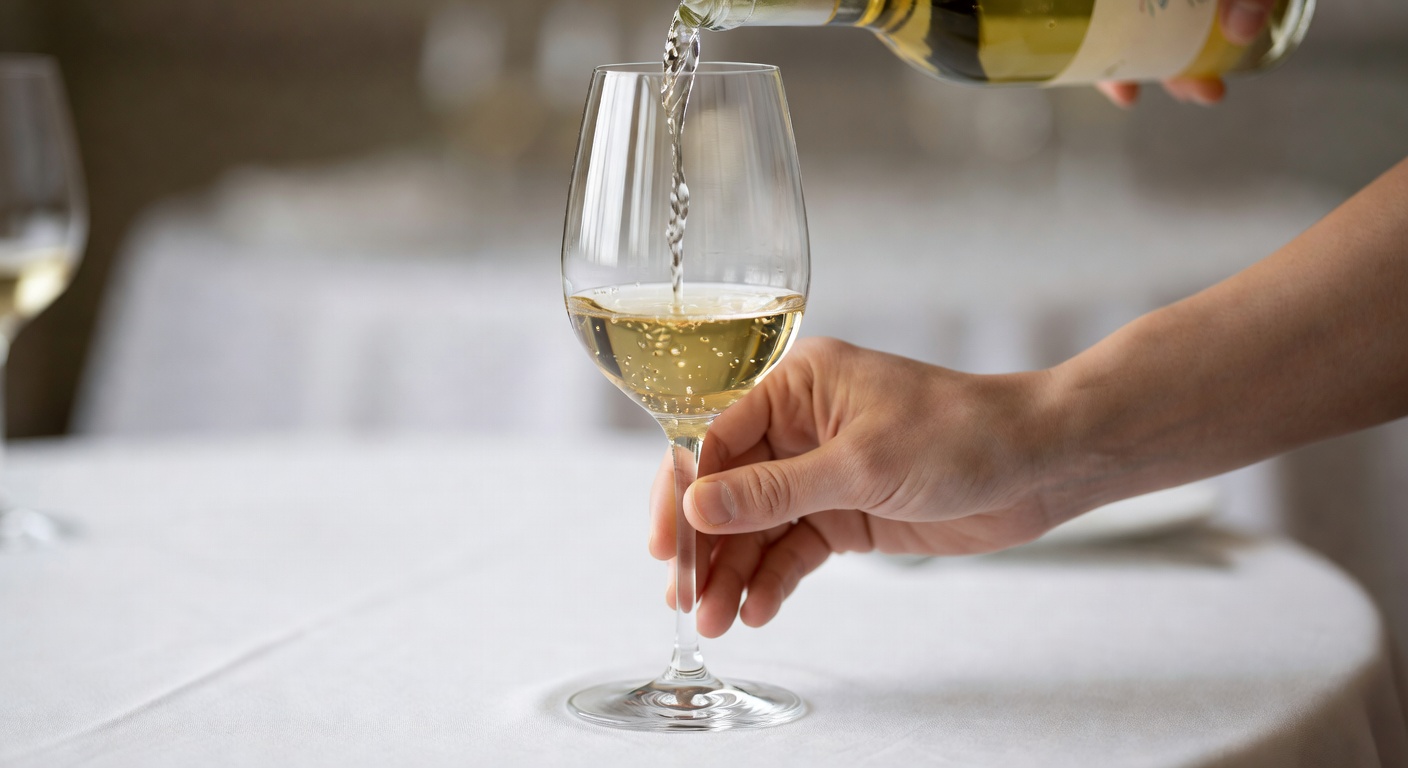
Hold the bottle at a 45-degree angle when pouring to control flow and prevent drips. Never fill glasses more than one-third to one-half full, allowing room for aromas to develop. Twist the wrist slightly at the end of each pour to catch the last drop on the bottle lip. For sparkling wines, tilt the glass at a similar angle and pour slowly along the side to preserve bubbles. These techniques minimize waste and maximize visual appeal.
Advanced practitioners also account for bottle shape; Burgundy bottles require a slightly different grip than Bordeaux styles due to their wider bases. Practicing with various bottle weights helps develop muscle memory for consistent pours across different vintages.
Glass Handling to Avoid Fingerprints
Always grasp wine glasses by the stem or base rather than the bowl. This prevents smudges that obscure clarity and keeps the wine at the ideal temperature. In casual settings, the same rule applies to maintain professionalism even during relaxed gatherings. When clearing glasses, stack them carefully by holding multiple stems between fingers to avoid clinking or breakage.
Proper handling also extends to polishing: use lint-free cloths and steam from hot water to achieve crystal-clear results before service begins. This attention to detail signals care and expertise to guests.
Common Faux Pas at Dinner Parties
- Pouring without first showing the label to guests, which can seem dismissive.
- Overfilling glasses, which limits swirling and aroma appreciation while risking spills.
- Reaching across the table instead of moving to each guest individually, creating awkward moments.
- Ignoring temperature guidelines, such as serving reds too warm or whites too cold, diminishing the wine's character.
- Failing to offer water alongside wine or neglecting to clear empty bottles promptly.
Recognizing these pitfalls allows hosts to correct course mid-service and turn potential mistakes into learning opportunities for future events.
Step-by-Step Etiquette Checklist
- Inspect the bottle for sediment or damage before presenting it to the table.
- Use a clean white napkin when handling bottles to catch drips and maintain hygiene.
- Confirm the wine temperature matches the style (45-55°F for whites, 60-68°F for reds).
- Pour in a clockwise direction around the table for consistency.
- Offer to top up glasses midway through the meal without interrupting conversation.
- Decant older reds if necessary, explaining the process briefly to interested guests.
- Monitor consumption levels discreetly to avoid over-serving anyone.
Casual vs Formal Settings Comparison
In casual home dinners, etiquette remains important but allows flexibility—guests may pour their own after the initial service. Formal events demand stricter adherence: decanting older vintages, using specific glassware for each varietal, and timing pours between courses. The key difference lies in pace and presentation; casual settings prioritize enjoyment while formal ones highlight theater and precision.
For instance, a backyard barbecue might feature self-service stations with pre-opened bottles, whereas a gala dinner requires synchronized service across multiple tables. Adapting these approaches ensures appropriateness without rigidity. Resources from organizations like the Wine & Spirit Education Trust provide further frameworks for both environments.
Practical Tips for Hosts and Beginners
Practice pouring with water first to master angles and build confidence under pressure. Invest in quality stemware that feels balanced in hand and suits multiple wine styles. Observe professional service at local restaurants to internalize timing and guest interactions. These habits build confidence quickly. Additionally, prepare backup bottles in case of cork issues and keep a small toolkit with corkscrews and stoppers handy.
Another useful strategy involves pairing service with storytelling; briefly mention the winery or vintage when pouring to engage guests without overwhelming them. This adds educational value while respecting the flow of the meal.
Handling Special Situations and Timing
Timing plays a crucial role in etiquette. Serve whites and rosés before heavier reds, and always allow breathing time for young tannic wines. If a guest arrives late, resume service at their place without drawing attention. For spills, respond calmly with absorbent cloths and offer a replacement glass immediately.
Portion awareness prevents waste; a standard 750ml bottle yields approximately five to six proper servings. Adjust based on group size and meal length to maintain balance throughout the evening.
Short FAQ Section
When should wine be poured during a multi-course meal?
Pour just before the corresponding course begins, allowing 2-3 minutes for guests to appreciate aromas before food arrives. This synchronizes flavors effectively.
How much wine constitutes a standard portion?
A standard pour is 5 ounces, enough for three to four glasses per standard 750ml bottle while leaving space for tasting notes and aroma development.
What if a guest declines more wine?
Respect the choice immediately and move to the next person without comment or pressure, ensuring inclusivity for all preferences.
How do you manage service for large groups?
Divide the table into sections and enlist assistance if needed, maintaining the guest-first order while keeping pace with the event timeline.
Conclusion
Mastering wine serving etiquette transforms ordinary meals into refined experiences. By following these sommelier-approved methods and incorporating insights from trusted sources such as Decanter and the Wine Institute, anyone can host with confidence and grace in 2026 and beyond. Practice consistently to make these techniques second nature and create lasting positive impressions at every gathering.
No comments yet. Be the first!