 Uncorked Conversations
Introduction
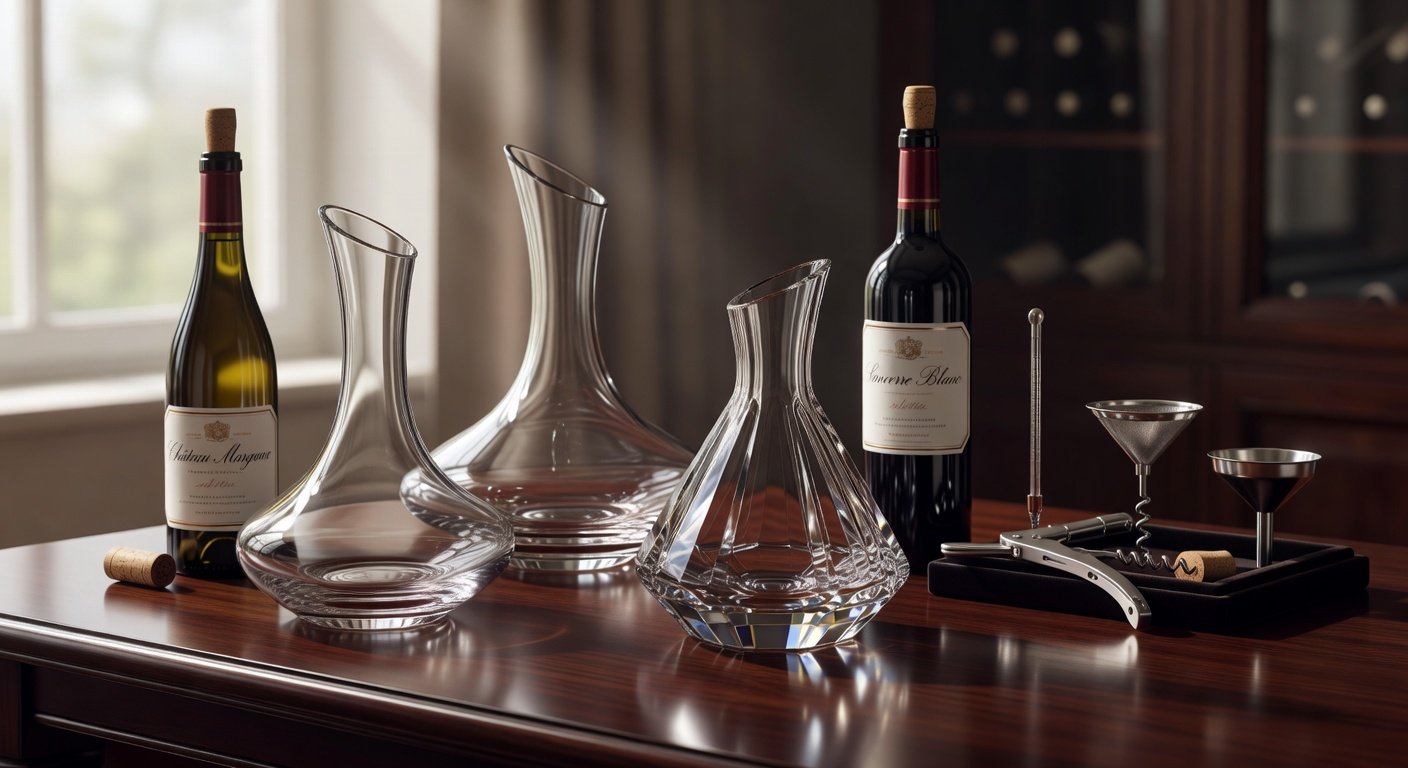
Selecting the right decanter can dramatically enhance a wine’s aroma, flavor, and overall drinking experience. Professional sommeliers understand that decanters are not merely decorative vessels but essential tools tailored to specific wine characteristics. This guide explores the criteria sommeliers use when choosing decanters for reds, whites, and aged vintages, providing step-by-step advice, real-world examples, and comparisons to help you make informed decisions at home. Whether you are building a collection or simply elevating your next dinner party, understanding these nuances ensures every bottle reaches its full potential.
Understanding Decanters and Their Purpose
A decanter serves two primary functions: separating sediment from older wines and aerating younger ones to soften tannins and release aromas. The design influences how effectively air interacts with the wine. Sommeliers evaluate each bottle’s age, tannin level, and body before selecting a vessel. For instance, a full-bodied Cabernet Sauvignon benefits from wide exposure to oxygen, while a delicate Pinot Noir requires gentler handling. Beyond these basics, decanters also improve visual presentation, allowing guests to appreciate the wine’s color and clarity as it pours. In professional settings, the choice of decanter signals expertise and respect for the wine being served.
Key Factors in Choosing a Decanter
Shape, size, and material are the three pillars of selection. Wide-bottom decanters maximize surface area for aeration, while narrow necks minimize oxidation for fragile wines. Crystal or lead-free glass offers clarity and elegance without imparting flavors. Size should match the bottle volume, typically 750ml to 1.5L, to allow proper swirling without overflow. Additional considerations include the decanter’s weight for comfortable handling during service and the presence of a stopper for temporary storage. Sommeliers often test multiple options with the same wine to observe how each affects the tasting notes over time, noting changes in fruit expression, tannin texture, and finish length.
Decanters for Red Wines
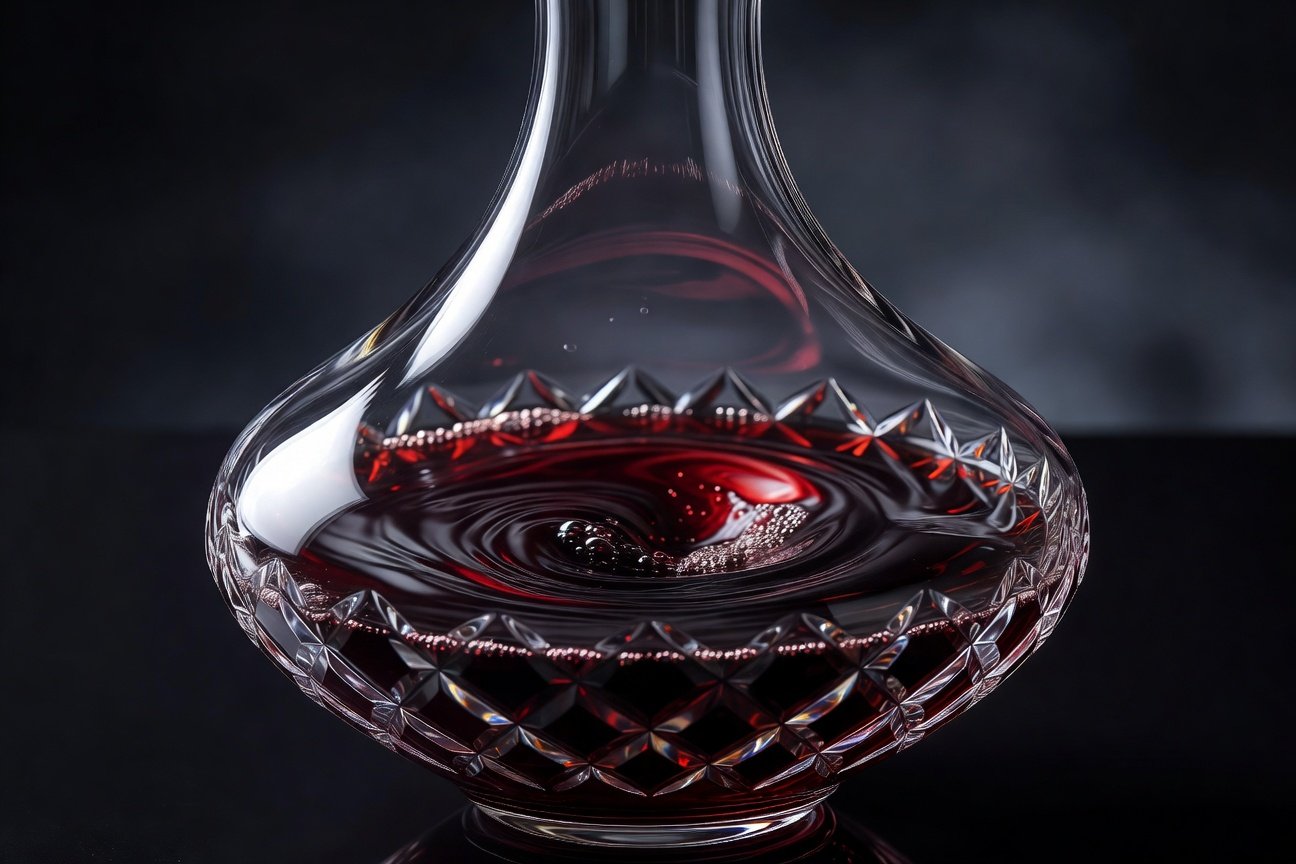
Red wines, especially tannic varieties like Bordeaux blends and Syrah, thrive in broad, bowl-shaped decanters. These allow maximum oxygen contact, mellowing harsh edges within 30–60 minutes. A classic example is the standard wide-base decanter used for Napa Valley Cabernet Sauvignon, which opens up dark fruit notes beautifully. For Merlot or Sangiovese-based wines, a slightly tapered design helps preserve some structure while still providing sufficient air. Sommeliers frequently recommend decanting young reds from regions like Tuscany or the Rhône Valley in vessels that encourage vigorous swirling, as this accelerates the integration of oak and fruit components.
Decanters for White Wines
White wines generally require less aeration, so sommeliers often choose smaller or slimmer decanters that preserve freshness and acidity. Aromatic varieties like Riesling or Sauvignon Blanc may benefit from brief exposure in a narrow-neck vessel to enhance floral and citrus notes without flattening the profile. Fuller-bodied whites such as oaked Chardonnay can handle a modest wide-base decanter for 15–20 minutes to integrate buttery and vanilla elements. The key is moderation; excessive air can dull the vibrant acidity that defines great whites from regions like the Loire Valley or Burgundy.
Decanters for Aged Vintages
Older wines demand careful treatment to avoid disturbing sediment. Tall, slender decanters with narrow necks help control the pour and limit oxygen exposure. Vintage Port or 20-year-old Barolo are commonly served from these elegant shapes to maintain their delicate complexity. Sommeliers advise decanting aged wines just before service, often using a candle or light source to monitor sediment flow. Examples include mature Bordeaux from the Médoc or aged Rioja Gran Reserva, where the goal is to separate sediment while preserving tertiary aromas like leather, earth, and dried fruit.
Comparisons of Decanter Styles
- Wide-Bowl Decanters: Ideal for young reds; offers rapid aeration but risks over-oxidation if left too long. These excel with high-tannin wines from California or Australia.
- Slender or Duck Decanters: Suited for aged wines and whites; provides controlled breathing and easy pouring. Preferred for fragile Burgundies and delicate dessert wines.
- Standard Bell-Shaped: Versatile option for everyday reds and some whites; balances aeration with elegance. Works well for mixed tastings involving both red and white varietals.
- Stoppered Decanters: Useful for short-term storage after decanting; maintains freshness for up to two hours when a tight seal is needed.
Practical Home-Use Tips
Always decant 30–90 minutes before serving, depending on the wine. Hold the bottle at a 45-degree angle and pour slowly against the decanter’s side to minimize splashing. Taste periodically to monitor development. For step-by-step selection, start by identifying the wine’s primary characteristics, then match to shape: full-bodied and tannic calls for wide aeration, while light and aromatic suggests minimal exposure. Store decanted wine at cool room temperature and consume within a few hours for optimal enjoyment. At home, practice with affordable bottles to develop an intuitive sense of timing before moving to premium vintages.
Maintenance and Care
Clean decanters immediately after use with warm water and a gentle brush. Avoid dishwashers, as harsh detergents can etch glass. For stubborn stains, use a mixture of water, vinegar, and uncooked rice to scrub gently. Dry upside down on a rack to prevent water spots. Long-term care includes storing decanters in a dust-free cabinet and inspecting regularly for chips or clouding that could affect wine quality. Many sommeliers recommend dedicated cleaning kits with non-abrasive beads for crystal pieces.
Common Pitfalls to Avoid
Over-decanting delicate wines can strip aromas. Using oversized decanters for small pours leads to excessive oxidation. Ignoring material quality may result in metallic tastes or clouding over time. Always match the decanter to the wine style rather than defaulting to one versatile piece. Another frequent mistake is decanting too early for service, especially in warm environments where oxidation accelerates. Finally, neglecting to rinse new decanters before first use can introduce manufacturing residues that alter flavor.
Pairing Decanters with Proper Glassware
Complement decanters with appropriate glasses: large-bowled Bordeaux glasses for reds and narrower white wine glasses to preserve aromatics. This synergy elevates the tasting experience and ensures consistent aroma delivery from decanter to glass.
Frequently Asked Questions
How long should I decant a young red wine?
Most young reds benefit from 45–60 minutes, but taste every 15 minutes to find the sweet spot based on the specific vintage and varietal.
Can I use the same decanter for white and red wines?
Yes, but clean thoroughly between uses to avoid cross-contamination of flavors and ensure each wine expresses its unique profile.
Is crystal better than glass?
Lead-free crystal provides superior clarity and brilliance, though high-quality glass works well for everyday use and frequent handling.
For more authoritative insights on wine service, explore resources from Decanter, Wine Spectator, and Wine Enthusiast.

No comments yet. Be the first!