 Uncorked Conversations
Sommelier Tips for Serving Multiple Wines at Home Events
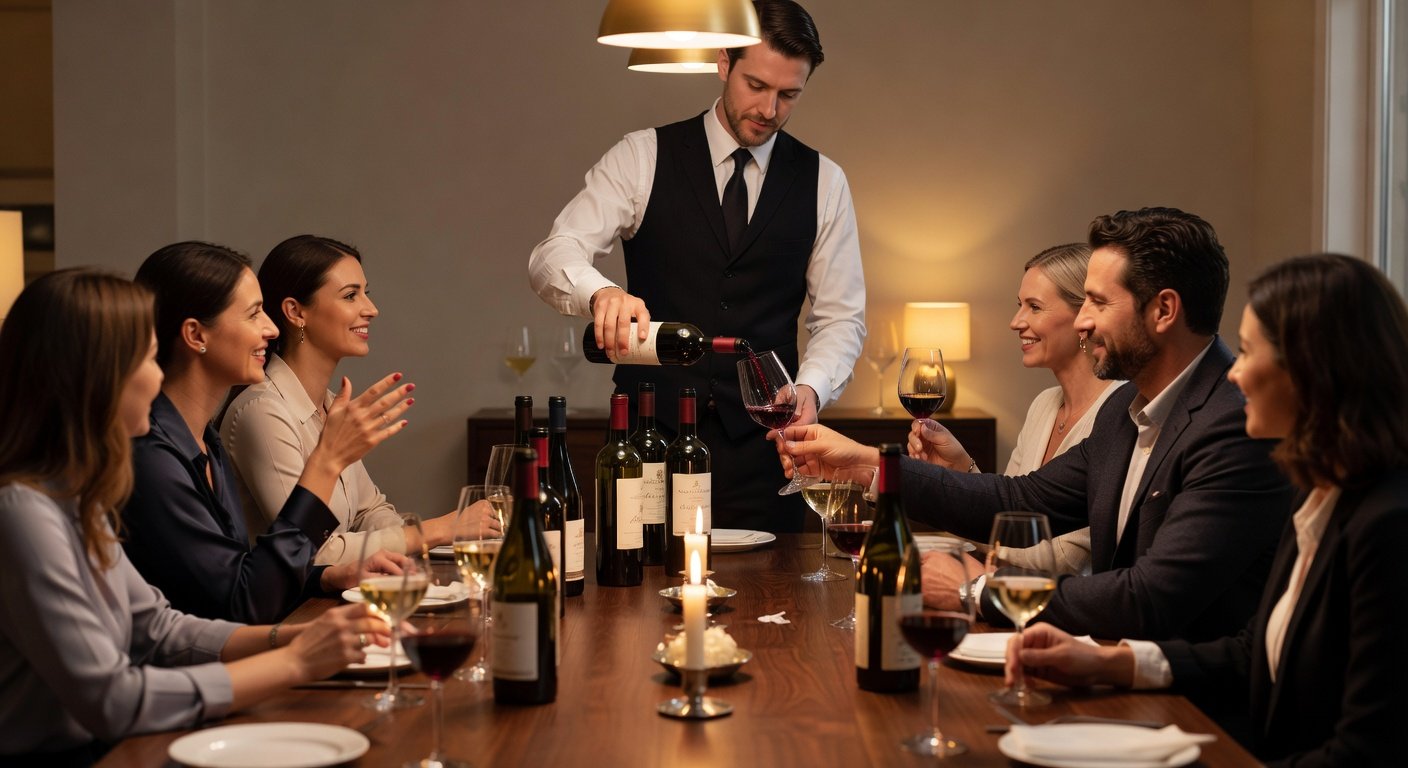
Hosting a multi-wine dinner at home can feel overwhelming without restaurant staff or specialized equipment. Yet professional sommeliers regularly manage complex service in private homes by focusing on sequencing, temperature control, and efficient logistics. This guide breaks down proven techniques that elevate any home gathering while minimizing waste and stress. Whether you are planning a casual tasting or a formal multi-course meal, understanding these strategies ensures every guest enjoys the wines at their peak without constant interruptions.
Planning Your Wine Sequence for Maximum Impact
Successful service begins long before guests arrive. Start by mapping wines to the menu and guest preferences. Light, high-acidity whites open the palate and pair well with appetizers such as fresh salads or seafood. Progress to fuller whites or rosés, then lighter reds, and finish with bolder reds or dessert wines. Sommeliers avoid jumping between dramatically different styles because abrupt shifts fatigue the palate and reduce enjoyment. For example, serving a crisp Chablis before a rich oaked Chardonnay builds complexity gradually rather than shocking the senses.
Consider alcohol levels and tannin structure when ordering pours. A 12% ABV Pinot Noir should precede a 14.5% Cabernet Sauvignon so guests stay comfortable throughout the evening. Always keep backup bottles chilled or at room temperature in a separate area to handle unexpected demand without disrupting flow. If your menu includes spicy dishes, insert a low-tannin red earlier to cleanse the palate before heavier options arrive.
Essential Tools for Seamless Transitions
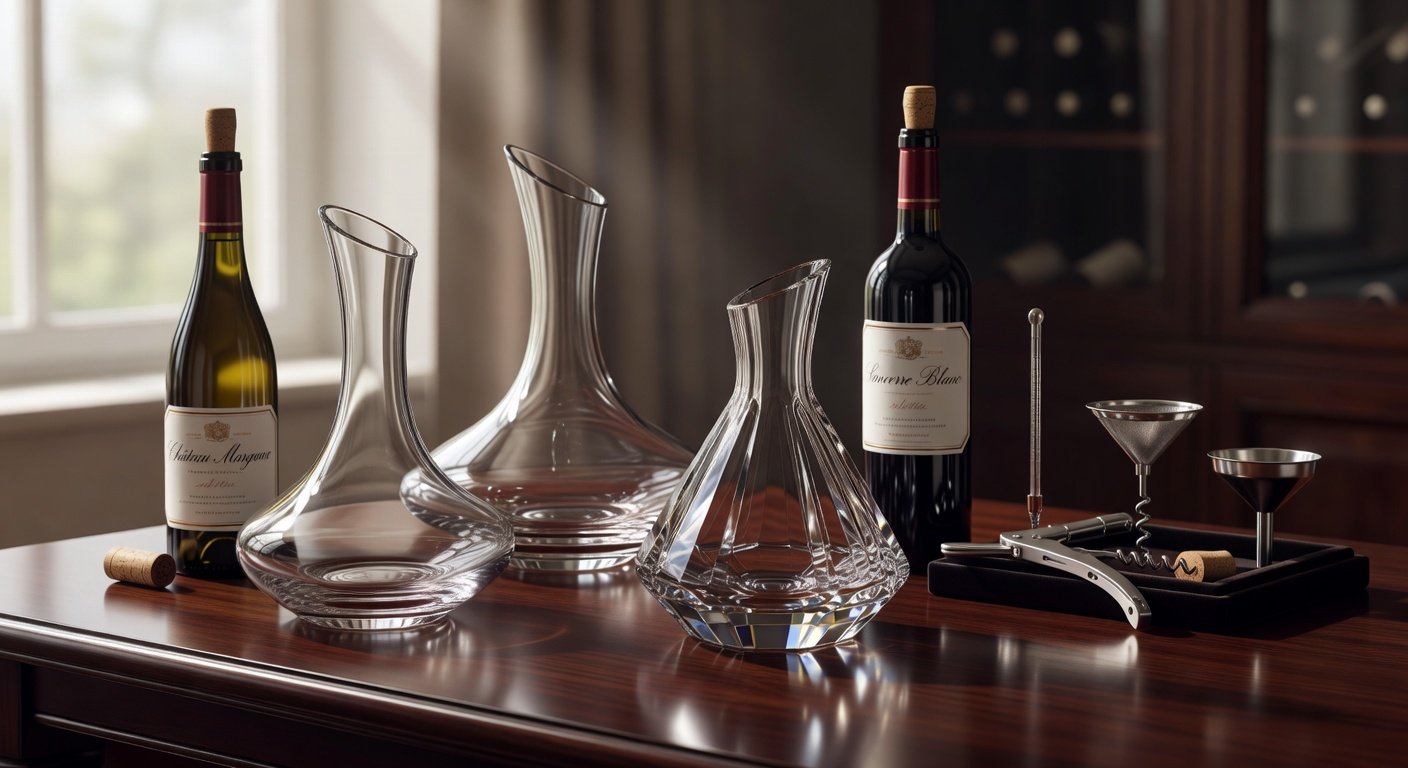
Home hosts rarely own professional wine fridges, yet simple tools deliver restaurant-level results. Use insulated sleeves for whites and sparkling wines to maintain 45–50°F during service. A digital thermometer clipped to the side of an ice bucket gives instant readings without guesswork. Double-hinged corkscrews with foil cutters speed up bottle changes, while a decanter stand with a built-in drip tray prevents spills on table linens. Consider adding a small vacuum pump for opened bottles that need short-term storage between courses.
Invest in at least eight identical glasses per guest count. Uniform stemware simplifies rotation and reduces the visual clutter of mismatched sets. Keep a small spray bottle of water and microfiber cloths nearby for quick glass resets between courses. These inexpensive additions allow you to refresh glasses in under thirty seconds, maintaining a polished presentation even during busy transitions.
Guest Flow and Glass Rotation Logistics
Track each guest’s glass with subtle markers such as colored stem charms or discreet tape labels on the base. This prevents cross-contamination when someone requests a refill of an earlier wine. Designate one sideboard or side table as the “service station” where you pre-pour and label glasses before bringing them to the table. Position this station near the kitchen but out of the main dining area so preparation remains invisible to guests.
When moving between wines, clear used glasses in small batches rather than all at once. This maintains conversation momentum and gives late-arriving guests a fresh glass without drawing attention to timing. A rolling cart with two tiers works well: one level holds clean glasses, the other collects used ones for later washing. In smaller spaces, stack rinsed glasses on a tray and move them to the kitchen during natural pauses in the meal, such as between the main course and dessert.
Practical Pouring Techniques That Reduce Waste
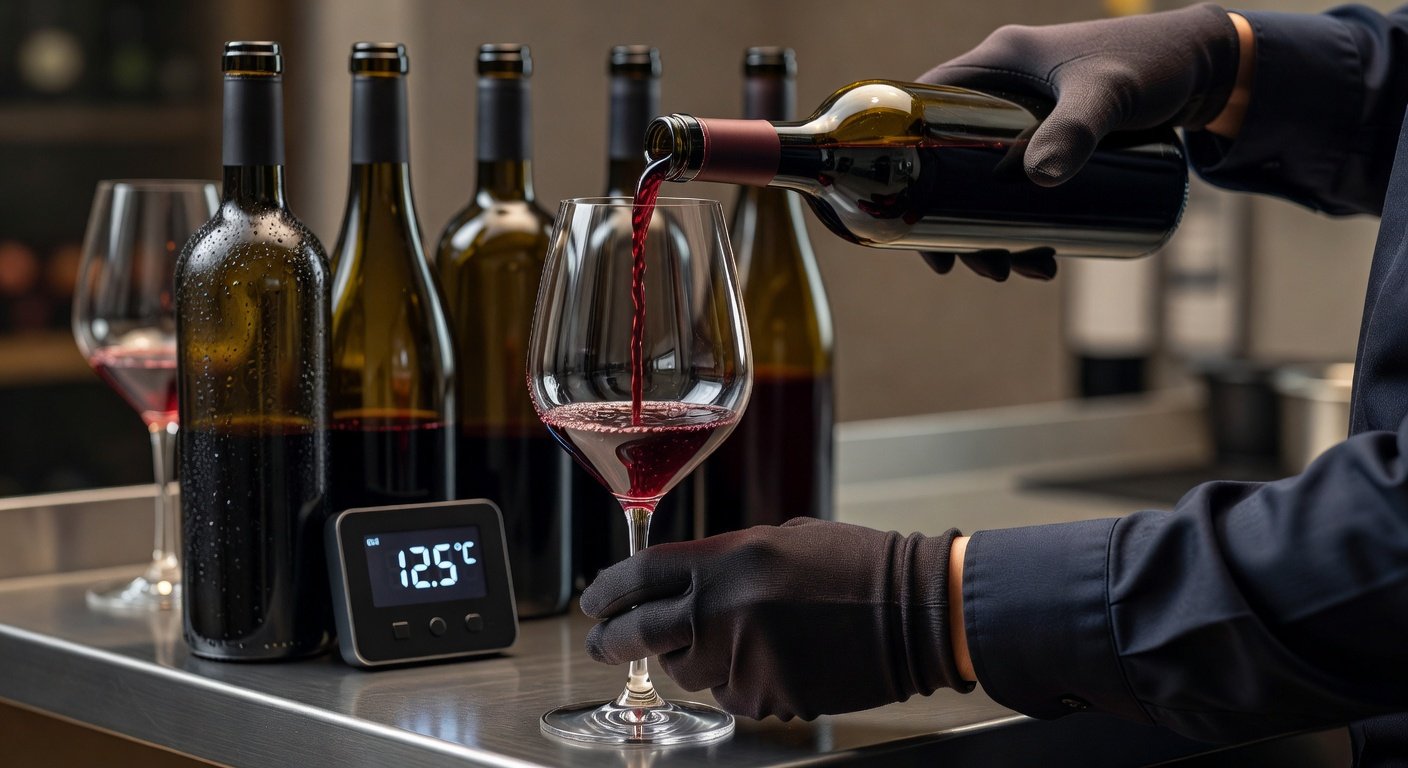
Professional sommeliers pour 2–3 ounces for tasting pours and 4–5 ounces for main-course servings. Practice the “two-second pour” by holding the bottle at a 45-degree angle and stopping the flow cleanly against the glass rim. This method prevents drips and keeps tablecloths spotless. For sparkling wines, tilt the glass at 45 degrees and pour slowly down the side to preserve bubbles. Always wipe the bottle lip with a clean cloth before moving to the next guest.
Keep a small funnel and empty carafe on hand; any leftover wine can be consolidated into a “kitchen blend” for the host to enjoy later rather than discarded. If a bottle is only partially consumed, transfer the remainder to a smaller half-bottle using the funnel and seal it immediately. This technique has saved countless bottles during extended home events where pacing varies among guests.
Managing Temperature Fluctuations During Extended Service
Temperature control remains one of the biggest challenges when serving multiple wines over several hours. Whites and sparkling wines lose their vibrancy quickly if left at room temperature, while reds can become overly warm and flabby. Rotate bottles between an ice bucket and a cool countertop every fifteen to twenty minutes. For reds, aim for 60–65°F; use a wine sleeve or place the bottle in a shaded area away from direct heat sources such as candles or lamps.
In warmer climates or during summer events, prepare an additional cooler filled with ice packs specifically for red wines that need slight chilling. Check temperatures with a digital probe before each new pour. Guests notice when a wine arrives at the wrong temperature, so these small adjustments make a noticeable difference in perceived quality.
Case Study: A Six-Wine Private Dinner in a Small Apartment
During a recent private event for eight guests, a sommelier managed six wines in a 650-square-foot apartment without a dedicated cellar. The sequence moved from Champagne to Sauvignon Blanc, then to Chardonnay, Pinot Noir, Syrah, and finally a late-harvest Riesling. Pre-chilled bottles stayed in a large cooler with digital temperature probes. Glasses were pre-labeled and staged on a rolling kitchen cart. Temperature fluctuations were avoided by rotating bottles from cooler to ice bucket in 15-minute intervals. The sommelier also prepared a printed menu card for each guest listing the wine and course pairings. Guests never waited more than 90 seconds between pours, and only one bottle remained unfinished at the end of the evening. The key success factor was pre-pouring the next wine during natural conversation lulls so service felt effortless.
Common Pitfalls and How to Avoid Them
- Temperature swings: Keep whites in an ice bucket with a thermometer; check every 20 minutes and rotate as needed.
- Overpouring: Use a marked measuring pourer for the first round to calibrate your eye and avoid generous portions that empty bottles too quickly.
- Glass confusion: Assign each guest a consistent seat and glass position, and use subtle charms or tape to track progress.
- Pairing mismatches: Prepare a printed menu card listing each course and wine so guests can anticipate changes and adjust expectations.
- Running out of glasses: Always have two extra sets ready in case of breakage or additional guests arriving late.
Quick Checklist Before Guests Arrive
- Confirm final guest count and dietary restrictions that might affect pairings.
- Chill whites and sparkling to target temperatures at least two hours ahead.
- Label glasses and set up service station with all tools within reach.
- Decant reds that need breathing at least two hours ahead of service.
- Stage backup bottles and corkscrews in an accessible but hidden spot.
- Review sequence aloud with any co-hosts or helpers.
- Prepare palate cleansers such as plain bread or water pitchers for each place setting.
Adjusting on the Fly: FAQ
What if a guest dislikes the current wine? Offer a small pour of the next wine early, or provide a neutral palate cleanser such as plain crackers and water. Never pressure anyone to finish a pour they do not enjoy.
How do I handle last-minute menu changes? Keep one flexible “bridge” wine—usually an unoaked white or light red—that pairs with most proteins. Swap it in without announcing the change to maintain smooth service.
Can I reuse glasses between red and white? Yes, provided you rinse with water and dry thoroughly. A quick spritz from a clean spray bottle followed by a microfiber wipe restores neutrality in seconds.
What if the event runs longer than planned? Have one additional bottle of a crowd-pleasing wine ready in reserve. Serve it as a standalone course or blend small amounts from earlier bottles to create a custom finale.
With these sommelier-level systems, even a modest home kitchen can deliver polished, waste-conscious wine service that impresses guests and keeps the evening flowing smoothly. For additional professional insights, consult resources from Decanter, the Institute of Masters of Wine, and Wine Folly.
No comments yet. Be the first!