 Uncorked Conversations
Introduction: Choosing the Right Glass for Wine Excellence
Selecting between stemmed and stemless wine glasses can significantly influence how you experience wine. From a sommelier’s perspective, the choice affects aroma concentration, temperature control, handling during pours, and even storage practicality. Whether hosting a dinner party or conducting a formal tasting, understanding these differences helps home enthusiasts elevate their serving without compromising quality.
Key Differences Between Stemmed and Stemless Glasses
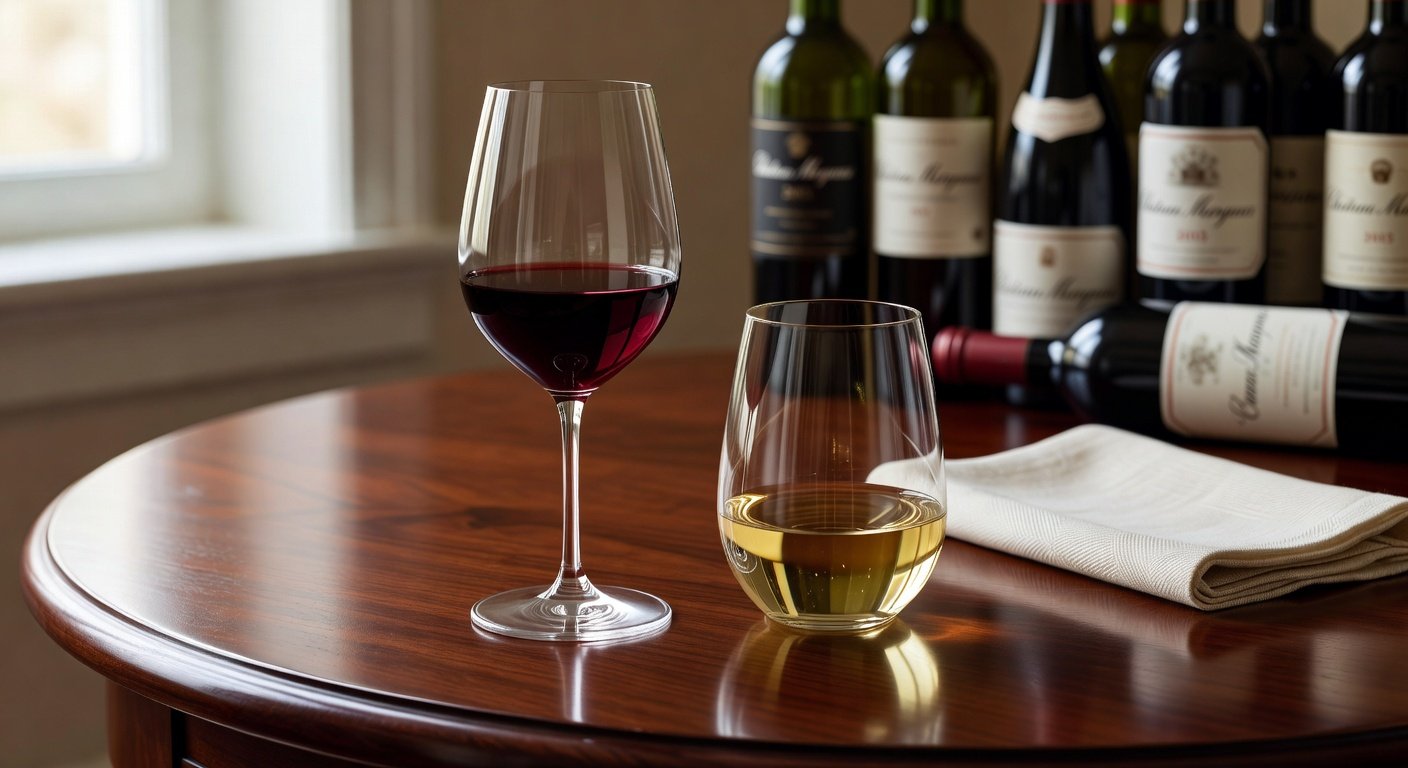
Stemmed glasses feature a bowl atop a slender stem and base, allowing the hand to grip the stem and avoid warming the wine. Stemless glasses resemble tumblers, with the bowl sitting directly on the base for easier handling and stacking. These structural variances impact everything from grip technique to visual elegance.
Impact on Tasting Experience and Temperature Retention
Proper grip is essential for advanced tasting. Hold stemmed glasses by the stem to maintain the wine’s ideal temperature, preserving delicate aromas and flavors. Stemless designs often lead to hand contact with the bowl, accelerating warming—particularly problematic for whites and sparklers. For reds, this can sometimes enhance subtle notes if the wine is slightly cool initially, but sommeliers recommend caution.
Advanced techniques include swirling stemmed glasses with minimal effort due to the leverage of the stem, releasing more bouquet. Stemless options require careful swirling to avoid spills.
Pros and Cons for Reds, Whites, and Sparkling Wines
Reds: Stemmed glasses excel for full-bodied varietals like Cabernet Sauvignon, allowing aeration and aroma focus. Stemless work well for casual pours of lighter reds like Pinot Noir during relaxed gatherings.
Whites: Stemmed preserve crispness in Chardonnay or Sauvignon Blanc by preventing hand heat. Stemless may suit quick servings but risk dulling acidity.
Sparkling: Flute-shaped stemmed glasses retain bubbles in Champagne; stemless often cause faster degassing.
Real-world scenarios: At dinner parties, stemless offer durability against knocks. In professional tastings, stemmed provide precision and elegance.
Storage Practicality and Handling During Pours
Stemmed glasses demand more cabinet space and careful stacking to avoid breakage. Stemless nestle efficiently, ideal for smaller kitchens. During pours, the stem offers control and reduces spills, while stemless provide stability on tables.

Comparison Table: Stemmed vs Stemless
| Aspect | Stemmed Glasses | Stemless Glasses |
|---|---|---|
| Temperature Control | Excellent (hand avoids bowl) | Moderate (hand contact warms wine) |
| Aroma Concentration | Superior with proper swirl | Good but less precise |
| Storage | Requires more space | Compact and stackable |
| Durability | Fragile stems | More robust overall |
| Elegance | Classic and formal | Modern and casual |
| Best For | Tastings, whites, sparklers | Parties, reds, everyday use |
Sommelier-Recommended Brands for 2026
Leading options include Riedel for varietal-specific designs and Zalto for lightweight elegance. These brands prioritize balance and clarity, suiting both home and professional settings. Explore options via established wine retailers for the latest collections.
Maintenance Tips for Longevity
- Hand-wash with mild detergent to protect crystal integrity.
- Store upright to prevent stem stress or stacking damage.
- Avoid dishwashers for premium pieces unless labeled safe.
- Polish with microfiber cloths for sparkle.
Real-World Scenarios and Varietal Pairings
Pair a Bordeaux in a large-bowled stemmed glass at a formal dinner for optimal decanting effect. Use stemless for a backyard barbecue with Malbec to simplify service. For a blind tasting of Riesling, stemmed glasses maintain chill and focus aromas effectively.
FAQs on Durability and Elegance
Are stemless glasses less elegant? No—they offer contemporary appeal suitable for casual elegance, though traditionalists prefer stemmed for formal events.
Which is more durable? Stemless generally withstand daily use better due to fewer break points, but quality crystal in either style lasts with care.
Do they affect wine quality equally? Stemmed often preserve quality better for temperature-sensitive wines, while stemless prioritize convenience.
Conclusion
Both styles have merits depending on your lifestyle. Stemmed glasses prioritize tasting precision and tradition, while stemless emphasize practicality. Experiment with your favorite varietals to decide what elevates your experience most. For deeper wine knowledge, consult resources like Decanter or Wine Spectator.


No comments yet. Be the first!