 Uncorked Conversations
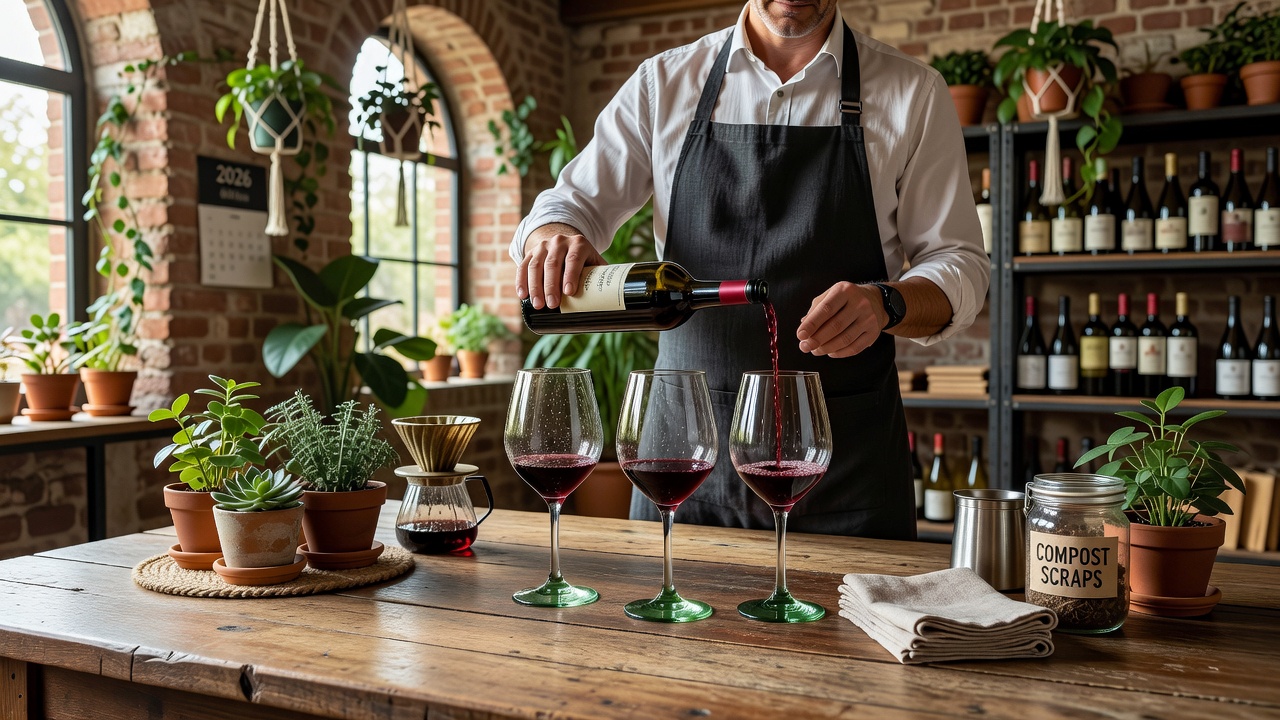
Introduction to Sustainable Wine Serving
As environmental standards continue to advance in 2026, both professional sommeliers and home wine enthusiasts are actively exploring methods to enjoy fine wines while significantly lowering their overall carbon footprint. This comprehensive guide delves into practical, low-impact approaches for every stage of wine handling, from serving and storage to decanting and glassware selection. These techniques align closely with emerging sustainability benchmarks without any compromise on aroma, flavor, or the overall tasting experience.
Conventional wine practices frequently rely on single-use plastics, energy-intensive refrigeration systems, and excessive packaging materials that contribute to landfill overflow and higher emissions. In contrast, sustainable alternatives emphasize recycled content, energy-efficient appliances, reusable tools, and thoughtful sourcing. Throughout this article, readers will encounter detailed checklists, side-by-side comparisons, real-world case studies, and actionable examples designed to make implementation straightforward and effective for beginners and experienced hosts alike.
The focus remains on measurable environmental benefits, such as reduced waste streams and lower energy consumption, while preserving the sensory qualities that make wine appreciation so rewarding. By adopting these methods, individuals can contribute to broader ecological goals while refining their personal or professional wine routines.
Selecting Recycled or Reusable Wine Glasses
Choosing the right glassware forms a foundational element of any sustainable wine service. Glasses manufactured from recycled materials or built for long-term reusability dramatically decrease the demand for virgin resources and minimize contributions to waste streams. These options not only support environmental objectives but also maintain the clarity and thinness required to properly appreciate wine color, legs, and bouquet.
When evaluating products, prioritize items carrying verifiable certifications that confirm high percentages of post-consumer recycled content. Reusable stemware crafted from durable soda-lime glass or tempered materials can withstand hundreds of cycles when handled properly, delivering both ecological advantages and extended usability. Care instructions typically involve gentle hand washing or dishwasher cycles on eco settings to preserve integrity over time.
Learn more about sustainable materials from the EPA. Additional guidance on material lifecycles can be found through established environmental resources that track production impacts across industries.
Practical Checklist for Glass Selection
- Verify at least 30 percent recycled glass content through supplier documentation or third-party labels.
- Confirm dishwasher-safe construction to simplify cleaning without additional water or energy waste.
- Select universal shapes that enhance aroma concentration while avoiding overly ornate designs that require more material.
- Opt for lead-free compositions to ensure safety during repeated use and washing.
- Consider stackable or space-efficient designs for storage in smaller home environments.
- Evaluate supplier take-back programs that allow end-of-life recycling or refurbishment.
Energy-Efficient Storage Solutions
Maintaining optimal wine conditions traditionally demands consistent temperature and humidity control, often at the expense of high electricity usage. Modern sustainable storage solutions integrate advanced insulation, variable-speed compressors, and smart sensors to achieve the same stability with substantially reduced power draw. Home users benefit from compact units featuring LED illumination and automatic door alarms that prevent unnecessary energy loss.
Professional cellars increasingly incorporate passive design elements such as subterranean placement, thick stone walls, and natural ventilation systems that leverage geothermal stability. These approaches eliminate or minimize mechanical cooling needs entirely. For existing spaces, adding reflective barriers, proper sealing around doors, and strategic placement away from heat sources can yield immediate improvements in efficiency.
Regular monitoring with digital hygrometers helps maintain ideal ranges of 45 to 65 degrees Fahrenheit and 50 to 70 percent humidity, preventing both spoilage and excess energy expenditure from overcorrection.
Minimal-Waste Decanting Methods
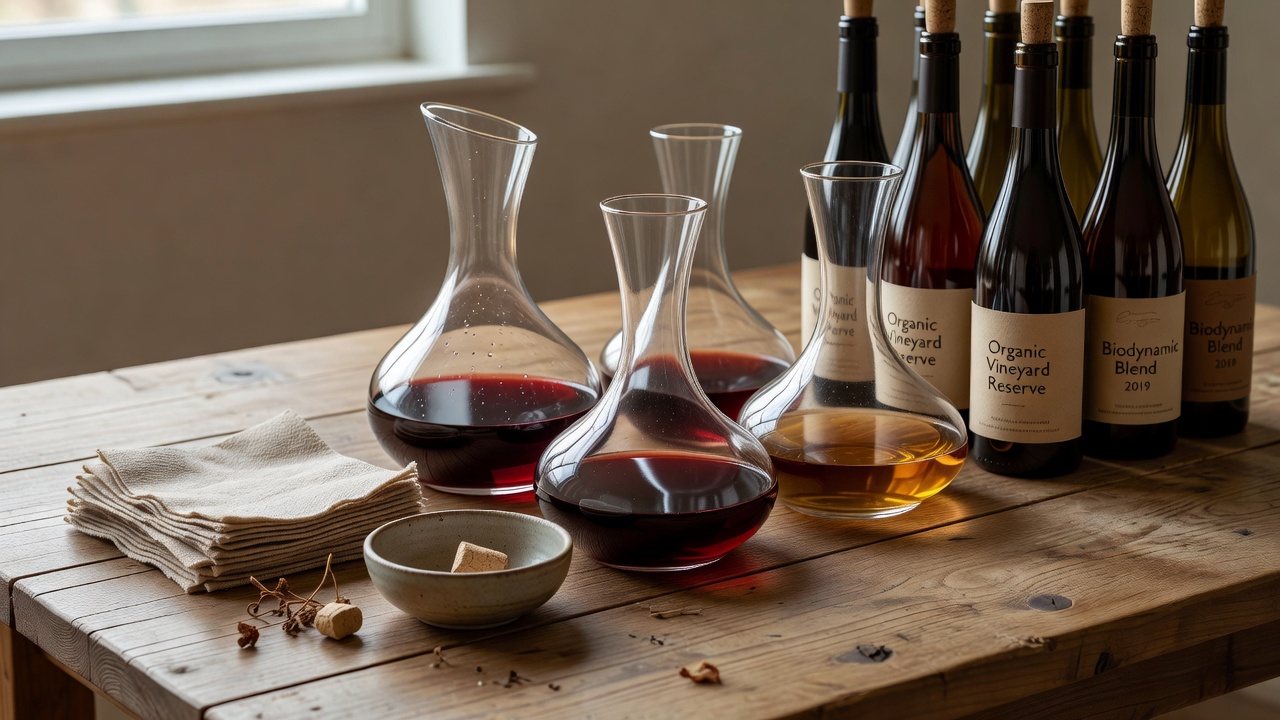
Decanting serves to aerate young wines and separate sediment from older vintages, yet many traditional setups generate unnecessary single-use accessories. Sustainable decanting relies on heavy-duty reusable glass or stainless-steel vessels paired with simple, cleanable tools such as cloth strainers or built-in sediment traps. Pre-rinsing the decanter with a small amount of the wine itself rather than water can further reduce liquid waste while preparing the vessel.
For different wine types, adjust timing accordingly: robust reds may benefit from 30 to 60 minutes of exposure, while delicate whites or aged ports require shorter periods or even gentle swirling techniques within the bottle. Always decant over a light source to clearly observe sediment movement and stop pouring at the first sign of particles.
Hosting Zero-Waste Wine Tastings
Zero-waste tastings demonstrate how sustainable principles translate into memorable social experiences. Begin with digital invitations and RSVPs to eliminate printed materials. Source wines from nearby producers to cut transportation emissions, and prepare reusable tasting mats or coasters made from recycled cork or fabric remnants.
Step-by-Step Example for a Successful Event
- Curate a flight of four to six bottles emphasizing organic or biodynamic production methods from regional vineyards.
- Arrange stations with clearly marked reusable glassware sets, including water rinsers that feed into a collection bucket for later garden use.
- Provide compostable tasting notes printed on seed-embedded paper that guests can plant afterward.
- Establish a central collection area for all corks, capsules, and foil to route into dedicated recycling streams.
- Conclude with a shared composting bin for any fruit garnishes or organic debris, ensuring nothing enters general trash.
Traditional vs. Sustainable Tools Comparison
Traditional wine tools often depend on virgin plastics, non-recyclable composites, and high-energy manufacturing processes. Sustainable counterparts substitute recycled inputs, modular designs for easy repair, and multi-functional items that replace several single-purpose gadgets. A classic crystal decanter, for example, might be swapped for a versatile insulated carafe that doubles as a travel vessel and maintains temperature without additional chilling equipment.
Case Studies: Home and Professional Examples
A residential setup in Northern California replaced conventional glassware and added an Energy Star-rated storage unit, resulting in documented reductions in both packaging waste and monthly utility consumption over a full year of regular use. Hosts reported easier cleanup routines and positive guest feedback on the quality of service.
In professional contexts, several European estates have retrofitted historic cellars with passive cooling enhancements and switched to reusable service ware across tasting rooms. These changes produced measurable drops in operational emissions while preserving the refined atmosphere expected by visitors. Tracking sheets maintained by staff highlighted consistent performance across multiple vintages and events.
Mistakes to Avoid When Transitioning
Common pitfalls include selecting low-quality recycled glass that clouds after few washes or overlooking humidity control in storage areas, which can lead to label damage or cork issues. Another frequent error involves over-aerating delicate wines during decanting, diminishing nuanced flavors. Always test new tools with inexpensive bottles first and maintain detailed notes on what works best for specific varietals.
FAQs on Cost Savings and Ethical Sourcing
How do sustainable practices affect long-term expenses? Investments in durable reusable items typically offset initial outlays through decreased replacement frequency and lower disposal fees over time.
Where can ethical products be reliably sourced? Reputable suppliers often carry certifications from recognized environmental organizations that verify transparent supply chains and fair labor standards.
Does switching require complete replacement of existing equipment? Many enthusiasts begin with targeted upgrades such as glassware or insulation kits before expanding to larger systems.
Are there community resources for learning these techniques? Local wine clubs and sustainability workshops frequently host demonstrations focused on low-impact methods.
Explore ethical sourcing insights from National Geographic. Broader environmental frameworks are also detailed at UNEP resources on sustainable consumption.
Conclusion
Integrating these eco-friendly techniques empowers anyone to serve and enjoy wine responsibly in 2026. Incremental shifts in glass selection, storage practices, decanting routines, and event planning accumulate into meaningful reductions in environmental impact while upholding the pleasure and sophistication of wine culture. Continued experimentation and sharing of results will further refine these approaches for future generations of enthusiasts.

No comments yet. Be the first!