 Uncorked Conversations
Introduction
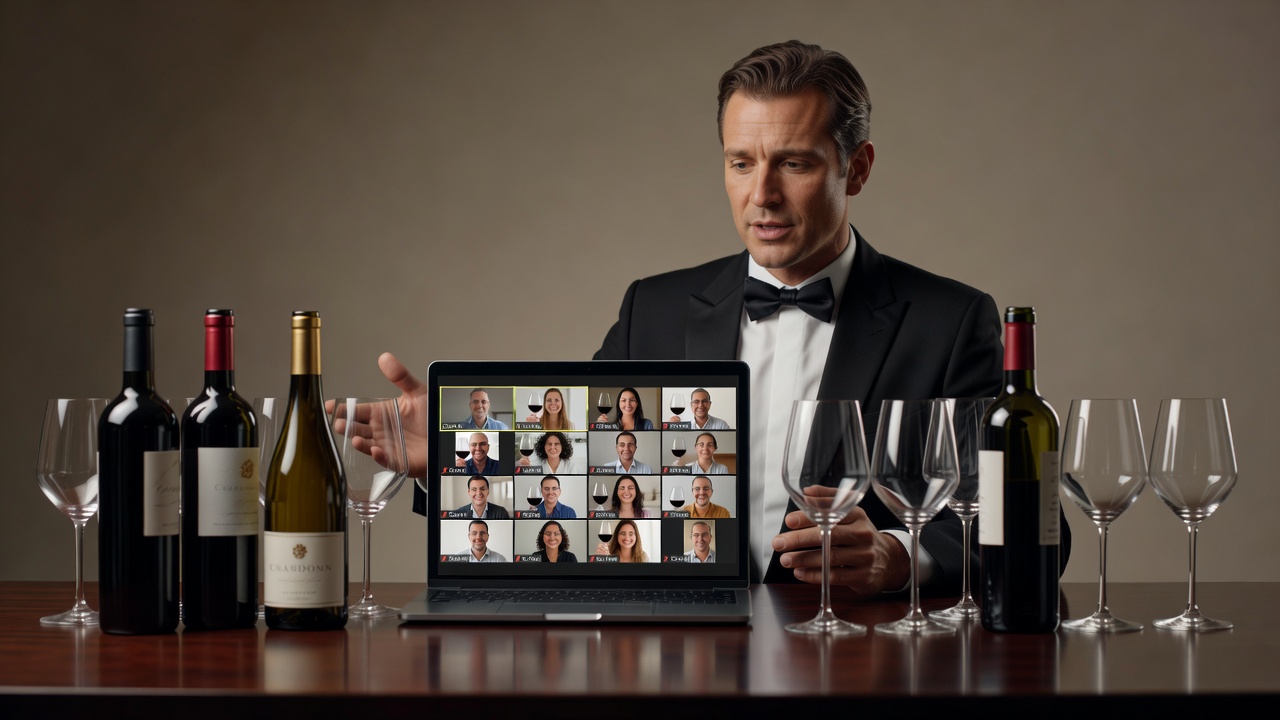
Virtual wine tastings have transformed how enthusiasts connect with wine professionals and each other, especially as remote events continue to grow in popularity throughout 2026. Traditional sommelier skills must be adapted for screens, where aroma delivery, visual appeal, and participant engagement require new approaches. This comprehensive guide explores adapting classic techniques for online formats, covering remote serving logistics, storage for shipped bottles, and decanting methods that shine on camera. Hosts and sommeliers alike benefit from understanding these nuances to create immersive experiences that feel personal despite physical distance.
Understanding the Evolution of Wine Events
The shift from in-person cellar tastings to virtual platforms has accelerated since the pandemic, with many wineries and educators now offering hybrid options. Sommeliers emphasize storytelling through visuals and timed reveals to maintain the sense of discovery. Remote events allow global participation but demand precise coordination around shipping, technology, and sensory descriptions. Professionals recommend studying participant feedback loops to refine pacing and content depth across multiple sessions.
Storage Solutions for Shipped Bottles
Ensuring wine arrives in optimal condition starts with proper packaging from the shipper, but hosts play a key role upon receipt. Store bottles horizontally in a climate-controlled space between 55 and 65 degrees Fahrenheit with moderate humidity to prevent cork drying. Avoid areas near kitchens, windows, or heating vents where temperature fluctuations can damage delicate vintages. After delivery, let wines rest upright for 24 to 48 hours so any sediment settles naturally before serving. Practical examples include using wine fridges or insulated boxes for multi-bottle shipments from regions like Bordeaux or Napa. Always inspect seals and labels upon arrival to catch any transit damage early.
Selecting Wine Glasses for Video Clarity
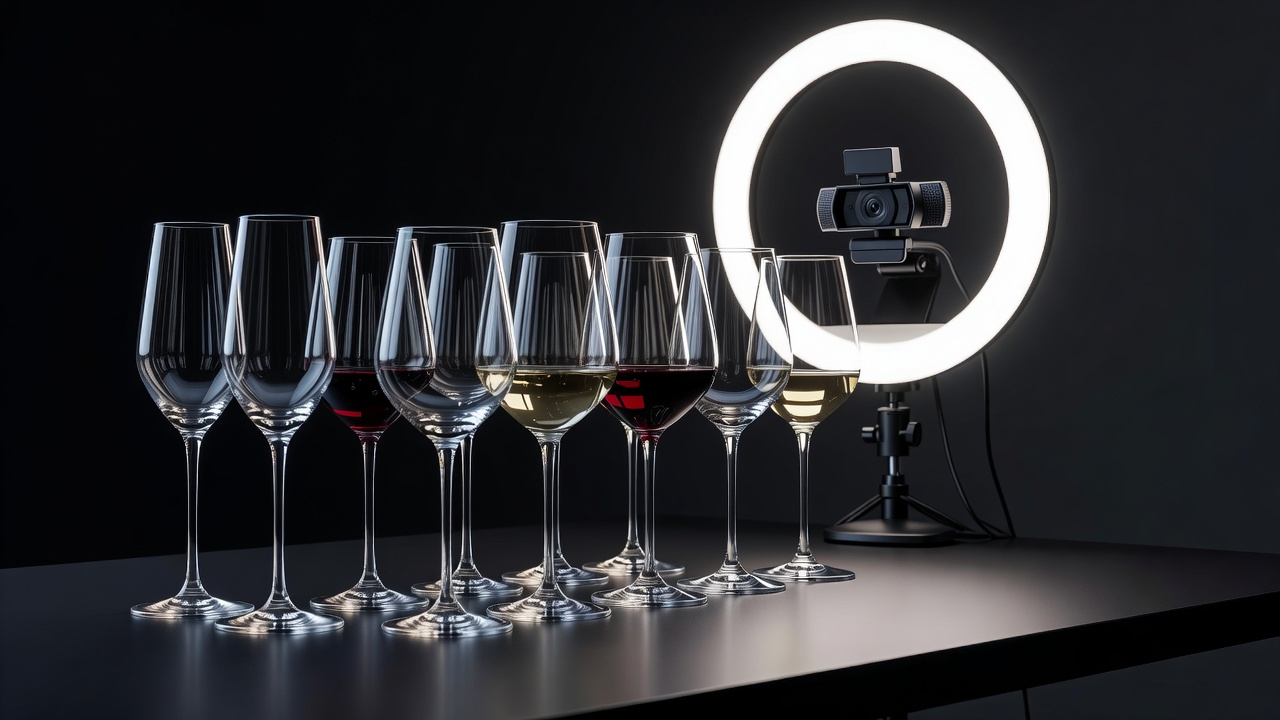
Glassware selection directly influences both the tasting experience and how wines appear during live streams. Clear, lead-free crystal with thin rims captures light effectively under typical webcam conditions, highlighting color variations and viscosity. Avoid heavily tinted or patterned glasses that obscure details on camera. Consider universal tasting glasses from reputable makers, which balance aroma concentration with visual presentation. Test your setup beforehand by recording a short clip to check reflections and clarity. Participants should receive guidance on sourcing similar glasses to ensure consistency across the group, enhancing the shared visual experience.
Visible Decanting Methods On Camera
Decanting serves both functional and theatrical purposes in virtual settings. Position your decanter at a slight angle under bright, even lighting so viewers can observe the slow pour and sediment separation. Narrate the process step by step, explaining why certain wines benefit from aeration. Use a candle or flashlight behind the bottle neck for classic sediment spotting demonstrations that translate well online. For younger wines, a simple splash decant creates movement and engagement. Practice these techniques in advance to maintain smooth timing without awkward pauses during the live event.
Step-by-Step Prep for Participants
Successful virtual tastings begin with thorough preparation kits sent at least five to seven days ahead. Include printed tasting notes, temperature guidelines, and a simple tech checklist covering camera angles, lighting, and audio. Encourage guests to prepare their space with neutral backgrounds and test their internet connection. Provide a pre-event timeline: chill whites two hours prior, open reds thirty minutes before start, and have water and palate cleansers ready. Real-world examples show that groups who follow these steps report higher satisfaction and better aroma perception. Send reminder emails with troubleshooting tips for common platform issues.
In-Person vs Virtual Service Flows
Comparing traditional and digital service highlights key adaptations needed for online success. In-person events feature direct pouring, immediate sensory feedback, and table-side adjustments, while virtual flows rely on pre-measured pours, scheduled reveals, and chat-based Q&A. Virtual hosts must anticipate technical delays and build in extra time for transitions. Lists of differences often include sensory limitations versus accessibility gains, with virtual events reaching wider audiences across continents. Sommeliers recommend blending elements like shared screen visuals to bridge the gap between formats.
- In-Person Advantages: Hands-on interaction, real-time adjustments, full sensory immersion.
- Virtual Advantages: Global reach, recorded sessions for later viewing, reduced travel costs.
- Shared Elements: Expert narration, structured pacing, educational focus.
Tech Integrations for Professional Results
Modern tools elevate virtual tastings beyond basic video calls. Platforms like Zoom support breakout rooms for smaller discussions, while apps such as Vivino enable live group ratings. External microphones improve voice clarity during detailed aroma descriptions. Ring lights and adjustable webcams ensure bottles and glasses remain visible without glare. Some hosts integrate digital wine lists or live polls to boost interaction. Testing all equipment in a mock session prevents disruptions and creates a polished experience that participants remember fondly.
Common Mistakes to Avoid
Many new virtual hosts overlook lighting consistency or fail to account for shipping delays, leading to mismatched arrival times. Another frequent issue is insufficient participant guidance, resulting in unprepared guests and lost engagement. Avoid rushing through technical explanations and instead allocate time for questions. Reviewing recordings after events helps identify pacing problems and refine future sessions.
Conclusion
Mastering virtual wine tastings in 2026 combines time-honored sommelier expertise with thoughtful digital adaptations. By focusing on storage, glass selection, visible techniques, and robust preparation, hosts deliver memorable and educational experiences. These methods ensure events remain accessible and engaging regardless of location.
FAQ: Troubleshooting Common Virtual Issues
How can I improve aroma delivery over video?
Guide participants to swirl wines deliberately and describe notes aloud while positioned near their microphones. High-quality audio setups help capture subtle descriptors effectively.
What if timing feels off during the event?
Build buffer periods into the agenda and conduct a full tech rehearsal fifteen minutes before start. Distribute a detailed run-of-show document to all attendees in advance.
How do I handle participants with poor internet connections?
Offer a phone-in audio option and pre-record key segments for those who drop out, ensuring everyone receives the core educational content.
Can I include food pairings in a virtual format?
Yes, suggest simple at-home pairings and demonstrate them on camera while encouraging guests to prepare matching bites on their end for synchronized tasting.
No comments yet. Be the first!