 Uncorked Conversations

Introduction to Professional Wine Opening
Opening a wine bottle represents far more than a routine action for sommeliers—it embodies precision, respect for the wine, and an understanding of how each step influences the final tasting experience. In fine dining environments and at home, improper opening can introduce unwanted oxygen, damage the cork, or create spills that disrupt the moment. This comprehensive guide delivers advanced sommelier methods for handling every bottle type, including natural corks, screw caps, and sparkling wines, while minimizing errors and preserving quality. Readers searching for practical sommelier tips will find detailed processes, tool comparisons, real-world examples, and preservation strategies that elevate service from basic to professional.
Mastering these techniques requires practice and attention to detail. Whether you manage a busy restaurant floor or host intimate gatherings, the following sections provide the depth needed to open bottles effortlessly and confidently every time.
Essential Tools Every Sommelier Relies On
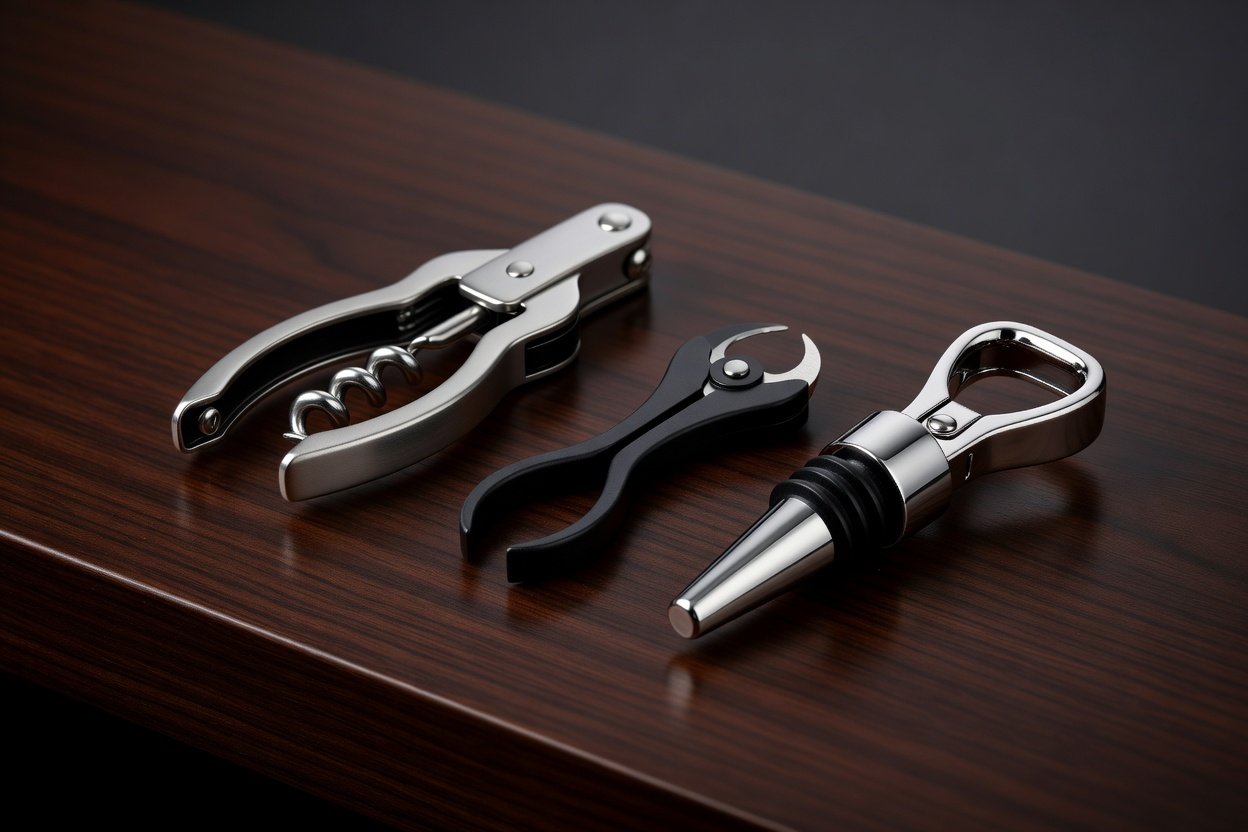
The foundation of effortless opening lies in selecting and maintaining high-quality tools. A double-hinged waiter’s friend corkscrew offers superior leverage for natural corks, allowing controlled extraction without excessive force. Pair it with a sharp foil cutter that removes the capsule cleanly below the bottle lip, preventing foil fragments from falling inside. For sparkling wines, a dedicated champagne key or saber provides dramatic yet controlled opening, while a simple bottle opener handles screw caps efficiently.
Additional essentials include a clean linen cloth for wiping rims and absorbing any drips, plus a decanting funnel or fine mesh strainer for sediment-heavy bottles. Sommeliers often carry a cork retriever as backup for challenging extractions. These tools, when chosen for ergonomics and durability, reduce physical strain and errors during service. In professional settings, maintaining a dedicated wine station with these items ensures consistency across shifts.
Detailed Step-by-Step for Natural Cork Bottles
Start by inspecting the bottle for any signs of leakage or damage around the capsule. Cut the foil capsule precisely one centimeter below the lip using your foil cutter, then wipe the exposed rim thoroughly with your cloth. Center the corkscrew worm on the cork and apply steady downward pressure while twisting clockwise until the first hinge rests firmly on the bottle lip. Lift the handle smoothly to extract the top portion, then reposition the second hinge for the final pull.
For older or fragile corks, angle the worm slightly and pull in short, controlled increments rather than one forceful motion. This technique prevents crumbling and allows you to examine the cork for clues about the wine’s condition, such as mold or dryness. In fine dining restaurants like those in New York’s top establishments, sommeliers demonstrate this method tableside to impress guests while protecting the wine’s integrity.
Handling Screw Cap Wines Professionally
Screw caps have become increasingly common in premium wines due to their reliability and lack of cork taint risk. Grip the cap firmly with your dominant hand and twist counterclockwise in one continuous motion while holding the bottle at a 45-degree angle. Avoid jerking motions that could damage the seal or cause spillage. Once removed, inspect the inner liner for any residue before pouring.
This method suits high-volume service where speed matters without sacrificing elegance. Many sommeliers note that screw cap bottles open faster than corked ones, making them ideal for busy tasting rooms or casual pairings. Always store opened screw cap bottles upright if not finishing immediately to maintain freshness.
Advanced Techniques for Sparkling Wines
Sparkling wines require extra caution because of internal pressure that can reach several atmospheres. Chill the bottle to around 8–10°C before opening to reduce pressure. Remove the foil and loosen the wire cage while keeping your thumb firmly on the cork. Point the bottle away from guests and twist the base slowly rather than the cork itself, allowing gas to escape gradually with a controlled sigh instead of a loud pop.
Once opened, pour immediately into glasses held at an angle to preserve carbonation. These steps mirror protocols taught in professional certification programs and used at venues featured on Decanter. For magnum or larger formats, two people may assist—one stabilizing the bottle while the other manages the cork.
Comparing Different Opener Styles and Their Uses
Choosing the right opener depends on context, bottle type, and personal preference. The waiter’s friend remains the gold standard for its versatility and portability across natural corks and screw caps. Winged corkscrews offer simplicity for novices but lack the precision needed for aged bottles. Electric openers excel in high-volume settings yet require regular charging and maintenance. The saber method adds theatrical flair for sparkling wines during celebrations but demands practice to avoid accidents.
- Waiter’s Friend: Compact, precise, and favored in Michelin-starred restaurants for daily service.
- Winged Corkscrew: Beginner-friendly with visible leverage but bulkier for travel.
- Electric Models: Quick extraction for events yet less tactile feedback on cork condition.
- Saber: Elegant for sparkling presentations but limited to pressure-sealed bottles.
Real-world examples from fine dining show that experienced sommeliers carry multiple options and adapt based on the wine list and guest expectations.
Preservation Techniques During and After Opening
Minimize oxygen exposure by opening bottles only moments before serving. For unfinished bottles, immediately apply a vacuum pump or inert gas spray to displace air. Store the bottle upright in a cool, dark place to allow any disturbed sediment to settle. These practices extend the wine’s drinkable window and maintain aromatic integrity.
Common Mistakes and How to Avoid Them
Many errors stem from rushing or using dull tools. Never twist a corkscrew too aggressively, as this can push the cork into the bottle. Avoid shaking sparkling wines or opening them when overly warm. Always decant sediment-heavy wines slowly after resting the bottle upright for several hours. In professional training, sommeliers practice these scenarios repeatedly to build muscle memory and confidence.
FAQ: Addressing Broken Corks, Sediment, and More
What should I do if the cork breaks during extraction? Leave the remaining piece in place and reinsert the corkscrew at a slight angle. Pull gently while twisting. A dedicated cork retriever tool provides an alternative for stubborn fragments without contaminating the wine.
How do I manage heavy sediment? Rest the bottle upright for at least four hours before opening. Decant slowly into a clean vessel using a funnel with a built-in filter or fine mesh strainer to catch particles.
Can I reuse corks or caps? Natural corks rarely reseal effectively, so transfer leftover wine to a smaller bottle with a fresh closure. Screw caps can sometimes be reapplied temporarily but are not ideal for long-term storage.
What about synthetic corks? Treat them similarly to natural corks but expect slightly different resistance during extraction due to their firmer texture.
These sommelier techniques transform wine opening into an art form that enhances every occasion. Consistent practice builds the confidence to handle any bottle type with grace and precision. For additional professional development, consult resources available at Wine.com and Masters of Wine.


No comments yet. Be the first!