 Uncorked Conversations
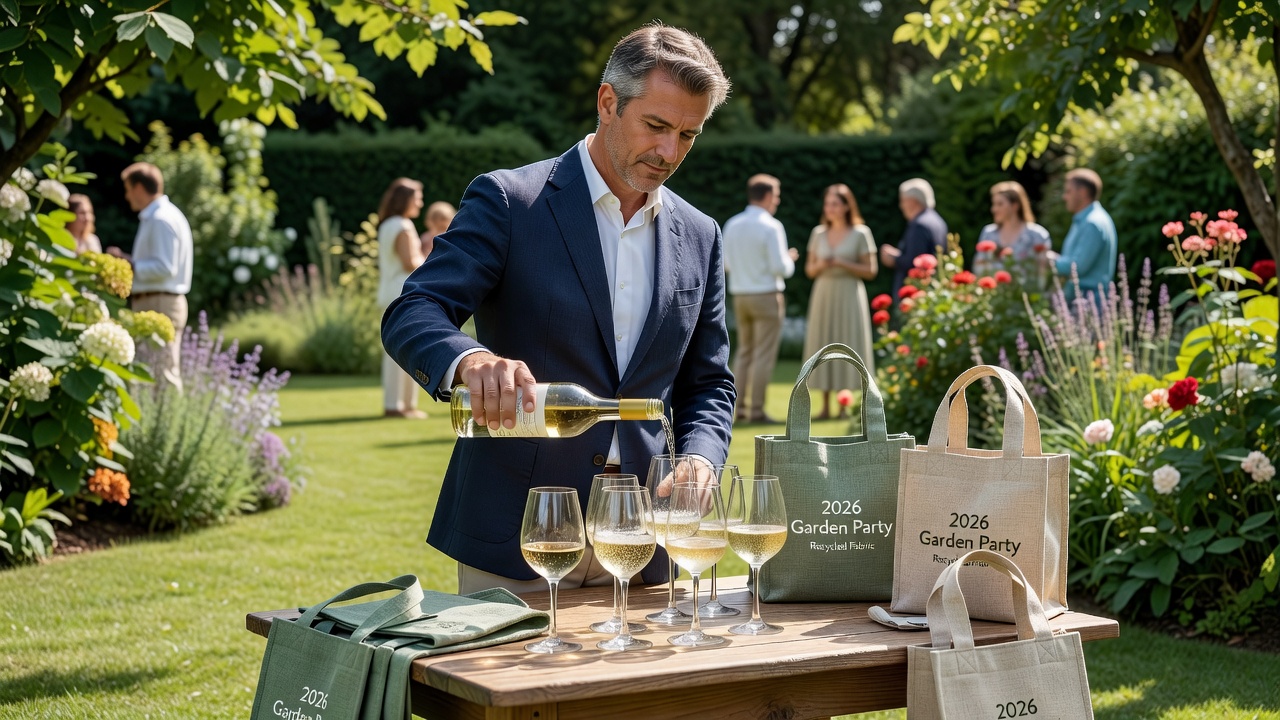
Introduction: Elevating Outdoor Wine Experiences in 2026
Outdoor gatherings continue to dominate social calendars in 2026, blending fresh air with exceptional wine. As a sommelier, mastering wine serving outdoors requires adapting classic techniques to nature’s variables. This guide delivers practical, field-tested advice on temperature management, wind effects, portable storage, stable glassware, timed decanting, and food pairings that shine at garden parties and picnics. Readers will learn how to overcome common obstacles while embracing 2026 trends such as eco-friendly accessories and streamlined transport methods that set outdoor service apart from controlled indoor environments.
Key Challenges of Outdoor Wine Serving
Temperature fluctuations remain the biggest threat to wine integrity. Direct sunlight can raise a bottle’s temperature by 10–15 degrees within minutes, while cool evening breezes chill whites too quickly. Wind disperses delicate aromas before guests can appreciate them, and uneven surfaces turn standard glassware into tipping hazards. Portable storage solutions must balance insulation with easy transport, especially when incorporating 2026 eco-friendly accessories made from recycled materials. Additional challenges include insect interference, sudden weather shifts, and maintaining consistent pour volumes when tables are scattered across lawns or beaches. Understanding these factors allows sommeliers and hosts to prepare proactively rather than reactively during events.
Selecting Stable Wine Glasses for Uneven Surfaces
Choose glasses with wide, weighted bases and shorter stems for stability on grass, picnic tables, or patios. Stemless designs reduce the risk of toppling in gusts. Look for durable, BPA-free Tritan or recycled glass options that stack safely for transport. Always test glasses on the actual surface before guests arrive. Consider comparing materials: traditional crystal offers elegance but breaks easily outdoors, whereas polycarbonate alternatives provide impact resistance without sacrificing clarity. For larger groups, select sets that nest together to save space in coolers. Real-world testing shows that glasses with a base diameter of at least two inches perform best on soft turf, preventing spills that could ruin picnic blankets or wooden decks.
Timing Decanting in Variable Outdoor Conditions
Decanting outdoors demands flexibility. For young reds, begin decanting 30–45 minutes before serving but keep the decanter shaded and covered with a lightweight cloth to protect against wind and insects. Older vintages benefit from shorter exposure—15 minutes max—to preserve fragile aromas. 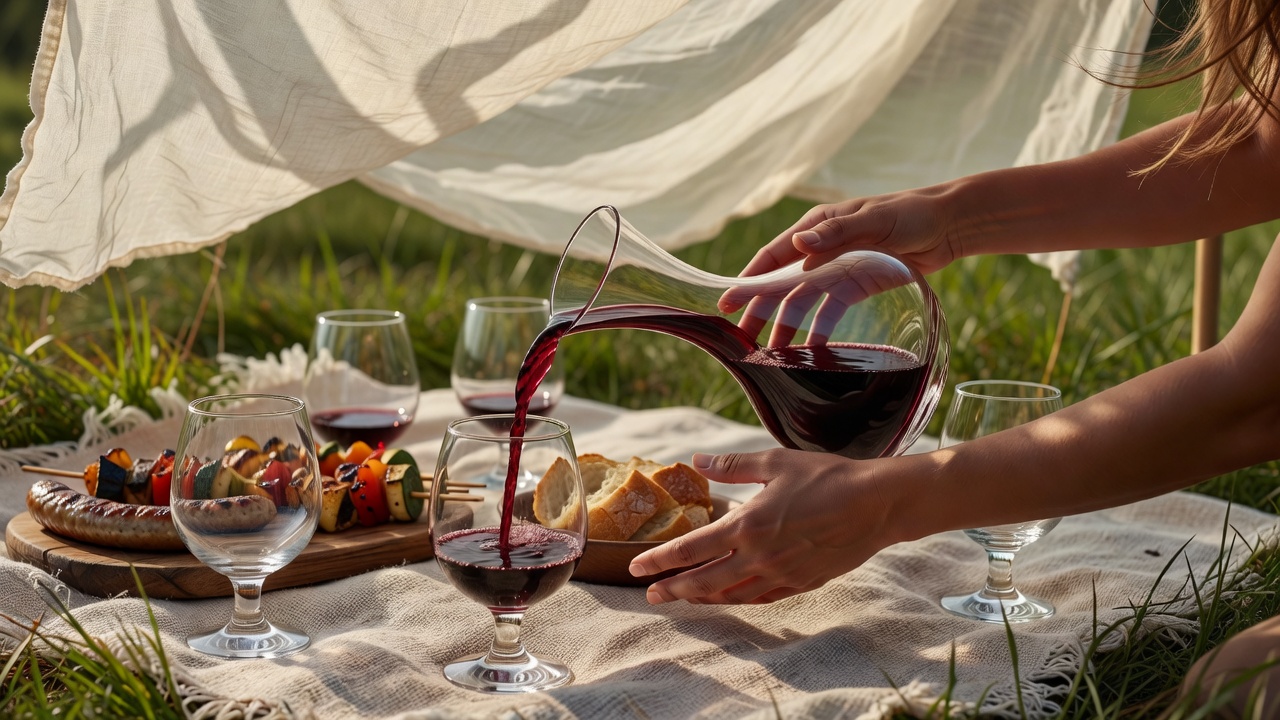
Portable Storage and Eco-Friendly Transport Solutions
Invest in insulated wine totes made from recycled ocean plastics. These keep bottles at optimal temperature for up to four hours without ice. Pair them with reusable gel sleeves that freeze overnight and slip over individual bottles. For larger events, rolling coolers with dedicated wine compartments prevent breakage while reducing single-use packaging. In 2026, many hosts favor modular carriers that convert from backpack to shoulder tote, featuring solar-reflective outer layers. Separate compartments for whites, reds, and sparkling wines help maintain distinct serving temperatures. When traveling to remote picnic sites, lightweight aluminum cases lined with recycled foam provide extra protection against bumps and temperature swings. Always preload carriers the night before to minimize last-minute stress.
Pairing Pours with Outdoor Foods
Light, chilled rosés and crisp whites pair beautifully with grilled seafood, fresh salads, and charcuterie boards. Medium-bodied reds shine alongside burgers, grilled vegetables, and aged cheeses. Serve smaller pours more frequently to maintain ideal serving temperatures. Offer non-alcoholic sparkling options in matching glassware for inclusivity. Create a simple pairing chart: Sauvignon Blanc with citrus-based dishes, Pinot Noir with mushroom appetizers, and sparkling wine with salty snacks like popcorn or nuts. Adjust acidity levels based on the food’s intensity—brighter wines cut through rich grilled meats while softer varieties complement delicate vegetable sides. Experiment with small tasting flights during setup to refine combinations before guests arrive.
Real-World Examples from Garden Parties and Picnics
At a 2026 rooftop garden party in Napa, sommeliers used weighted stemless glasses and shaded decanters to serve Pinot Noir successfully despite 15 mph winds. A lakeside picnic featured screw-cap Sauvignon Blanc kept cold in recycled-fabric totes, poured into stackable glasses that survived sandy terrain without tipping. Another example comes from a backyard barbecue where hosts employed modular eco-totes to transport both chilled whites and room-temperature reds across uneven lawns. Guests praised the consistent temperatures and aroma preservation, noting how the setup felt professional yet relaxed. These cases highlight the importance of pre-event site surveys to identify wind patterns and surface challenges in advance.
Step-by-Step Outdoor Wine Serving Checklist
- Survey the venue for sun exposure, wind direction, and surface stability two hours prior.
- Pre-chill whites and rosés using eco-gel sleeves; pack reds in insulated compartments.
- Set up a shaded serving station with stable glassware and covered decanters.
- Time decanting based on wine age and current weather conditions.
- Pair pours with food stations and offer smaller, frequent servings.
- Monitor temperatures every 20 minutes and adjust placement as needed.
- Pack reusable carriers for easy breakdown and sustainable cleanup.
Common Mistakes to Avoid: Short FAQ
- Over-decanting in wind: Always cover the decanter.
- Ignoring temperature swings: Check bottles every 20 minutes.
- Using delicate stems outdoors: Opt for stable, low-stem designs.
- Forgetting eco-transport: Choose reusable, recycled-material carriers.
- Serving large pours: Smaller, frequent pours maintain temperature and freshness.
Conclusion
Applying these sommelier techniques transforms any outdoor gathering into a refined wine experience. Focus on temperature control, wind protection, stable glassware, and sustainable transport to impress guests while respecting the environment in 2026 and beyond. For additional professional resources, visit National Park Service outdoor event guidelines and USDA food safety recommendations. With thoughtful preparation, every picnic or garden party can deliver memorable, perfectly served wine.
No comments yet. Be the first!