 Uncorked Conversations
Introduction to Old World and New World Wine Serving
Wine service is an art that varies significantly between Old World and New World traditions. Sommeliers understand that subtle adjustments in glass selection, decanting times, and storage can dramatically enhance the tasting experience. This comprehensive guide breaks down these differences with practical, at-home applications so you can serve wines like a professional. Whether you are opening a classic Bordeaux or a bold Napa Cabernet, mastering these techniques transforms ordinary bottles into memorable experiences. Old World wines hail primarily from Europe and emphasize elegance, minerality, and food pairing potential, while New World wines from places like California, Australia, and South America deliver ripe fruit, higher alcohol, and immediate drinkability.
Understanding the Core Philosophies Behind Regional Styles
Old World wines from regions such as Bordeaux, Burgundy, and the Loire Valley reflect centuries of tradition focused on terroir expression and restraint. These wines often show earthier notes, higher acidity, and firmer tannins that evolve beautifully with age. In contrast, New World producers in Napa Valley, Barossa Valley, and Mendoza craft wines that highlight bold fruit-forward profiles, softer tannins, and generous body. Serving techniques must respect these philosophies: Old World wines reward patience and precision, while New World selections benefit from techniques that unlock their vibrant aromatics without over-oxidizing them. Understanding this distinction helps home enthusiasts avoid common errors like over-decanting delicate Old World bottles or under-aerating powerful New World reds.
Glassware Selection for Optimal Aroma and Flavor
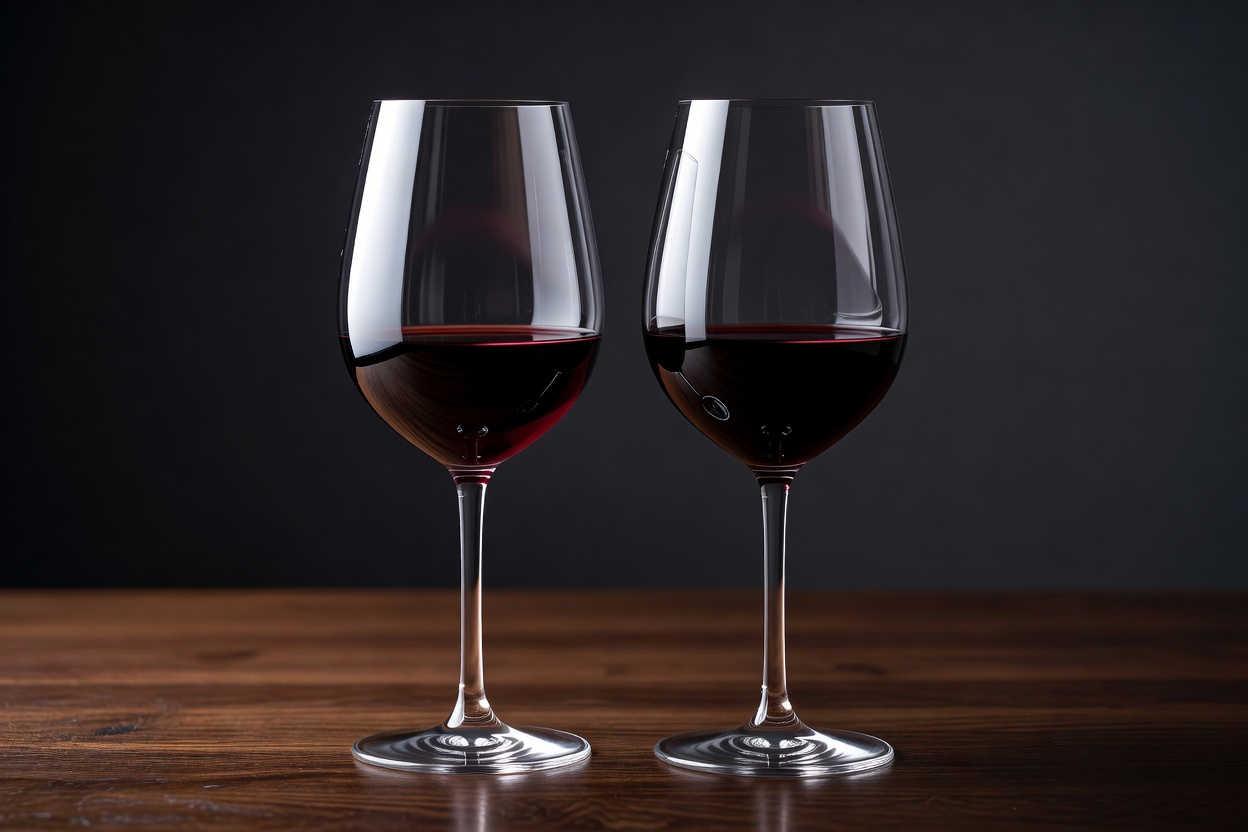
Choosing the right glass is foundational to proper wine service. The shape influences how aromas concentrate and how the wine flows across the palate. For Old World reds like a classic Bordeaux, select medium-sized tulip-shaped glasses with a narrower rim. This design preserves delicate herbal and earthy notes while directing tannins smoothly. New World Cabernets or Shiraz demand larger, wider-bowled glasses that allow ample oxygen contact to soften bold fruit and reveal layers of chocolate or spice. White wines follow similar logic: Old World Chablis shines in narrower glasses that maintain its crisp acidity, whereas New World Chardonnay benefits from broader bowls that enhance creamy textures. Always avoid oversized balloon glasses for restrained wines, as they can dissipate subtle aromas too quickly. Invest in versatile sets from reputable makers to cover both styles without needing an extensive collection.
Decanting Duration and Advanced Techniques
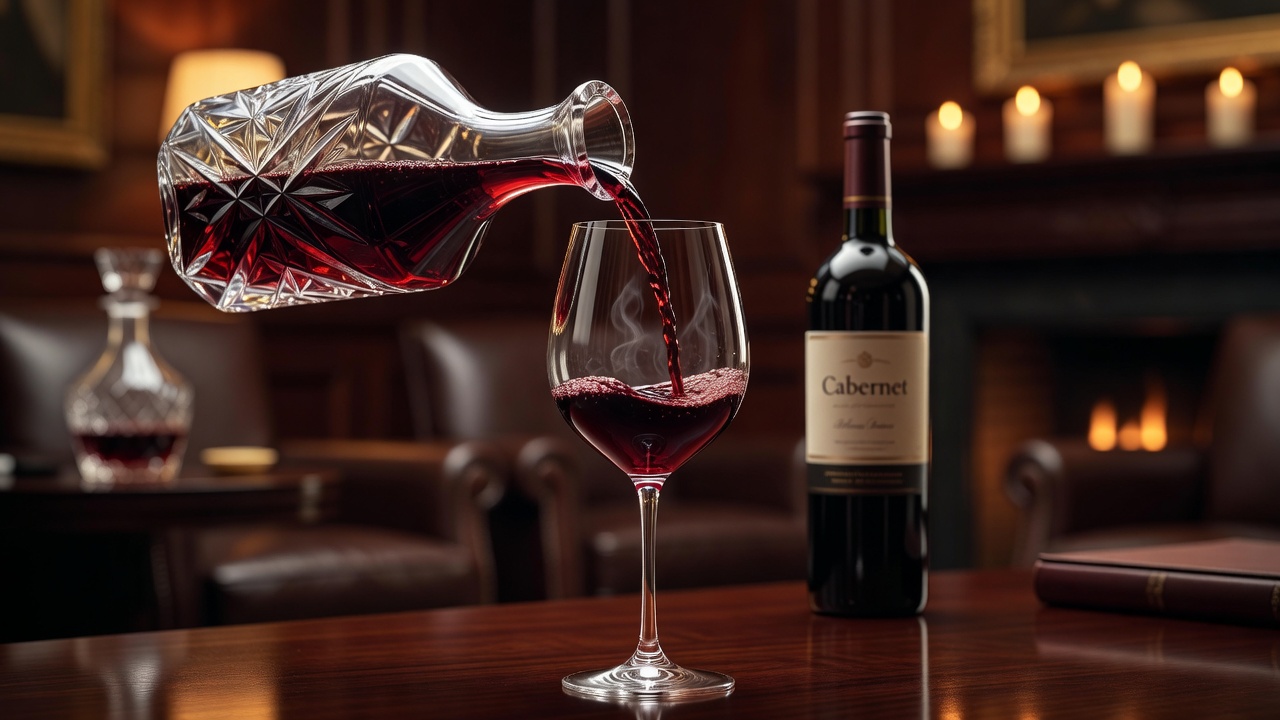
Decanting serves two purposes: removing sediment from aged bottles and introducing oxygen to soften tannins. Old World wines typically require longer decanting periods of 45 to 90 minutes because their structure needs time to integrate. A 15-year-old Burgundy might need a full hour in a wide-base decanter to reveal its floral complexity. New World wines, with their riper tannins and softer structure, often reach optimal expression in just 15 to 40 minutes. Over-decanting can strip away vibrant fruit in these bolder styles. Practical tip: start with shorter times and taste periodically. For sediment-heavy bottles, use a light source behind the neck while pouring slowly. Always decant at the table for dramatic effect and to let guests appreciate the transformation.
Storage Tweaks and Temperature Management Before Serving
Proper storage sets the stage for successful service. Maintain a consistent cellar temperature around 55 degrees Fahrenheit for both styles, but make subtle adjustments based on origin. Old World wines prefer slightly cooler conditions to preserve their acidity and age gracefully. New World wines can tolerate marginally warmer storage before being chilled briefly prior to serving. Avoid rapid temperature swings, which can shock the wine. For whites, Old World examples like Sancerre should be served at 48-52 degrees, while New World Sauvignon Blanc from New Zealand often tastes best at 50-55 degrees to highlight tropical notes. Red wines follow similar regional logic: serve Old World Pinot Noir at 58-62 degrees and New World versions at 60-64 degrees. Use a reliable wine thermometer and plan ahead by moving bottles from storage to serving temperature several hours in advance.
Step-by-Step Serving Sequence for Consistent Results
Follow this detailed sequence for both Old World and New World bottles. First, verify the bottle temperature with a thermometer. Second, select the appropriate glassware based on the wine's origin and style. Third, decide on decanting duration using the guidelines above and execute the pour carefully. Fourth, allow the wine to rest in the glass for two to three minutes before the first sip. Fifth, present the bottle label-forward and pour in a smooth, controlled motion without touching the glass rim. Repeat pours only after guests have finished their current serving to maintain temperature and aroma integrity. This methodical approach ensures every detail aligns with sommelier standards.
Bordeaux vs Napa Cabernet: Detailed Side-by-Side Comparison
Consider a 2018 Bordeaux from the Left Bank versus a 2018 Napa Valley Cabernet Sauvignon. The Bordeaux shows restrained blackcurrant, graphite, and cedar notes that require 60 minutes of decanting in a medium bowl glass to fully express its elegance. The Napa Cabernet bursts with blackberry, vanilla, and mocha, needing only 20 minutes in a large-bowled glass to soften its plush tannins. Storage for the Bordeaux emphasizes cooler conditions, while the Napa benefits from slightly warmer pre-service handling. Side-by-side tastings reveal how Old World restraint pairs beautifully with roasted meats, whereas New World boldness complements grilled steaks and rich sauces. These examples illustrate why matching service technique to regional character elevates enjoyment.
Common FAQs on Aroma Preservation and Advanced Techniques
How long should wine breathe after opening? Old World bottles often need extended breathing through decanting, while New World wines may lose vibrancy if left open too long. What glass shape best preserves delicate aromas? Narrower rims for Old World restraint and wider bowls for New World intensity. Should I swirl Old World or New World wines differently? Gentle swirling suits both, but New World wines tolerate more vigorous action. Can screw-cap wines be decanted? Yes, especially fruit-forward New World selections. These answers help readers apply techniques confidently at home.
Practical Checklist for Home Sommeliers
- Identify the wine's region and vintage before selecting glassware.
- Check and adjust storage temperature at least two hours prior.
- Prepare decanter and time the aeration period accurately.
- Verify serving temperature with a thermometer immediately before pouring.
- Have backup glasses ready in case of breakage or style adjustments.
- Document tasting notes to refine future service decisions.
Common Mistakes to Avoid When Serving Regional Wines
Many enthusiasts over-decant New World wines, flattening their fruit, or under-aerate Old World bottles, leaving tannins harsh. Using the wrong glass size is another frequent error that masks regional character. Always match technique to origin rather than defaulting to one method for all reds.
Conclusion
Applying these sommelier techniques elevates everyday wine enjoyment, bridging Old World tradition with New World innovation for memorable tastings. For additional resources on global wine regions and service, explore Decanter, Wine Spectator, and Jancis Robinson.
No comments yet. Be the first!