 Uncorked Conversations
Introduction: Why Light and Vibration Threaten Wine Quality
Wine is a delicate beverage whose chemical composition can shift dramatically due to environmental factors. Sommeliers emphasize that ultraviolet (UV) light and physical vibrations are among the most overlooked threats in home storage. UV rays trigger photochemical reactions that degrade tannins and aromas, while vibrations accelerate sediment disturbance and oxidation. This guide explores the science and offers practical prevention strategies focused on long-term preservation rather than basic cellaring. Understanding these elements helps collectors maintain the integrity of their bottles over decades, ensuring that every pour reflects the winemaker's original intent rather than unintended environmental alterations.
The Science of UV Light Damage to Wine
Light exposure, particularly in the 300-400 nm wavelength range, initiates reactions that produce off-flavors described as "light-struck" or "skunky." White wines and rosés suffer most visibly, but even robust reds lose complexity over months. Prolonged exposure can reduce desirable phenolic compounds by up to 30 percent within weeks, altering color, bouquet, and mouthfeel irreversibly. The process involves riboflavin acting as a photosensitizer, leading to the breakdown of amino acids and the formation of volatile sulfur compounds. High-risk home locations include windowsills, open kitchen counters near skylights, and living room displays under LED or fluorescent fixtures. Even indirect sunlight through curtains can accumulate damage over time, making proactive shielding essential for any serious collection.
Identifying Vulnerable Storage Spots
Begin your assessment by walking through potential areas with a critical eye. South- or west-facing windows allow the strongest afternoon rays that penetrate glass easily. Closets adjacent to laundry areas often receive bright overhead lights switched on frequently. Garages or basements with partial natural light infiltration through vents or doors pose hidden risks. Wall-mounted racks in dining areas expose bottles to constant ambient lighting from chandeliers or lamps. Additional problem zones include utility rooms near water heaters that emit both heat and light, and open shelving in home offices where computer screens and overhead fluorescents combine forces.
Vibrational Stress and Its Impact on Wine Chemistry
Constant low-level vibrations from appliances, foot traffic, or HVAC systems can disturb lees sediment and promote micro-oxidation through repeated cap movement. Over years, this leads to premature aging and muted fruit profiles. Real-world examples include bottles stored near refrigerators showing faster color browning compared to stable cellar counterparts. Vibrations as subtle as those from a nearby washing machine can cause tiny bubbles to form and rise repeatedly, introducing oxygen that dulls acidity and softens structure. The cumulative effect is especially pronounced in older vintages where the cork has already begun to breathe naturally.
Decanter resources highlight how vibration control preserves bottle integrity during extended aging periods.
Step-by-Step Mitigation Techniques
Begin by assessing your current setup with a simple light meter app and vibration detection via smartphone sensors. Install UV-filtering films on nearby windows or switch to amber-tinted storage solutions. For racks, choose models with UV-blocking coatings or opaque doors. Next, map appliance locations and relocate storage at least six feet away from refrigerators, washers, or air conditioners. Seal gaps around doors and add weather stripping to block both light leaks and minor tremors. Consider acoustic panels or rubber mats under shelving units to absorb transmitted energy from floors.
Using UV-Filtering Racks Effectively
- Select racks made from dark wood or metal with integrated filters rated to block 99 percent of UV rays
- Position bottles horizontally to minimize air contact and maintain cork moisture
- Rotate stock quarterly to check for light intrusion and label fading
- Pair with blackout curtains in multi-use rooms for layered protection
- Inspect seals on any enclosed units annually to ensure continued effectiveness
Cellar vs Closet Solutions: A Practical Comparison
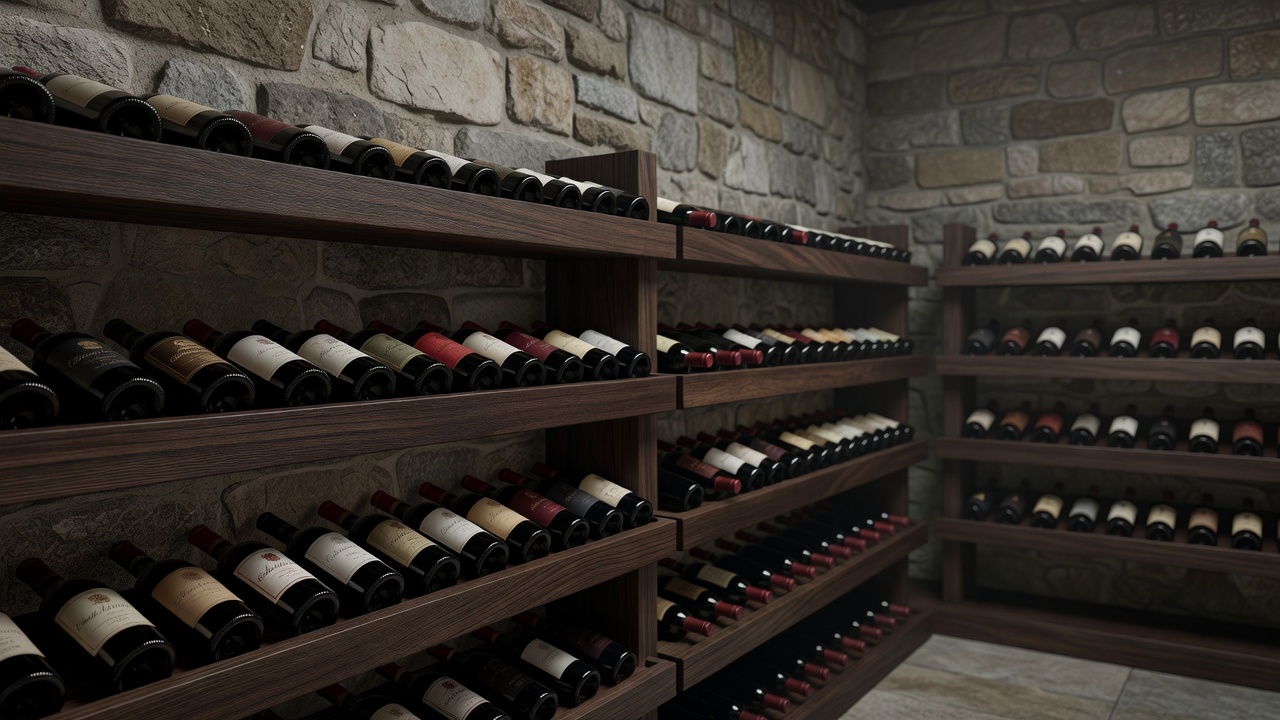
Dedicated cellars offer consistent 55°F temperatures and 70% humidity with minimal vibration, ideal for 10+ year aging. They typically incorporate insulated walls, vapor barriers, and independent climate controls that eliminate external fluctuations. Closet conversions using insulated panels and vibration-dampening mats provide a cost-effective alternative for smaller collections in apartments or townhomes. Pros of cellars include scalability for hundreds of bottles and superior long-term stability; cons involve higher initial construction expenses and space requirements. Closets excel in accessibility and lower upfront investment but may need frequent monitoring for humidity spikes. Both benefit from decoupling shelves from walls to reduce transmitted vibrations. Choose based on your collection size and available square footage while prioritizing darkness and stillness above all.
Actionable Checklists for Daily and Seasonal Care
- Daily: Ensure no direct light reaches bottles; monitor room temperature fluctuations with a digital hygrometer
- Weekly: Check for appliance-induced vibrations near storage using a simple phone app; dust racks gently
- Monthly: Inspect corks for seepage indicating oxidation; verify that labels remain legible and unfaded
- Seasonally: Adjust humidity controls before summer humidity spikes or winter dryness; test UV film adhesion
- Annually: Conduct a full inventory audit, noting any bottles showing premature color changes
Product Recommendations Tied to Wine Service Prep
Invest in protective sleeves that double as decanting prep tools, allowing safe transport to the table without light exposure. Pair storage solutions with quality wine glasses that maintain temperature during serving, ensuring the efforts in protection translate to optimal tasting experiences. Look for decanters with UV-resistant glass for short-term holding after opening. Additional helpful items include LED strip lights with warm, low-intensity settings for occasional viewing and anti-vibration platforms designed specifically for wine racks. These choices create a seamless workflow from protected storage to polished presentation.
Real-World Examples: Spoiled vs Preserved Bottles
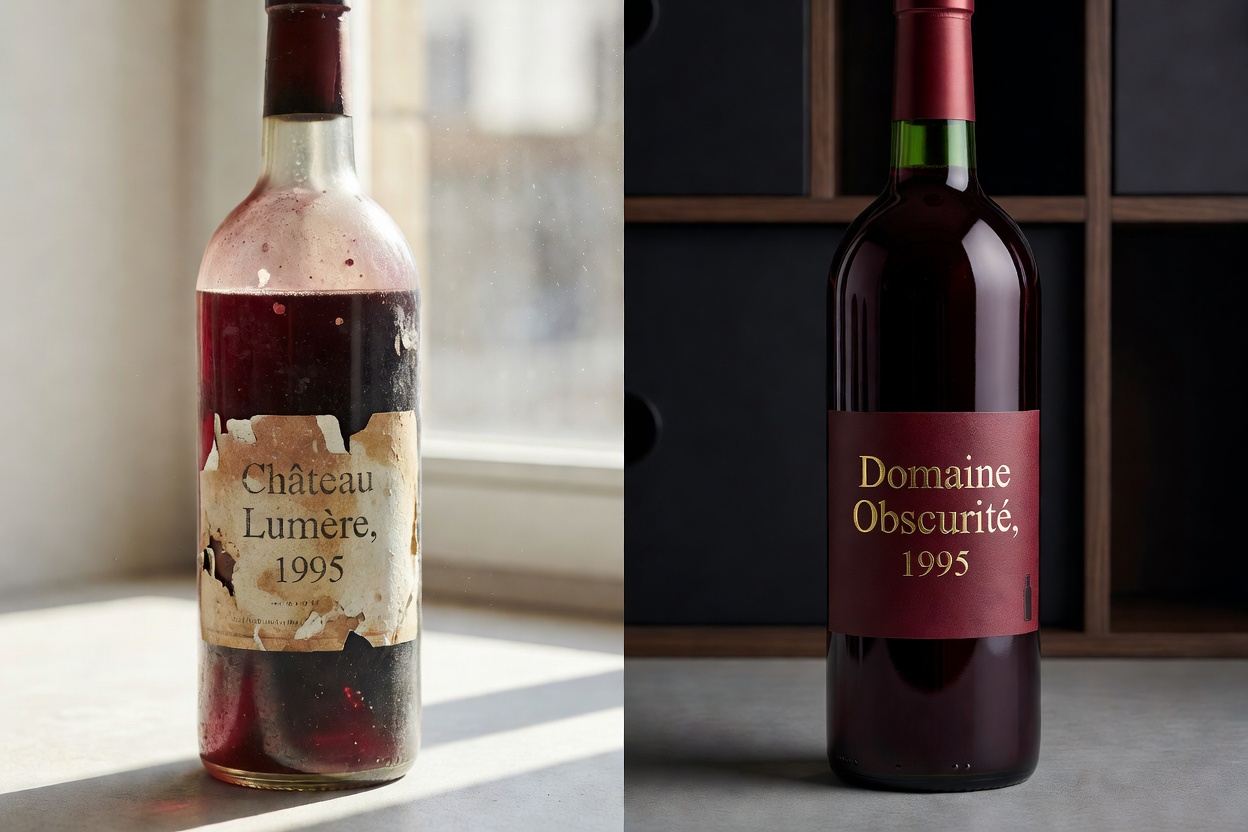
A 2018 Cabernet stored near a sunny window developed metallic notes within 18 months, while an identical bottle in a vibration-isolated closet retained vibrant black fruit and firm tannins after five years. Another case involved a case of Chardonnay left in a laundry-adjacent closet that developed a pronounced cardboard aroma after two summers, contrasted with the same vintage kept in a converted under-stair cellar that remained crisp and citrus-forward. These cases underscore prevention over correction and demonstrate how small environmental choices compound dramatically over time.
Common Mistakes to Avoid
Many enthusiasts inadvertently place racks near exterior doors where temperature swings and occasional sunlight occur. Others rely solely on tinted glass without addressing underlying light sources. Overlooking low-frequency vibrations from subwoofers or treadmills in adjacent rooms is another frequent error. Always test new storage locations with a sample bottle before committing an entire collection.
Long-Term Aging Impacts and FAQ
How long can properly protected wine age?
Many reds reach peak at 10-20 years when shielded from light and vibration, with some age-worthy whites and sparkling wines benefiting similarly from stable conditions.
Does vibration affect all wine types equally?
Sparkling wines suffer most from pressure changes; still whites follow closely, while full-bodied reds show more resilience but still degrade over extended periods.
Can I use regular cardboard boxes?
Only short-term; they offer poor UV protection and absorb moisture, potentially leading to mold or label damage.
What role does temperature play alongside light and vibration?
Fluctuations above 70°F accelerate chemical reactions initiated by light exposure, compounding damage even in low-vibration settings.
Are there affordable home testing tools?
Smartphone apps for light and vibration provide reliable starting points before investing in professional meters.
Wine Institute guidelines reinforce these environmental controls for maintaining varietal character across vintages.
Conclusion
Implementing these sommelier-backed strategies transforms casual storage into professional-grade protection. Focus on prevention to enjoy wines at their intended peak, preserving both investment and enjoyment for years ahead. Consistent attention to light filtration, vibration isolation, and routine checks ensures every bottle delivers its full potential when finally opened.

No comments yet. Be the first!