 Uncorked Conversations

Introduction
Corporate events present unique challenges for wine service, where the goal is to enhance networking, client dinners, and team celebrations without interrupting tight schedules or detracting from professional objectives. Professional sommeliers bring a wealth of techniques that can be adapted for these settings, focusing on efficiency, elegance, and precision. This comprehensive guide explores how to integrate core sommelier practices into corporate environments, covering everything from initial planning to post-event cleanup. Event planners will gain practical, repeatable methods that address real-world constraints such as varying group sizes, limited staff, and the need for quick transitions between sessions. By mastering these approaches, you can ensure wine service elevates the event experience while maintaining a polished atmosphere that impresses attendees.
Understanding the Corporate Context
In corporate settings, wine serves as more than a beverage; it facilitates conversations and creates memorable moments during conferences, board meetings, or gala dinners. Unlike traditional restaurant service, these events often involve larger crowds, strict timelines, and multi-purpose venues that require adaptable strategies. Key considerations include guest demographics, dietary preferences, and the overall event flow. Successful service begins with thorough pre-event planning, including venue assessments and coordination with catering teams. Understanding these nuances allows planners to avoid disruptions and deliver service that feels seamless and sophisticated.
Choosing Wines for Corporate Events
Selecting the right wines starts with considering the menu, guest preferences, and budget parameters. Opt for versatile varietals like Chardonnay for whites and Cabernet Sauvignon or Pinot Noir for reds, which appeal to broad audiences. Consider offering both domestic and international options to accommodate diverse palates. When possible, provide tasting notes in advance to spark interest among attendees. This step ensures the wine complements the occasion rather than overwhelming it, fostering an environment conducive to professional networking.
Step-by-Step Service Sequence
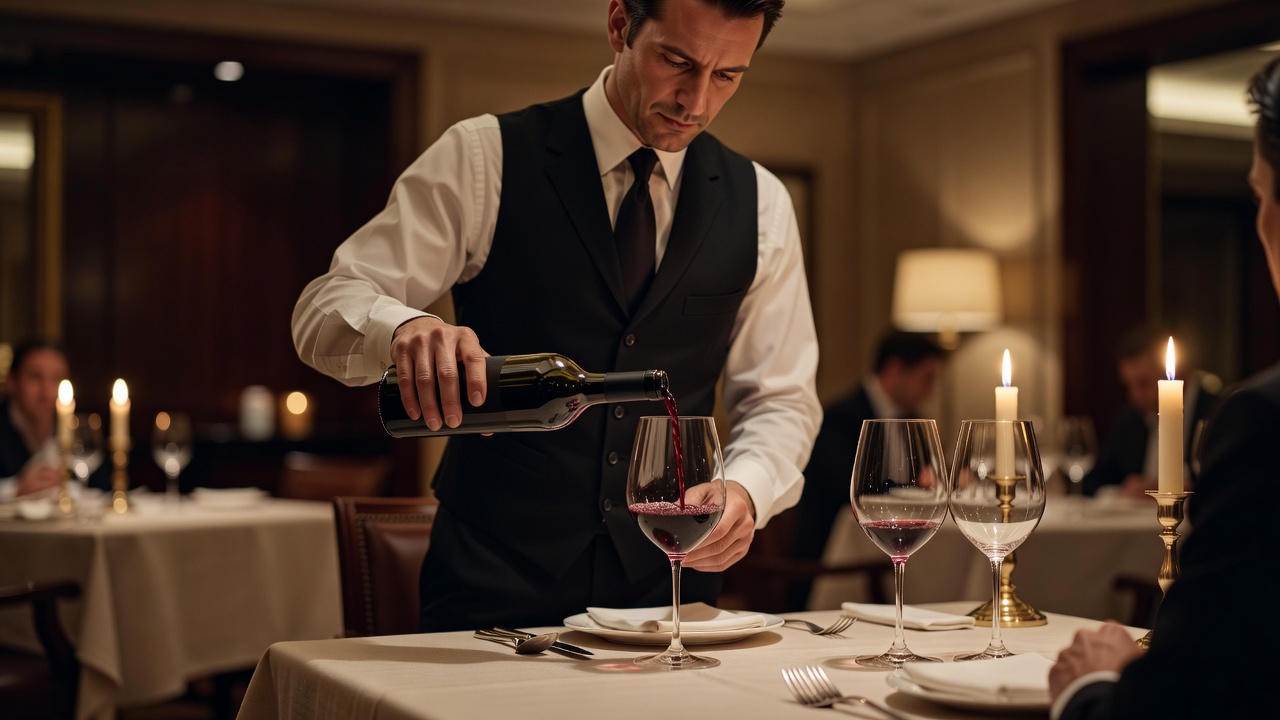
A structured service sequence is essential for maintaining order under pressure. Start with a pre-event walkthrough to map table layouts, identify high-traffic areas, and confirm electrical outlets for any chilling equipment. Servers should approach tables from the right, presenting each bottle label-forward for host approval before opening. Use a consistent pouring technique: begin with the host, then proceed clockwise, filling glasses to one-third for reds to allow breathing room and half for whites to preserve chill. After the initial round, monitor tables discreetly for refill cues, avoiding interruptions during speeches or presentations. This methodical approach minimizes errors and projects professionalism throughout the event.
Storage Between Sessions
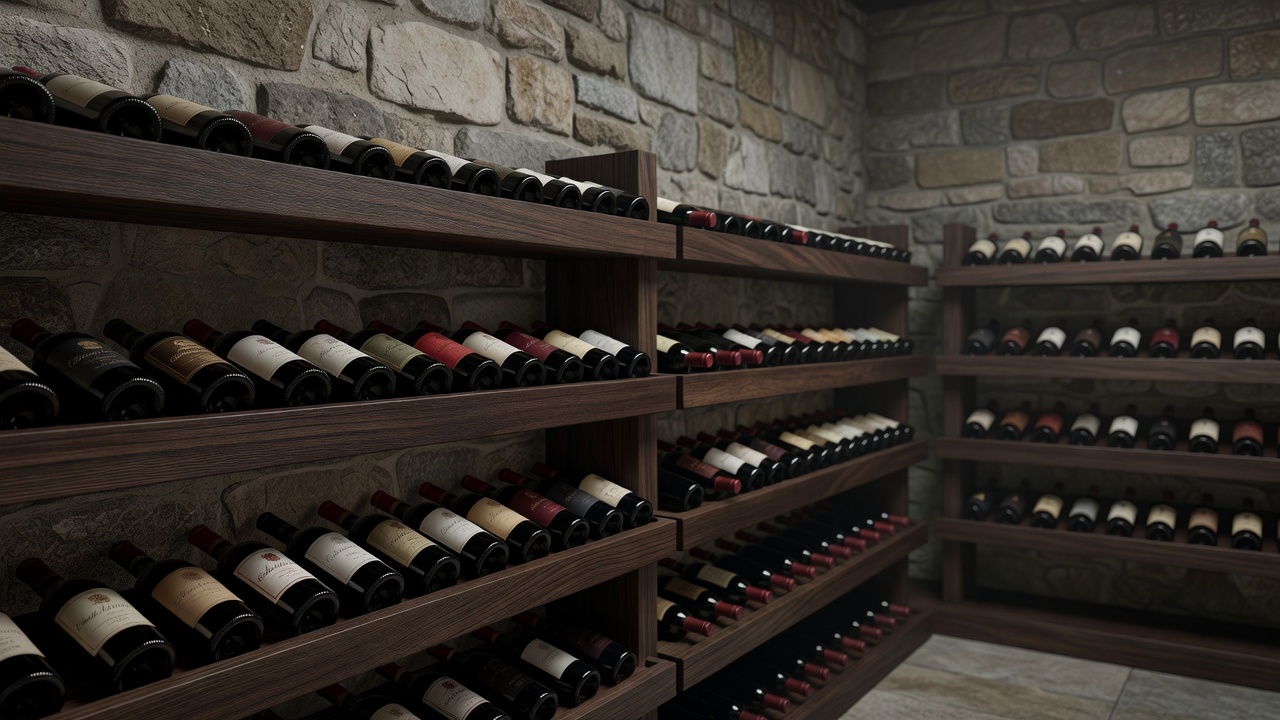
Multi-session events demand careful storage solutions to preserve wine quality between breaks. Keep bottles upright in insulated carriers positioned away from direct sunlight, air vents, or kitchen heat sources. Reds should maintain stable ambient temperatures around 60 degrees, while whites require active cooling through gel packs or portable refrigerators. Always label each carrier with session start times and varietal details to prevent confusion during busy transitions. This practice not only safeguards flavor profiles but also streamlines logistics when managing dozens of bottles across an extended program.
Decanting for Group Pours
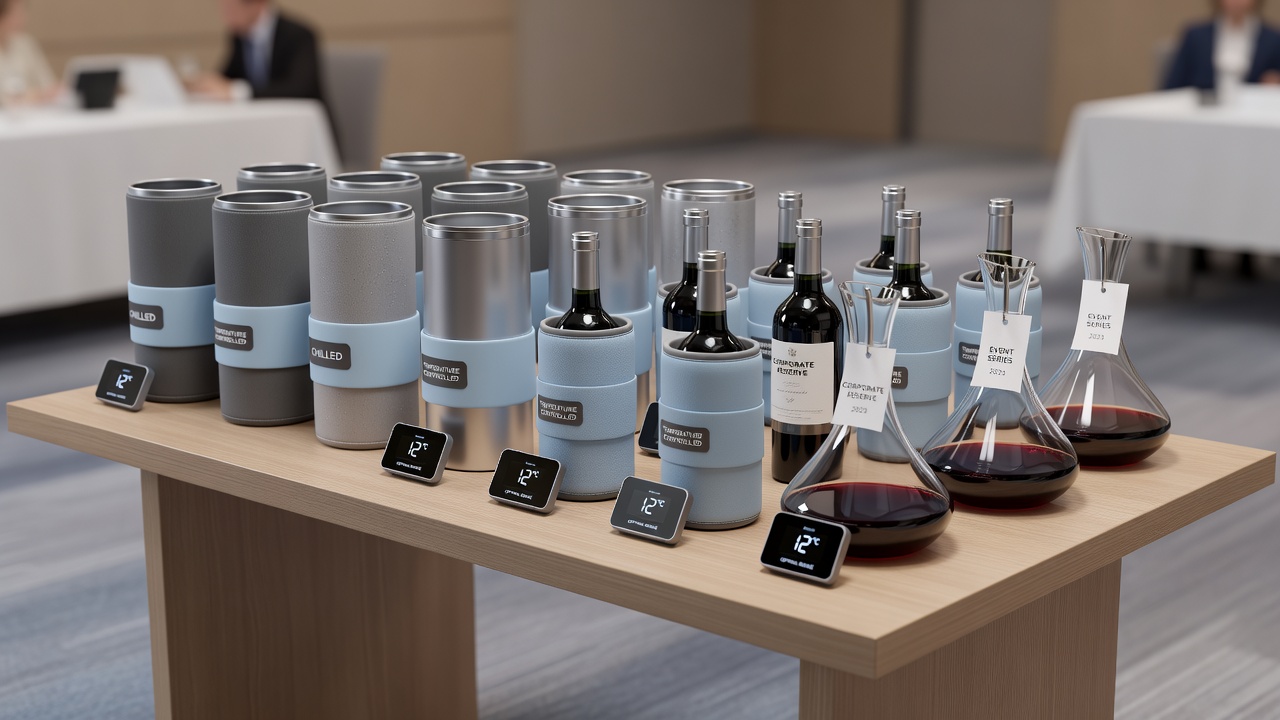
Decanting becomes invaluable for larger groups or tannic wines that benefit from aeration. Prepare decanters at least one hour ahead for optimal results, using wide-base models that facilitate smooth pours into multiple glasses simultaneously. In fast-paced scenarios, incorporate aeration funnels equipped with filters to remove sediment quickly. For very large events, pre-decant into smaller carafes stationed at each table. This technique delivers consistent taste experiences across hundreds of servings while reducing wait times and enhancing the visual appeal of the service.
Glass Selection Under Time Pressure
Glassware choices significantly impact both presentation and practicality. Select universal stemware that works across varietals to simplify inventory and reduce breakage risks in high-volume settings. Prioritize durable, dishwasher-safe options with elegant thin rims for a refined touch. Pre-polish all glasses on-site using lint-free cloths to eliminate spots or fingerprints. Consider renting or purchasing in bulk from reliable suppliers to ensure uniformity. These decisions help maintain an upscale appearance even when operating under tight turnaround windows between agenda items.
Temperature Management Hacks
Precise temperature control is a hallmark of expert service. Equip staff with compact infrared thermometers to verify serving conditions rapidly—aim for 45 to 55 degrees Fahrenheit for whites and 60 to 65 degrees for reds. Transport whites in chilled sleeves refreshed with ice between sessions, and allow reds to acclimate gradually after refrigeration. Backup plans, such as extra sleeves or shaded holding areas, prevent fluctuations caused by venue climate variations. Implementing these hacks ensures every pour tastes as intended, regardless of event duration or external conditions.
Portable Versus Traditional Tools Comparison
- Portable options: Collapsible ice buckets, battery-operated corkscrews, and foldable carriers provide excellent mobility for off-site or unconventional venues, cutting setup time substantially while maintaining core functionality.
- Traditional tools: Heavy crystal decanters and polished corkscrews deliver superior visual impact in hotel ballrooms or formal conference centers, though they require more storage and transport considerations.
- Key trade-offs: Portable equipment often reduces preparation by up to 40 percent but may sacrifice some aesthetic elements, whereas traditional pieces enhance elegance at the cost of added logistics.
- Recommendation: Assess venue constraints early and mix tool types when needed, such as pairing portable openers with traditional decanters for balanced results.
Evaluating these factors in advance helps optimize both speed and sophistication for any corporate gathering.
Real-World Event Examples
Consider a recent technology summit where planners utilized pre-chilled portable sleeves to serve over 200 attendees across three consecutive sessions, maintaining consistent temperatures despite fluctuating room conditions. Another example comes from a law firm anniversary dinner, where staff decanted multiple bottles of Cabernet in advance and performed tableside pours that encouraged lively discussions while adhering to a rigid two-hour program. A third case involved a multinational corporation's annual retreat, where labeled storage systems and universal glassware allowed seamless transitions between networking breaks and formal toasts, earning positive feedback from executives on the overall polish of the service.
Common Pitfalls to Avoid
Many events falter due to overlooked details. Never rush the bottle approval process or neglect temperature verification before pouring. Overfilling glasses can lead to spills during movement-heavy networking periods. Always confirm dietary restrictions and allergies in advance to avoid last-minute substitutions. Additionally, inadequate staff briefing on sequences can cause bottlenecks; mitigate this through brief rehearsals. Awareness of these pitfalls enables proactive planning that safeguards the event's success.
Staff Training and Coordination
Effective training ensures all team members execute the service sequence flawlessly. Conduct short workshops covering pouring techniques, temperature checks, and emergency responses such as broken glass protocols. Assign clear roles, including a lead coordinator for real-time adjustments. Regular communication via headsets or discreet signals keeps the team synchronized, particularly during peak moments like post-dinner toasts. This investment in preparation pays dividends in smooth, professional execution that reflects well on the hosting organization.
Sustainability and Ethical Considerations
Modern corporate events increasingly prioritize sustainability. Source wines from producers with eco-friendly practices and use reusable or recyclable glassware where feasible. Minimize waste by accurately estimating quantities based on guest RSVPs and offering half-bottle options when appropriate. Ethical sourcing also extends to fair labor practices among suppliers. Incorporating these elements aligns wine service with broader corporate responsibility goals, resonating with environmentally conscious attendees.
FAQ
How do you handle multiple bottles efficiently?
Pre-label and group bottles by varietal in insulated carriers, assigning one server per station for rapid rotation and minimal downtime between pours.
What is the best cleanup approach?
Designate a discreet collection area and use biodegradable liners in buckets to streamline post-event breakdown while complying with venue waste policies.
How can planners accommodate last-minute guest count changes?
Maintain a small reserve of versatile wines and extra glasses in storage to scale service up or down without compromising quality or timing.
Are there specific protocols for toasts during formal dinners?
Coordinate timing with event hosts in advance, ensuring servers pause refills during speeches and resume only after the toast concludes to maintain focus on speakers.
Conclusion
Integrating sommelier best practices into corporate wine service transforms it into a seamless and memorable component of any professional gathering. With detailed attention to sequences, tools, temperatures, and contingencies, planners can deliver results that impress clients and colleagues while avoiding common logistical hurdles. For additional insights on professional standards, explore resources from Decanter, Wine Enthusiast, and Wine Spectator. These methods provide a foundation for repeatable excellence in future events.
No comments yet. Be the first!