 Uncorked Conversations
Introduction
Whether you are a home wine enthusiast or an aspiring professional, understanding proper wine service elevates every pour. Many common errors can dull aromas, mute flavors, or even damage bottles before they reach the table. This guide draws on professional sommelier practices to highlight the biggest pitfalls in temperature control, decanting, storage, and glass selection, complete with real-world examples and step-by-step fixes. Wine service is both an art and a science, where small details create dramatic differences in how a wine expresses itself. Professionals spend years mastering these nuances because even expensive bottles can taste ordinary when mishandled. By learning to avoid these mistakes, you will unlock the full potential of every bottle you open and impress guests with thoughtful, precise service.
Mistake 1: Serving Wine at the Wrong Temperature
One of the most frequent errors occurs when wine is served either too warm or too cold. Red wines served at room temperature often taste flabby and alcoholic, while whites served straight from the fridge lose their aromatic complexity. Temperature affects volatility of aromatic compounds, tannin perception, and acidity balance. When wine is too warm, alcohol dominates and fruit becomes muddled. When too cold, the wine closes up and tastes thin or overly acidic. Sommeliers always check bottle temperature before service rather than guessing by touch alone.
Real-World Example
A dinner party host pulled a prized Cabernet Sauvignon from a 22 °C kitchen cabinet. Guests immediately noticed the overpowering heat on the palate and diminished fruit notes. After 30 minutes in a wine cooler set to 16 °C, the same bottle revealed layered blackcurrant and cedar aromas that had been masked earlier. Another common scenario involves sparkling wine left on a sunny patio; the pressure builds and the wine becomes overly aggressive when opened, losing its elegant mousse.
Step-by-Step Correction Guide
- Check the varietal: light reds like Pinot Noir at 14–16 °C, full-bodied reds at 16–18 °C.
- Whites and rosés: 8–12 °C for most styles; sweeter wines can be slightly cooler.
- Use a digital thermometer on the bottle for accuracy.
- Adjust gradually—never shock the wine with ice baths unless it is a sparkling wine intended for rapid chilling.
- Store serving bottles in an ice bucket with water and ice for whites to maintain consistent temperature during the meal.
For authoritative guidance on ideal ranges, consult Decanter. Many restaurants now use infrared thermometers for precision during busy services.
Mistake 2: Poor Decanting Timing and Technique
Decanting benefits many reds and some whites, yet timing and method matter. Over-decanting delicate wines strips their perfume, while under-decanting young, tannic bottles leaves them tight and astringent. The goal of decanting is twofold: to separate sediment from older wines and to aerate younger wines so tannins soften and aromas open. The length of time depends on the wine’s age, structure, and grape variety. Young Cabernet Sauvignon or Nebbiolo may need up to two hours, whereas a mature Pinot Noir might require only twenty minutes.
Before-and-After Comparison
Before: A 2018 Barolo was decanted four hours ahead; by service the wine tasted muted and flat. After: The same producer’s 2019 vintage was decanted 90 minutes before pouring; vibrant rose-petal aromatics and firm tannins remained balanced. Another example involves a 2005 Bordeaux that was decanted too aggressively, causing volatile acidity to spike and the fruit to fade prematurely.
Practical Steps
- Decant young, structured wines 60–120 minutes before serving.
- Older vintages (10+ years) usually need only 30 minutes to separate sediment.
- Hold the bottle at a 45-degree angle and pour slowly against the side of the decanter to avoid splashing.
- Use a candle or flashlight behind the neck to watch for sediment as you pour the final ounces.
- Never swirl the decanter vigorously; gentle movement is enough to introduce oxygen.
Mistake 3: Ignoring Storage Humidity and Light Exposure
Long-term storage mistakes often surface only at opening. Low humidity dries corks, allowing oxygen ingress, while direct light bleaches flavors. Ideal conditions hover around 55–65 % relative humidity and complete darkness. A collector who stored cases in a bright laundry room noticed premature browning in several Chardonnays after only eight months. Moving bottles to a climate-controlled cabinet halted further damage. Fluctuating temperatures also cause corks to expand and contract, creating micro-leaks. Light, especially ultraviolet, breaks down organic compounds responsible for color and aroma. Even artificial lighting in a garage or basement can cause issues over time. Professionals recommend storing bottles on their sides so the cork remains moist and swollen against the glass.
Learn more about cellar best practices at Wine Institute. Additional resources are available through Masters of Wine.
Mistake 4: Choosing the Wrong Glass Shape
Glassware dramatically affects how aromas reach the nose and how the wine flows across the palate. 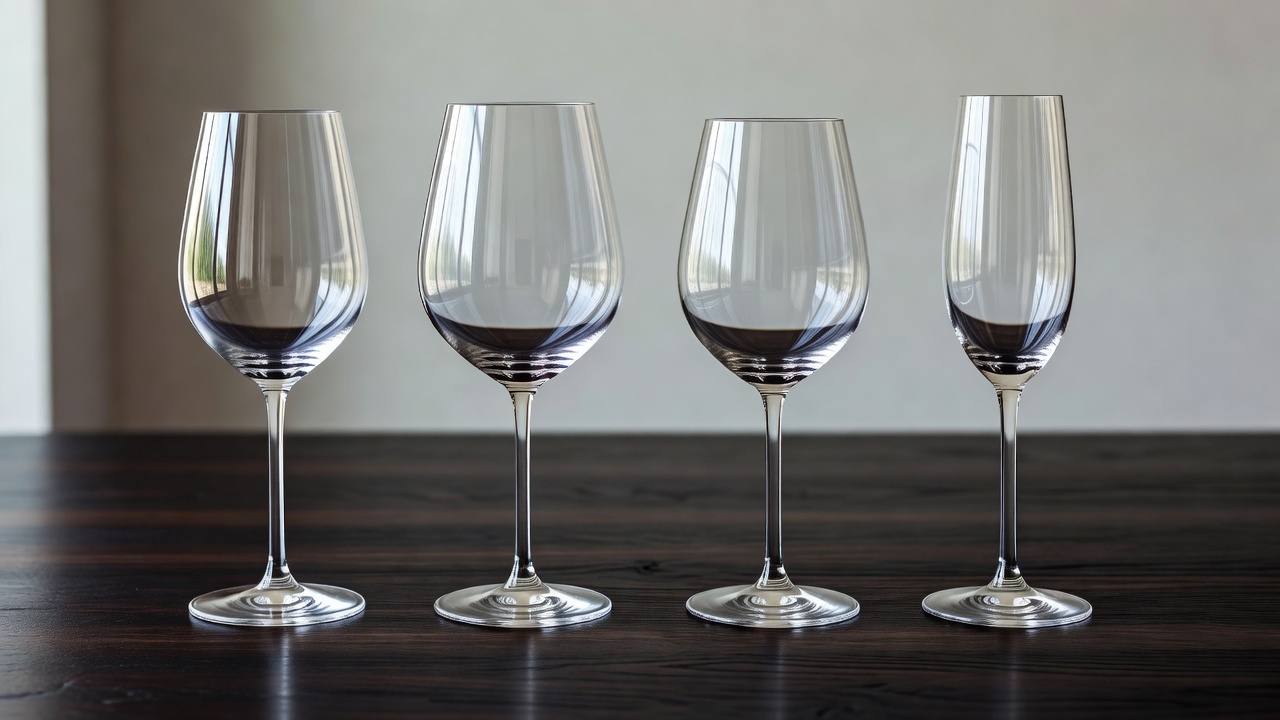
Quick Reference List
- Bordeaux reds: tall bowls with wide bases to direct wine to the back of the palate.
- Burgundy reds: even larger bowls to capture delicate aromatics of Pinot Noir.
- Chardonnay: medium-wide bowls with slight taper to balance oak and fruit.
- Sauvignon Blanc and aromatic whites: narrower bowls to preserve freshness and acidity.
- Sparkling wines: flutes or tulip shapes to maintain effervescence and showcase bubbles.
- Fortified wines: smaller, narrower glasses to concentrate intense aromas without overwhelming.
Additional Common Errors in Service
Beyond the major categories, many hosts overlook proper pouring technique. Overfilling glasses leaves no room for swirling and aroma concentration. The standard pour is five to six ounces, leaving ample space in the bowl. Another frequent mistake is serving wines in the wrong order, with heavier wines preceding lighter ones and overwhelming the palate. Always progress from light to full-bodied and from dry to sweet. Finally, failing to wipe the bottle neck after opening can introduce cork particles or dust into the glass.
Frequently Asked Questions
How long can I keep an open bottle?
Most still wines remain enjoyable for 3–5 days when re-corked and refrigerated. Sparkling wines lose bubbles within 1–2 days. Vacuum pumps can extend this slightly but never restore original vibrancy.
Should I rinse glasses with water or wine?
A quick rinse with cold water is sufficient. Residual wine can alter the first pour’s flavor profile, especially when moving between different varietals.
Is a wine fridge necessary?
For serious collections, yes. Everyday enthusiasts can use a cool, dark closet with a small hygrometer to monitor conditions and avoid temperature swings.
What is the best way to chill wine quickly?
An ice-water bath works fastest. Add salt to lower the freezing point and reduce chilling time to about fifteen minutes for whites and twenty-five for reds that need slight cooling.
Conclusion
Avoiding these four categories of mistakes transforms ordinary bottles into memorable experiences. Apply the temperature guidelines, master decanting timing, protect your cellar environment, and match glassware to each varietal. Pay attention to pouring technique and serving order for truly polished results. Your next dinner party—or professional service—will showcase wines at their absolute best, turning every glass into an opportunity to appreciate the nuance and craftsmanship behind each bottle.
For more foundational advice, explore our Beginner Guides.

No comments yet. Be the first!