 Uncorked Conversations
Introduction to Digital Wine Education in 2026
Learning about wine can feel overwhelming with thousands of grape varieties, regions, and tasting terms. Fortunately, modern technology makes it accessible through specialized apps and websites designed specifically for beginners. These tools help users scan labels, log tastings, identify flavors, and access structured courses without requiring prior expertise. In 2026, the landscape has evolved with improved AI-driven recommendations and more interactive maps that make complex topics like terroir and vintage variations easier to grasp.
In this comprehensive guide, we examine the most effective resources updated for 2026. Whether you are just starting or want to accelerate your education, these platforms provide practical, interactive ways to build confidence and knowledge. Many beginners find that consistent use transforms casual sipping into a rewarding hobby with measurable progress in flavor recognition and region familiarity.
Why Digital Tools Matter for Wine Beginners
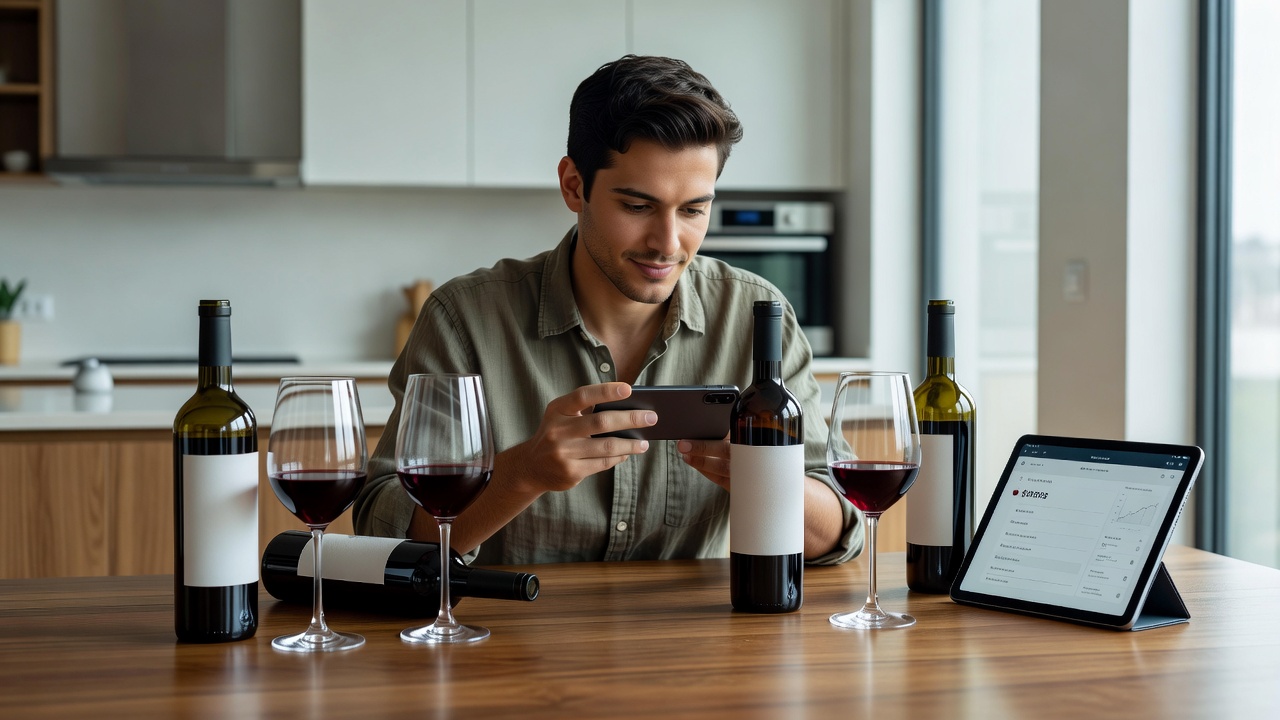
Traditional wine education often involves expensive classes or dense books. Apps and websites democratize access by offering instant feedback, visual aids, and community insights. They allow users to practice flavor identification in real time while tracking progress over months. For instance, a beginner can scan a bottle in a store, receive immediate context on acidity levels or typical pairings, and decide with greater confidence.
Key benefits include scanning bottle labels for instant information, comparing similar wines, and accessing maps of wine regions. Beginners report faster improvement when combining these tools with regular tastings at home. Digital platforms also reduce intimidation by breaking down jargon into digestible segments, such as explaining how soil types influence taste profiles in specific appellations.
Top Apps for Scanning Labels and Logging Tastings
Vivino: The Leading Wine Scanner
Vivino remains one of the most popular choices due to its massive database and user-friendly interface. Users point their phone camera at a label to retrieve ratings, tasting notes, food pairings, and price trends. The platform aggregates millions of user reviews to surface consensus on quality and value.
Step-by-step setup: Download the app, create a free account using email, grant camera permissions, and scan your first bottle. The app then suggests similar wines and lets you rate your experience on a simple scale. Advanced users can add personal photos and detailed notes to build a searchable personal cellar log.
Practical example: After scanning a Cabernet Sauvignon from California, the app might highlight blackcurrant and cedar notes while suggesting food matches like grilled steak. This helps beginners connect descriptors to actual flavors during tasting sessions and encourages experimentation with lesser-known producers.
Delectable: Community-Driven Tasting Logs
Delectable focuses on social tasting notes and photo-based reviews. It encourages users to photograph their glass and record impressions, building a personal history of preferences over time. The social feed exposes beginners to diverse perspectives from enthusiasts worldwide.
Setup tutorial: Install the app, sign in, and start a tasting session by selecting grape type or region. Add notes on aroma, palate, and finish. The community feature allows browsing others’ entries for the same wine, often revealing regional variations or aging potential that enrich understanding.
Free versus paid: Both apps offer robust free versions for scanning and basic logging. Premium tiers unlock advanced analytics and ad-free experiences, though most beginners find the free tools sufficient for daily use. The choice often depends on whether users value community interaction or detailed personal analytics more.
Best Websites Offering Free Courses and Region Maps
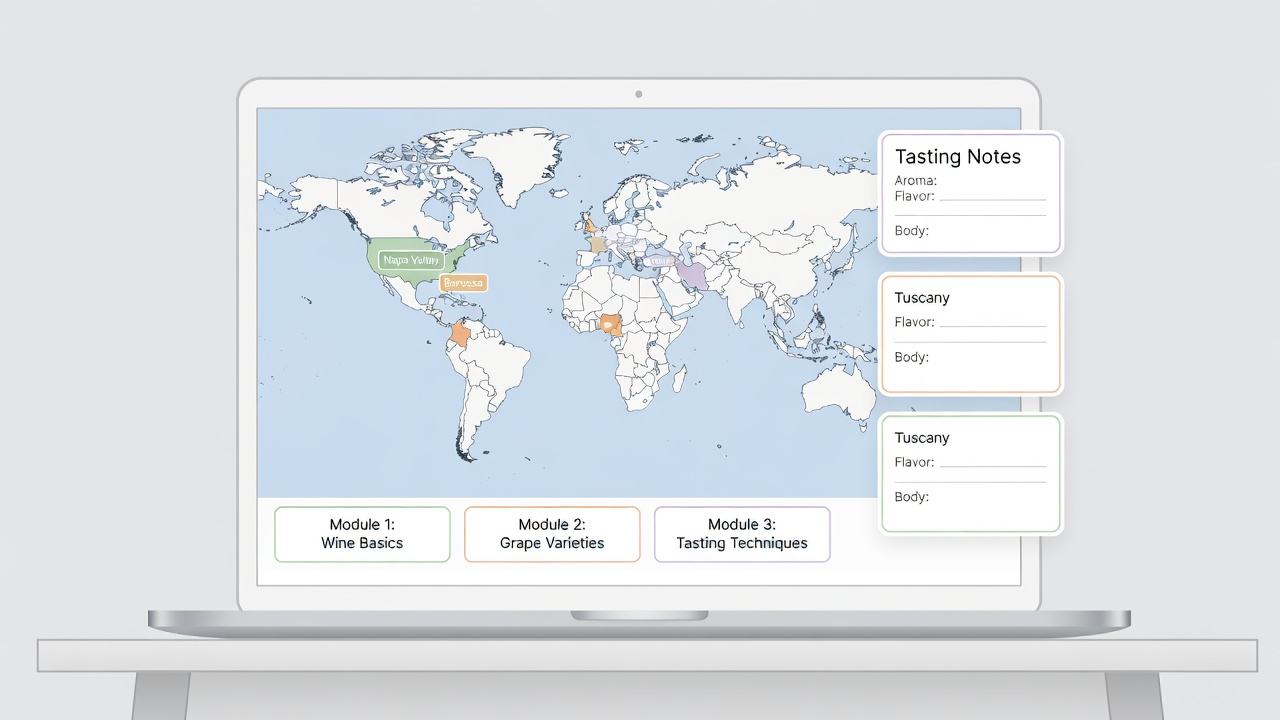
Beyond mobile apps, dedicated websites provide in-depth learning. Wine Folly delivers beautifully illustrated guides to regions, grapes, and tasting techniques. Their free articles and maps help users visualize major wine areas like Bordeaux or Napa Valley, making geography tangible.
Another strong option is the official Vivino website, which mirrors the app’s database with expanded editorial content. Beginners can explore producer histories and vintage charts without downloading anything. For structured learning, many turn to free online modules from established wine organizations that cover fundamentals such as serving temperatures and glassware selection.
Additional sites like Wine Magazine offer searchable archives of beginner-friendly tutorials and buying guides that complement app data with professional sommelier insights.
Using Technology for Flavor Identification: Real-World Examples
Imagine opening a bottle of Pinot Noir. Using an app, you scan the label and receive suggestions like “strawberry and earth.” During tasting, you note these flavors and log them. Over several sessions, patterns emerge that sharpen your palate and help you differentiate between Old World and New World styles.
Another scenario involves planning travel. Websites with interactive maps let you explore regions before visiting, highlighting signature grapes and typical styles so you arrive prepared. A user might use this to compare Loire Valley expressions against those from Oregon, building anticipation and knowledge simultaneously.
Common Mistakes to Avoid When Starting with Wine Apps
Many beginners over-rely on ratings without considering personal taste. Instead, treat scores as one data point and always log your own impressions. Another pitfall is neglecting to update tasting notes after trying a wine multiple times, which misses how bottles evolve with age or decanting.
Finally, avoid jumping between too many platforms at once. Focus on one or two tools initially to establish consistent habits before expanding.
Integrating Apps Into Your Daily Learning Routine
- Start each week by scanning three new bottles and logging basic impressions.
- Set a reminder to review your tasting history every Sunday and identify recurring preferences.
- Pair app use with a simple notebook for handwritten reflections to reinforce memory through dual modalities.
- Join community forums within the apps to ask questions about confusing tasting notes or seek pairing suggestions.
- Rotate between two apps monthly to compare features and avoid fatigue while discovering unique strengths.
- Use regional map tools on websites during weekend planning to connect digital knowledge with real-world exploration.
Consistency matters more than intensity. Fifteen minutes daily with these tools yields noticeable progress within a few months, turning casual interest into genuine expertise.
Short FAQ: Addressing Common Concerns
Is my data private when using wine apps?
Most reputable apps allow users to control privacy settings. Review permissions during signup and adjust what information is shared publicly. Always read the latest privacy policy before creating an account to ensure comfort with data handling practices.
How accurate are the flavor suggestions?
Algorithms combine professional reviews and user data for suggestions. While helpful starting points, individual perception varies. Treat recommendations as guides rather than absolutes and trust your own senses to develop authentic tasting skills.
Conclusion
Digital resources have transformed wine education into an engaging, low-pressure pursuit. By combining apps like Vivino and Delectable with websites offering maps and courses, beginners can develop meaningful skills quickly. Start with one tool today, practice regularly, and watch your confidence grow with every glass as you explore the fascinating world of wine.
No comments yet. Be the first!