 Uncorked Conversations
Introduction to Famous Wine Regions
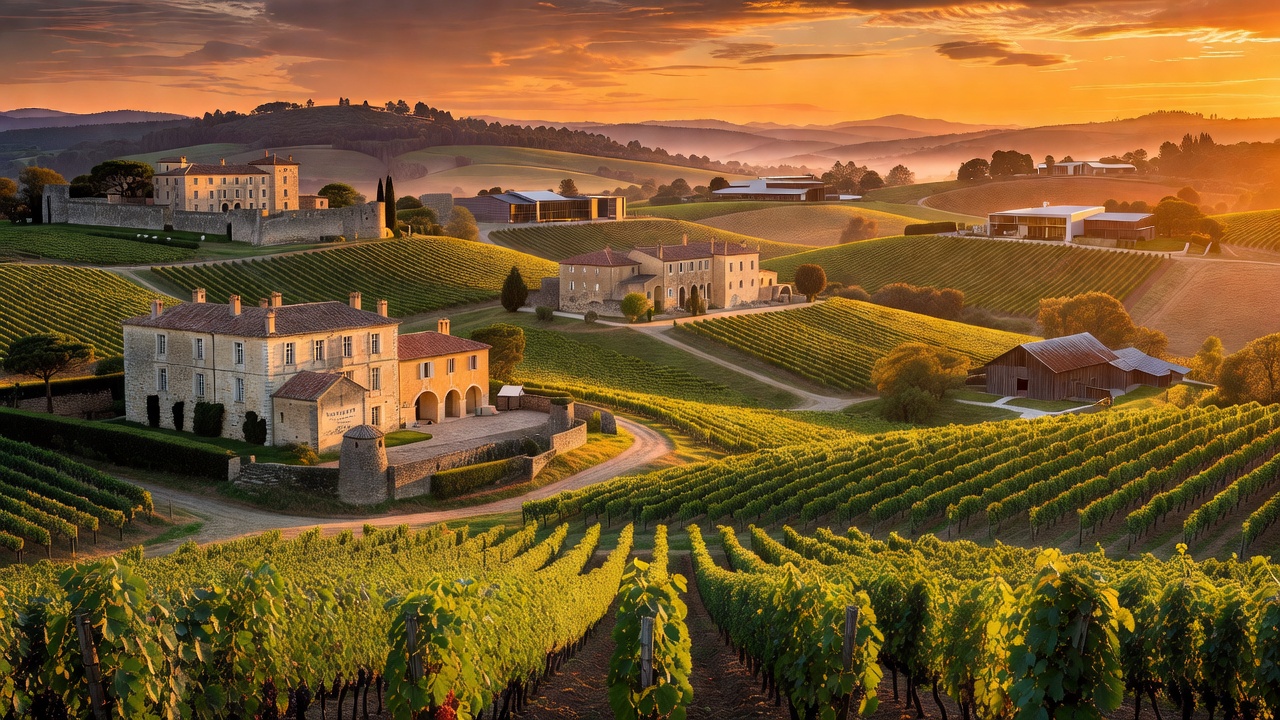
Embarking on a journey into the world of wine begins with understanding the places where grapes are grown and transformed. Terroir—the unique combination of soil, climate, and topography—shapes every bottle in profound ways. This comprehensive guide introduces beginners to four iconic regions: Bordeaux in France, Tuscany in Italy, Napa Valley in California, and Marlborough in New Zealand. You will discover signature grapes, simple yet detailed flavor profiles, and practical ways to explore these areas without feeling overwhelmed by technical jargon.
Whether you are selecting your first bottles or planning a tasting experience, focusing on regions helps you appreciate how location influences taste. Climate patterns continue to evolve, affecting harvests and styles worldwide. By learning about these famous areas, beginners can build confidence in choosing wines that match their preferences and occasions. The following sections break down each region with clear examples and actionable advice to make your exploration enjoyable and educational.
Understanding Terroir: The Foundation of Regional Wine Styles
Terroir is the heart of what makes wines from different regions distinct. It encompasses soil composition, elevation, sunlight exposure, and local weather patterns. In practice, this means a wine from one area can taste dramatically different from the same grape grown elsewhere. Beginners should focus on how terroir creates signature characteristics rather than memorizing every detail. For instance, limestone soils in certain French regions contribute to mineral notes, while volcanic soils elsewhere add earthy depth. Recognizing these influences helps you anticipate flavors before even opening a bottle.
Bordeaux: The Heart of Structured Reds
Bordeaux, located in southwestern France, is renowned for its elegant red blends that have set the standard for many wine styles globally. The region’s left bank favors Cabernet Sauvignon, delivering structured wines with notes of blackcurrant, cedar, and graphite. The right bank highlights Merlot, producing softer expressions with plum and chocolate undertones. Beginners can start with approachable vintages that show bright fruit alongside subtle tannins, making them versatile for everyday drinking or special meals. Historical châteaux and classified growths add cultural depth, but modern winemaking ensures many options remain accessible for new enthusiasts. Pair these reds with roasted meats or aged cheeses to highlight their complexity.
Tuscany: Sangiovese and Sun-Kissed Hills
Tuscany’s rolling hills produce Chianti and Brunello di Montalcino from the Sangiovese grape, offering a window into Italian winemaking traditions. Wines often display cherry, herbal notes, and earthy undertones balanced by vibrant acidity. The warm Mediterranean climate contributes to approachable tannins that pair beautifully with tomato-based pastas, grilled vegetables, and local cured meats. Many producers emphasize sustainable practices, allowing the unique terroir of clay and limestone soils to shine through. Newcomers to this region will appreciate how these wines evolve with a few years of age, developing more nuanced leather and tobacco aromas while remaining food-friendly from the start.
Napa Valley: Bold Cabernet Sauvignon
California’s Napa Valley delivers powerful Cabernet Sauvignon with flavors of blackberry, vanilla, and cocoa, reflecting the sunny, warm conditions of the region. Diverse microclimates allow for both rich, full-bodied wines and more elegant styles depending on the specific vineyard location. New World techniques often emphasize ripe fruit and generous oak influence, resulting in wines that appeal to those who enjoy bolder profiles. Oak aging adds layers of spice and toast, while the long growing season promotes concentrated flavors. Beginners exploring Napa will find these wines excellent for comparing against European counterparts, especially when paired with grilled steak or dark chocolate desserts that complement their intensity.
Marlborough: Crisp Sauvignon Blanc
New Zealand’s Marlborough region excels with vibrant Sauvignon Blanc that showcases the purity of cool-climate viticulture. Expect intense aromas of passionfruit, lime, and fresh herbs alongside zesty acidity that makes these wines refreshing and highly food-friendly. The region’s gravelly soils and ocean-influenced breezes preserve bright fruit character without overpowering oak. Many examples are fermented in stainless steel to maintain their lively profile. This area offers an ideal entry point for white wine lovers, with styles that range from classic herbaceous expressions to riper tropical versions depending on harvest timing. Pair them with seafood, salads, or goat cheese to experience their versatility.
Old World vs New World: A Detailed Comparison
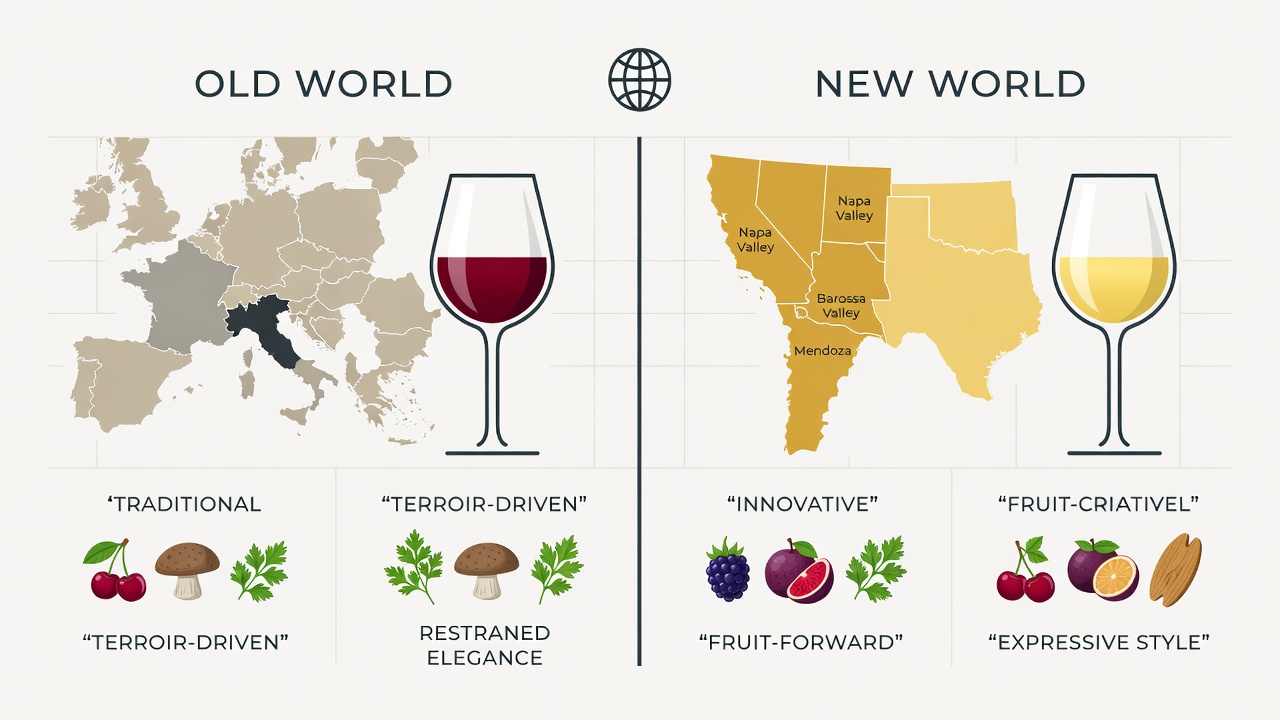
Understanding the differences between Old World and New World wines helps beginners navigate styles more effectively. Old World regions like Bordeaux and Tuscany tend to produce elegant, terroir-driven wines with higher acidity and firmer tannins. New World areas such as Napa Valley and Marlborough often deliver fruit-forward, bold expressions with softer tannins and more prominent oak influence. The table below summarizes key characteristics for quick reference.
| Characteristic | Old World (Bordeaux, Tuscany) | New World (Napa, Marlborough) |
|---|---|---|
| Style | Elegant, terroir-driven | Fruit-forward, bold |
| Acidity | High, refreshing | Medium to high |
| Tannins | Firm, structured | Softer, approachable |
| Oak Influence | Subtle | Often prominent |
| Food Pairing | Traditional European dishes | Global cuisines |
Selecting Region-Specific Bottles: Practical Tips for Beginners
Choosing the right bottles from each region starts with focusing on entry-level producers and recent vintages. In Bordeaux, look for wines from reputable négociants or cooperative wineries that blend multiple appellations. Tuscany offers excellent Sangiovese from smaller estates around Chianti Classico. Napa Valley provides value through labels from the southern part of the valley or lesser-known sub-appellations. Marlborough Sauvignon Blanc comes from many family-owned estates using sustainable methods. Always consult vintage charts published by reputable sources and read retailer tasting notes to match your preferences. Store newly purchased bottles on their side in a cool, dark environment to preserve quality until you are ready to taste.
Planning Your First Region Tasting: Step-by-Step Guidance
A successful tasting begins with preparation and attention to detail. Follow these steps to create an informative and enjoyable experience whether hosting friends in person or joining a virtual session:
- Select three to four bottles representing different regions to highlight contrasts in style and terroir.
- Serve wines at proper temperatures: reds around 60–65°F and whites chilled to 45–50°F for optimal aroma release.
- Use consistent glassware and pour small amounts so participants can compare aromas, palate textures, and finishes side by side.
- Include simple food pairings like mild cheeses, crusty bread, or fresh fruit to demonstrate how each wine interacts with different flavors.
- Take notes on each wine’s color, nose, taste, and overall impression to track your evolving preferences over time.
- If travel is not feasible, organize a virtual tasting via video call where everyone shares screens of labels and discusses impressions together.
Climate Impact on Wine Regions
Changing weather patterns influence harvest dates, grape ripeness, and overall wine styles across the globe. Warmer conditions in some areas accelerate ripening, leading to higher sugar levels and riper fruit character, while others face increased disease pressure from humidity shifts. Ongoing research from the International Organisation of Vine and Wine tracks these trends and supports sustainable adaptations in vineyards worldwide.
Travel Recommendations for Wine Enthusiasts
Visiting wine regions offers immersive learning opportunities through guided tours and direct tastings. Bordeaux features historic châteaux with centuries-old cellars, Tuscany provides scenic hilltop estates surrounded by olive groves, Napa Valley delivers luxury experiences with educational seminars, and Marlborough offers bike-friendly vineyard routes with stunning mountain backdrops. Check official tourism sites such as Bordeaux, Visit Tuscany, Napa Valley, and Marlborough NZ for current visitor information, booking requirements, and seasonal events.
Conclusion
Understanding famous wine regions opens the door to more informed choices and enjoyable tastings that grow with your experience. Start with the four areas highlighted here, experiment with different styles through guided tastings, and build your knowledge gradually by revisiting favorites. Region-based exploration makes every glass more meaningful and connects you to the stories behind each bottle.
FAQ
How do I start a region-based wine collection?
Begin with one bottle from each featured region and expand based on personal preference. Store bottles horizontally in a cool, dark place with consistent temperature to maintain quality over time.
What foods pair well with each region’s wines?
Bordeaux reds complement roasted meats and hard cheeses; Tuscan Sangiovese pairs with tomato-based pasta and grilled vegetables; Napa Cabernet suits grilled steak and dark chocolate; Marlborough Sauvignon Blanc matches seafood, salads, and fresh herbs.
Are virtual tastings effective for learning about regions?
Yes, virtual sessions allow participants to compare multiple regions simultaneously while sharing impressions in real time, making them ideal for beginners building foundational knowledge from home.
What common mistakes should beginners avoid when exploring regions?
Avoid serving wines at incorrect temperatures, using mismatched glassware, or skipping note-taking, as these steps help reinforce learning and improve future selections.

No comments yet. Be the first!