 Uncorked Conversations
Introduction to Natural Wines
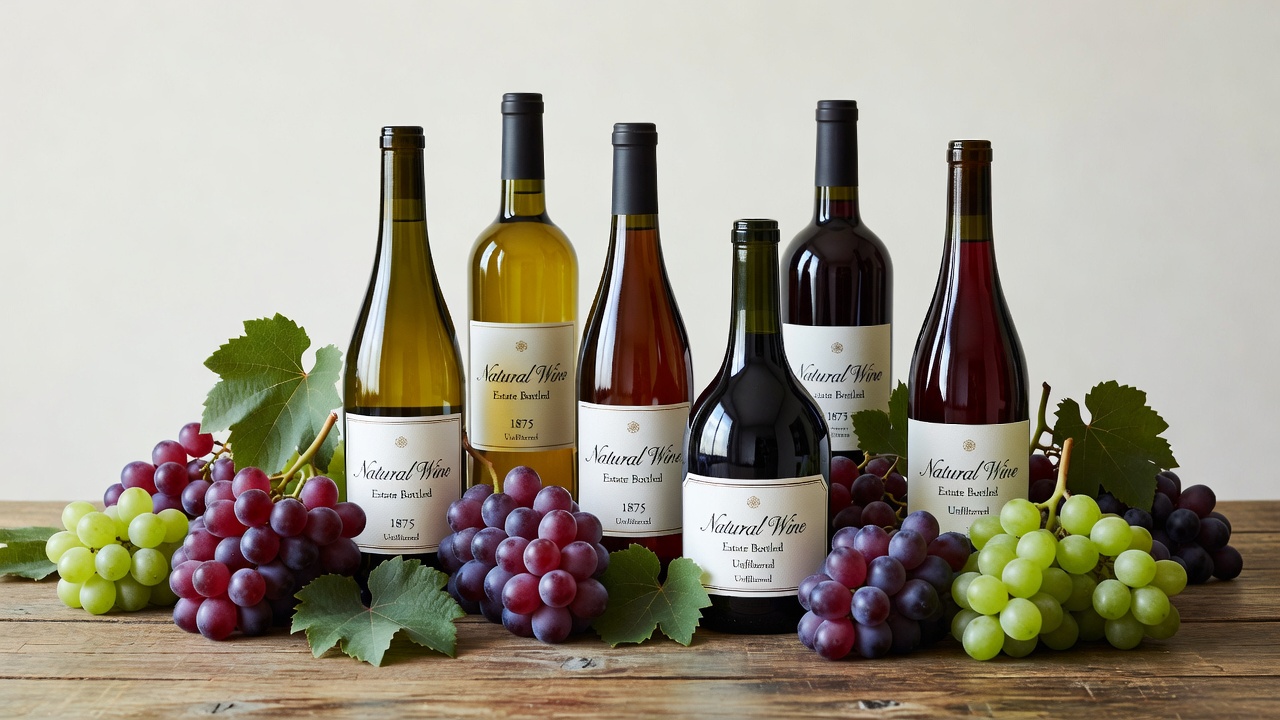
Natural wines represent one of the most exciting trends in the wine world for beginners in 2026. These low-intervention wines appeal to those seeking sustainable options that highlight the true character of the grape and vineyard. Unlike conventional wines, natural wines minimize additives and technology, offering an authentic tasting experience that connects drinkers directly to the land and the people who grow it. This movement has grown steadily as consumers become more interested in transparency, environmental responsibility, and unique flavor expressions that cannot be replicated through industrial processes.
This guide breaks down everything a newcomer needs to know, from clear definitions to practical buying tips. Whether you are browsing a wine shop or scanning a restaurant menu, understanding natural wines helps you make informed choices aligned with modern preferences for sustainability. We will explore how these wines are made, how they differ from similar categories, what to expect in the glass, and how to select your first bottles with confidence. By the end, you will have a solid foundation for exploring this vibrant category.
What Makes a Wine Natural?
Natural wine is produced with minimal intervention in both the vineyard and the cellar. Grapes are typically grown without synthetic pesticides or herbicides, harvested by hand, and fermented using only native yeasts. No added sulfites, fining agents, or filtration processes are used in most cases. The result is a wine that can appear cloudy and may vary from bottle to bottle, reflecting the conditions of each vintage rather than a standardized product.
This approach contrasts sharply with industrial winemaking, where consistency is prioritized through heavy manipulation. Natural winemakers embrace unpredictability, allowing the wine to express its terroir fully. The philosophy centers on letting nature do most of the work, resulting in wines that can taste alive and evolving even after they are opened.
Natural vs Organic vs Biodynamic Wines
Understanding the differences helps beginners navigate labels effectively. Here is a clear comparison:
- Natural wines: Focus on minimal cellar intervention. Vineyard practices can vary but often include organic or biodynamic methods. No added sulfites and no filtration are common, leading to wines that may show sediment or slight cloudiness.
- Organic wines: Certified organic grapes grown without synthetic chemicals. Winemaking may still involve added yeasts, sulfites, and filtration. Look for official certifications like USDA Organic to confirm the status. These wines guarantee chemical-free farming but allow more flexibility in the winery.
- Biodynamic wines: Follow holistic farming principles based on lunar cycles and preparations. Certification comes from bodies like Demeter. Winemaking can range from natural to conventional, so always check the producer’s specific practices.
Many natural wines are made from organic or biodynamic grapes, but the defining factor remains the hands-off approach in the winery. For more on organic standards, visit the USDA Agricultural Marketing Service.
How Natural Wine Production Differs
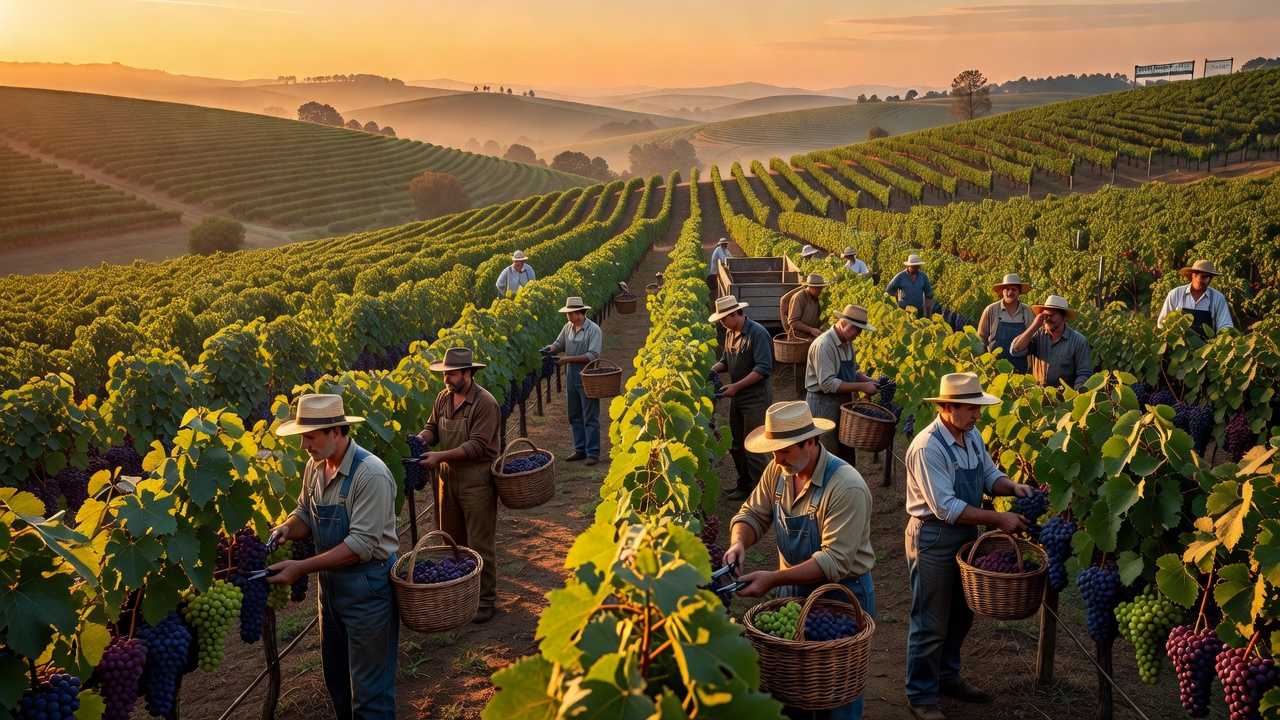
Production starts in the vineyard with sustainable farming that avoids chemical inputs and encourages biodiversity. Hand-harvesting preserves grape integrity and allows for careful selection of only the best fruit. In the cellar, whole-cluster fermentation or gentle crushing occurs without temperature control or added enzymes. Aging often takes place in neutral vessels like old oak or concrete to avoid imparting flavors that could mask the grape’s natural character.
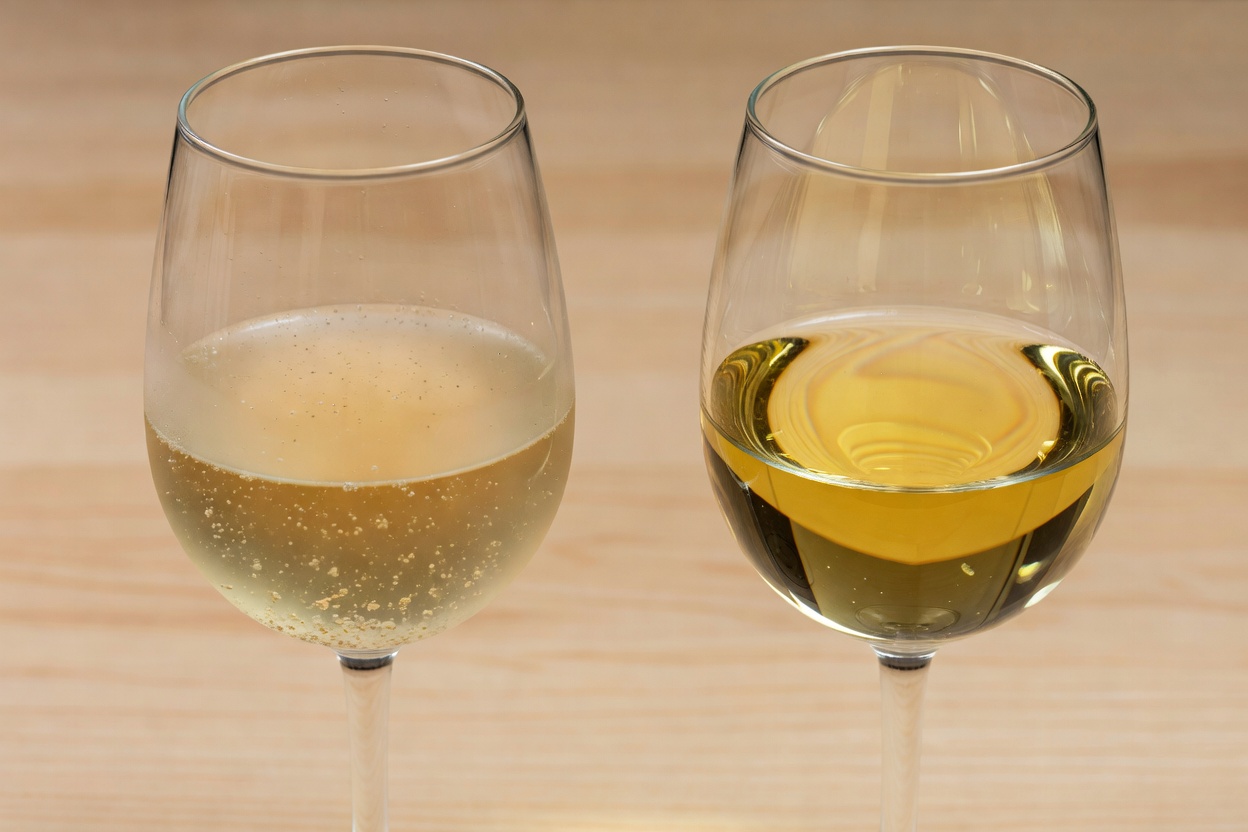
The absence of fining and filtration leaves sediments and yeast particles, contributing to the wine’s distinctive texture and appearance. This method preserves antioxidants and flavors that might otherwise be stripped away. Fermentation times can be longer, sometimes extending for weeks or months, allowing complex aromas to develop naturally. Many producers also avoid pumping or racking the wine excessively, further reducing oxygen exposure and maintaining freshness.
Flavor Profiles of Natural Wines
Expect vibrant acidity, earthy or funky notes, and sometimes a slight spritz from ongoing fermentation. Red natural wines often show bright fruit with herbal undertones, while whites can range from crisp and apple-like to skin-contact orange wines with tannic structure. These profiles differ from polished, fruit-forward conventional wines, rewarding drinkers who enjoy complexity and surprise. For instance, a natural Gamay from the Loire Valley might display strawberry and pepper notes alongside a subtle barnyard aroma that dissipates quickly in the glass.
Regions like the Loire Valley, parts of Italy, and certain areas in California produce standout examples that showcase how terroir shines through minimal handling. Beginners often find that these wines pair especially well with simple, vegetable-forward meals because their acidity cuts through richness without overpowering delicate flavors.
Pros and Cons for New Drinkers
Pros include lower chemical exposure, support for small producers, and unique flavors that evolve in the glass. Many beginners appreciate the connection to sustainable agriculture and the sense of discovery each bottle provides. Natural wines can also feel more food-friendly due to their bright acidity and lower alcohol levels in many cases. Cons may involve inconsistency between vintages, potential for faults like volatile acidity, and a learning curve when interpreting cloudy or aromatic bottles. Some drinkers need time to adjust to the sometimes rustic character before fully appreciating the category.
How to Spot Natural Wines on Shelves or Menus
Look for terms like “no added sulfites,” “unfiltered,” or “native yeast” on labels. Independent certifications from groups such as the Decanter natural wine features or mentions of low-intervention practices help. On menus, ask servers about producer names known for natural methods. Wine shops often group these bottles in dedicated sections or feature them with descriptive shelf talkers. Learning a few trusted importer names can also guide you toward reliable selections.
Affordable Natural Wines to Try
Beginners can start with widely available options from regions like Loire Valley in France or regions in Italy. Seek producers who emphasize small-batch, handcrafted approaches. These bottles typically offer excellent value and introduce classic natural wine characteristics without complexity. Experiment with different grape varieties such as Chenin Blanc or Pinot Noir to discover personal preferences. Visiting local wine shops with knowledgeable staff provides an opportunity to ask for recommendations tailored to your taste and budget range.
Simple Decision Checklist
- Check the label for organic or biodynamic certifications.
- Confirm low or no added sulfites if sensitivity is a concern.
- Consider the producer’s reputation for minimal intervention.
- Start with lighter styles like pét-nat or skin-contact whites.
- Taste with an open mind and note how the wine changes over time.
Common Mistakes Beginners Make
One frequent mistake is expecting every natural wine to taste perfect on the first sip. These wines often need time to open up after being poured. Another error is storing them in warm conditions; like all wines, they benefit from cool, dark storage. Beginners sometimes overlook the importance of proper glassware—using large, tulip-shaped glasses helps the aromas develop fully. Finally, avoid judging a wine solely by appearance; cloudiness is normal and not a sign of spoilage in natural wines.
Serving and Storing Natural Wines
Serve most natural whites and reds slightly cooler than room temperature to highlight their freshness. Open bottles can be recorked and enjoyed over several days, though flavors may evolve. For longer storage, keep bottles on their side in a stable environment around 55 degrees Fahrenheit. Because these wines lack added sulfites, they are more sensitive to temperature fluctuations and should be consumed within a reasonable timeframe after purchase.
Frequently Asked Questions
Do natural wines contain sulfites?
Most contain only naturally occurring sulfites from fermentation, far lower than conventional wines. Those with sulfite sensitivities often tolerate them better, though individual reactions vary.
Why are some natural wines cloudy?
Cloudiness results from the lack of filtration, leaving yeast and particles that contribute to texture and flavor. This is a hallmark of the natural approach rather than a defect.
Are natural wines more expensive?
Prices vary, but many entry-level examples provide strong value comparable to quality conventional wines. The focus remains on quality and authenticity rather than mass production.
Can natural wines age well?
Some can age gracefully for years, developing additional complexity, while others are best enjoyed young. Experimentation helps determine which bottles benefit from cellaring.
How do natural wines pair with food?
Their high acidity and earthy notes make them excellent with a wide range of dishes, from roasted vegetables to charcuterie and seafood. They often enhance rather than dominate meals.
Conclusion
Natural wines offer an approachable gateway into thoughtful, sustainable drinking. By understanding production methods, differences from organic and biodynamic categories, and simple selection strategies, beginners can confidently explore this vibrant category in 2026 and beyond. Start with a few bottles, keep notes on what you enjoy, and enjoy the journey of discovery that continues to attract new enthusiasts each year.
No comments yet. Be the first!