 Uncorked Conversations
Introduction to Winemaking for Beginners
Understanding how wine is made helps beginners appreciate the complexity behind every bottle they open. The journey from grape to glass involves several key stages that influence flavor, aroma, body, and overall quality. This comprehensive guide breaks down the entire process in simple terms while highlighting what to notice when tasting the final product. Whether you are new to wine or looking to deepen your knowledge, learning the fundamentals of winemaking provides actionable insights into why wines taste the way they do. From the moment grapes are picked to the final cork, each decision made by the winemaker shapes the experience in your glass. By the end of this article you will recognize how different techniques affect taste and aroma, allowing you to make more informed choices at the store or restaurant.
Harvesting the Grapes
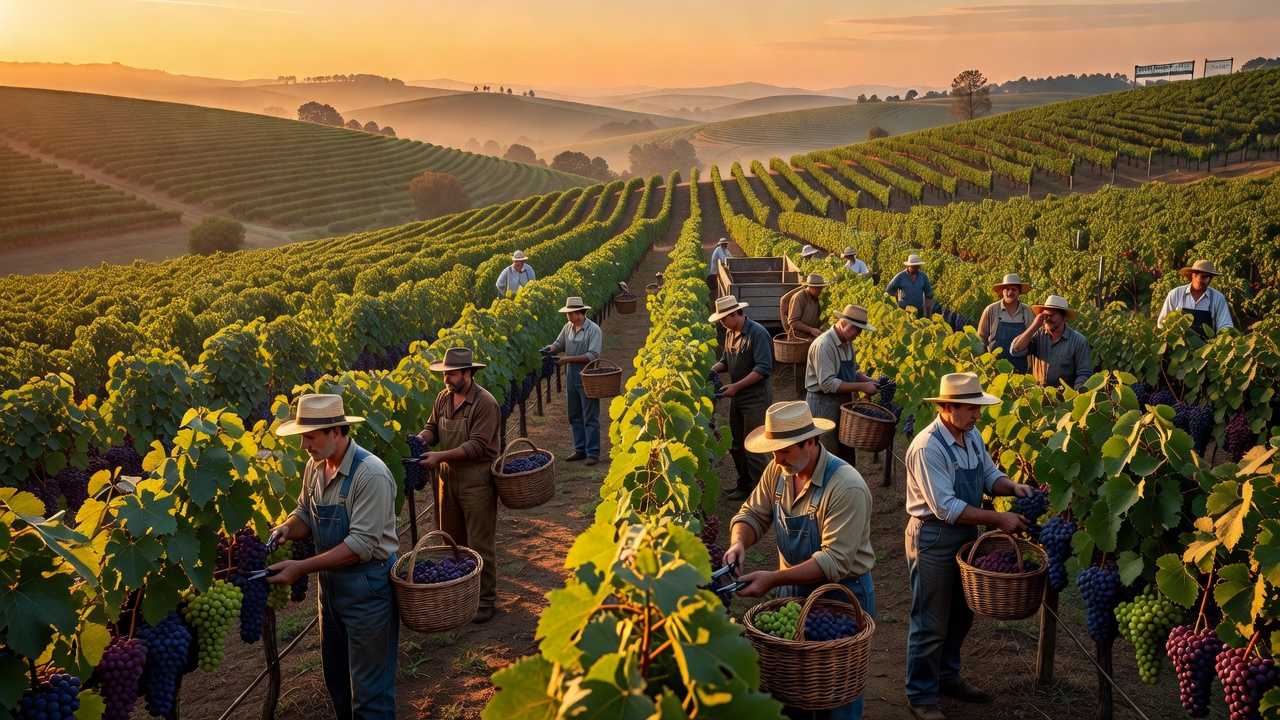
The winemaking process begins with harvesting, one of the most critical moments in the entire cycle. Grapes are picked at optimal ripeness, which varies by region, grape variety, desired wine style, and even weather conditions in a given year. Hand-harvesting allows for careful selection of the best clusters and is often preferred for premium wines because it minimizes damage to the fruit. Mechanical harvesting, on the other hand, is faster and more cost-effective for large-scale production, though it can sometimes include unripe or damaged berries. Beginners should note that harvest timing directly affects acidity and sugar levels in the finished wine. Early picks often yield crisp, high-acid wines with vibrant freshness, whereas later harvests produce riper, fuller-bodied styles with higher alcohol potential. Climate change has made harvest decisions even more complex in recent years, forcing winemakers to monitor sugar accumulation and phenolic ripeness closely. For example, in cooler regions like Burgundy, timing the harvest for Pinot Noir requires balancing sugar ripeness with the development of delicate red fruit aromas.
Wine InstituteCrushing and Destemming
After harvest, grapes are quickly transported to the winery and processed through crushing and destemming. This stage releases the juice while removing the stems to prevent unwanted bitter or vegetal flavors from entering the wine. Red wines are usually crushed with their skins intact because the skins provide color, tannins, and additional flavor compounds during fermentation. White wines, by contrast, are pressed immediately after harvest to keep the juice clear and avoid any skin contact that would add color or bitterness. The method of crushing matters greatly. Gentle pneumatic presses preserve delicate fruit aromas, while more aggressive methods can extract harsher tannins. Practical example: Pinot Noir benefits from softer handling to maintain its elegant cherry and floral notes, whereas Cabernet Sauvignon can handle more robust crushing to build structure and aging potential.
Fermentation: Turning Juice into Wine
Fermentation is the magical stage where grape sugars are converted into alcohol using yeast. This process typically lasts one to two weeks for most still wines, though it can extend longer for certain styles. Temperature control is crucial throughout: cooler temperatures preserve fresh fruit flavors and aromatics in white wines, while warmer conditions help extract color and tannins in reds. Winemakers can choose between cultured yeasts for consistency or native wild yeasts for more complex, site-specific character. Red wines ferment with their skins, which creates the deep hues and mouthfeel we associate with Cabernet or Syrah. White wines ferment as clear juice, resulting in lighter colors and crisper profiles. Practical examples abound: stainless steel tanks produce clean, vibrant wines like Sauvignon Blanc with bright citrus and herbal aromas. In contrast, oak barrel fermentation adds layers of vanilla, spice, and toast to Chardonnay, creating a richer texture. Beginners can taste these differences by comparing an unoaked and oaked version of the same grape variety side by side.
Aging and Maturation
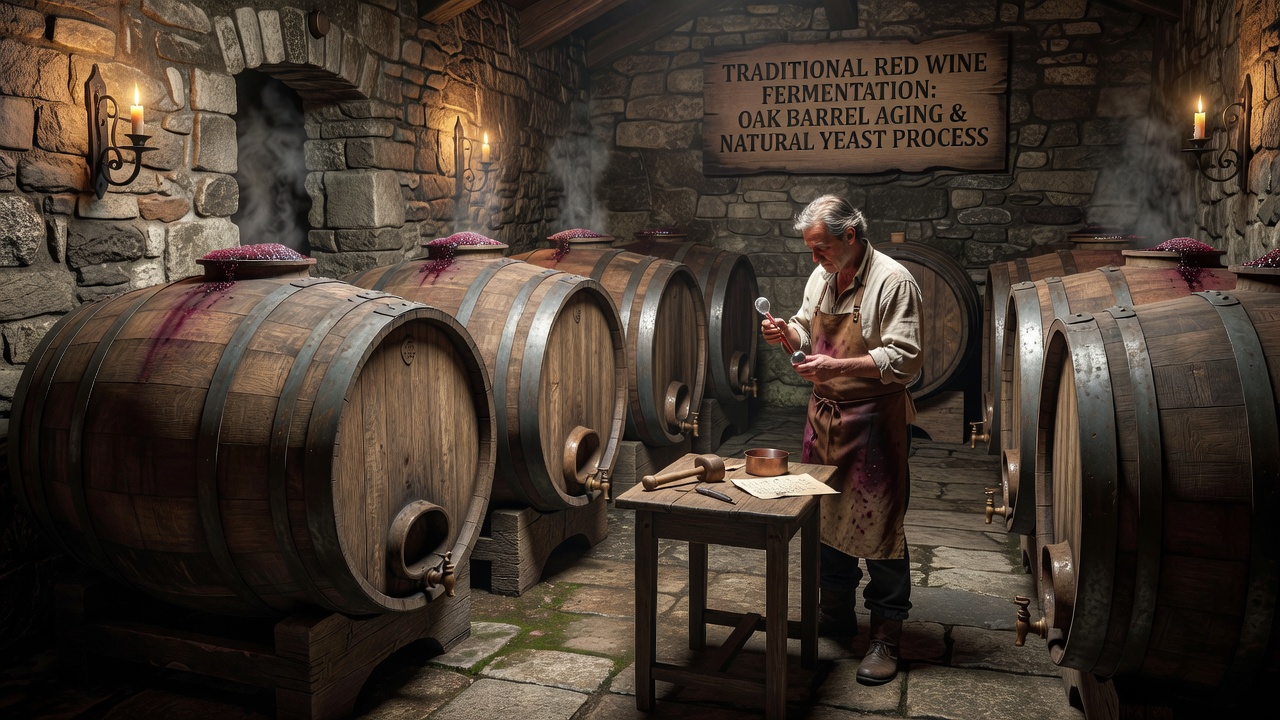
After fermentation, wine enters the aging and maturation phase to develop greater complexity and balance. Options range from stainless steel tanks that preserve freshness to oak barrels that impart richness and structure. Aging duration can vary from just a few months for light whites to several years for powerful reds. Different oak types, such as French versus American oak, create distinct flavor profiles: French oak tends to be more subtle with spice and tea notes, while American oak delivers bolder coconut and vanilla character. Additional techniques like sur lie aging, where wine remains in contact with dead yeast cells, add creamy texture and bread-like aromas, especially useful in sparkling wine production. Malolactic fermentation, a secondary bacterial process, converts sharp malic acid into softer lactic acid, producing the classic buttery notes found in many Chardonnays and some reds. Beginners will immediately notice the difference in mouthfeel and aroma when tasting an oaked wine versus an unoaked one. These choices allow winemakers to craft wines suited to different palates and aging potential.
Bottling and Final Steps
Once aging is complete, the wine is filtered and sometimes fined to achieve clarity and stability before bottling. Fining agents such as egg whites or bentonite clay help remove proteins and particles that could cause cloudiness. Closures matter too: natural cork allows a tiny amount of oxygen exchange that can benefit long-term aging, while screw caps provide a perfect seal preferred for aromatic whites meant to be drunk young. Some wines undergo additional bottle aging at the winery before release to the market. Proper bottling preserves quality and prevents oxidation that would otherwise shorten shelf life.
What Beginners Should Notice in the Glass
When tasting the finished wine, focus on several key elements that reveal the winemaking choices made earlier. Observe color intensity, which indicates grape variety and skin contact time. Swirl and smell for aroma layers that show fermentation temperature and aging vessel. Notice acidity balance on the palate, tannin texture in reds, and the length of the finish. These sensory cues help you connect the wine back to specific techniques such as oak aging or skin contact. For instance, a wine with prominent vanilla notes likely spent time in new oak barrels.
Practical Examples of How Techniques Affect Taste and Aroma
Consider two versions of the same grape: one fermented in stainless steel and another in oak. The steel version will taste brighter and more fruit-forward with citrus or green apple notes. The oak version will show richer, rounder flavors including toast, nutmeg, and caramel. Another example is whole-cluster fermentation used in some Pinot Noir wines, which adds spicy, stemmy character and lifts floral aromatics. Understanding these variables empowers beginners to predict flavor profiles when reading labels or talking to sommeliers.
FAQ: Additives and Natural Wines
Are additives common in winemaking?
Yes, many commercial wines use small amounts of sulfur dioxide to prevent spoilage and oxidation. Fining agents like egg whites or isinglass help achieve clarity. These practices are strictly regulated and used in minimal quantities that do not affect the final taste for most consumers.
What defines natural wine?
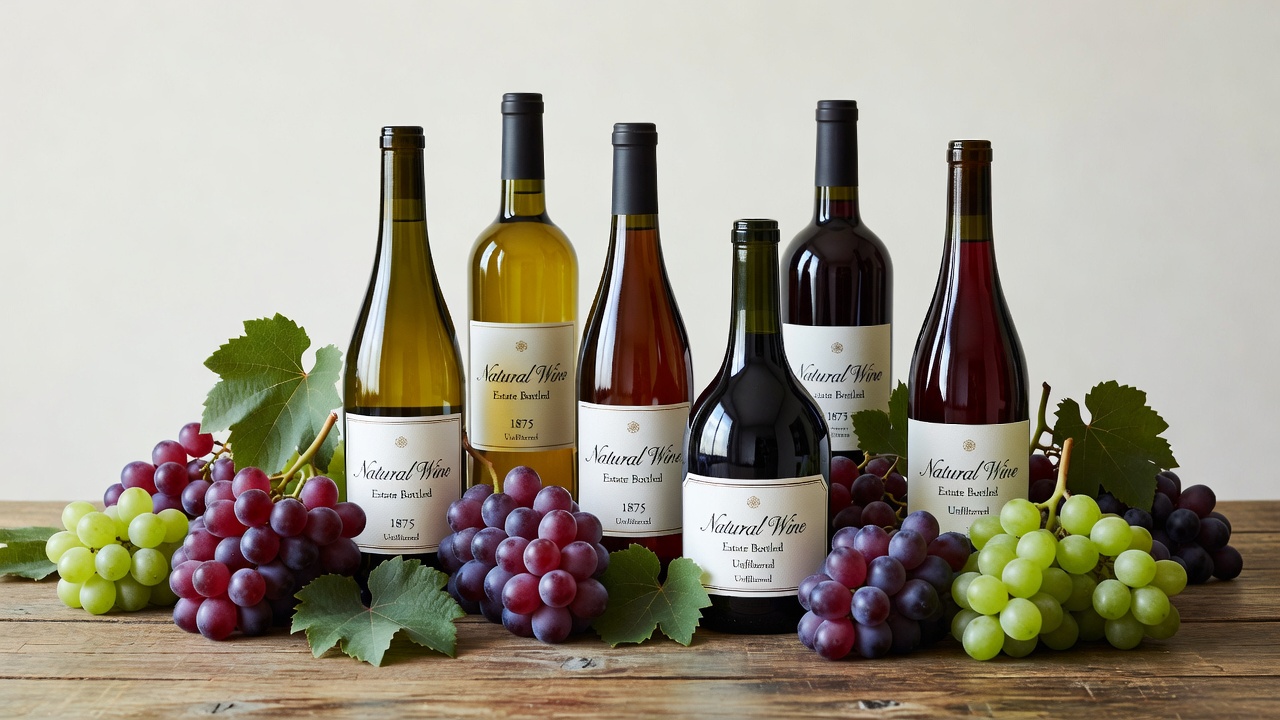
Natural wines minimize interventions, often avoiding added yeasts, enzymes, and sulfur. They can taste more variable and sometimes cloudy, appealing to enthusiasts who seek authentic, low-intervention expressions of the vineyard. However, they may also carry higher risk of faults if not handled carefully.
DecanterShould beginners seek natural wines?
Start with conventional wines to learn classic profiles and consistent quality, then explore natural options to appreciate the differences in aroma, texture, and unpredictability. This gradual approach builds a solid foundation before venturing into more experimental styles.
Conclusion
Knowing the steps of winemaking enhances your enjoyment and helps you choose bottles that match your preferences. Experiment with different styles, compare oaked versus unoaked wines, and pay attention to how each stage influences the final result. With this knowledge you can confidently explore new regions and varieties while understanding the story behind every glass.

No comments yet. Be the first!