 Uncorked Conversations
Introduction to Serving Sparkling Wines Like a Professional
Sparkling wines such as Champagne, Prosecco, and Cava deserve careful handling to preserve their signature effervescence and complex aromas. Whether you are hosting a celebration or enjoying a quiet evening, proper serving techniques ensure every glass delivers maximum enjoyment. This guide draws on sommelier expertise to cover temperatures, glassware, opening procedures, and more, helping you avoid common pitfalls that can flatten bubbles or mute flavors. Sparkling wine production involves a secondary fermentation that traps carbon dioxide, creating the pressure responsible for those delightful bubbles. Mishandling this delicate balance through improper chilling, aggressive opening, or unsuitable glassware can lead to rapid loss of effervescence and diminished flavor profiles. By mastering these methods, home enthusiasts and professionals alike can replicate the experience found in top restaurants and wine bars worldwide.
Understanding the science behind carbonation is essential. The dissolved CO2 in sparkling wine creates pressure in the bottle, and mishandling can release it too quickly. Factors such as ambient temperature, bottle angle during pouring, and even the cleanliness of your glassware all influence how long the wine maintains its lively character. This comprehensive approach goes beyond basic advice to provide actionable steps tailored to different sparkling wine styles.
Optimal Serving Temperatures for Sparkling Wines
Temperature plays a critical role in bubble retention and flavor expression. Most sparkling wines perform best when chilled to between 6°C and 8°C. At this range, the wine stays refreshing without numbing the palate or suppressing aromas. Over-chilling below 4°C can mute delicate notes, while serving above 10°C causes rapid bubble loss and makes the wine taste flabby. Different styles require nuanced adjustments. Traditional-method wines like Champagne or Cava often shine at the cooler end of the spectrum because their finer bubbles and higher acidity benefit from extra chill to highlight minerality and citrus notes. In contrast, many tank-method Proseccos and sparkling rosés can handle a degree or two warmer to allow their fruit-forward aromas to emerge fully.
Achieving the perfect temperature starts with planning. A reliable ice bucket filled with equal parts ice and water provides consistent cooling in about 20 minutes for a standard 750ml bottle. Rotate the bottle gently every few minutes for even results. Never rely solely on a refrigerator, which can create uneven cold spots, and avoid the freezer entirely to prevent label damage or pressure buildup that risks explosion. For larger formats like magnums, extend chilling time to 30-40 minutes while monitoring closely.
Selecting the Right Glassware
Glass shape dramatically affects how bubbles rise and aromas develop. The classic flute offers elegance and helps maintain carbonation through its narrow profile, yet this same design limits aromatic release by concentrating vapors too narrowly. A tulip-shaped glass provides the best balance, allowing the wine to breathe slightly while directing bubbles upward in an attractive stream that enhances visual appeal. Wide-bowled Burgundy glasses work well for complex aged sparklers, giving room for the bouquet to expand.
Coupe glasses, popular in vintage settings, expose too much surface area and cause rapid degassing, making them unsuitable for most modern service. For everyday enjoyment, choose glasses with a thin rim and sufficient bowl capacity of at least 200-250ml to allow swirling without spilling. Always polish glasses thoroughly with a lint-free cloth to prevent residue that disrupts bubble formation and creates unattractive foam. Consider investing in dishwasher-safe crystal sets designed specifically for sparkling wines, which maintain clarity and thinness over repeated use.
Step-by-Step Bottle Opening Techniques
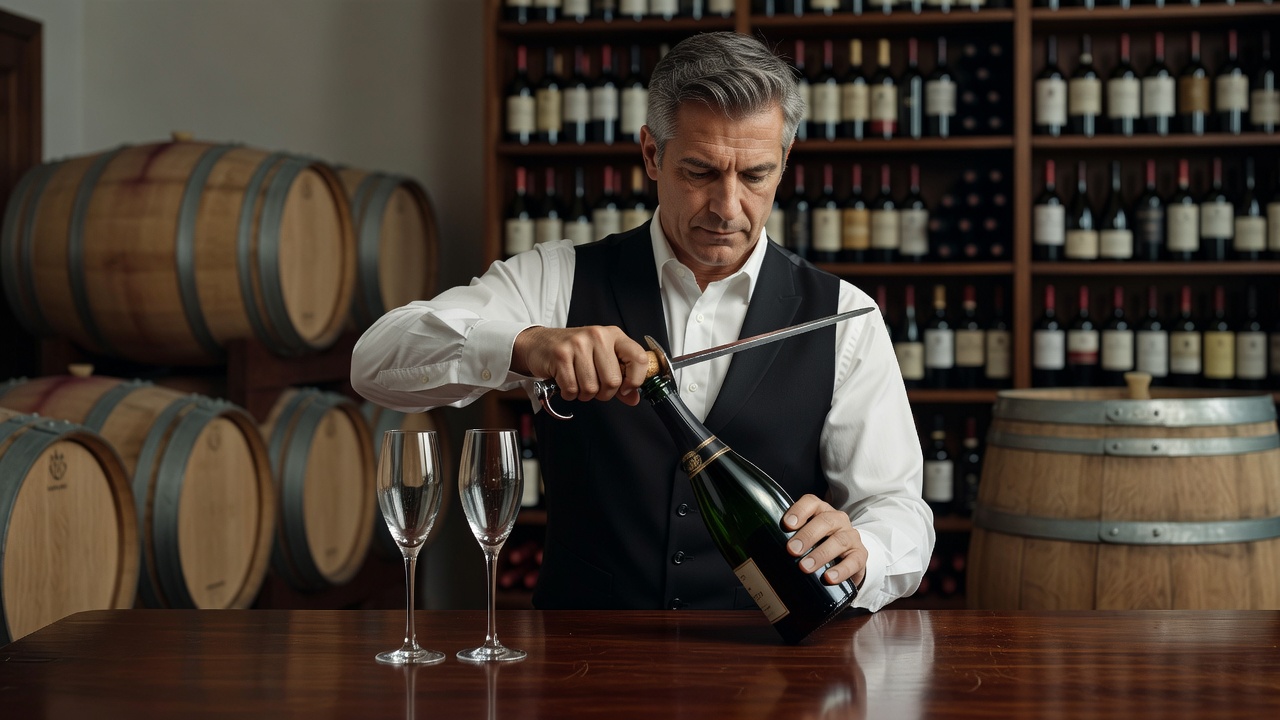
Opening sparkling wine safely preserves pressure and prevents accidents. Follow this detailed sequence for consistent results:
- Remove the foil capsule completely and loosen the wire cage while keeping your thumb firmly on the cork to prevent premature ejection.
- Hold the bottle at a 45-degree angle, gripping the cork with one hand and supporting the base with the other for stability.
- Twist the bottle slowly rather than the cork until it releases with a gentle sigh, not a loud pop that indicates excessive pressure loss.
- Keep the bottle angled for 10-15 seconds after opening to allow any excess pressure to equalize before pouring.
This controlled method minimizes spillage and retains more dissolved gas for the pour. Never point the bottle toward guests or fragile items. For bottles showing signs of high pressure, such as those stored in warm conditions, wear a protective towel over the cork during the final twist.
Decanting Options for Aged Sparkling Wines
While most sparkling wines are enjoyed young, aged examples can benefit from careful decanting. Traditionalists often avoid decanting to protect bubbles, but modern approaches use specialized tools for aeration without excessive oxidation. For vintage Champagne with developed complexity, a quick pour into a decanter with a wide base allows subtle oxygen exposure that can soften tannins and reveal tertiary aromas like toasted nuts or dried fruit. Limit decanting time to under five minutes to avoid flattening the wine. 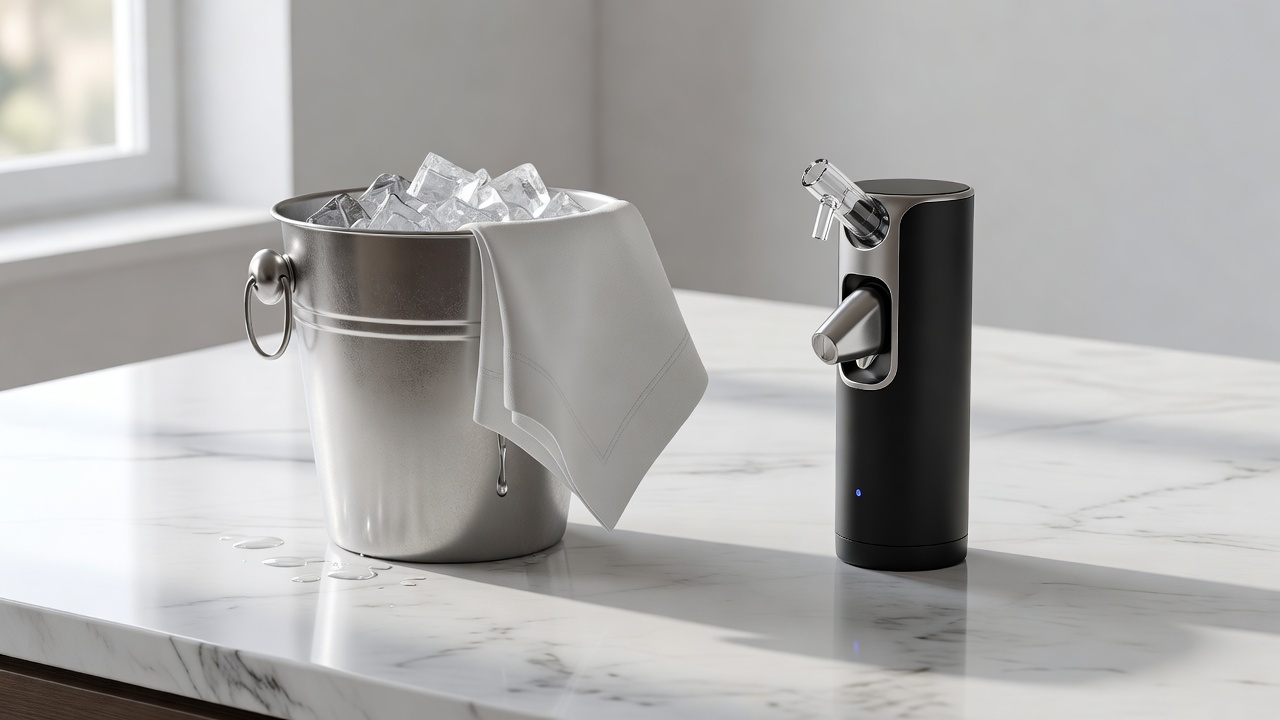
Younger sparklers rarely need decanting, but if sediment is present in an older bottle, perform the process slowly over a light source to leave deposits behind. Always taste a small sample first to confirm the wine benefits from air contact rather than losing its sparkle.
Common Pouring Mistakes to Avoid
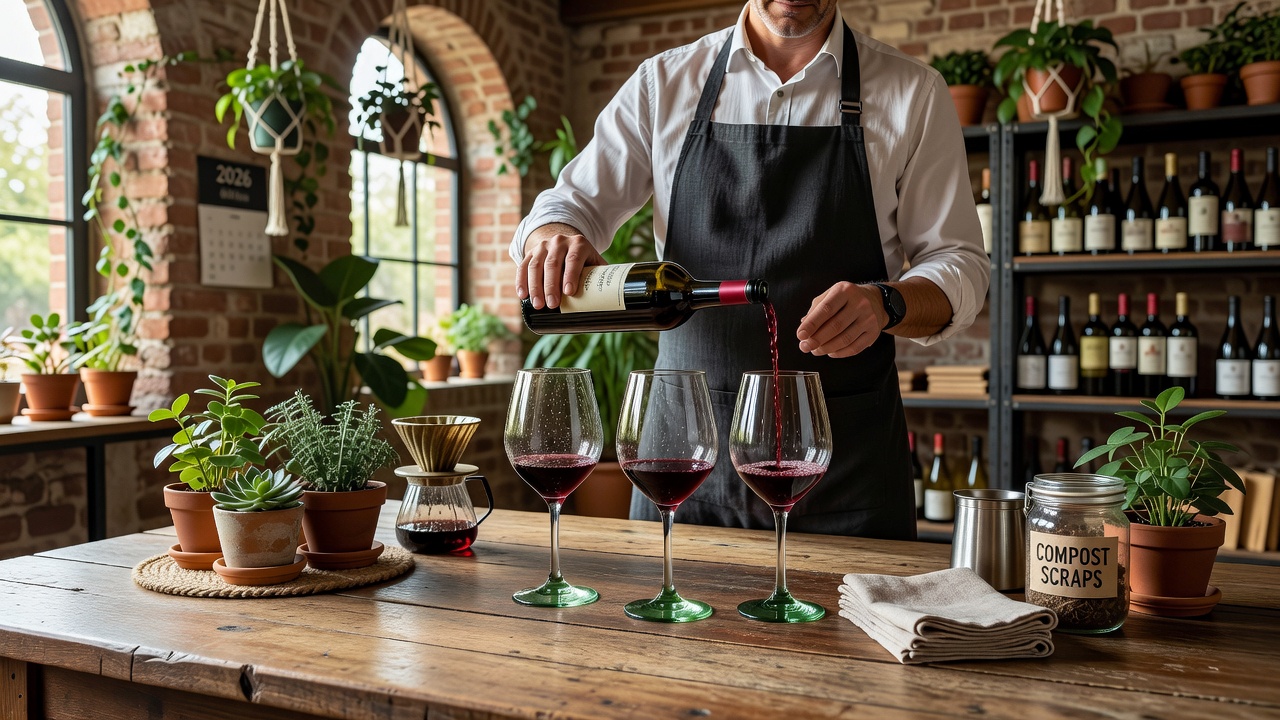
Many enthusiasts pour sparkling wine too aggressively, releasing bubbles prematurely and creating excessive foam that overflows the glass. Instead, tilt the glass at a 45-degree angle and pour slowly down the side until it reaches two-thirds full. This technique preserves carbonation and creates an elegant presentation with a persistent bead of bubbles. Another frequent error is using warm glasses straight from the dishwasher. Pre-chill glasses in the refrigerator for ten minutes beforehand to maintain temperature control throughout service.
Avoid overfilling, which prevents proper aroma development in the headspace above the wine, and never reuse glasses without rinsing to eliminate residue from previous pours. For large groups, consider pouring in stages, returning the bottle to the ice bucket between rounds to keep it consistently chilled.
Storage Tips Before Service
Proper storage maintains quality until the moment of opening. Keep bottles horizontally in a cool, dark place with consistent temperature around 12°C to keep the cork moist and prevent oxidation. Avoid vibrations from appliances that can disturb sediment in aged bottles. For short-term chilling, an ice bucket works better than a refrigerator shelf, which can create temperature fluctuations. Plan ahead so the wine reaches serving temperature without rushing, allowing at least 30 minutes for precise control.
Champagne Versus Prosecco Handling Comparisons
Champagne, made via the traditional method, often requires more delicate handling due to higher pressure and finer bubbles that can dissipate quickly if mishandled. Prosecco, typically produced in tanks, tolerates slightly warmer service and faster pouring without losing its lively character. Both benefit from the same core principles, yet adjusting chill time, glass angle, and decanting duration yields optimal results for each style. For example, serve a vintage Champagne at 6°C in a tulip glass with a slow pour, while a fresh Prosecco di Valdobbiadene can be enjoyed at 8°C in a slightly wider bowl.
Traditional Versus Modern Tools for Aeration and Freshness
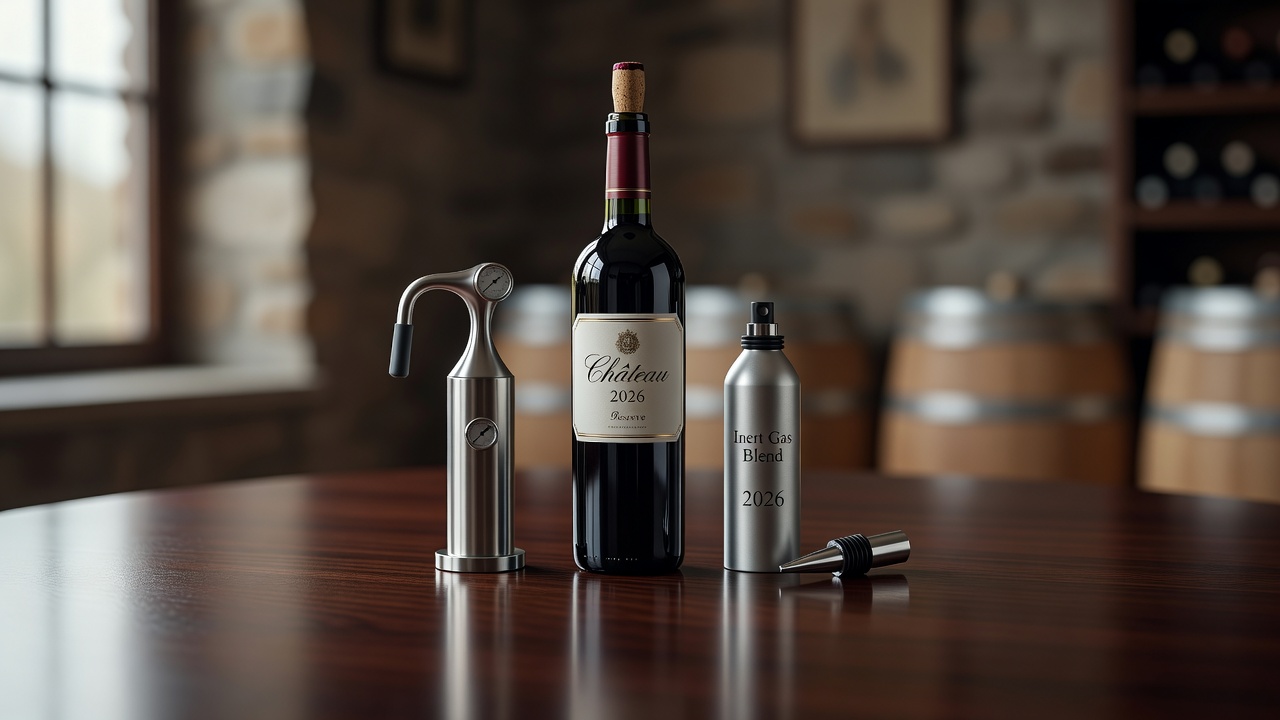
Classic tools like the ice bucket and manual corkscrew remain reliable for their simplicity and tactile feedback. Modern innovations include electric openers that reduce physical effort and pressurized stoppers that extend freshness after opening. These devices help maintain bubbles for up to 48 hours when used correctly. Compare options based on your needs: traditional methods emphasize ritual and control, while modern gadgets prioritize convenience and consistency for frequent entertainers.
Frequently Asked Questions
- How long can I store an opened bottle? Use a sparkling wine stopper and refrigerate for up to two days, checking aroma before serving.
- Should I rinse glasses before use? Yes, but dry them completely to avoid residue that interferes with bubble formation.
- Is decanting ever recommended? Only for aged bottles, and briefly to preserve effervescence while softening structure.
- What if my sparkling wine is too foamy when pouring? Chill the bottle longer and pour more slowly down the side of a pre-chilled glass.
Mastering these techniques elevates every sparkling wine experience. For additional authoritative guidance, consult resources from Champagne.fr and Decanter. With practice, you will serve sparkling wines confidently and consistently, turning every occasion into a memorable celebration of fine wine craftsmanship.
No comments yet. Be the first!