 Uncorked Conversations
Sommelier Tips: Best Wine Preservation Methods After Opening in 2026
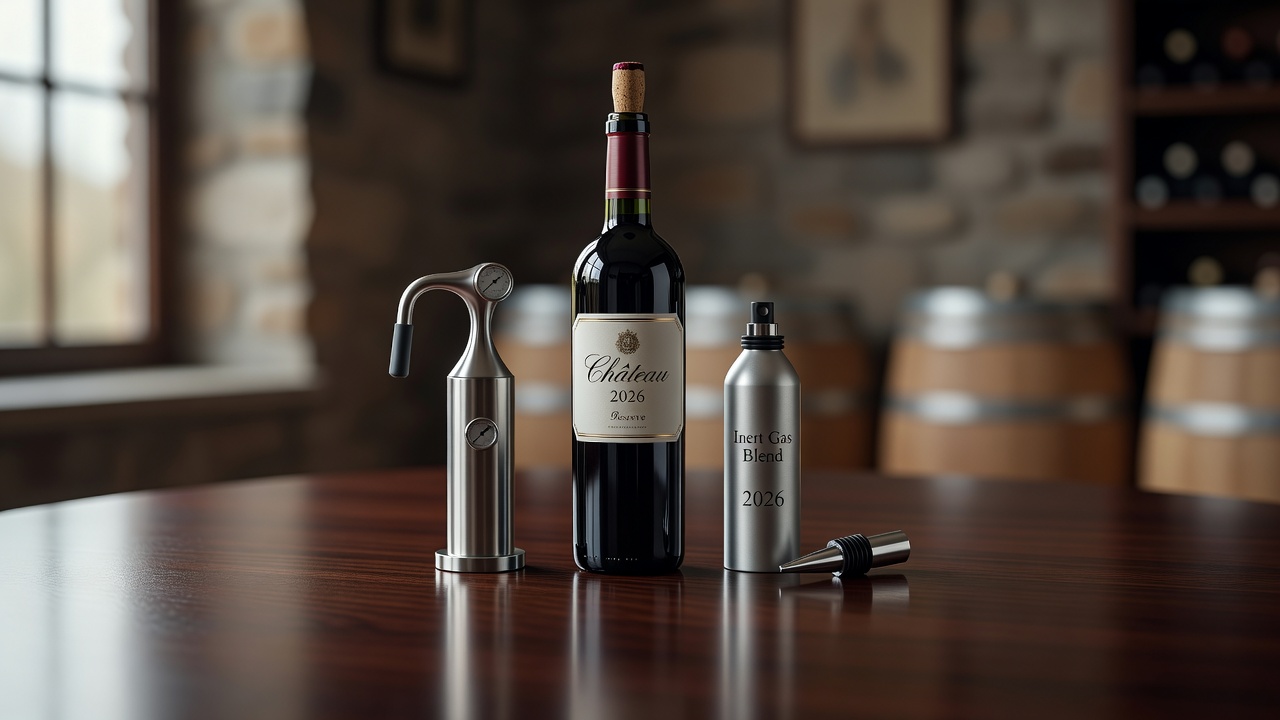
Opened wine begins to lose its vibrant aromas and flavors almost immediately due to oxidation. Professional sommeliers rely on proven techniques to keep bottles fresh far beyond the typical one- or two-day window most home drinkers expect. This guide details the most effective preservation methods, complete with step-by-step instructions, product comparisons, and real-home applications so you can enjoy every drop without waste. Whether you are a casual enthusiast or someone who likes to savor a single bottle over multiple evenings, understanding these approaches transforms how you manage opened wines at home.
Why Oxidation Matters and How to Slow It
Oxygen exposure triggers chemical reactions that turn fresh fruit notes into flat or vinegary tones. The key is limiting oxygen contact while controlling temperature. Sommeliers focus on three pillars: removing air, displacing oxygen with inert gas, and keeping bottles cool. These principles apply whether you opened a delicate Pinot Noir or a structured Cabernet Sauvignon. Oxidation not only affects taste but can also encourage bacterial growth that shortens shelf life. By acting quickly after opening, you can maintain the wine's balance of acidity, tannins, and fruit for much longer periods. Temperature plays a critical role because cooler conditions slow molecular activity, giving preservation tools more time to work effectively.
Vacuum Pumps: Simple and Affordable Daily Tools
Vacuum pumps remove air from the bottle to reduce oxygen levels. Insert a reusable rubber stopper, attach the handheld pump, and extract air until resistance builds. This method works well for everyday table wines and can extend drinkability for three to five days when used correctly. For best results, always ensure the stopper creates a complete seal before pumping. Over time, repeated use may slightly alter the wine's texture, so reserve vacuum pumps for reds or robust whites rather than delicate varieties. Many users find that storing the bottle upright prevents any remaining air pockets from interacting with the liquid surface. Cleaning the pump components regularly prevents residue buildup that could introduce off flavors.
- Choose stoppers made of food-grade silicone for an airtight seal.
- Pump until the handle feels firm; over-pumping can damage delicate wines.
- Store the bottle upright in a cool, dark place.
- Label the bottle with the date opened to track freshness.
Many sommeliers keep a pump in their kitchen for quick weeknight pours and recommend testing different stopper sizes to match bottle necks perfectly.
Inert Gas Systems: Professional-Grade Protection
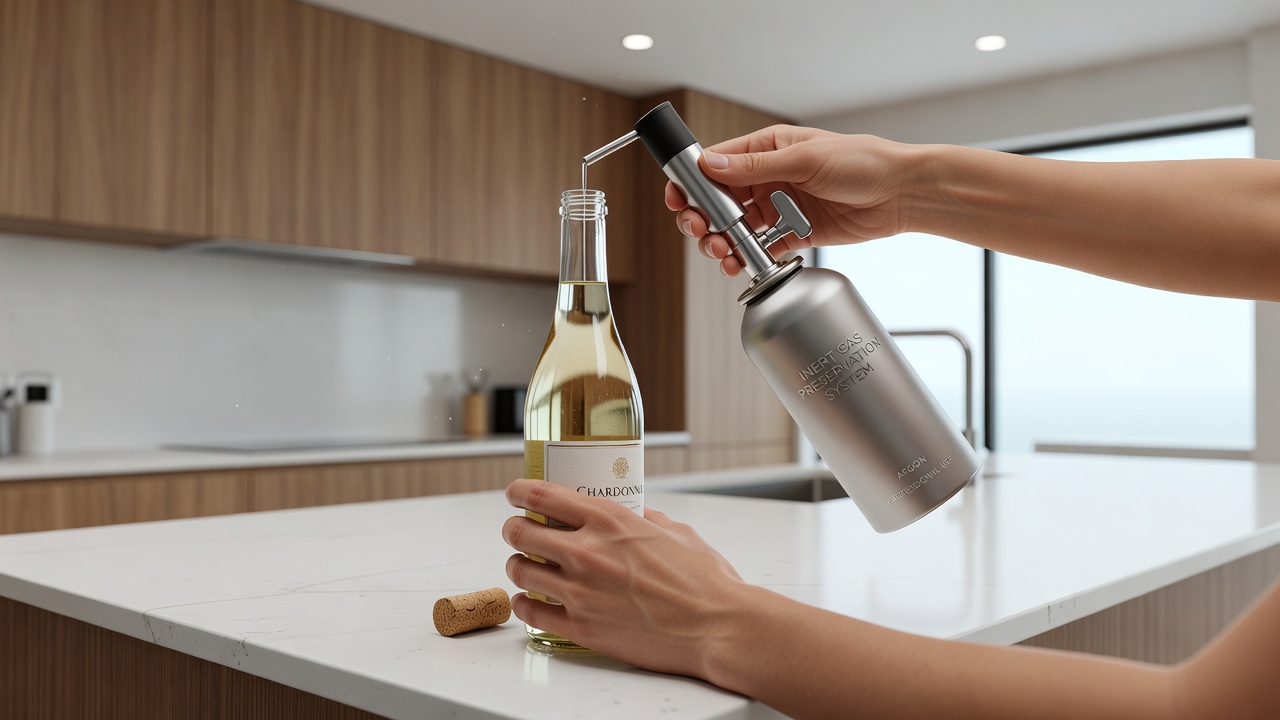
Inert gas systems release a layer of argon or nitrogen that sits on the wine surface and blocks oxygen. These systems excel with premium bottles you want to enjoy over several weeks. To use one, spray a one-second burst into the bottle, then re-cork immediately. The gas is heavier than air and forms a protective barrier that lasts for weeks. Sommeliers often prefer this approach for aged wines because it avoids any mechanical stress on the liquid. Wine Magazine regularly tests these tools and notes their effectiveness on both reds and whites. Home users appreciate that the method works equally well on half-empty bottles or those with just a single glass removed.
Refrigeration Hacks for Opened Bottles
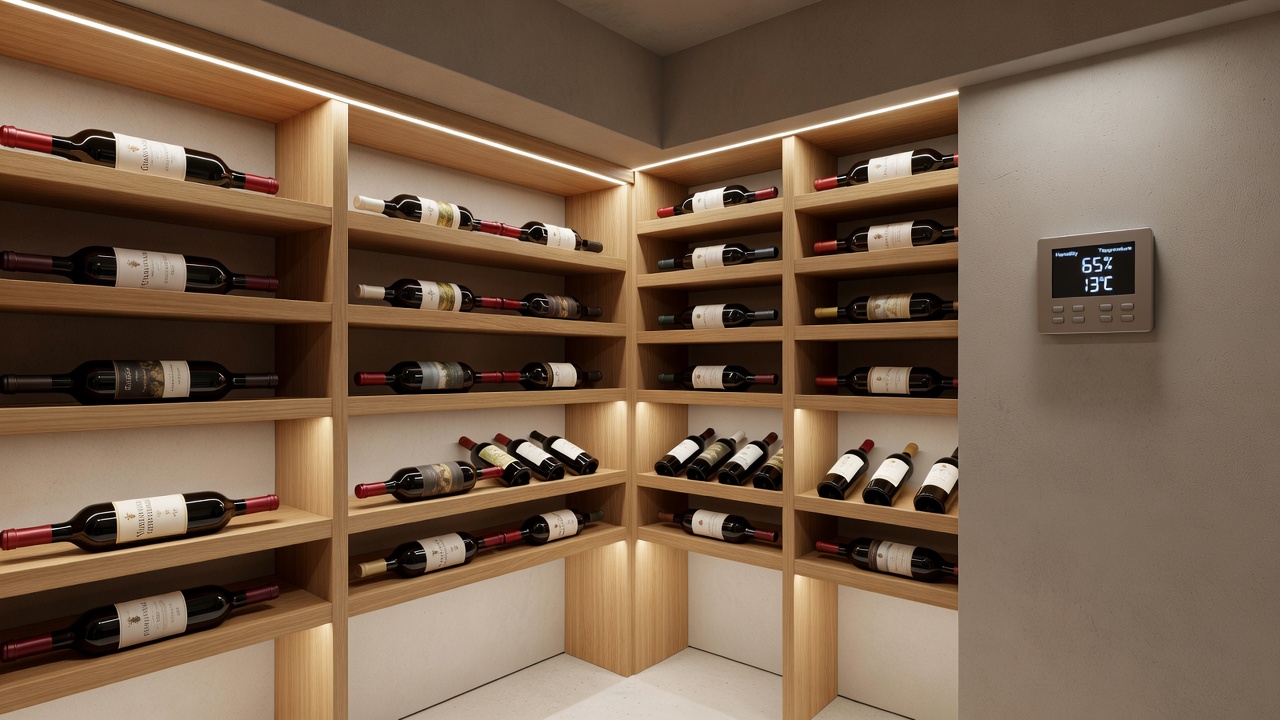
Temperature control dramatically slows chemical reactions. Whites and rosés should return to the refrigerator right after opening. For reds, a brief chill of 15–30 minutes before serving prevents rapid spoilage while preserving structure. Always keep bottles away from the refrigerator door where temperature fluctuates. Consider wrapping the bottle neck with plastic wrap before recorking for extra protection against air exchange. Some enthusiasts use wine-specific refrigerator sleeves that maintain consistent humidity levels. If space allows, dedicate a small section of the fridge solely to opened wines to avoid cross-contamination with strong food odors.
Comparing Popular Preservation Products
Here is a quick comparison of common options with pros, cons, and ideal use cases:
- Vacuum pumps – Best for budget-conscious users and short-term storage (3–5 days). Pros include low cost and ease of use; cons involve potential texture changes over time.
- Inert gas sprays – Ideal for longer preservation (up to several weeks) and higher-value bottles. Pros include no mechanical alteration; cons require careful application technique.
- Electric vacuum devices – Offer consistent suction and often include date-tracking features. Great for frequent users who want automation.
- Coravin-style needle systems – Allow single pours without removing the cork; suited for serious collectors. These systems preserve bottles for months but involve a higher initial investment.
Match the tool to your drinking habits and the wine style you open most often. Testing one product at a time helps determine what fits your routine best.
Which Wine Styles Benefit Most?
Full-bodied reds with high tannins tolerate oxidation better than light reds or whites. Sparkling wines lose carbonation fastest and benefit most from specialized stoppers. Sweet wines and fortified styles such as Port can last weeks thanks to higher sugar and alcohol content. Experiment with one bottle of each style to learn how your chosen method performs. Light-bodied whites like Sauvignon Blanc require the most aggressive protection, while oaked Chardonnays hold up better under vacuum methods. Rosé wines fall somewhere in the middle and respond well to gas systems combined with immediate chilling. Fortified wines like Sherry can remain stable for extended periods even with minimal intervention.
Real-Home Examples and Daily Routines
Consider a household that opens a bottle of Chardonnay on Monday. Using an inert gas spray followed by refrigeration keeps the wine fresh enough for Wednesday pasta night and Friday cheese board. Another example: a collector who uses a Coravin system on a rare Syrah can enjoy small pours over a full month without noticeable decline. Track your own results in a simple notebook to refine the approach. A busy professional might open a Cabernet on Sunday, use a vacuum pump, and finish the last glass on Thursday evening with no loss in quality. Families that entertain occasionally find gas systems helpful for keeping multiple opened bottles ready for unexpected guests throughout the week.
Common Mistakes to Avoid
Many people leave opened bottles on the counter overnight, which accelerates spoilage. Others reuse the original cork without ensuring a tight fit, allowing air to seep back in. Avoid storing bottles horizontally after opening because this increases surface area exposed to any remaining oxygen. Always replace the gas or vacuum treatment each time you pour rather than relying on a single application. Skipping temperature control is another frequent error that undermines even the best tools.
Common Myths About Oxidation and Serving Readiness
FAQ
Does decanting reverse oxidation? No. Decanting introduces more oxygen and is meant for young wines that need aeration, not preservation.
Can you freeze leftover wine? Freezing works for cooking but alters texture and aroma, making it unsuitable for drinking.
Is it safe to drink wine that smells slightly off? Slight oxidation may not harm you, but the experience suffers. When in doubt, cook with it instead.
How long can sparkling wine last with a special stopper? Quality stoppers can maintain bubbles for two to three days when the bottle is kept cold.
Should you always store opened wine upright? Yes for preservation purposes, as horizontal storage can allow air contact along the full length of the bottle.
Final Thoughts
Mastering wine preservation lets you enjoy opened bottles on your own schedule. Start with one reliable method, such as an inert gas system paired with proper refrigeration, then expand your toolkit as needed. Consistent technique turns occasional waste into consistent enjoyment. Decanter and other leading wine publications continue to explore these techniques as consumer interest in reducing waste grows. With practice, these sommelier strategies become second nature and elevate your overall wine experience at home.
No comments yet. Be the first!