 Uncorked Conversations
Introduction to Handling Natural Wines Like a Sommelier
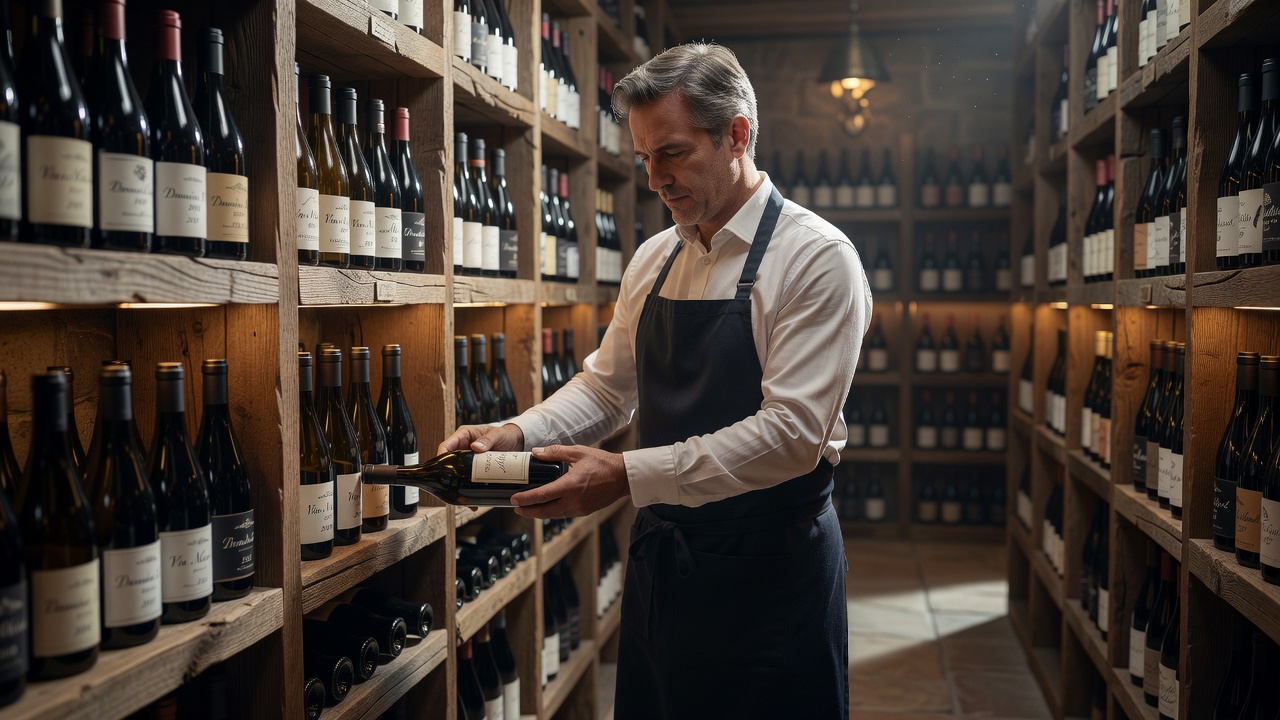
Natural wines, produced with minimal additives and often without filtration or sulfur additions, represent a growing category that demands specialized attention from sommeliers and enthusiasts alike. In 2026, the focus remains on preserving their delicate, living profiles through precise storage and serving methods. These wines can vary dramatically from bottle to bottle due to their reliance on native yeasts and spontaneous fermentation, making standard wine protocols insufficient. This comprehensive guide explores expert techniques to maintain flavor integrity, drawing from real sommelier practices that adapt to the unique sensitivities of low-intervention styles. Whether you are building a home cellar or refining professional service, understanding these nuances ensures each pour delivers the intended vibrancy and complexity.
Understanding the Unique Storage Needs for Natural Wines
Storage for natural wines prioritizes stability to prevent rapid changes in their microbial balance. Ideal conditions include temperatures between 12 and 14 degrees Celsius with relative humidity levels of 60 to 70 percent. These parameters help maintain cork integrity while minimizing evaporation or mold risks. Vibration from nearby appliances or foot traffic should be avoided entirely, as even minor disturbances can accelerate chemical reactions within the bottle.
Preventing Oxidation and Light Exposure
Oxidation poses the greatest threat because natural wines typically contain little to no added sulfites. Sommeliers recommend storing bottles horizontally in dark environments, using UV-protected cellars or opaque bins to block light that can degrade delicate phenolic compounds. In practice, one experienced sommelier at a natural wine bar in New York shared how switching to horizontal racking reduced spoilage incidents by nearly half over six months. For opened bottles, immediate transfer to smaller containers or use of inert gas sprays helps limit oxygen contact, preserving freshness for up to three days.
Precise Serving Temperatures for Optimal Expression
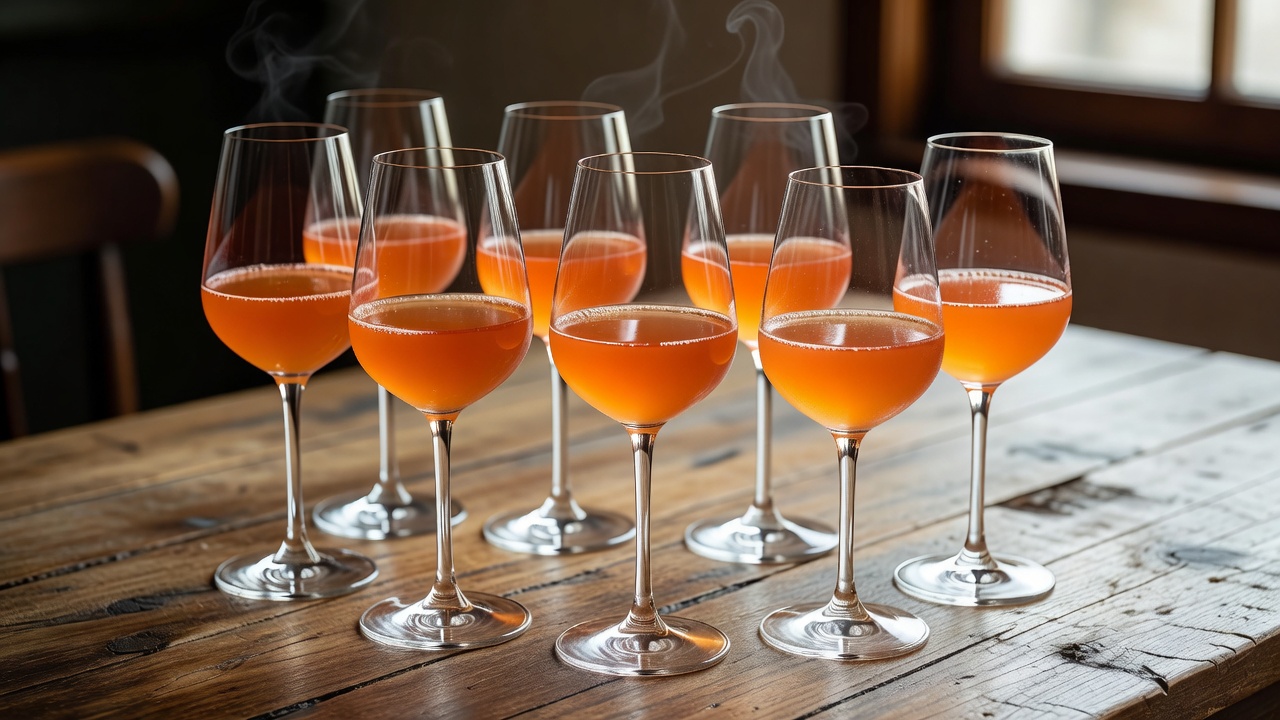
Serving temperatures must be tailored to each natural wine style to highlight volatile aromas without muting them. Lighter whites, rosés, and pétillant naturel wines perform best at 8 to 10 degrees Celsius, allowing crisp acidity and subtle fruit notes to emerge gradually. Orange wines and skin-contact varieties benefit from slightly warmer service around 12 to 14 degrees Celsius, which softens tannins while releasing herbal and earthy undertones. Red natural wines, often lighter in body, shine at 14 to 16 degrees Celsius. Over-chilling any style risks suppressing the very aromas that define these wines, so sommeliers always verify with digital thermometers before pouring.
Decanting Durations Tailored to Low-Intervention Styles
Decanting natural wines requires shorter durations than conventional counterparts to avoid stripping volatile compounds. Most styles need only 15 to 30 minutes of aeration. For pét-nats, a quick 10-minute decant suffices to settle sediment without losing effervescence. Skin-contact and orange wines may benefit from up to 25 minutes, allowing integrated tannins to open while retaining their signature texture. Always use a narrow-neck decanter to control oxygen flow. In one documented case, a sommelier in Portland decanted a cloudy natural red for exactly 20 minutes, resulting in enhanced cherry and earth notes that impressed a skeptical tasting panel.
Selecting Glassware That Enhances Volatile Aromas
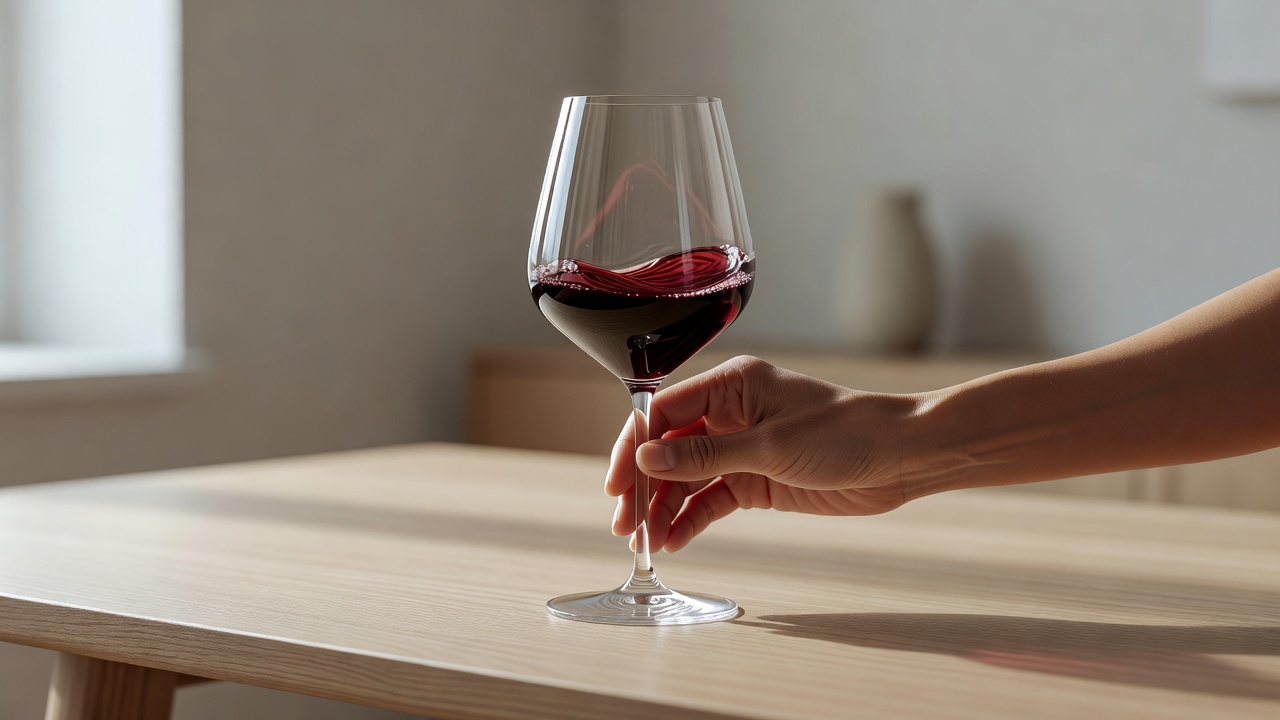
Glass selection plays a pivotal role in showcasing natural wine profiles. Medium-bowled glasses with a gentle taper work well for whites and orange wines, concentrating floral and citrus aromas at the rim. Avoid oversized bowls designed for bold conventional reds, as they disperse subtle minerality too rapidly. For pét-nats, tulip-shaped flutes preserve bubbles while directing yeasty notes upward. Sommeliers often test multiple glass shapes during service training to identify the best match for each producer’s style, noting that the right vessel can elevate perceived quality dramatically.
Step-by-Step Serving Sequences for Orange and Skin-Contact Wines
Follow this detailed sequence for consistent results. First, confirm the bottle has rested at the target temperature for at least two hours. Second, inspect the cork for any seepage indicating prior oxygen exposure. Third, gently decant if sediment is present, timing the process based on style. Fourth, select and polish the appropriate glassware. Fifth, pour a small test amount to assess evolution over five minutes. Sixth, serve to guests while monitoring how the wine changes in the glass over the next 30 minutes. Real-world examples demonstrate that adhering to this order prevents common issues like premature flattening of aromas in skin-contact wines.
Common Mistakes to Avoid When Handling Natural Wines
- Using standard decanting times meant for conventional wines, which over-aerates and dulls flavors.
- Storing at inconsistent temperatures that encourage unwanted fermentation restarts.
- Choosing glasses with wide openings that dissipate delicate volatile compounds.
- Ignoring sediment in unfiltered bottles, leading to cloudy pours and off-textures.
- Exposing open bottles to air without protective measures, accelerating oxidation within hours.
Comparisons Between Conventional and Natural Wine Protocols
Conventional wines often tolerate wider temperature swings and longer decants thanks to added stabilizers and sulfites. Natural wines, by contrast, require tighter controls because their living nature makes them reactive. Side-by-side tastings reveal that applying conventional methods to natural bottles frequently results in muted fruit and increased volatility. For instance, a 45-minute decant suitable for a structured Bordeaux can strip the nuance from a natural Loire red in half that time. Understanding these differences helps professionals adapt quickly when switching between categories.
Building a Practical Home Sommelier Setup
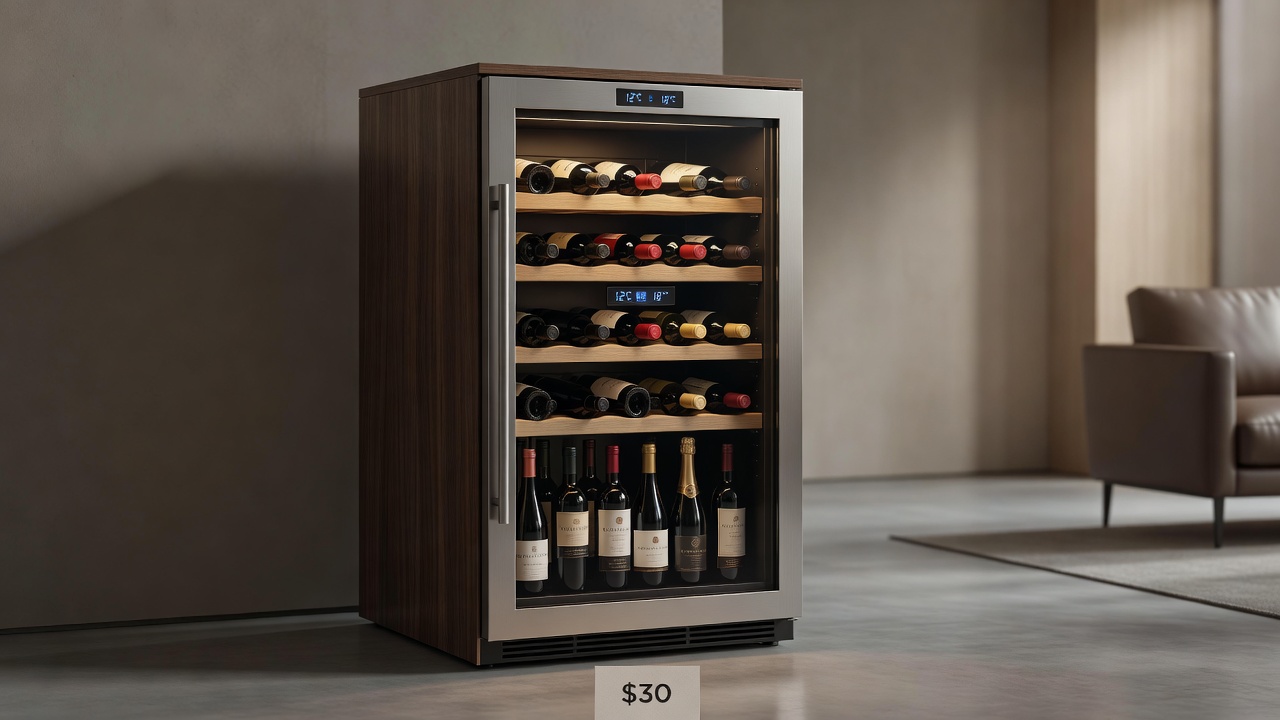
A well-equipped station supports consistent results. Include a compact wine fridge maintaining 12–14°C, a digital hygrometer for humidity tracking, a selection of decanters with varied neck widths, and at least three glass shapes covering white, orange, and red needs. Add a vacuum pump, inert gas canister, and thermometer for precise checks. Keep a small library of reference cards noting each wine’s optimal service window. This setup mirrors professional environments and allows home users to replicate sommelier-level care without excessive investment.
Real-World Sommelier Experiences and Examples
During a 2025 harvest festival in Tuscany, a visiting sommelier demonstrated how slight adjustments in decant time transformed an orange wine from muted to expressive. Another professional in Melbourne maintains separate storage zones for natural versus conventional bottles, reporting fewer customer complaints about off-flavors. These anecdotes underscore the value of observation and flexibility when working with natural wines.
Frequently Asked Questions on Flavor Preservation
How long can an opened natural wine last with proper care? Most retain quality for two to three days when sealed and refrigerated promptly.
Should all natural wines be decanted? Lighter pét-nats often perform better poured directly, while structured skin-contact wines benefit from brief aeration.
What signs indicate oxidation has begun? Look for browning at the rim, sherry-like aromas, or a sharp vinegar note that overrides fruit.
Can natural wines be aged long-term? Select low-intervention bottles with balanced acidity and tannin for careful cellar aging, checking periodically for development.
Conclusion
Mastering these sommelier techniques allows natural wines to express their full character from storage through service. By applying precise temperatures, controlled decanting, and thoughtful glassware choices, both professionals and home enthusiasts can avoid common pitfalls and celebrate the category’s diversity. For additional insights, consult authoritative resources such as Decanter, WSET, and Jancis Robinson. Consistent application of these methods ensures every bottle delivers its intended vibrancy in 2026 and beyond.
No comments yet. Be the first!