 Uncorked Conversations
Introduction to Glass-Based Wine Aeration
Modern wine enthusiasts in 2026 increasingly favor minimalist approaches that deliver professional results without bulky decanters. Aerating wine directly in glasses allows home hosts to open bottles and serve quickly while still achieving balanced flavors and aromas. This method aligns with current trends toward simplified service that prioritizes convenience and sustainability. Many people search for practical sommelier tips on wine serving and decanting alternatives because traditional equipment can feel cumbersome for weeknight dinners or impromptu gatherings. By mastering glass aeration, you gain control over the process and enjoy fresher expressions of your favorite bottles.
Traditional decanting works well for large-format or aged bottles, yet everyday reds and whites benefit from targeted glass aeration. By understanding how oxygen interacts with wine in different vessels, you can replicate sommelier-level outcomes in minutes. The technique also reduces the need for extra cleaning and storage space, making it ideal for smaller kitchens or apartments.
Why Aerate Wine in the Glass?
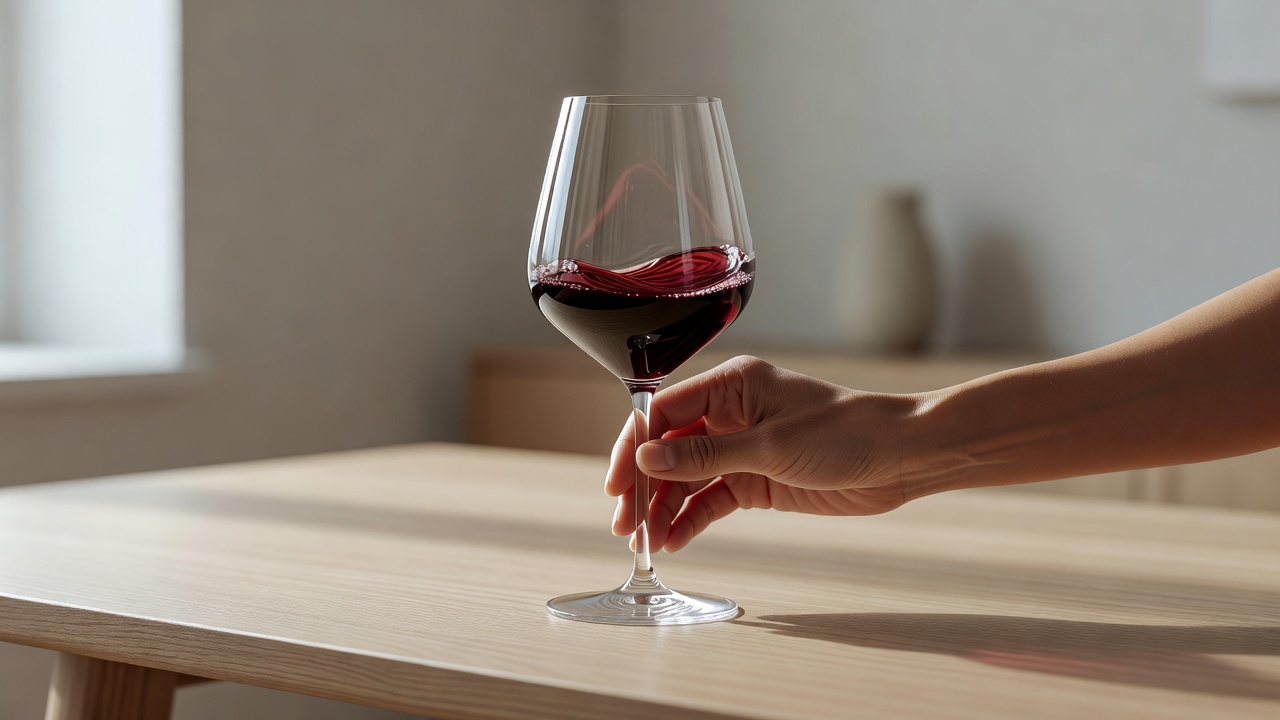
Aeration softens tannins, releases volatile compounds, and enhances fruit notes. When performed in the glass, the process becomes immediate and equipment-free. Swirling introduces oxygen efficiently because the wine surface area expands dramatically inside a properly shaped bowl. This rapid exposure helps bridge the gap between bottle and table, especially when time is limited. Home enthusiasts often discover that glass aeration preserves more of the wine’s original character compared to aggressive decanting, which can sometimes strip subtle nuances.
Storage considerations matter before serving. Keep bottles at stable cellar temperatures around 55°F (13°C) until opening. Once uncorked, immediate gentle swirling begins the aeration clock without needing extra tools. Proper pre-serving storage in a cool, dark place prevents premature aging and ensures the wine responds predictably to oxygen once poured.
The Science Behind Aeration in Standard Glasses
Oxygen interacts with wine by softening harsh tannins and allowing aromatic molecules to volatilize. In a glass, the curved sides and open top create an ideal environment for this exchange. Unlike a narrow bottle neck, the wide bowl lets more wine molecules meet air, speeding up the transformation. Research from institutions like the University of California, Davis, supports that controlled aeration improves perceived quality in many varietals. Glass aeration also limits over-oxidation risks because you can monitor the wine visually and stop at the right moment.
Swirling Methods by Wine Type
Red wines with bold tannins, such as Cabernet Sauvignon or Syrah, require more vigorous motion. Hold the glass by the stem and rotate it in a circular motion for 30–45 seconds, allowing the wine to climb the sides. Lighter reds like Pinot Noir need shorter, gentler swirls of 15–20 seconds to avoid over-oxidation. Practice a steady rhythm so the wine coats the interior without splashing over the rim.
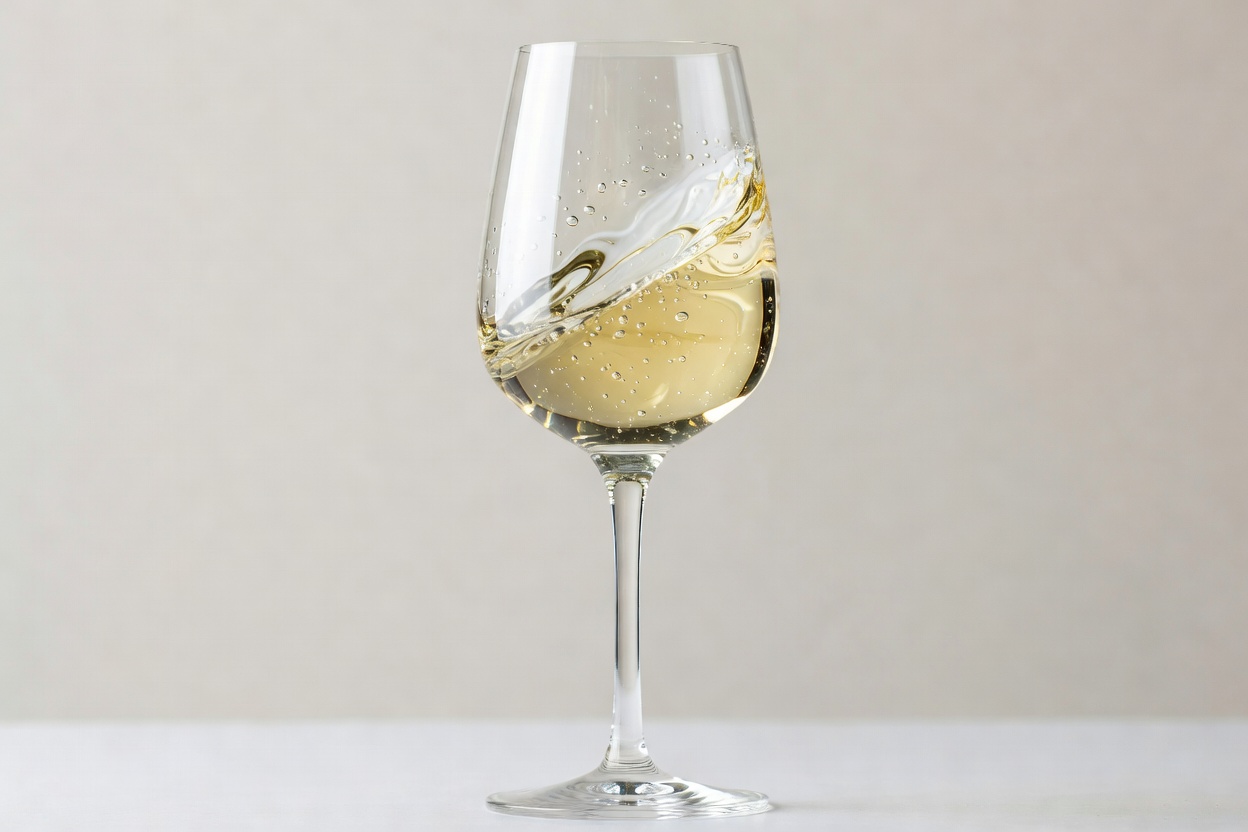
White wines generally need less aeration. Crisp varieties like Sauvignon Blanc benefit from 10–15 seconds of light swirling to release citrus aromas. Fuller whites such as Chardonnay may handle 20 seconds to integrate oak notes smoothly. Sparkling wines require the lightest touch—often just a single slow rotation—to preserve bubbles while still opening up fruit character.
Visual cues for readiness include a slight sheen on the surface and the wine settling into a uniform layer after swirling stops. If aromas remain muted, repeat the motion briefly. Color changes, such as a slight brightening at the edges, also signal successful aeration.
Timing Guidelines for Reds Versus Whites
Most everyday reds reach optimal aeration in the glass within 3–5 minutes after initial swirling. Robust wines may improve up to 8 minutes. Whites typically peak faster, often within 2–4 minutes, preserving their freshness. Temperature plays a supporting role: reds served at 60–65°F aerate at a steady pace, while whites at 45–55°F maintain vibrancy. Monitor the clock and your senses rather than relying on rigid rules.
Comparing Glass Shapes and Their Impact on Aeration
Glass shape dramatically affects aeration efficiency. Bordeaux-style glasses with tall bowls and wide openings maximize surface area for reds, promoting faster oxygen exchange. Burgundy glasses feature even wider bowls that suit delicate reds by allowing more gentle swirling without spilling. White wine glasses tend to be narrower and more tulip-shaped, concentrating aromas while still permitting controlled aeration. Universal glasses offer versatility but deliver slower results for bold reds compared to specialized shapes.
Real-world example: An everyday California Cabernet served in a Bordeaux glass aerates noticeably faster than the same wine in a narrower all-purpose glass, revealing blackcurrant notes within four minutes. Another example involves a New Zealand Sauvignon Blanc in a tulip glass, where 15 seconds of swirling unlocks passionfruit aromas that remain hidden in a standard water glass. Consider investing in a small set of versatile shapes to match different occasions.
Step-by-Step Instructions for Quick Serving
- Choose the appropriate glass shape for your wine type based on the guidelines above.
- Pour 2–3 ounces initially to allow room for swirling without overflow.
- Hold the stem firmly and perform controlled circular motions for the recommended duration per wine style.
- Observe visual cues such as surface sheen and listen for the wine’s movement, then sniff for emerging aromas.
- Add the remaining wine once aeration is complete and serve immediately to guests.
- Repeat a quick swirl in the full glass if aromas fade during the meal.
Practice on everyday bottles like a standard Merlot or Chardonnay to refine your technique before special occasions. Keep notes on timing and results to build personal expertise.
2026 Trends in Minimalist Wine Service
Current trends emphasize fewer accessories and more intentional pouring rituals. Glass aeration fits perfectly, reducing cleanup and storage needs while supporting eco-conscious hosting. Many sommeliers now teach this approach at home tastings because it aligns with sustainability goals and modern lifestyles. Pair this method with proper pre-serving storage in cool, dark spaces to maintain wine integrity from bottle to glass. The rise of small-space living has made single-glass techniques especially popular among urban wine lovers.
Storage Considerations for Pre-Serving Prep
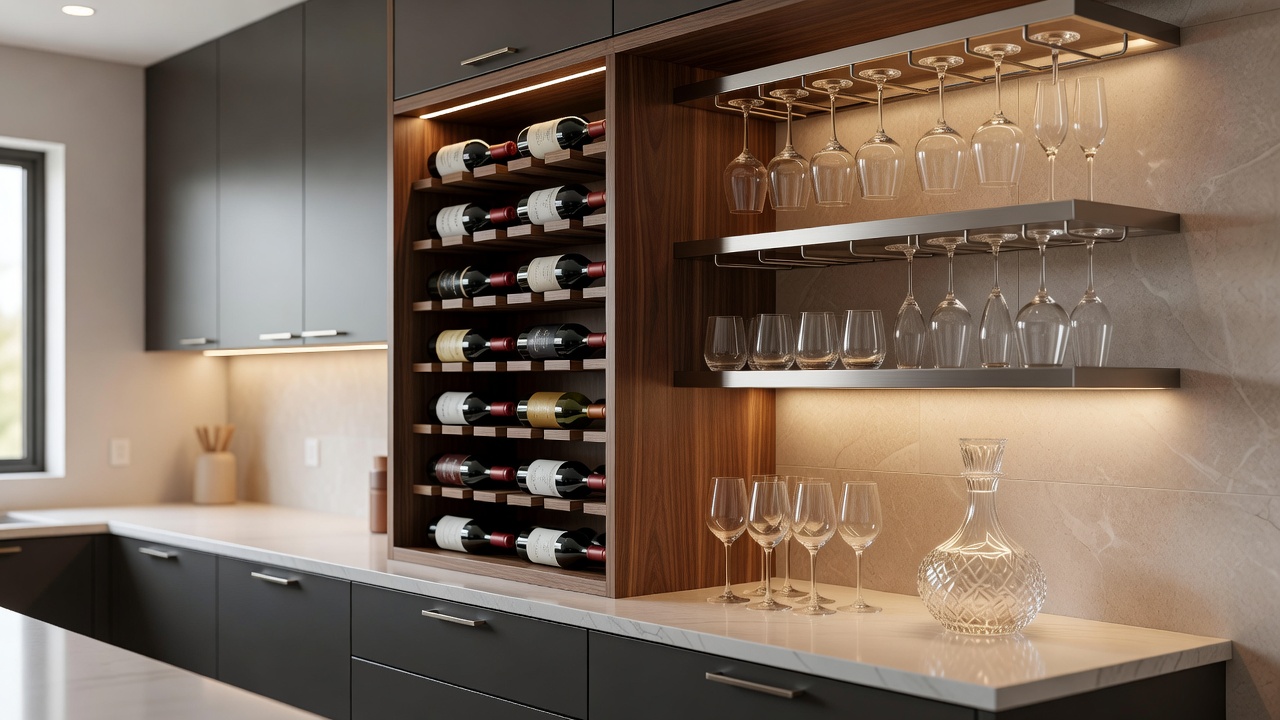
Before any aeration begins, store unopened bottles on their sides in a consistent environment free from vibration and light. Avoid placing them near kitchens or windows where temperature swings occur. Once opened, the glass aeration process itself becomes part of the serving ritual. This preparation ensures the wine is ready to respond quickly to oxygen once poured, delivering consistent results every time.
Common Mistakes and How to Avoid Them
- Over-swirling delicate wines, which can flatten aromas—use shorter sessions instead and check frequently.
- Using warm glasses that accelerate oxidation unevenly—chill stems briefly if needed before pouring.
- Ignoring glass size—fill only one-third full to allow proper movement and prevent spills.
- Skipping visual checks and serving too early or too late—always observe the wine’s surface and aroma development.
- Choosing the wrong glass shape for the varietal, leading to slower or uneven aeration—match shapes to wine styles for best outcomes.
Frequently Asked Questions
Can all wines be aerated in the glass?
Most table wines respond well. Very old or fragile bottles may still benefit from traditional decanting to avoid sediment issues. Young, tannic reds and aromatic whites show the most dramatic improvement with this technique.
How long should I wait after opening before swirling?
Begin swirling immediately upon pouring for maximum efficiency. Delaying the process reduces the window for optimal aroma release.
Does glass aeration replace decanting entirely?
It serves as an excellent alternative for quick service but complements decanting for structured or vintage wines. Many enthusiasts use both methods depending on the bottle and occasion.
What if my wine tastes flat after glass aeration?
Try a second short swirl or let it rest an additional minute. Sometimes temperature adjustments or a different glass shape can unlock hidden layers.
Is this technique suitable for sparkling wines?
Yes, with very light motion. The goal is subtle aroma release without losing carbonation. Limit swirling to a few seconds at most.
Explore more professional techniques at Wine Folly, Decanter, and Wine Enthusiast.
Conclusion
Aerating wine directly in glasses empowers home enthusiasts to achieve sommelier-quality results efficiently. With attention to swirling technique, timing, glass shape, and storage, you can enjoy balanced, aromatic pours in minutes while embracing 2026’s minimalist ethos. Practice these steps with your favorite bottles to refine your personal style and transform everyday serving into a refined ritual.
No comments yet. Be the first!