 Uncorked Conversations
Introduction to Home Wine Bar Setup
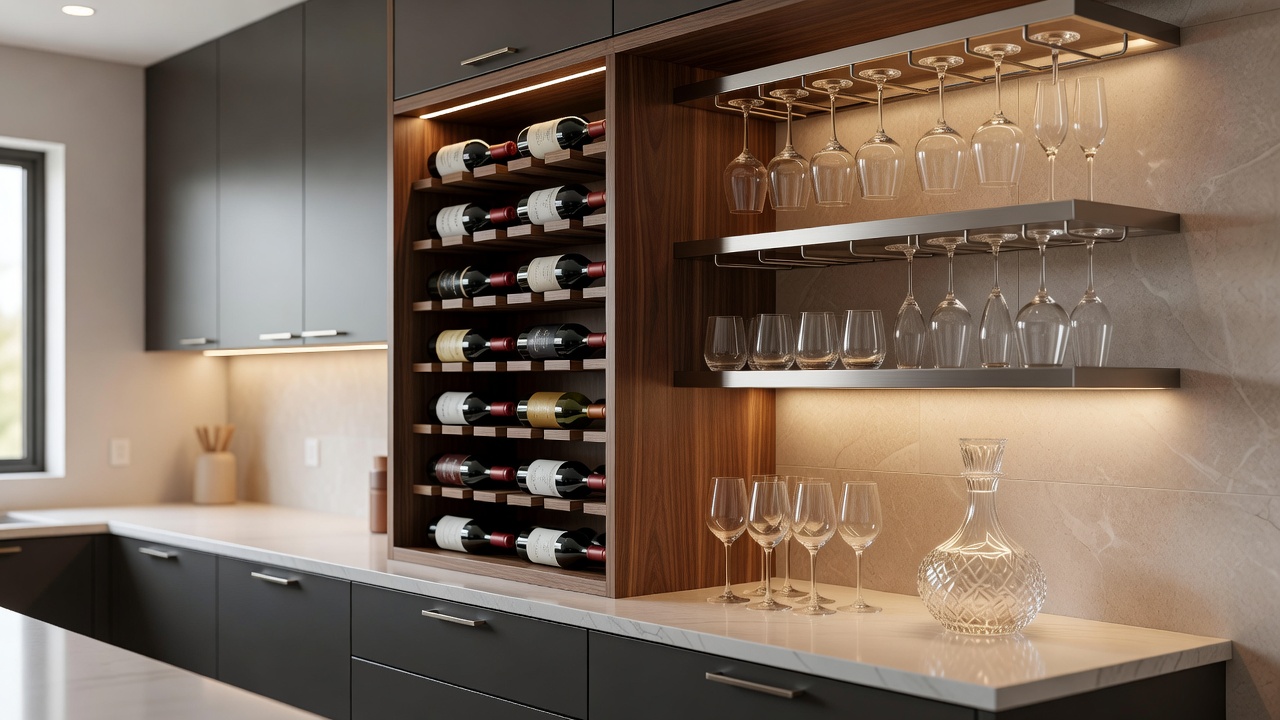
Creating a functional home wine bar station brings professional-level serving techniques into everyday living spaces. In 2026, enthusiasts without dedicated cellars can still achieve optimal wine preservation and presentation using smart layouts and compact solutions. This guide draws on core sommelier principles to help you plan, build, and maintain an efficient station focused on storage, glassware, and decanting. A thoughtfully designed wine bar improves every aspect of wine enjoyment by controlling temperature, reducing clutter, and streamlining service from bottle to glass. Whether you live in a compact apartment or a spacious kitchen, balancing accessibility with preservation needs forms the foundation of success. Many home enthusiasts begin with basic setups and gradually refine them based on daily use and entertaining frequency.
Professional sommeliers emphasize workflow efficiency above all. Your station should allow seamless movement from storage to preparation to serving without unnecessary steps. This approach not only saves time but also prevents common issues like temperature fluctuations or accidental spills. Real-world examples demonstrate that even modest investments in organization yield noticeable improvements in wine quality and guest experience.
Planning Your Layout for Easy Access
Start by assessing your available space in detail. Measure countertops, cabinets, and walls carefully to determine zones for bottles, glasses, and tools. Position the station near a sink for easy rinsing while keeping it away from direct sunlight, ovens, or heating vents that could alter wine temperature. A logical flow moves from storage to preparation to serving, minimizing cross-traffic during gatherings. Consider household traffic patterns when finalizing placement. Place frequently used items at eye level or within comfortable arm's reach to encourage regular use. Incorporate vertical elements like wall-mounted racks or floating shelves to free valuable surface area. Real-home examples from urban apartments show that corner installations often maximize limited square footage while maintaining visibility of all components. In larger homes, integrating the station into an existing dining area creates a dedicated yet welcoming focal point.
Selecting Versatile Wine Glasses
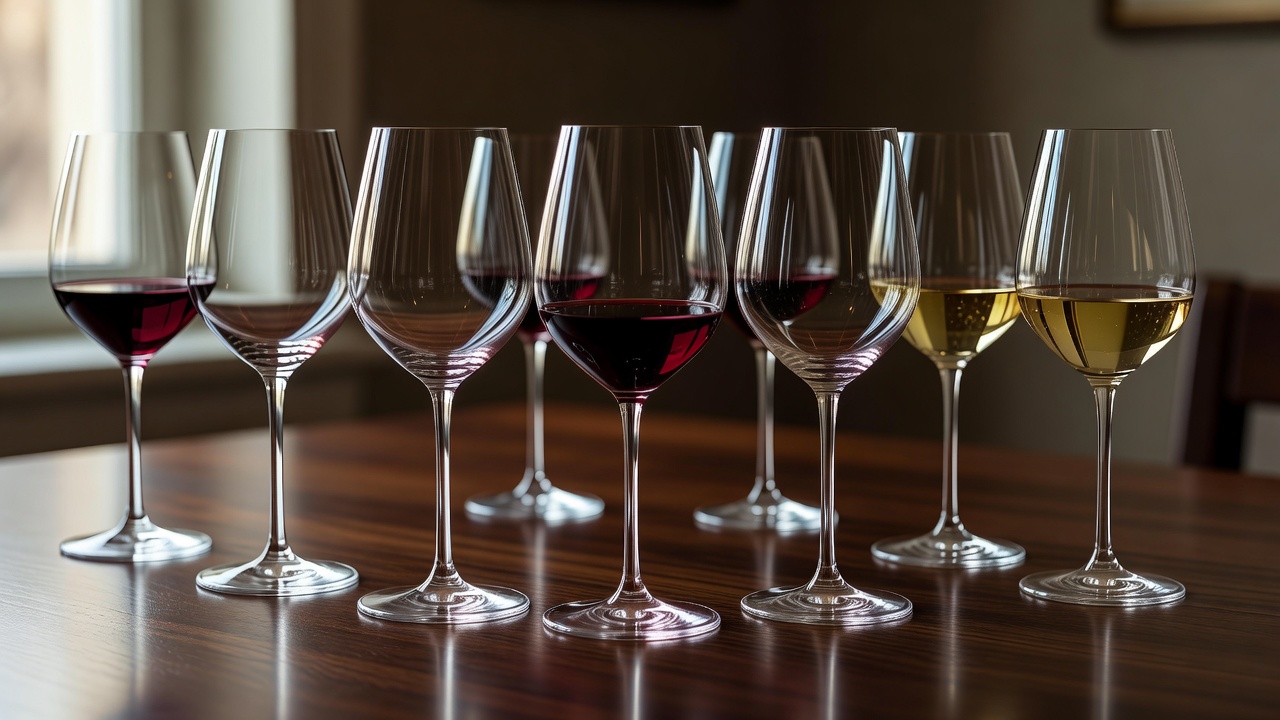
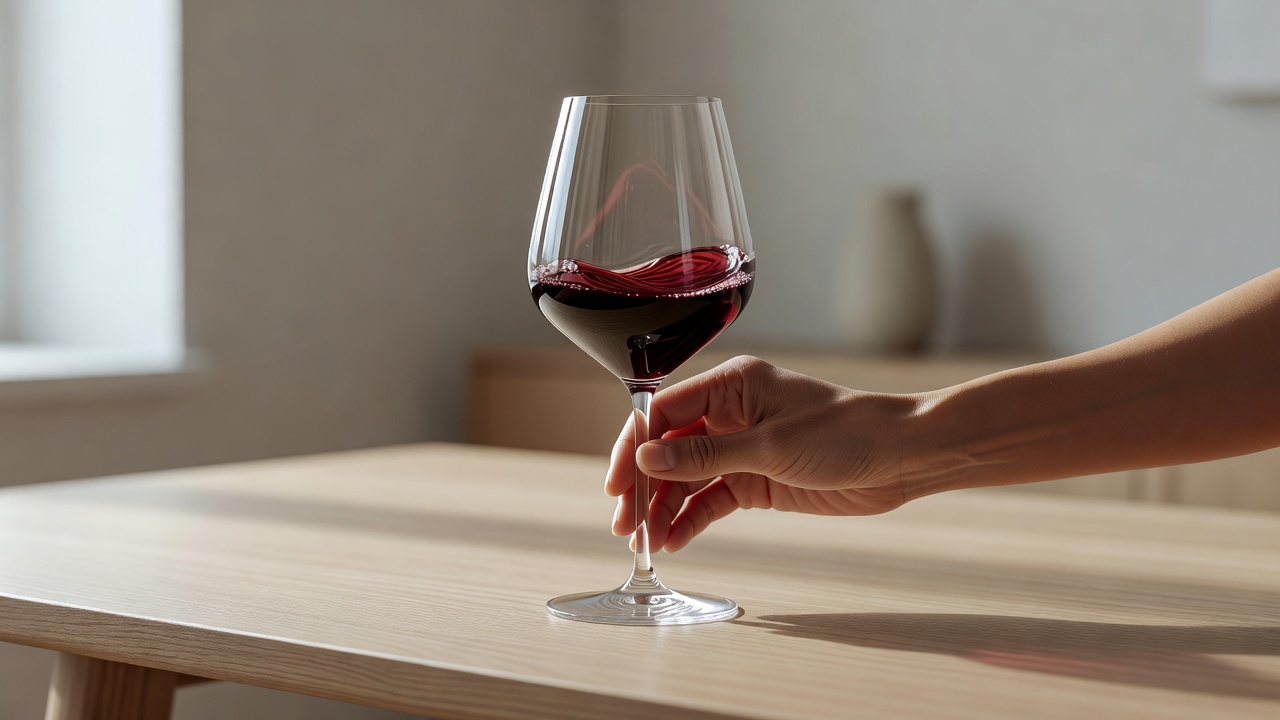
Glassware choice directly affects aroma release and taste perception. Select a core set of universal glasses capable of handling reds, whites, and sparkling wines effectively. Prioritize thin, clear crystal with a generous bowl and tapered rim for optimal aeration. Avoid overly specialized stems unless your collection centers on one varietal such as Burgundy or Bordeaux. Store glasses upside down on dedicated racks or in protective cabinets to prevent dust accumulation and breakage. A set of six to eight versatile glasses comfortably serves two to four people during typical evenings. This practical approach keeps your station uncluttered while supporting proper service etiquette recommended by leading wine authorities. Regular inspection for chips or cloudiness ensures every pour looks and tastes its best.
Incorporating Compact Storage Solutions
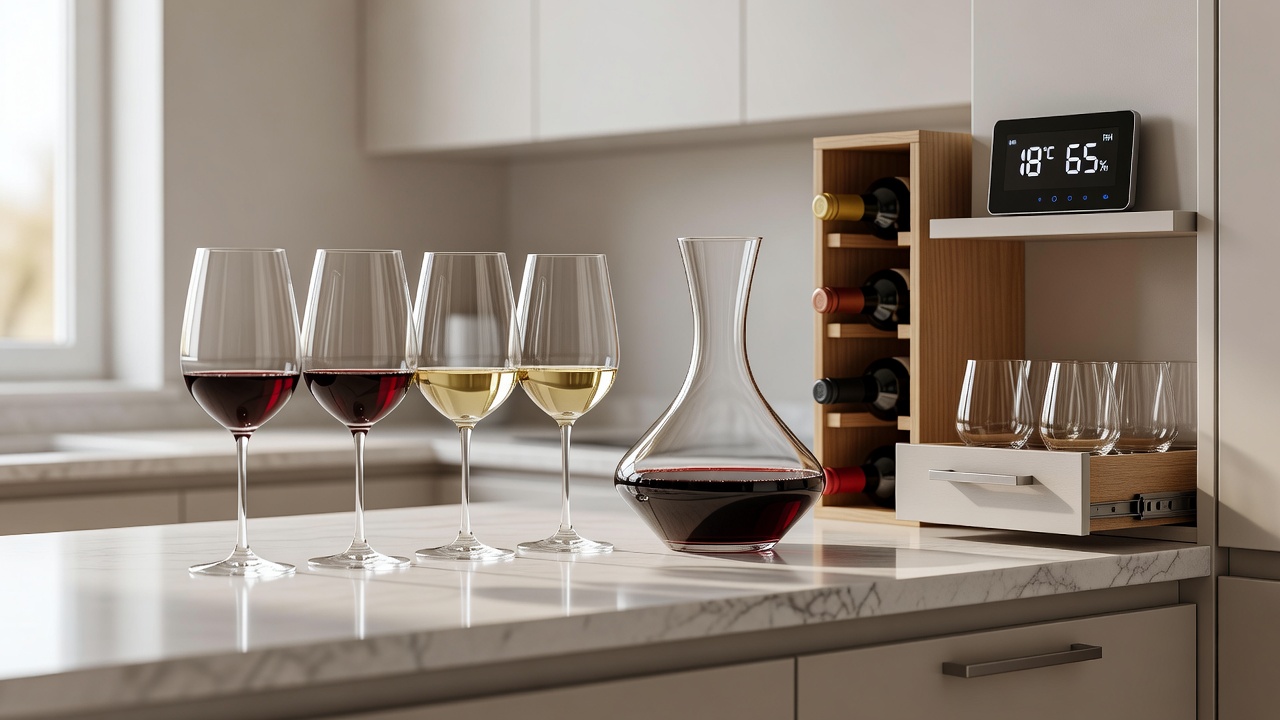
Wine storage demands stable temperatures near 55 degrees Fahrenheit and protection from vibration and light. Compact options include countertop racks holding six to twelve bottles or under-cabinet hanging systems that utilize unused space. Insulated sleeves or small wine fridges offer additional temperature control in warmer climates or open-concept living areas. Modular cube systems allow easy expansion as collections grow. Always store bottles horizontally to keep corks moist and prevent oxidation. Label sections clearly for quick retrieval during entertaining or quiet evenings at home. Many enthusiasts combine open shelving for daily drinkers with enclosed units for special bottles, creating both visual appeal and practical preservation.
Decanting Workflows and Tools
Decanting enhances older reds by removing sediment and allowing oxygen exposure. Position your decanter station beside storage with a funnel, aerator, and lint-free cloth nearby. Follow a simple workflow: open the bottle, pour slowly into the decanter while watching for sediment, and allow breathing time of 30 to 60 minutes depending on the wine. Include a small tray for drips and a reliable corkscrew within immediate reach. This dedicated zone prevents spills and maintains an elegant presentation. Beginners often benefit from practicing the process with affordable bottles before important occasions. Authoritative resources such as Decanter provide additional guidance on timing and technique for various wine styles.
Countertop vs Cabinet Configurations
Countertop setups deliver immediate access and visual appeal but require more frequent dusting and careful light management. Cabinet configurations hide bottles behind doors for a cleaner aesthetic and superior protection from light and temperature swings. Many homes successfully combine both approaches: open shelves for everyday bottles and closed storage for aging vintages. Real-home examples from city apartments and suburban houses alike demonstrate that hybrid designs reduce clutter while preserving functionality. Evaluate local humidity levels and available electrical outlets when deciding between open and enclosed options. Adding interior lighting with low-heat LEDs can enhance cabinet setups without risking wine quality.
Essential Tools and Accessories
Beyond glasses and storage, stock a few key tools for smooth operation. Include a double-hinged corkscrew, wine stopper, thermometer, and aerator. A small cutting board or tray helps with cheese pairings, while coasters protect surfaces. Keep cleaning supplies like microfiber cloths nearby for quick maintenance. These items transform a basic station into a fully functional bar ready for any occasion.
Step-by-Step Assembly Instructions
- Clear and clean the chosen area thoroughly, removing dust and debris that could affect wine or glassware.
- Install wall anchors or racks first, ensuring secure mounting for safety and stability.
- Arrange storage units beginning with the largest pieces to establish the overall footprint.
- Position glassware racks above or beside the main surface for easy reach during service.
- Add decanting tools, thermometer, and finishing touches such as coasters or a small vase for atmosphere.
- Test the full workflow by simulating a complete serving session from storage to pour.
- Make final adjustments based on comfort and accessibility before stocking with wine.
Common Mistakes to Avoid
- Overcrowding surfaces with too many accessories, which leads to clutter and inefficiency.
- Placing the station near heat sources or windows, causing inconsistent temperatures.
- Neglecting regular cleaning of glasses and racks, resulting in poor presentation.
- Storing bottles upright for extended periods, which dries out corks and spoils wine.
Troubleshooting FAQ
How do I maintain consistent temperature?
Use a digital thermometer and avoid placing the station near ovens, windows, or vents. Small cooling units or insulated barriers help stabilize conditions in fluctuating environments. Monitoring weekly allows quick corrections.
What causes clutter and how do I fix it?
Overcrowding usually stems from too many accessories or seasonal items. Limit essentials, rotate inventory, and schedule monthly decluttering sessions to keep the space efficient and inviting.
Can I adapt this for very small spaces?
Yes, emphasize vertical storage and multi-use pieces such as stackable racks or wall-mounted systems. Many compact apartments successfully feature functional stations using these strategies.
How often should I clean glassware?
Rinse glasses after each use and perform a deeper clean monthly with mild detergent. Avoid dishwashers for fine crystal to preserve clarity and thin rims.
Conclusion
A well-planned home wine bar elevates everyday enjoyment and impresses guests with professional touches. By applying these sommelier-inspired strategies for layout, glassware, storage, and workflows, you create a lasting, practical station tailored to your lifestyle. Start small, refine over time, and enjoy the results of a thoughtfully organized space that enhances every bottle.
No comments yet. Be the first!