 Uncorked Conversations
Introduction to Wine Glass Geometry and Aroma
Wine enthusiasts often overlook the critical role that glass shape plays in delivering a wine's full aromatic profile. Sommeliers understand that the geometry of a glass influences how volatile compounds reach the nose, affecting everything from initial bouquet to finish. This article dives deep into the science, practical comparisons, and techniques that elevate your tasting experience. Understanding these principles allows anyone to replicate professional service at home, transforming ordinary bottles into memorable sensory journeys. The right glass does more than hold liquid; it acts as a precision tool for aroma concentration and delivery.
The Science of Volatile Compounds and Glass Shape
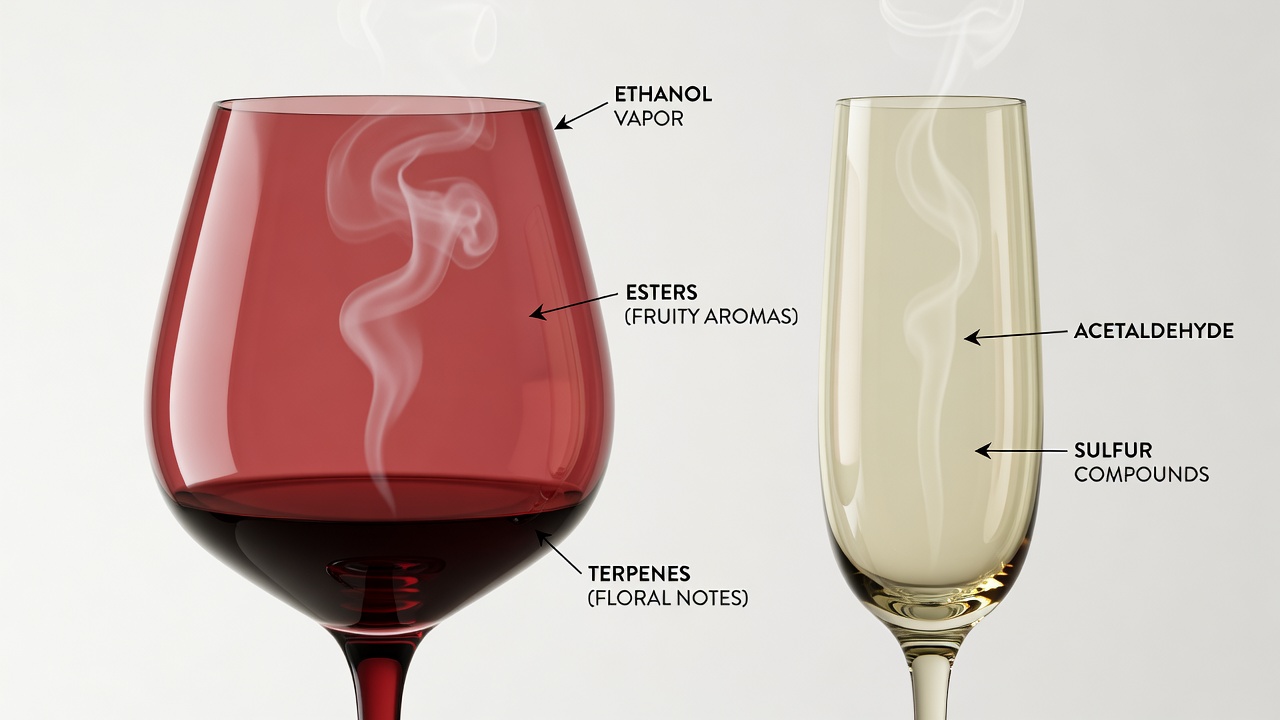
Wine aromas stem from volatile organic compounds that evaporate and travel through the air. The bowl's width, height, and taper control the concentration and direction of these vapors. A narrower opening funnels aromas upward, while a wider bowl allows more surface area for evaporation but can disperse delicate notes. Research from institutions like WSET highlights how temperature and evaporation rates interact with glass design to preserve or diminish specific scents. Physics plays a key role here: surface tension, air flow dynamics, and even the angle of the rim affect how molecules rise toward the nostrils. For instance, ethanol volatility increases with greater surface exposure, which can mask subtler fruit or floral notes if the bowl is too broad. Stem length prevents hand warmth from altering temperature, while rim thickness directs flow to the tongue and nose simultaneously. Poor glass choice often leads to muted fruit notes or exaggerated alcohol burn, common aroma faults discussed in the FAQ section. Additional factors include the glass's material density, which influences heat retention, and internal etching patterns sometimes used in modern designs to enhance nucleation and bubble release in sparkling wines.
Comparing Bowl Shapes for Red and White Wines
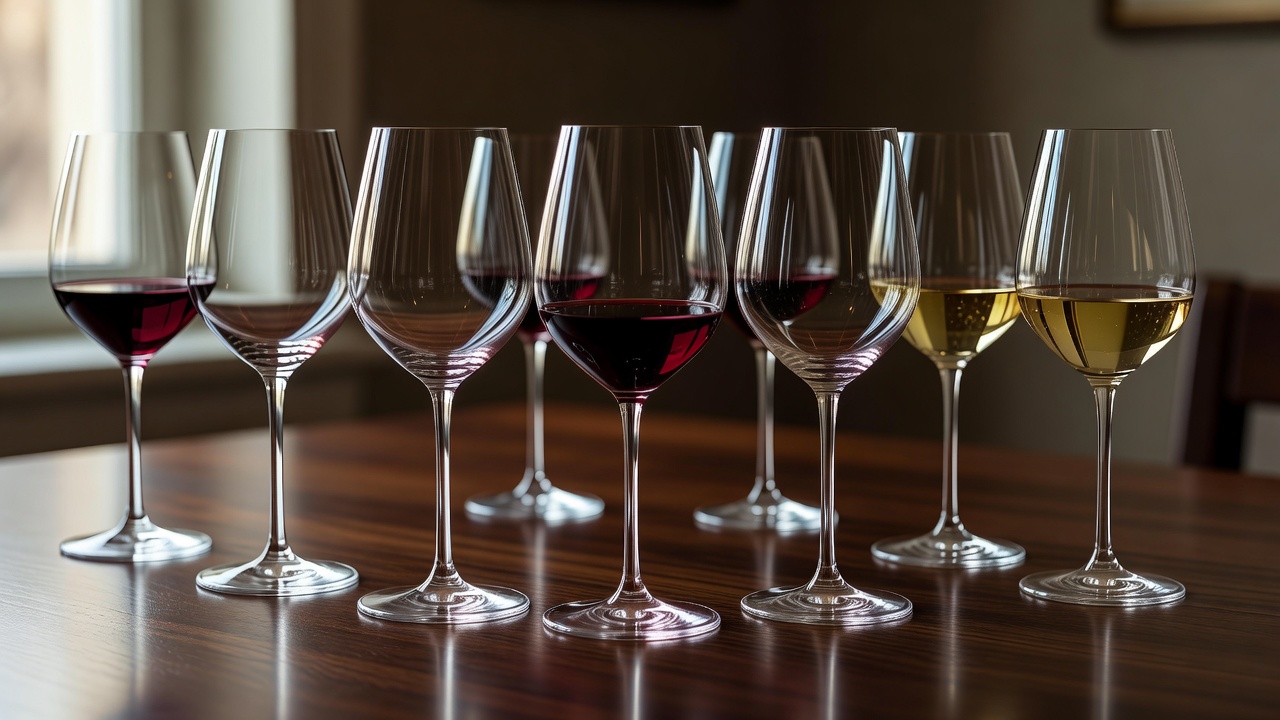
Red wines benefit from larger, rounder bowls that promote oxidation and release tannins and dark fruit aromas. Burgundy glasses, with their wide bowls and narrower rims, concentrate earthy and floral notes in Pinot Noir. Bordeaux glasses feature taller bowls suited for Cabernet Sauvignon, allowing robust tannins to breathe without overwhelming the nose. In comparison, white wines require slimmer, tulip-shaped glasses to maintain cooler temperatures and highlight citrus or mineral aromas. A Chardonnay glass might have a slightly wider bowl than a Sauvignon Blanc glass to balance oak influences. Visual comparisons help illustrate these differences, showing how vapor pathways differ dramatically between shapes. Beyond the basics, consider varietals like Merlot, which performs best in medium-wide bowls that soften its plush texture without losing cherry and plum notes. For aromatic whites such as Gewürztraminer, a slender flute-style bowl preserves lychee and rose petal volatiles that would otherwise dissipate quickly in oversized glasses. The choice between crystal and standard glass also matters, as thinner rims improve sipping precision and aroma focus.
Step-by-Step Pouring Techniques to Preserve Aromas
Follow these sommelier-approved steps for optimal aroma delivery. First, select the glass matched to the wine style and ensure it is at room temperature and completely free of residues from prior use or dish soap. Second, pour only to one-third capacity, giving ample room for swirling that releases additional volatiles without overflow. Third, perform a gentle circular swirl for 10 to 15 seconds; this aerates the wine and encourages even evaporation across the bowl surface. Fourth, hold exclusively by the stem to avoid warming the bowl, then bring the glass close to the nose while inhaling steadily through both mouth and nose to capture the full spectrum of aromas. Fifth, adjust pour volume according to wine age, with younger wines tolerating more air exposure while older vintages need minimal disturbance to protect fragile tertiary notes. These methods prevent over-aeration that can flatten delicate aromas in aged wines and ensure consistent results across multiple servings.
Real-World Examples with Popular Varietals
Consider Cabernet Sauvignon in a Bordeaux glass: the tall structure allows blackcurrant and cedar notes to develop fully. In contrast, using a white wine glass mutes these complexities by limiting surface area. Chardonnay in a proper white glass preserves buttery and tropical fruit aromas, while a red glass might accelerate oxidation too quickly and dull acidity. Sparkling wines shine in flute shapes that channel bubbles and citrus notes upward, preventing rapid loss of effervescence. Riesling benefits from tall, narrow bowls that keep its petrol and apricot characteristics sharp. Syrah in a wide Burgundy glass reveals peppery and dark berry layers that remain hidden in smaller vessels. Experimenting with these pairings demonstrates how small geometric changes transform the tasting experience, aligning with advice from sources such as Decanter and the Institute of Masters of Wine.
Common Mistakes to Avoid When Selecting Glasses
Many home enthusiasts default to a single all-purpose glass, which compromises aroma concentration for both reds and whites. Overfilling the bowl reduces swirling space and dilutes volatile release. Ignoring stemware entirely in favor of stemless options can introduce unwanted hand warmth that alters temperature-sensitive compounds. Using etched or heavily decorated glasses may trap residue and interfere with clean aroma delivery. Finally, neglecting to match glass size to wine style often results in either overly aggressive oxidation or insufficient aeration.
Storage Tips for Maintaining Glass Integrity
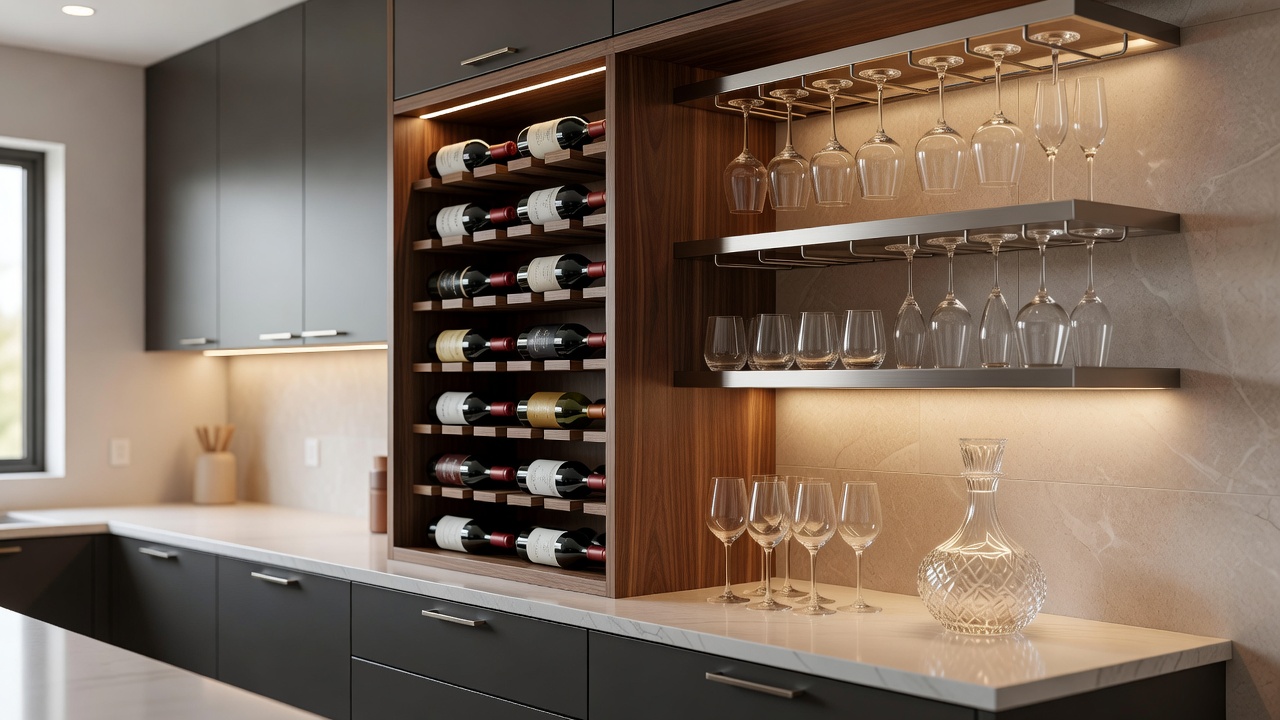
Proper storage preserves both the glass and its performance over time. Store stemware upright in a dust-free cabinet to avoid rim chips that disrupt liquid flow and aroma pathways. Never stack glasses, as this risks micro-scratches that scatter light and affect perceived clarity. Hand-wash with mild detergent and dry immediately to prevent water spots that could affect clarity and perceived quality. For long-term care, use dedicated racks that support the bowl rather than the stem, reducing stress on delicate crystal. Avoid extreme temperature fluctuations in storage areas, which can cause micro-fractures over repeated cycles.
FAQ: Common Aroma Faults from Poor Glass Choice
- Why do my wines smell flat? Narrow or dirty glasses trap aromas or introduce off-notes from residue.
- Can any glass work for all wines? No—universal glasses compromise on concentration for both reds and whites.
- How does temperature interact with shape? Wider bowls warm wine faster, altering volatile release in whites.
- What about crystal versus glass? Crystal's thinner rims improve flow but require careful handling.
- Should I chill glasses before use? Only for specific whites; most reds perform better at ambient temperature to encourage proper evaporation.
- How often should glasses be replaced? Inspect regularly for chips or clouding that impair aroma delivery.
Conclusion
Mastering glass shape transforms everyday wine drinking into a sommelier-level experience. By applying these insights on geometry, pouring, and maintenance, you ensure every varietal delivers its intended aromas. Experiment with your collection to discover personalized preferences that enhance enjoyment and bring professional precision to each tasting session.

No comments yet. Be the first!