 Uncorked Conversations
Introduction: Elevating Wine Service with 2026 Technology
Traditional sommelier practices meet cutting-edge innovation in 2026, allowing enthusiasts to replicate professional results at home or during events. Smart gadgets now handle precise temperature control, optimal storage conditions, timed decanting, and aroma monitoring with remarkable accuracy. This guide covers essential tools, practical setups, and real-world applications to help you serve wine flawlessly every time. Wine enthusiasts often struggle with variables like temperature fluctuations and improper aeration, but modern devices provide data-driven solutions that mirror the expertise of trained sommeliers. Whether hosting a dinner party or building a personal cellar, these technologies bridge the gap between amateur efforts and professional standards.
Smart Thermometers for Ideal Serving Temperatures
Precise serving temperatures preserve wine character and enhance flavors. Modern smart thermometers connect via Bluetooth to apps that recommend exact degrees based on varietal. For example, reds benefit from 60-68°F while whites thrive at 45-55°F. Users attach the device to the bottle and receive alerts when the target is reached, eliminating guesswork. In 2026, models feature AI-driven adjustments that account for room humidity and bottle material, offering even greater precision. Sommeliers emphasize that serving temperature directly impacts tannin perception and aroma volatility, making these tools indispensable for consistent results.
Step-by-Step Setup Guide
- Pair the thermometer with its companion app on your smartphone and grant necessary permissions for Bluetooth access.
- Select the wine type from the database for tailored guidance, or input custom parameters for rare vintages.
- Clip the sensor to the bottle neck and monitor real-time readings on the dashboard.
- Adjust ambient conditions or use a wine cooler until the alert sounds, then verify with a secondary manual check if desired.
- Log the session in the app for future reference and pattern analysis across multiple bottles.
Professional sommeliers report using these tools during tastings to maintain consistency across multiple bottles, especially in variable event environments.
App-Controlled Storage Units for Long-Term Preservation
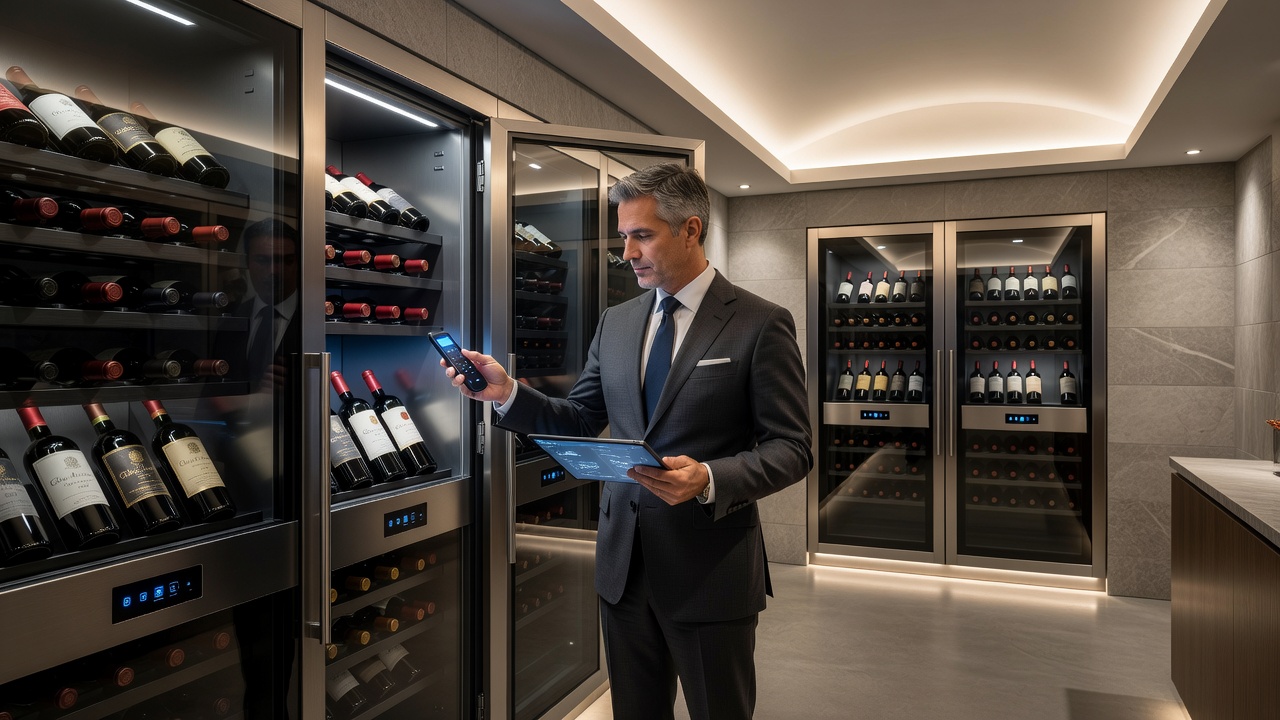
Proper storage prevents oxidation and temperature fluctuations. App-controlled units allow remote monitoring of humidity, UV exposure, and vibration levels through smartphone interfaces. These systems integrate with smart home platforms for automated adjustments, such as activating dehumidifiers during seasonal shifts. Users can set alerts for deviations and even schedule maintenance reminders. Compare leading models by capacity, connectivity options, and energy efficiency. Entry-level units suit small collections of under 50 bottles, while larger cabinets handle hundreds with multi-zone temperature control and vibration-dampening technology. Real-world examples show collectors in urban apartments using compact versions to protect investment-grade wines from city heat.
Digital Decanting Timers and Their Benefits
Decanting enhances older vintages by separating sediment and aerating the wine. Digital timers with built-in sensors track optimal exposure periods and notify users when to pour. This technology reduces the risk of over-aeration, which can flatten delicate aromas. In practice, these devices measure oxygen absorption rates and provide visual progress indicators on connected apps. Sommeliers often combine them with traditional methods for hybrid approaches that yield superior results at events.
Wine Magazine highlights how these devices bridge traditional techniques with modern precision, noting their growing adoption among home users seeking restaurant-quality outcomes.
Sensor-Equipped Wine Glasses for Aroma Analysis
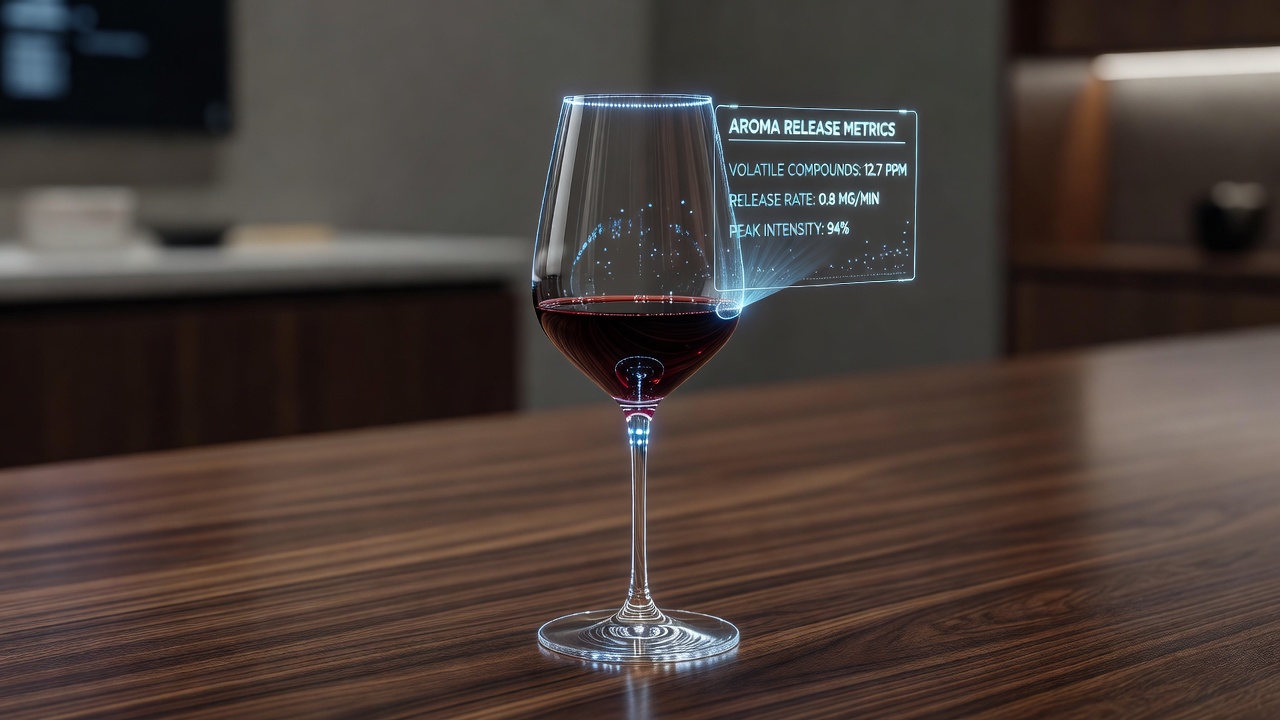
Advanced glasses embed sensors that measure aroma compound release and suggest optimal swirling techniques. Data syncs to an app displaying real-time feedback on bouquet development. Sommeliers at upscale events use these to educate guests on sensory evaluation, turning casual pours into interactive learning experiences. The technology detects volatile compounds like esters and phenols, providing quantitative insights that complement subjective tasting notes.
Real-World Sommelier Examples
One New York-based sommelier integrated sensor glasses into virtual tastings, allowing remote participants to follow along with live aroma metrics and adjust their own swirling in sync. Another professional in California relies on app-controlled storage to manage a 500-bottle cellar across seasonal changes, using historical data logs to predict and prevent spoilage. These cases illustrate how 2026 gadgets extend professional expertise beyond physical venues.
Comparisons of Top 2026 Devices
- Thermometer vs. Storage Unit: Thermometers focus on immediate serving needs with quick Bluetooth pairing, while storage units emphasize preservation over months or years through continuous environmental control.
- Decanting Timer vs. Sensor Glass: Timers optimize aeration timing with oxygen sensors; glasses provide post-pour sensory insights via compound detection.
- Key factors include app compatibility across iOS and Android, battery life exceeding 48 hours, and integration with existing smart home ecosystems like Alexa or Google Home.
- Additional considerations involve durability in humid conditions and the availability of firmware updates for evolving wine databases.
Practical Integration Strategies for Home Use
Combining multiple gadgets creates a seamless workflow. Begin by chilling bottles with a smart thermometer, transfer to app-monitored storage if needed, decant using timed sensors, and finish with aroma analysis in sensor glasses. This layered approach minimizes errors and maximizes enjoyment. For events, preset profiles in apps allow one-touch activation for different wine flights, freeing hosts to focus on guests.
Frequently Asked Questions
How do I troubleshoot Bluetooth connectivity issues?
Ensure your device firmware is updated through the app and restart both the gadget and smartphone. Move closer to reduce interference from other wireless signals like Wi-Fi routers or microwaves. If problems persist, reset the device to factory settings and re-pair.
Are these gadgets compatible with all wine types?
Most apps include extensive databases covering reds, whites, sparkling, and fortified wines, with customization options for rare varietals or natural wines. Users can manually input parameters for experimental batches.
What maintenance do sensor glasses require?
Hand-wash sensors gently with mild soap and calibrate the app monthly for accurate readings. Avoid dishwasher cycles and store in protective cases when not in use.
Can these tools work without constant internet access?
Many devices offer offline modes for basic functions, with data syncing once connectivity resumes, making them suitable for remote locations or travel.
Conclusion: Integrating Tech into Sommelier Practices
By combining these smart tools, home enthusiasts achieve restaurant-quality results. Start with one device aligned to your primary pain point, such as temperature control, then expand your setup. Resources like Decanter and Wine Folly offer ongoing updates on emerging trends in wine technology, ensuring your approach remains current through 2026 and beyond.
No comments yet. Be the first!