 Uncorked Conversations
Introduction
Wine enthusiasts frequently chase new vintages and tasting notes yet miss the foundational sommelier practices that determine whether a bottle reaches its full potential. Storage conditions and serving rituals influence everything from cork integrity to aromatic expression. This comprehensive guide delivers ten overlooked techniques drawn from professional cellars, focusing on humidity's subtle effects on corks, precise glass comparisons with side-by-side examples, and tailored decanting schedules for both everyday and rare bottles. Readers will also find apartment-friendly adjustments and ready-to-use checklists.
Tip 1: Maintain Ideal Humidity to Protect Corks and Pour Quality
Humidity levels between 50 and 70 percent keep natural corks supple, preventing shrinkage that allows oxygen to seep in and oxidize wine. When humidity drops below 40 percent, corks contract, creating micro-gaps that degrade wine over months. In urban apartments with forced-air heating, this problem intensifies during winter. Place a digital hygrometer inside the storage area and add a shallow tray of water or a small humidifier nearby to stabilize conditions. Consistent humidity also preserves label condition and reduces the risk of musty off-aromas developing from overly damp environments.
Tip 2: Store Bottles Horizontally with a Slight Downward Tilt
Horizontal positioning keeps the cork in constant contact with the liquid, maintaining its moisture barrier. Adding a five-to-ten-degree downward angle encourages sediment to collect at the shoulder rather than near the cork, resulting in clearer pours from older vintages. Use purpose-built racks or simple wooden inserts to achieve this angle without specialized equipment.
Tip 3: Eliminate Daily Temperature Swings Greater Than Two Degrees Celsius
Temperature fluctuations cause wine to expand and contract repeatedly, forcing liquid against the cork and accelerating aging. Ideal long-term storage sits between 12 and 14 degrees Celsius. Apartment dwellers can monitor with a simple thermometer and relocate bottles away from windows, ovens, or exterior walls that absorb afternoon sun.
Tip 4: Match Glass Shape to Wine Aromatics with Real-World Comparisons
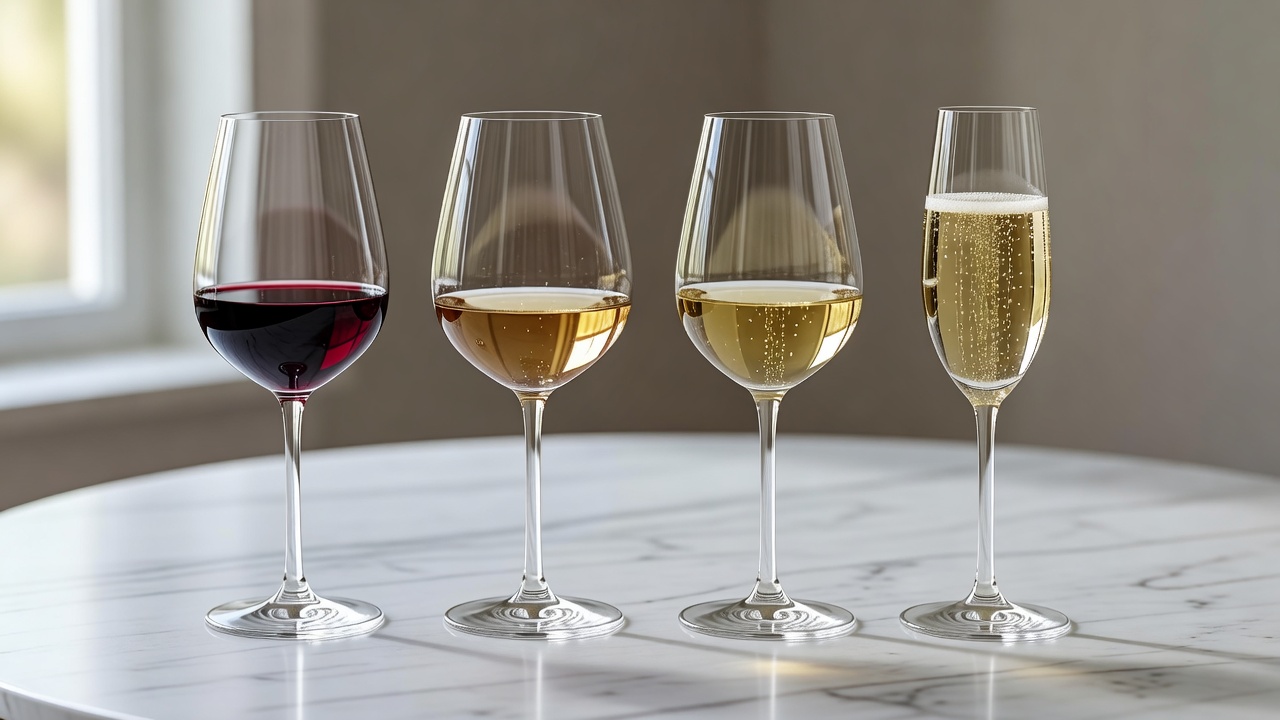
The tulip-shaped white wine glass concentrates volatile compounds in Sauvignon Blanc, delivering pronounced citrus and herbal notes on the nose. In contrast, a narrow flute preserves carbonation in Champagne but limits aroma release. Conducting a blind pour of the same Sancerre into both shapes reveals how the tulip amplifies grassy and mineral elements while the flute mutes them. Similarly, a wide Burgundy glass opens Pinot Noir's delicate red-fruit and earth aromas, whereas a tall Bordeaux glass directs Cabernet Sauvignon to the center of the palate, emphasizing structure and tannin.
Tip 5: Select Bordeaux versus Burgundy Glasses for Structured Reds
Bordeaux glasses feature tall, straight sides that channel powerful Cabernet and Merlot to the tongue's center, highlighting blackcurrant and cedar notes. Burgundy glasses possess a wider bowl that allows Pinot Noir's volatile aromatics to bloom before reaching the nose. Tasting the same Oregon Pinot Noir in both glasses demonstrates how the narrower shape can suppress floral and mushroom undertones that the wider bowl reveals immediately.
Tip 6: Apply 30-to-60-Minute Decanting for Everyday Tannic Bottles
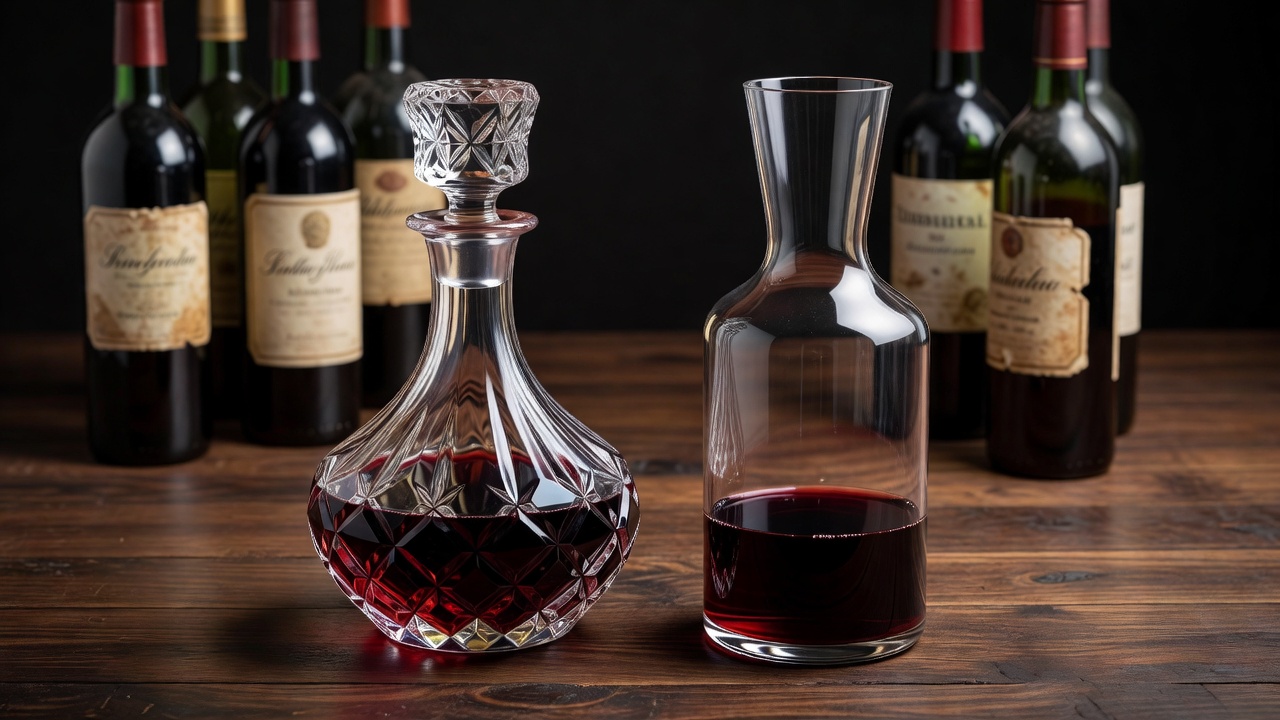
Young Malbec or Syrah from the past two vintages soften noticeably after half an hour in a wide decanter. This short window reduces sharp edges without stripping primary fruit. Test by sampling at 15-minute intervals until the wine feels balanced on the palate.
Tip 7: Extend Decanting Timelines for Special and Older Vintages
Twenty-year-old Barolo or classified-growth Bordeaux often require two to four hours of aeration to integrate secondary aromas. Begin checking after one hour; over-aeration can flatten delicate tertiary notes such as leather and tobacco. Use a wide-base decanter and pour slowly along the side to minimize splashing and preserve sediment separation.
Tip 8: Fine-Tune Serving Temperatures by Wine Style
Full-bodied reds express best between 16 and 18 degrees Celsius, while lighter reds such as Gamay peak at 14 to 16 degrees. Whites and rosés shine at 8 to 12 degrees. In warm apartments, chill whites in an ice-water bath for 15 minutes before serving and allow reds to rest in a cool room for 30 minutes after removal from any storage unit.
Tip 9: Eliminate Detergent Residue from Glassware
Even trace soap films coat the interior and mute volatile aromas. Rinse glasses with hot water only, then air-dry upside down on a dedicated rack positioned away from kitchen odors. Microfiber cloths reserved solely for glassware prevent lint transfer that can alter mouthfeel.
Tip 10: Preserve Opened Bottles with Inert Gas
Argon-based wine preservers displace oxygen and extend freshness for up to seven days. This technique benefits apartment residents who enjoy single glasses over several evenings. Spray for two seconds, recap tightly, and store upright in the refrigerator even for reds to slow oxidation further.
FAQ: Addressing Storage Myths and Urban Apartment Solutions
- Myth: Short-term refrigerator storage works fine. Constant four-degree temperatures and compressor vibration harm corks and mute flavors over weeks.
- Myth: Light exposure only affects white wines. UV rays degrade tannins in reds as well; always store away from windows or use UV-filtering sleeves.
- Apartment adjustment: Convert an interior closet into a mini cellar by adding insulation panels and a small exhaust fan for air movement without temperature spikes.
- Apartment adjustment: Keep bottles on lower shelves where ambient temperatures remain more stable throughout the day.
Actionable Storage Checklist
- Verify humidity weekly using a calibrated hygrometer.
- Position bottles horizontally with a slight downward tilt.
- Maintain consistent 12-to-14-degree Celsius temperatures.
- Shield racks from direct light and vibration sources.
- Label each slot with vintage and projected drinking window.
Actionable Serving Checklist
- Select glass shape matched to wine variety and aroma profile.
- Decant young tannic wines for 30-60 minutes; older wines for 2-4 hours.
- Adjust serving temperature 30 minutes before guests arrive.
- Rinse and air-dry glasses without detergent residue.
- Use inert gas on any partially consumed bottles.
Conclusion
These ten sommelier techniques convert casual enjoyment into consistently excellent experiences. Begin with humidity monitoring and glass selection to notice immediate improvements in aroma and texture. For continued education, consult authoritative resources such as the Court of Master Sommeliers and the Wine Institute. Apply the checklists tonight and observe how small adjustments elevate every bottle.
For more foundational techniques, explore our Beginner Guides.
No comments yet. Be the first!