 Uncorked Conversations
Introduction to Decanting Complex Wines
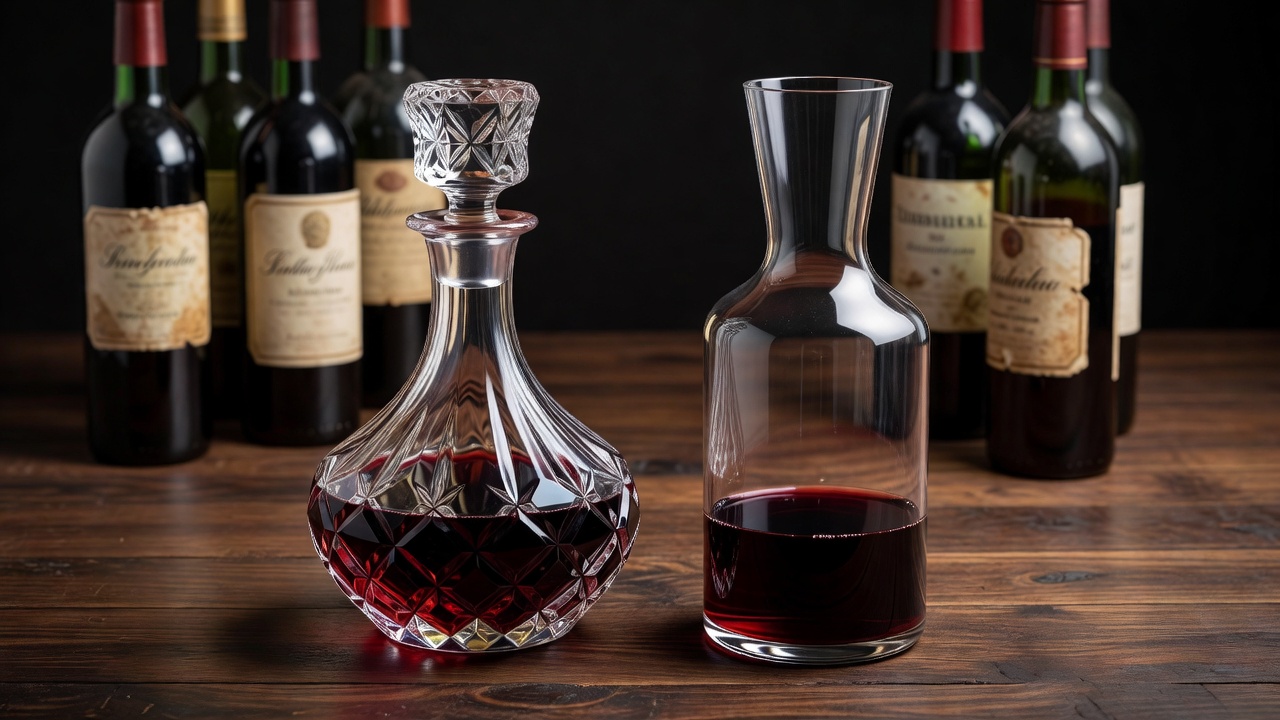
Decanting remains an essential skill for sommeliers handling aged reds and structured whites. The process separates sediment while introducing oxygen to unlock aromas and soften tannins. Traditional and modern decanters each offer distinct advantages depending on the wine style and serving context. For complex wines such as aged Bordeaux, Barolo, or Syrah, the choice between classic crystal and contemporary designs can dramatically influence flavor development, clarity, and overall presentation. This guide dives deep into the evolution of decanters, offering practical sommelier tips that help both professionals and home enthusiasts achieve optimal results. Understanding the nuances allows for better decisions when serving wines that have spent decades in bottle, where even minor differences in aeration can elevate or diminish the tasting experience.
The Evolution of Decanters: From Ancient Origins to Today
Decanters have existed for centuries, initially crafted from simple glass or earthenware to separate sediment in ancient Roman and medieval European cellars. By the 18th century, crystal versions emerged in England and France, prized for their brilliance and ability to showcase wine color. Today, the market spans hand-blown lead crystal pieces to high-tech borosilicate models with integrated aeration features. Understanding this history helps sommeliers appreciate why shape and material matter when serving complex wines. Early designs focused purely on function, but modern iterations blend utility with aesthetics, reflecting broader trends in tableware and hospitality.
Traditional Crystal Decanters: Timeless Design and Function
Classic crystal decanters, often hand-blown with wide bases and narrow necks, excel at sediment capture. Their broad surface area promotes rapid aeration for bold Cabernet Sauvignon or Barolo. Many feature intricate etchings that enhance visual appeal during formal tastings. Lead crystal or lead-free variants provide clarity and durability. The wide belly allows heavy sediment to settle at the bottom during a slow pour. Sommeliers often choose these for 20-year-old Bordeaux bottles where clarity matters most. The craftsmanship involved means each piece can become a conversation starter at the table.
Advantages and Limitations
Traditional designs offer unmatched elegance and superior sediment trapping for very old vintages. However, they require careful handling to avoid breakage and longer cleaning times. In real-world use, a crystal decanter shines at dinner parties where the ritual of pouring adds to the experience. Limitations include higher fragility and the need for dedicated storage space to prevent chipping.
Modern Decanters: Innovations in Aeration and Ease
Contemporary designs incorporate borosilicate glass, integrated filters, and ergonomic shapes. Some include built-in aerators or magnetic bases to accelerate oxygen exposure. These options suit busy home sommeliers managing multiple bottles. Materials like tempered glass resist breakage and thermal shock, making them ideal for outdoor events. Shapes range from sleek cylinders to dual-chamber models that double aeration speed. Modern pieces often feature dishwasher-safe components and stackable forms for compact storage, addressing the practical needs of contemporary kitchens.
Advantages and Limitations
Modern decanters provide speed and convenience, especially for younger complex wines that benefit from aggressive aeration. They may lack the visual drama of crystal but deliver consistent performance without the fragility concerns. Drawbacks can include less refined aesthetics in some budget models and potential over-aeration if not monitored closely.
Impact on Aeration, Sediment Separation, and Wine Flavor
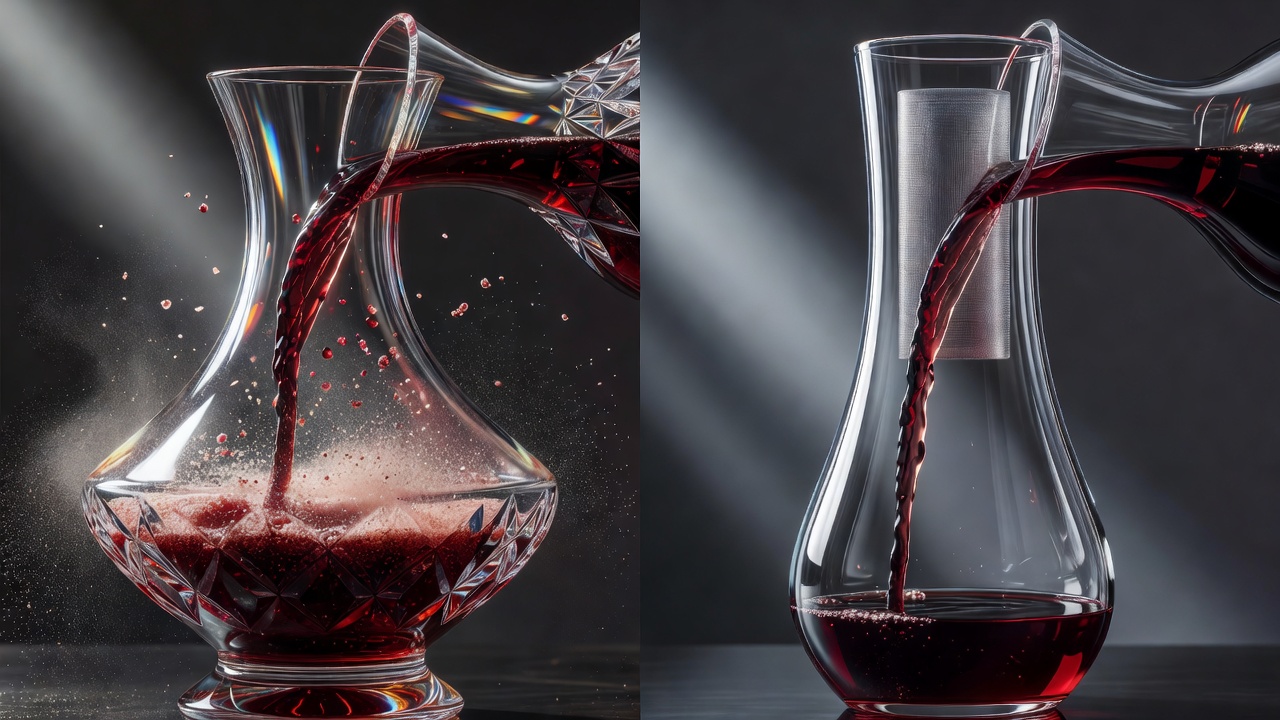
Aeration softens tannins and releases volatile compounds, while sediment separation prevents gritty textures. Traditional wide-base models allow slow, controlled oxygen introduction ideal for delicate aged wines. Modern filtered versions can introduce oxygen faster, suiting robust New World reds. Examples include decanting a 1998 Brunello di Montalcino in crystal to preserve nuance versus a 2018 Napa Cabernet in a modern aerator for immediate drinkability. Further testing shows that shape affects evaporation rates, with wider openings enhancing fruit-forward notes in younger vintages while narrower necks preserve subtlety in older ones.
Step-by-Step Pouring Techniques for Optimal Results
Mastering the pour ensures maximum benefit from either style. First, stand the bottle upright 24 hours before serving to let sediment settle. Position the decanter at a 45-degree angle under good light. Pour steadily, watching for sediment near the neck, and stop when residue approaches the lip. For traditional crystal, use a candle or flashlight behind the bottle neck. Modern models with built-in strainers allow slightly faster pours. Practice with both a 2015 Rhône and a 2005 Bordeaux to feel the difference in flow and clarity. Additional tips include tilting the glass slightly to control flow and pausing midway to assess color and aroma development.
When to Choose Traditional Over Modern for Specific Wines
Opt for crystal when presenting complex, sediment-heavy wines at dinners. Choose modern designs for everyday use or when speed is needed. Real-world scenario: A home sommelier decants a 15-year-old Syrah with a traditional piece for guests, then uses a modern aerating model for a casual weeknight Malbec. Another example involves pairing aged white Burgundy with a slim modern decanter to maintain temperature control during service. Consider tannin levels and age; older wines with fragile structures fare better in traditional vessels that minimize agitation.
Real-World Scenarios for Home Sommeliers
Imagine hosting a blind tasting where sediment clarity affects scoring. Traditional decanters help here. For weeknight experimentation with multiple vintages, modern pieces reduce setup time. Both approaches work when matched to the wine's age and structure. Scenario three: During a summer outdoor gathering, a shatter-resistant modern decanter proves invaluable when serving chilled complex whites alongside reds, ensuring safety and ease without sacrificing aeration quality.
Maintenance, Storage, and Compatibility with Wine Glasses
Cleaning crystal requires warm water and decanter beads to avoid scratches. Modern glass often tolerates dishwashers. Storage compatibility favors stackable modern designs for small kitchens. Pair wide-bowl Bordeaux glasses with traditional decanters for dramatic pours. Universal glasses complement modern shapes. Expanded FAQs address common concerns such as whether crystal can be stored upright long-term or if modern models fit standard wine racks. Always dry pieces thoroughly to prevent water spots that could obscure wine color during service.
2026 Trends in Functional Decanter Design
Designers emphasize sustainability with recycled glass and modular pieces compatible with various wine glasses. Smart features like temperature indicators appear in premium lines, aligning with evolving consumer preferences. Expect more hybrid models blending crystal aesthetics with modern durability. Trends also point toward eco-friendly packaging and customizable engravings for personalized gifting in the hospitality sector.
Common Mistakes to Avoid
- Over-aerating delicate wines in modern devices, leading to flattened aromas.
- Ignoring sediment until the final pour, which can ruin clarity.
- Using mismatched glassware that hides color nuances and reduces visual impact.
- Skipping the upright resting period for aged bottles, resulting in disturbed sediment.
Conclusion
Both styles deliver optimal results when matched to the wine. Experiment with your collection to refine personal technique. For authoritative wine references, consult Britannica, Decanter magazine, and Wine Magazine.
Learn more about the rich wine history behind such tools in our Wine Stories section.
No comments yet. Be the first!