 Uncorked Conversations
Introduction to Vintage-Driven Wine Serving
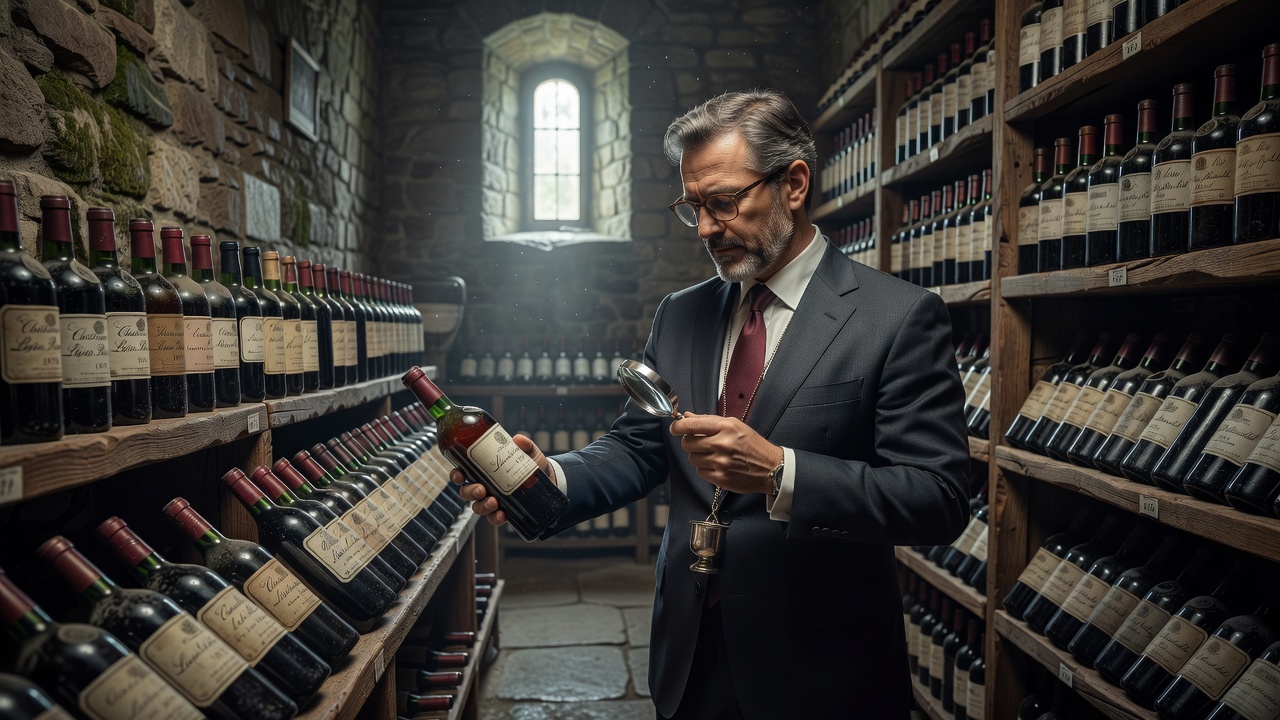
Selecting the right vintage is a cornerstone of professional wine service. Vintage years shape a wine's structure, acidity, tannins, and aroma profile, directly influencing how it should be stored, decanted, and presented in the glass. This guide delivers advanced sommelier tips on wine serving that align vintage characteristics with practical techniques for optimal results. Whether you are managing a restaurant cellar or curating a personal collection, understanding how each harvest year interacts with service methods ensures every bottle reaches its full potential. Vintage selection goes beyond simply choosing an older or younger bottle; it requires evaluating climate data, regional styles, and the wine's evolution over time. By mastering these elements, sommeliers create memorable experiences that highlight both the wine's origin and its peak drinking window.
Assessing Vintage Characteristics for Storage Needs
Understanding a vintage's profile begins with climate data from the growing season. Cooler years often produce wines with higher acidity and firmer tannins that benefit from longer cellaring. Warmer vintages yield riper fruit and softer structures suited to earlier drinking. Sommeliers evaluate these traits to determine ideal storage conditions, including temperature stability around 55°F and humidity levels between 60-70%. Additional considerations include light exposure, vibration control, and bottle orientation to keep corks moist. For example, a cool vintage like 2013 in Burgundy demands careful humidity management to prevent label damage and cork shrinkage over decades. In contrast, the heat of the 2019 California harvest created wines with lower acidity that may require shorter storage periods to maintain freshness. Grape variety plays a decisive role as well: Cabernet Sauvignon from a structured year ages differently than Pinot Noir from the same region. Producers often release technical sheets detailing pH, alcohol, and tannin levels, which sommeliers cross-reference with vintage charts to predict longevity. Regular cellar audits help track how individual bottles are progressing, allowing adjustments before the wine passes its prime.
Step-by-Step Vintage Selection Process
Follow this detailed process to choose vintages that match your service goals. First, review vintage charts from reliable sources for regional weather patterns and overall quality ratings. Second, taste or research the producer's style to confirm how the year expresses itself through fruit ripeness and oak influence. Third, match the vintage's aging potential to your intended serving timeline, considering whether the wine will be consumed within months or cellared for years. Fourth, assess bottle format and closure type for storage viability, noting that magnums often age more gracefully than standard bottles. Fifth, evaluate market availability and pricing trends without relying on outdated figures. Sixth, document your selections in a cellar management system to track drinking windows. This methodical approach prevents common errors such as serving a wine too young or allowing an aged bottle to decline unnoticed.
When to Apply Decanting Based on Age
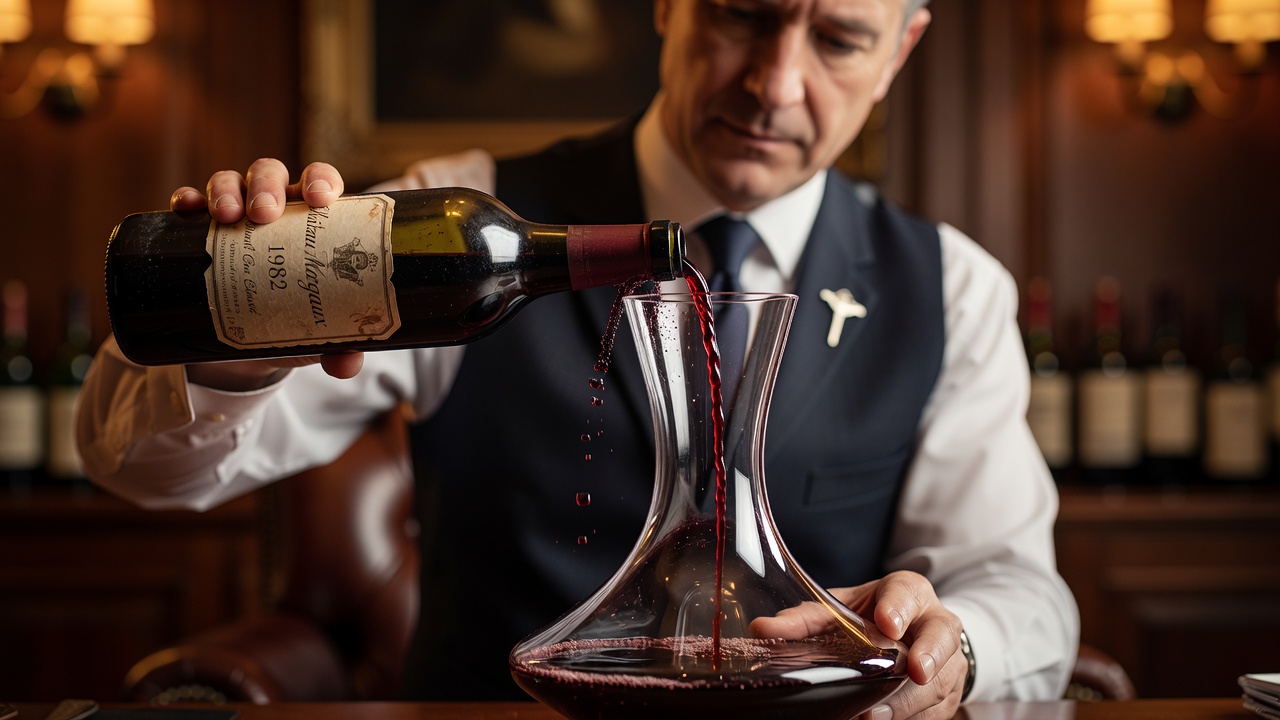
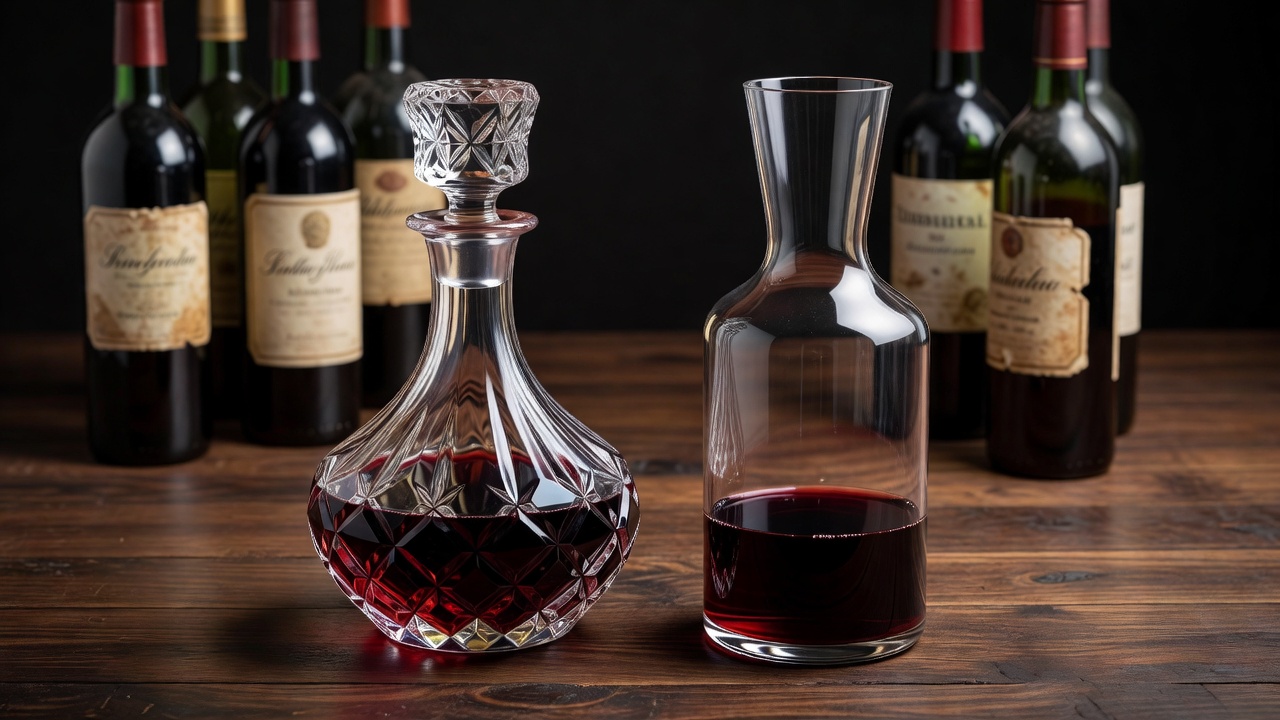
Decanting decisions hinge on vintage maturity. Young vintages with robust tannins, such as a 2018 Napa Cabernet, benefit from 1-2 hours of decanting to soften edges and release fruit. Mature vintages, like a 1998 Rioja, need only 30-45 minutes to separate sediment without stripping delicate secondary aromas. The process also varies by region and grape. In Piedmont, a young Barolo may require extended decanting to tame nebbiolo tannins, while an older vintage benefits from minimal air contact to preserve its signature rose and tar notes. Always check for sediment by holding the bottle to light before pouring. Use a wide-based decanter for young reds and a narrower one for older bottles to minimize oxidation. Sommeliers often perform a small trial pour first to gauge how the wine responds. Temperature adjustments before decanting further refine results; cooler young wines open more slowly, while room-temperature mature wines can lose nuance if over-aerated.
Selecting Appropriate Wine Glasses for Different Vintages
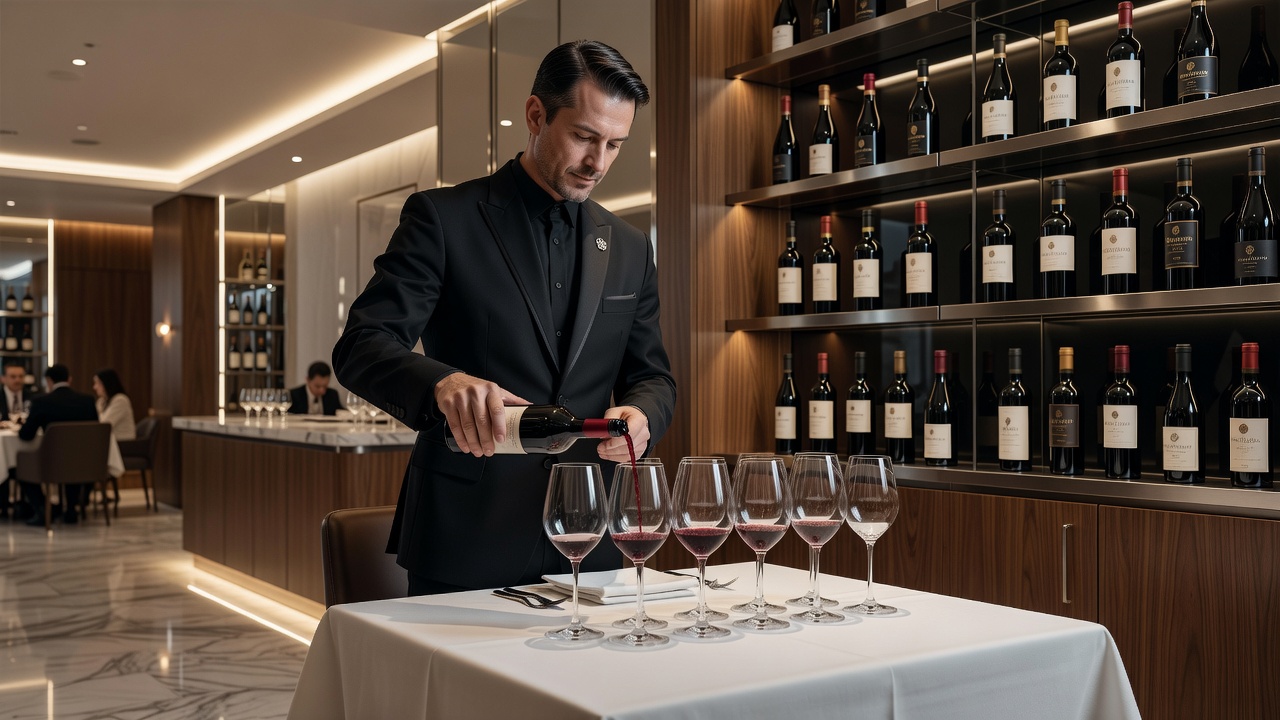
Glass shape amplifies vintage-specific notes. Larger bowls suit bold young vintages, allowing aeration that highlights primary fruit. Smaller, tulip-shaped glasses preserve the nuanced bouquet of mature wines. Crystal stems enhance elegance for formal service of aged vintages. Consider rim thickness as well: thin rims direct flow to the center of the palate for structured young wines, while slightly wider rims suit softer mature expressions. For sparkling wines from cooler vintages, tall flutes maintain effervescence, whereas vintage Champagne from warmer years may shine in wider coupe glasses that release complex autolytic aromas. Matching the glass to the wine's evolution prevents aroma loss and ensures balanced delivery on the palate.
Comparisons: Young vs. Mature Vintages
- Young vintages: Serve slightly cooler (55-60°F) in larger glasses; decant longer to integrate tannins; emphasize primary fruit aromas such as blackberry or citrus.
- Mature vintages: Serve at 60-65°F; minimal decanting; use aromatic-focused stems to capture tertiary notes like leather, earth, and dried fruit.
- Structural differences: Young wines often show vibrant acidity and firm tannins, requiring more aeration, while mature wines display integrated flavors that can be overwhelmed by excessive oxygen.
Real-World Examples from Various Regions
In Tuscany, a 2016 Brunello di Montalcino shows powerful structure best served after decanting. Contrast this with a 2005 Barolo, where gentle handling preserves tar and rose notes. California examples include 2019 Sonoma Pinot Noir, which shines in Burgundy-style glasses. Bordeaux vintages like 2015 demonstrate classic Left Bank power that rewards extended decanting, whereas Right Bank Merlot-dominant years from 2016 offer earlier accessibility. Australian Shiraz from the 2018 vintage in the Barossa Valley requires careful temperature control during service to highlight its spice and dark fruit. In Chile's Maipo Valley, a 2017 Cabernet Sauvignon vintage benefits from larger glasses that showcase its concentration. These regional case studies illustrate how vintage interacts with local terroir and winemaking traditions. For authoritative regional data, consult Decanter, Wine Enthusiast, and Wine Spectator.
Actionable Checklists for Sommeliers
Storage Checklist
- Verify vintage aging potential via producer notes and regional weather reports.
- Label bottles with expected peak drinking windows and re-evaluate every six months.
- Monitor cellar conditions monthly, including temperature fluctuations and humidity.
- Rotate stock to ensure older vintages are served before they decline.
Service Checklist
- Match glass to vintage style and aroma intensity.
- Time decanting based on age, structure, and regional characteristics.
- Adjust serving temperature by 2-3 degrees for optimal expression.
- Prepare backup bottles in case of unexpected sediment or aroma development.
Common Mistakes to Avoid
Many enthusiasts decant all wines indiscriminately, which can strip nuance from mature vintages. Others store wines at inconsistent temperatures, accelerating aging in warm conditions. Ignoring vintage charts leads to mismatched service techniques, such as serving a high-acid cool-year wine too warm. Always cross-reference multiple sources and conduct blind tastings to refine personal judgment.
FAQ
How does vintage affect decanting time?
Younger, tannic vintages require longer decanting to soften structure and release fruit; older vintages need less time to avoid losing delicate secondary and tertiary aromas.
What glasses work best for aged Bordeaux?
Tulip-shaped glasses concentrate delicate tertiary notes while allowing subtle aeration without overwhelming the wine's evolved character.
Can all vintages be stored the same way?
No—cooler-year wines often need longer aging periods and stricter humidity control than warmer-year counterparts that reach maturity faster.
How do I know when a vintage has peaked?
Track drinking windows through producer recommendations and personal tasting notes; look for softening tannins and emerging tertiary aromas as indicators of peak maturity.
Conclusion
Mastering vintage selection elevates wine serving from routine to exceptional. By aligning storage, decanting, and glassware with each year's unique profile, sommeliers deliver consistent excellence. Apply these techniques to transform every bottle into an optimal sensory experience that respects the wine's heritage and craftsmanship.
No comments yet. Be the first!