 Uncorked Conversations
Introduction: Why Wine Serving Mistakes Matter in 2026
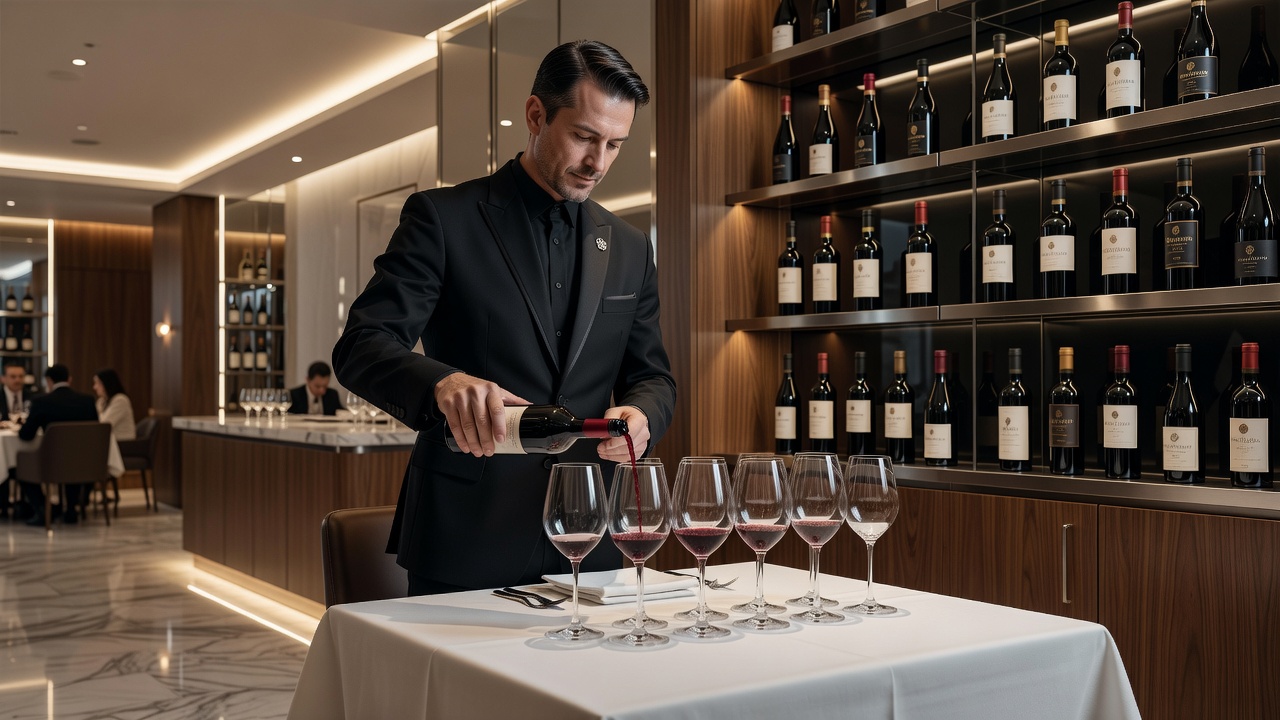
Even experienced hosts and restaurant professionals encounter wine serving mishaps that can diminish the tasting experience. In 2026, with evolving guest expectations and refined palates, mastering sommelier-level troubleshooting is essential. This guide draws on professional techniques to address temperature control, decanter use, glassware selection, over-aeration, storage transitions, and guest feedback scenarios. By understanding both quick remedies and preventive strategies, you can elevate every pour and turn potential disasters into memorable moments.
Professional sommeliers undergo rigorous training that emphasizes anticipation over reaction. Common pitfalls often stem from overlooked details during busy service periods, yet each issue has a clear, repeatable fix. Throughout this article, we explore real-world examples from events in major cities and provide decision trees that help you choose between immediate corrections and long-term prevention protocols.
Temperature Control During Serving
Proper wine temperature unlocks aromas and flavors. Red wines served too warm taste flabby, while whites served too cold mute their complexity. The ideal range for most reds is 60–65°F, and for whites 45–55°F. Sommeliers use infrared thermometers for precision during service, allowing them to adjust bottles within minutes of guest arrival.
Step-by-Step Fix for Temperature Errors
- Assess the current temperature with a quick read using a calibrated thermometer.
- For over-warm reds, place the bottle in an ice bucket with water and salt for 5–8 minutes, rotating gently to ensure even cooling without shocking the wine.
- For too-cold whites, hold the bottle in your hands or place it near a warm (not hot) surface for gradual warming, checking every two minutes to avoid overshooting the target range.
- Re-test and serve once optimal temperature is reached, explaining the adjustment briefly to guests if needed.
Preventive measures include storing wines in dedicated coolers set to appropriate zones and checking temperatures 30 minutes before service begins. In one 2025 corporate tasting in New York, a sommelier prevented complaints by pre-chilling glasses for white wines, maintaining consistency across 40 guests.
Improper Use of Decanters
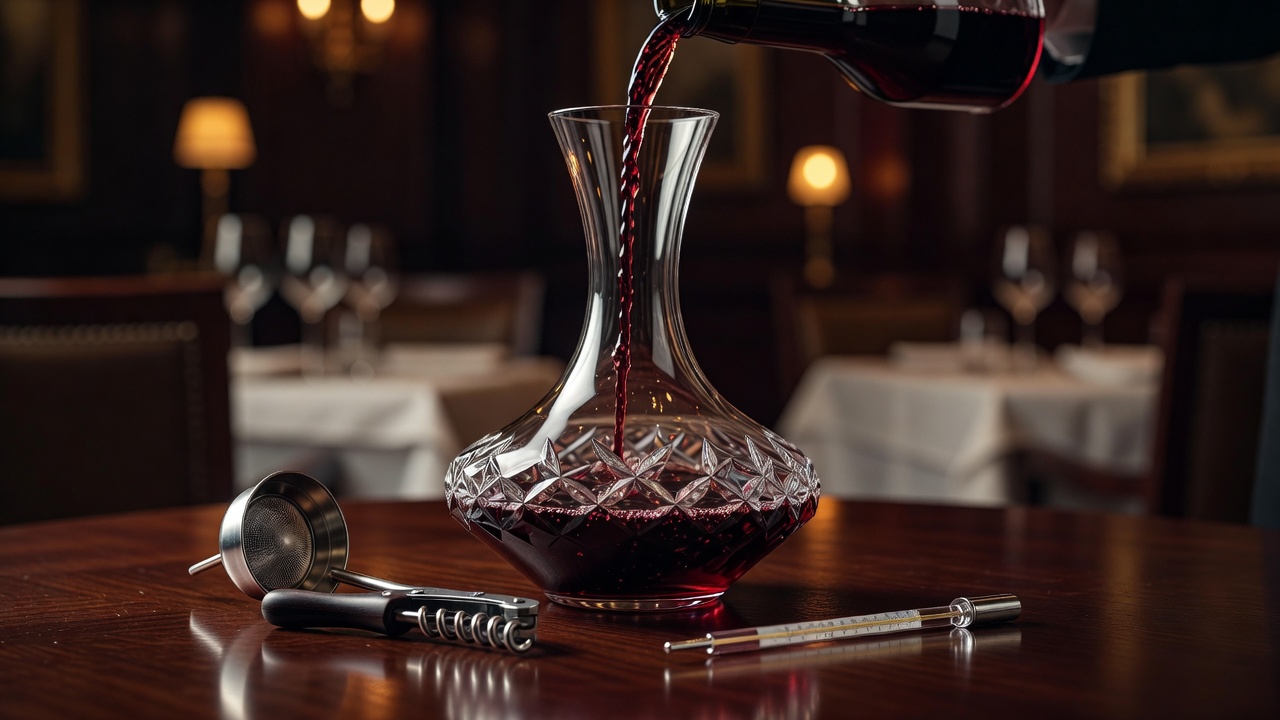
Decanting enhances older wines by separating sediment and aerating younger ones. However, over-decanting can strip delicate aromas, especially in fragile vintages from cooler climates. Sommeliers assess wine age, tannin structure, and vintage conditions before deciding on decant time.
Fixing Over-Aerated Wines
If a wine tastes flat after excessive decanting, pour it back into the original bottle using a funnel and let it rest for 15 minutes. This allows volatile compounds to rebalance naturally. For prevention, time decanting based on wine age: 30 minutes for robust reds, under 10 minutes for lighter styles. Always taste a small sample first to confirm the wine needs aeration at all.
Selecting the Right Wine Glasses
Glass shape dramatically affects aroma delivery and sip experience. Universal glasses work for casual settings, but varietal-specific glasses highlight nuances in Pinot Noir versus Cabernet Sauvignon. The bowl size, rim diameter, and stem length all influence how oxygen interacts with the wine once poured.
- Bordeaux glasses feature tall bowls for bold reds, directing aromas upward while allowing large sips that highlight structure.
- Burgundy glasses have wider bowls to capture delicate aromas of earthy Pinot Noirs and other aromatic varieties.
- White wine glasses are narrower to preserve chill and acidity, concentrating floral and citrus notes at the rim.
- Sparkling wine flutes or tulips maintain effervescence while showcasing bubbles over longer periods.
Real-event example: At a 2025 corporate tasting, mismatched glasses led to muted Chardonnay notes; switching to proper white wine stems restored vibrancy instantly and received positive feedback from all attendees.
Storage Transition Problems
Moving wines from cellar to table can cause temperature shock that alters texture and aroma release. Allow bottles to acclimate in a cool, dark spot for 1–2 hours before service. Avoid direct sunlight or kitchen heat sources that can raise temperatures unevenly. Sommeliers often create transition stations with insulated sleeves for large events.
Guest Feedback Scenarios and Quick Remedies
When guests comment on faults, remain calm and professional. Offer an alternative bottle or adjust serving conditions on the spot. Compare quick remedies such as immediate temperature adjustment against preventive measures like pre-service checklists to minimize future issues. In a real scenario at a wedding reception, a sommelier resolved a guest complaint about a “hot” Cabernet by offering a chilled alternative and noting the feedback for future events.
Comparison: Quick Remedies vs. Preventive Measures
Quick remedies save the moment but consume time during service rushes. Preventive measures, such as standardized checklists and staff training sessions, build consistency and guest trust over repeated events. Implementing both creates a resilient service flow that handles unexpected variables gracefully.
Additional Practical Examples from Real Events
During a 2026 charity auction in Chicago, improper glass selection caused a high-end Syrah to taste muted. The sommelier team swapped to larger Bordeaux glasses mid-service, transforming guest reactions within minutes. Another case involved a storage transition failure where bottles left in a warm hallway lost their chill; the fix involved rapid ice-bath rotation combined with chilled glassware to recover balance.
FAQ: Common Questions on Wine Faults During Service
What causes a wine to taste corked at the table?
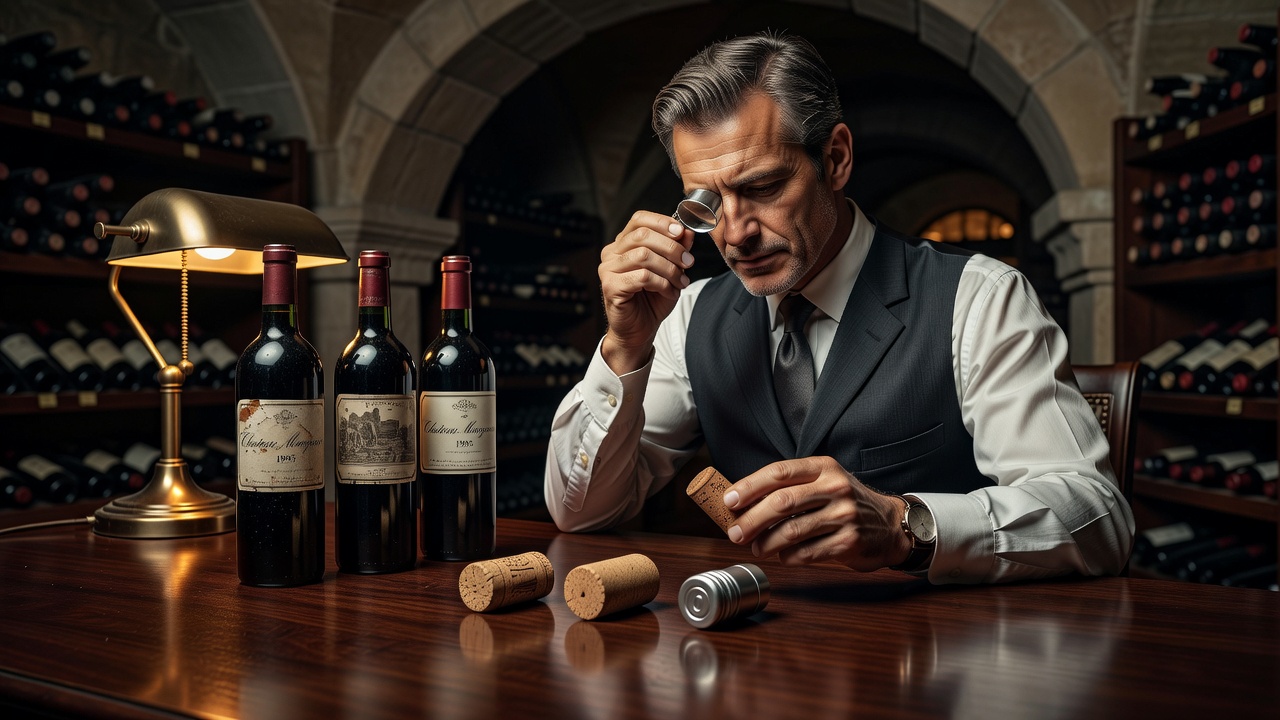
Trichloroanisole contamination produces a musty aroma. Remedy: Replace the bottle immediately and inspect the cork for signs of mold before offering a replacement pour.
How do I handle a guest who prefers warmer wine?
Politely offer to adjust the temperature or provide a tasting sample at their preferred level while explaining optimal serving ranges for future reference.
Can decanting fix a reduced wine?
Light aeration can help, but severe reduction may require a small copper coin or decanter splash technique for recovery. Always taste before and after to gauge improvement.
What tools do sommeliers carry for on-the-spot fixes?
Essential items include a thermometer, corkscrew with foil cutter, decanting funnel, and spare glasses to handle multiple scenarios without delay.
Mastering these sommelier tips ensures flawless service every time. For further reading on professional standards, explore resources from Decanter, Wine Institute, and Masters of Wine.
No comments yet. Be the first!