 Uncorked Conversations
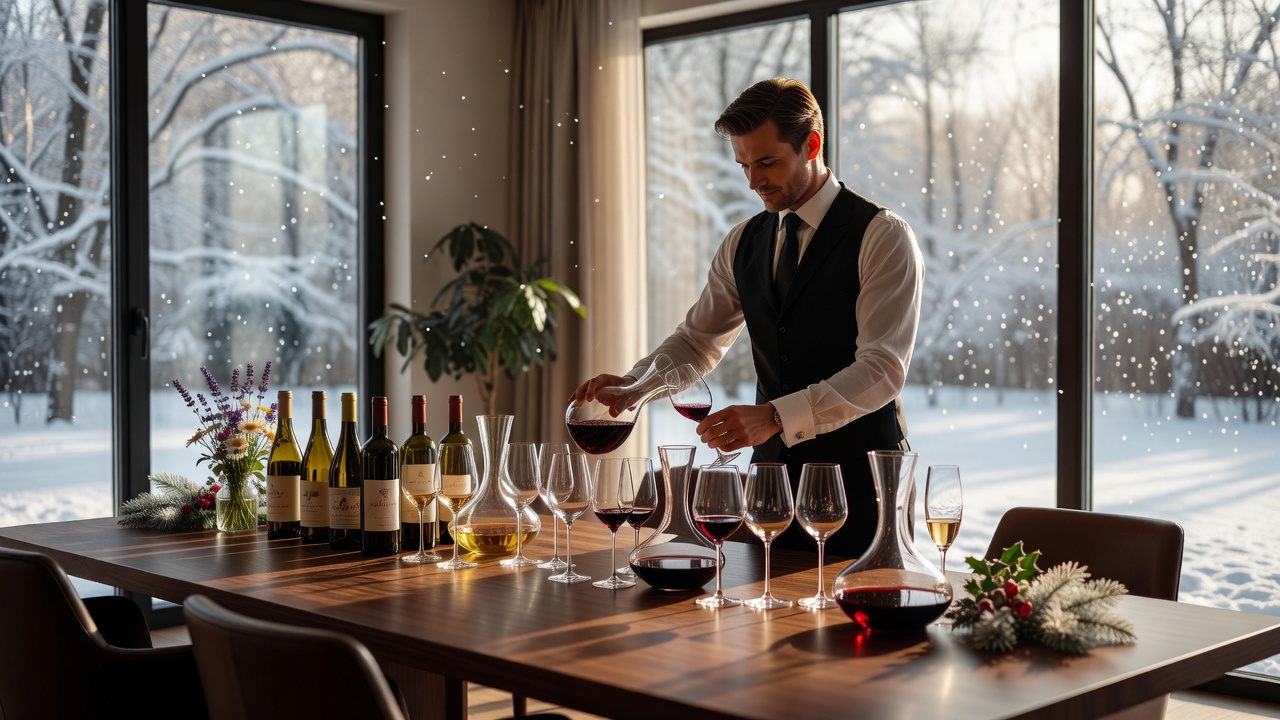
Introduction to Seasonal Wine Serving Adjustments
Home wine enthusiasts often overlook how weather patterns influence every aspect of wine service. In 2026, adapting sommelier practices to seasonal changes ensures wines express their full character whether you're hosting a summer patio gathering or a cozy winter cellar tasting. This guide delivers actionable steps for temperature control, decanting variations, and glass selection based on humidity and dryness levels. By understanding these environmental factors, you can prevent common service errors and highlight each wine's unique aromas, textures, and flavors throughout the year.
Seasonal adjustments go beyond simple chilling or warming. They involve anticipating how heat accelerates chemical reactions in wine, how cold suppresses volatile compounds, and how moisture in the air affects evaporation rates during pouring and decanting. Professional sommeliers routinely monitor these variables to deliver consistent experiences, and home enthusiasts can apply the same principles with basic tools and planning.
Understanding How Seasons Affect Wine
Heat accelerates oxidation while cold mutes aromas and flavors. Storage conditions also shift: summer demands cooler, stable environments, whereas winter cellar events benefit from natural temperature drops. Recognizing these dynamics helps prevent common issues like overly tannic pours or flattened sparkling wines. Extreme weather events in recent years have made these considerations even more relevant for collectors who store bottles at home.
Consider the science briefly: wine is a living liquid whose phenolic compounds and esters respond directly to temperature. A five-degree shift can dramatically change perceived acidity, sweetness, and tannin grip. Humidity influences how quickly alcohol evaporates from the surface of the wine in the glass, altering the aromatic profile within minutes.
Serving Temperature Tweaks Year-Round
Adjust serving temperatures seasonally rather than using fixed rules. In summer, chill reds slightly below room temperature to maintain freshness. Whites and rosés require extra cooling to counter ambient warmth. Winter calls for allowing bottles to reach slightly warmer serving points to unlock complexity without artificial heating. Always use a reliable thermometer rather than guessing by touch.
- Summer: Serve light reds at 55–60°F and whites at 45–50°F to preserve vibrancy against outdoor heat
- Autumn: Transition reds to 60–65°F as evenings cool and meals become heartier
- Winter: Reds at 62–68°F and whites at 50–55°F for balanced expression during indoor gatherings
- Spring: Mirror autumn guidelines with gradual warming as outdoor temperatures rise
These ranges are starting points. Taste the wine after the first pour and adjust by a degree or two if needed. For example, a young Pinot Noir served too cold in winter may taste thin, while the same bottle in summer heat may seem overly alcoholic if not chilled sufficiently.
Decanting Duration Variations by Climate
Decanting times change dramatically with temperature and humidity. Hot, dry conditions speed up aeration needs, while cold, damp weather slows the process. Always monitor the wine's evolution rather than relying on timers alone. Factors such as grape variety, vintage age, and bottle storage history further influence ideal decant times.
Summer Decanting Strategies
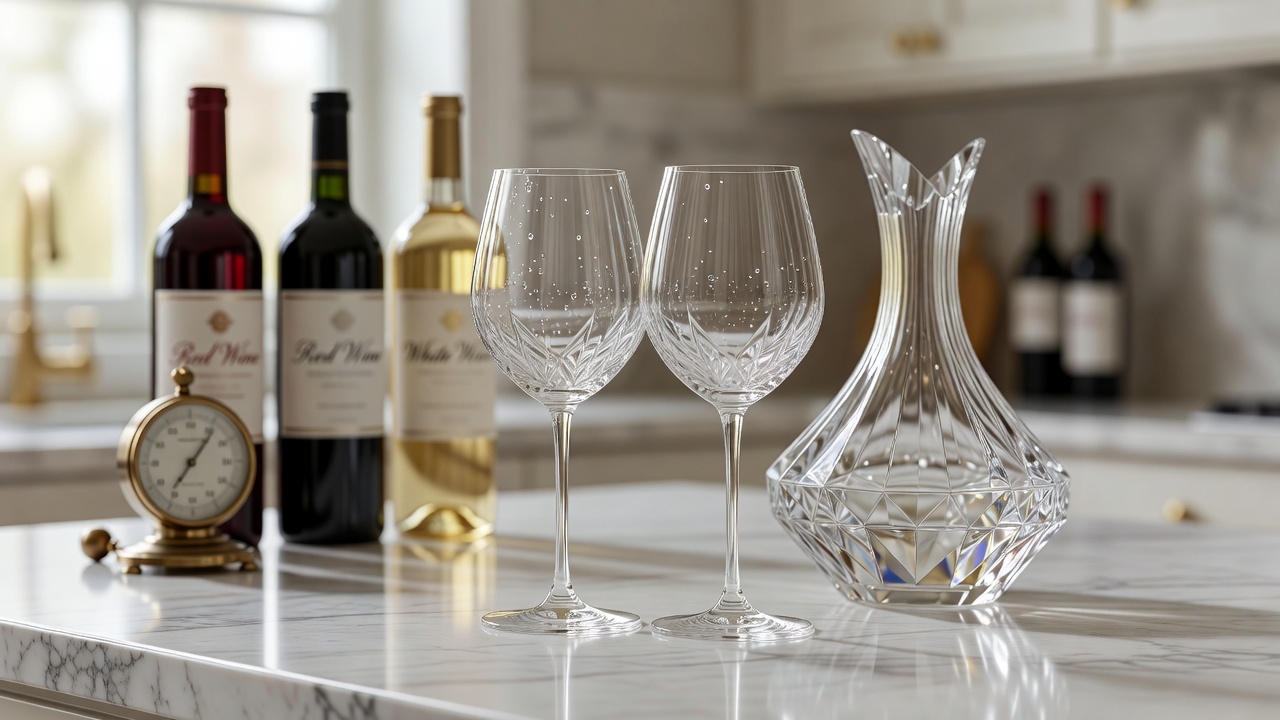
In heat, shorten decanting to 30–60 minutes for bold reds to avoid over-oxidation. Use wide decanters that expose more surface area quickly. For whites, a brief 15-minute decant can enhance fruit notes without chilling them too aggressively. If serving outdoors, keep the decanter in a shaded or air-conditioned spot and return the wine to the bottle if guests are delayed.
Winter Decanting Approaches
Colder months allow longer decants of 1–2 hours for structured wines. The slower oxygen uptake preserves delicate aromatics during cellar events. Consider narrower decanters that limit exposure in low-humidity indoor settings. Older vintages may need only 45 minutes, while young tannic reds benefit from the full two hours.
Optimal Wine Glass Choices for Humidity and Dryness
Glass shape influences evaporation rates and aroma concentration. High humidity calls for narrower bowls to reduce dilution from moisture, while dry conditions benefit from wider openings that capture volatile compounds effectively. Material thickness also matters: thin crystal transmits temperature changes faster, which can be useful in winter but risky in summer.
- High humidity (summer coastal areas): Opt for tulip-shaped glasses that direct aromas upward and minimize surface area
- Dry climates (winter interiors): Choose larger bowls for better oxygenation and scent release
- Universal recommendation: Use 12–16 oz capacity glasses for versatility across seasons
- Additional tip: Avoid overly ornate or colored glass that obscures visual assessment of color and clarity
Step-by-Step Seasonal Checklists
Summer Outdoor Pour Checklist
- Pre-chill bottles in insulated sleeves for transport to prevent rapid warming
- Set up shaded serving stations away from direct sunlight and reflective surfaces
- Prepare ice buckets with half ice and half water for precise cooling without over-chilling
- Decant reds briefly before guests arrive and keep whites in chilled sleeves between pours
- Select stemware with thinner rims for elegant summer sipping and easier cleaning
- Have backup cooling methods ready, such as frozen grape clusters instead of ice cubes
Winter Cellar Event Checklist
- Allow bottles to acclimate gradually from storage to serving area over 30–60 minutes
- Use decanters for full-bodied reds two hours prior and check progress every 30 minutes
- Choose heavier glassware to retain warmth and provide a comfortable grip
- Monitor room humidity with a simple hygrometer and adjust ventilation if needed
- Pair with room-temperature cheese boards to complement adjusted serving temps
- Prepare tasting mats or coasters to protect surfaces from condensation in heated rooms
Real-World Examples and Pitfall Comparisons
Imagine a July backyard barbecue where an unadjusted Cabernet tastes jammy and flat—correct by serving 5°F cooler. Contrast this with a December fireside tasting where a rushed decant leaves a young Barolo tight and closed. Another scenario involves a humid coastal summer evening where wide-bowled glasses cause rapid dilution of a delicate Riesling, leading to muted fruit. In contrast, using narrow tulip glasses indoors during a dry winter preserves the wine's structure longer.
Common mistakes include ignoring ambient temperature swings and using the same glassware regardless of dryness levels, both of which mute wine expression. Another frequent error is decanting too early in summer or too late in winter, resulting in either oxidized or under-aerated wines. Always cross-reference your serving plan with a quick outdoor or indoor temperature reading before finalizing details.
Frequently Asked Questions
How does climate change impact long-term storage?
Fluctuating temperatures from extreme weather can age wines prematurely. Maintain consistent cellar conditions between 55–60°F year-round and consider active cooling units during heat waves.
Should I adjust for indoor versus outdoor humidity?
Yes. Outdoor humidity often exceeds indoor levels; test pours in both settings to fine-tune decanting and glass choice for each event.
What tools help monitor seasonal adjustments?
Digital thermometers and hygrometers provide precise readings for consistent results across seasons. A simple wine thermometer strip on each bottle is also effective.
Can I use the same decanter year-round?
While possible, having both wide and narrow decanters allows better control over aeration speed depending on the season and wine style.
Do sparkling wines require seasonal temperature changes?
Sparkling wines should stay colder in summer (around 45°F) to preserve bubbles, while winter service at 48–50°F can enhance complexity without losing effervescence.
Conclusion
Mastering seasonal adjustments elevates every bottle. Apply these sommelier techniques consistently and your wines will shine whether served under summer skies or beside a winter hearth. For further authoritative guidance on wine service fundamentals, consult Wine Institute, Court of Master Sommeliers, and Master Sommeliers.
No comments yet. Be the first!