 Uncorked Conversations
Introduction to Professional Wine Pouring
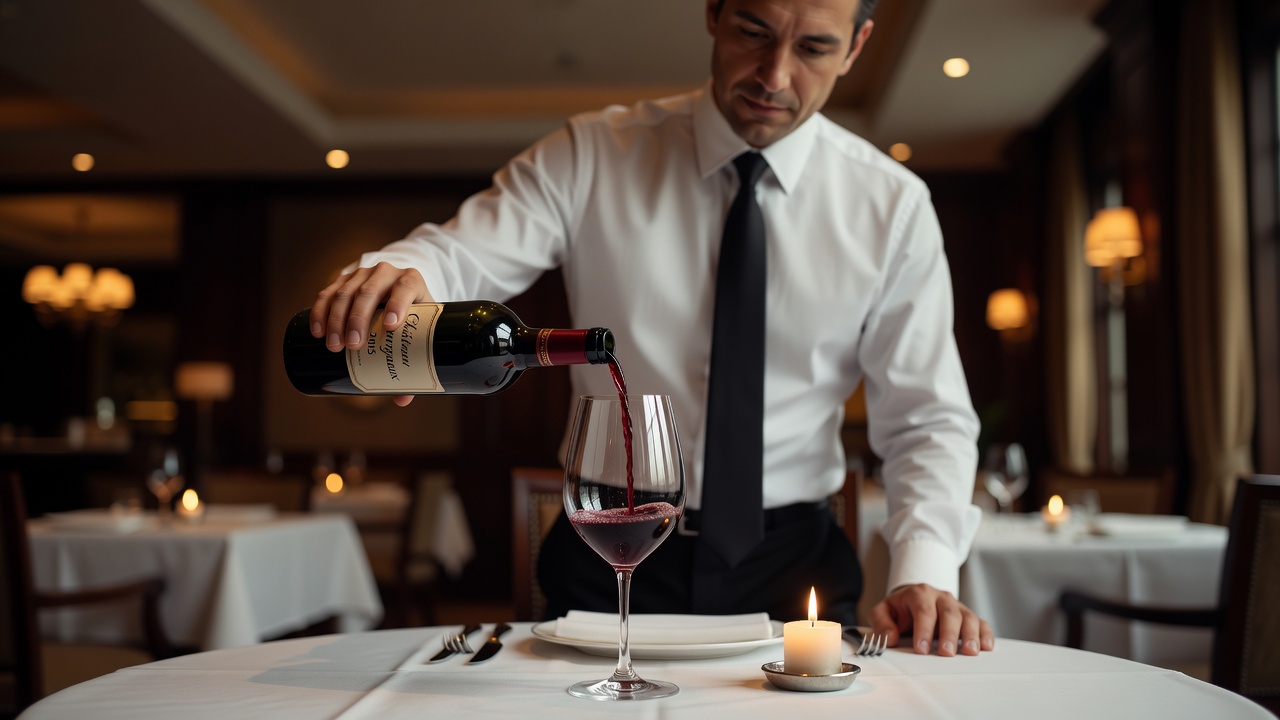
Flawless wine service begins with precise pouring techniques that professional sommeliers refine over years of restaurant experience. These sommelier tips transform everyday wine serving into an elegant ritual that prevents spills, preserves aromas, and respects guest pacing. Whether hosting a dinner party or working in hospitality, mastering hand positioning, bottle angle, and drip prevention elevates the entire experience. Guests quickly notice when pours are measured, controlled, and free of drips that stain tablecloths or disrupt conversation. The difference between an amateur pour and a professional one lies in small, repeatable details that become second nature with deliberate practice.
Proper technique ensures consistency across different glass types and wine styles while maintaining the wine’s intended temperature and bouquet. In busy restaurants, sommeliers rely on these fundamentals to serve multiple tables efficiently without sacrificing quality or safety. Home enthusiasts can adopt the same methods to impress friends and family during gatherings.
Essential Hand Positioning for Control and Elegance
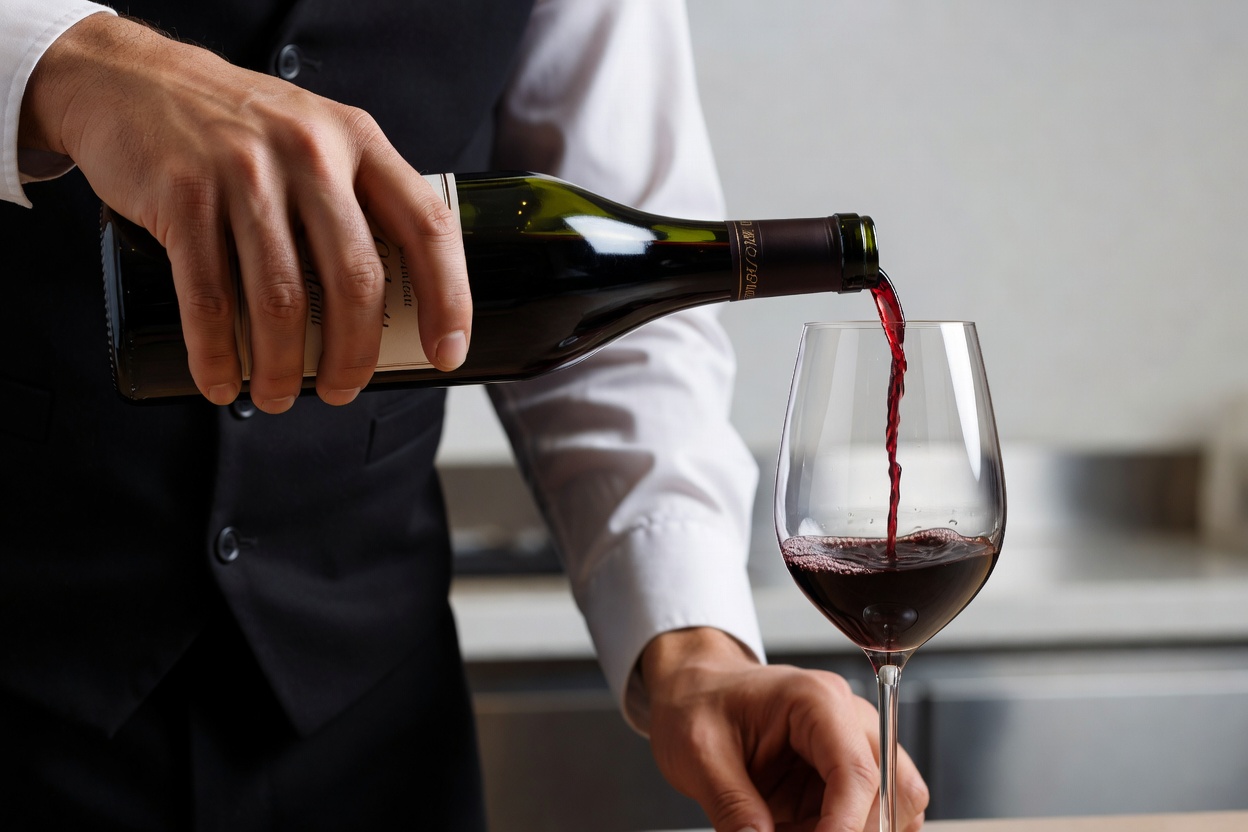
Start by cradling the bottle in your dominant hand with the thumb along the punt or base for stability. Your other three fingers wrap naturally around the body while the index finger extends slightly to guide the pour. Keep the wrist relaxed yet firm to avoid tremors that cause overpouring. Position your body at a slight angle to the table so the bottle neck points directly into the glass without reaching across guests. This posture maintains balance and projects confidence during service. For larger format bottles such as magnums, shift your grip higher on the shoulder of the bottle and support the base with your non-dominant hand to distribute weight evenly.
Variations exist depending on the setting. In formal service, keep the free hand behind your back or holding a service towel. At home, the same principles apply but allow for more relaxed body language while still prioritizing precision.
Mastering Bottle Angle and Pour Flow
Hold the bottle at a 45-degree angle initially to create a smooth stream that hugs the inside of the glass. As the pour progresses, gradually straighten the bottle to slow the flow and reach the precise volume. Never pour vertically, as this creates splashing and aeration that can alter delicate wines. The physics behind the angle involves minimizing turbulence; a controlled stream reduces oxidation and preserves volatile aromas. Practice the motion with an empty bottle over a sink to develop muscle memory. The goal is a steady, laminar flow rather than a fast cascade. Timing the angle adjustment correctly takes repetition but becomes instinctive after a few dozen pours.
Drip-Prevention Tactics That Work
After each pour, twist the bottle wrist slightly while lifting to break the stream cleanly. A quick 90-degree rotation uses surface tension to pull the final drop back into the bottle. Some sommeliers also keep a clean service towel draped over the forearm to catch any stray drips instantly. Never wipe the bottle lip with a cloth during service; the twist technique is faster and more hygienic. Additional methods include using a drip-stop pourer for home use or selecting bottles with pronounced lips that naturally direct liquid inward. These small habits dramatically reduce cleanup time and maintain table presentation.
Ideal Pour Volumes for Different Glass Types
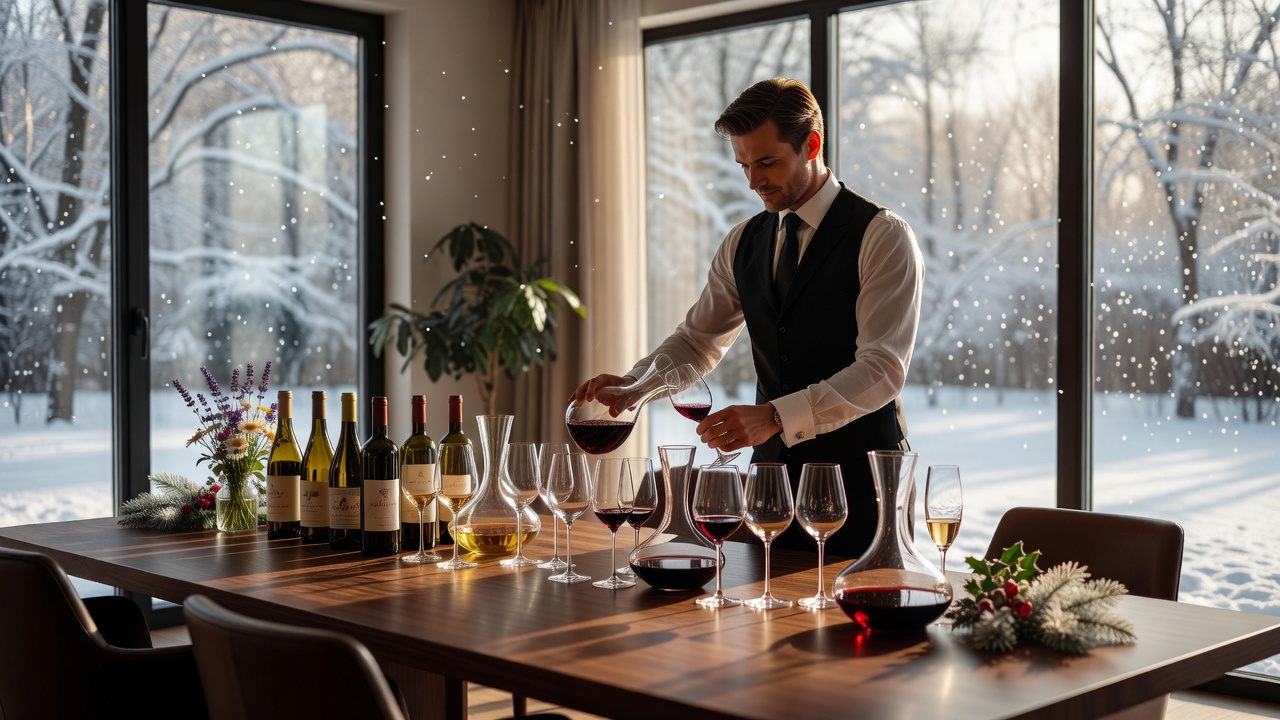
Standard red wine glasses receive 5 ounces to allow room for swirling and aroma development. White wine pours are typically 4 ounces in narrower glasses to maintain temperature. Dessert wine or port servings measure 2 to 3 ounces in smaller tulip-shaped glasses. Rosé follows the white wine guideline while fortified wines such as sherry stay at 2 ounces. These volumes balance generosity with responsible service and help guests pace themselves across multiple courses.
Timing Pours During Multi-Wine Tastings
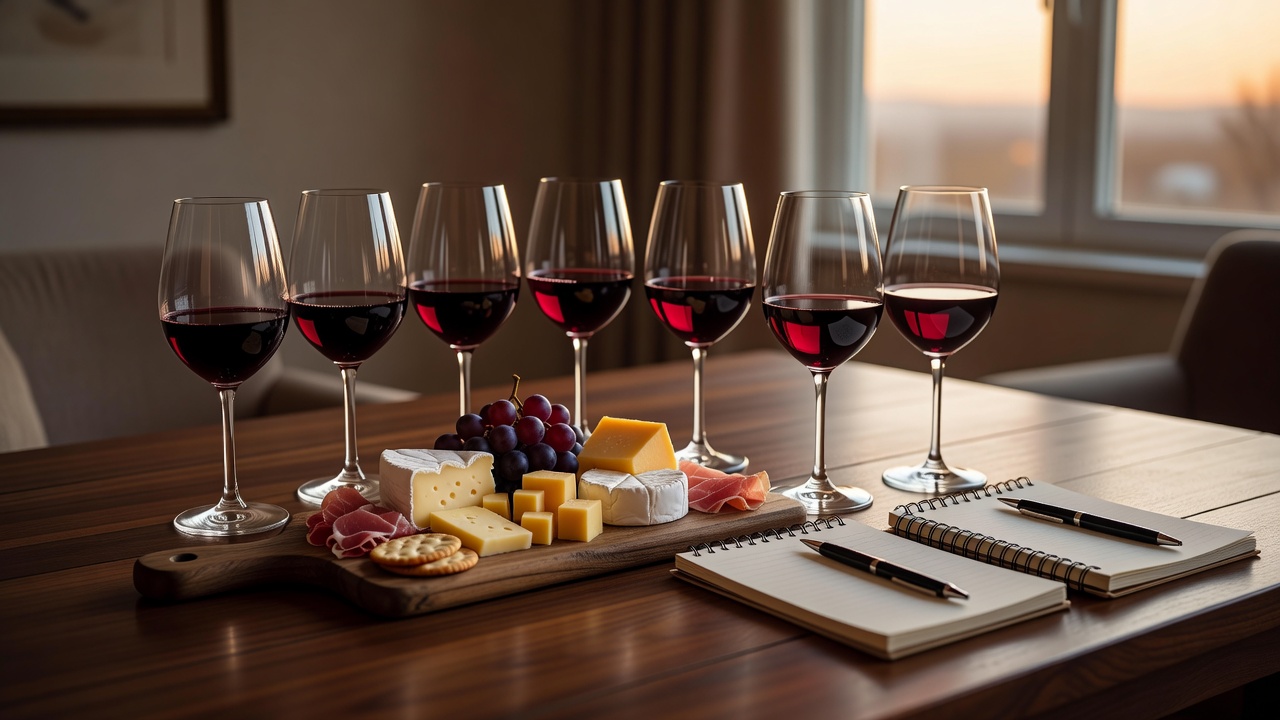
In a flight setting, pour the first wine and allow guests 60 to 90 seconds to evaluate before moving to the next. This pacing prevents palate fatigue and gives each wine its moment. Announce the wine name and vintage briefly before pouring to set expectations. During multi-course dinners, coordinate pours with the arrival of each dish so the wine opens at the optimal moment. For larger groups, pre-pour into decanters when appropriate to speed up service without losing elegance.
Adjustments for Sparkling Versus Still Wines
Sparkling wines require a two-stage pour: fill one-third of the glass, wait for the foam to settle, then complete the pour. Hold the bottle at a shallower 30-degree angle to minimize bubble disruption. Still wines follow the standard 45-degree technique described earlier. Light-bodied sparkling wines such as Prosecco benefit from an even gentler tilt, while Champagne can handle slightly more aggressive initial contact with the glass wall. Temperature also plays a role; colder bottles produce more foam, so allow a few extra seconds between stages.
Step-by-Step Pouring Sequence
- Present the bottle label toward the guest for approval.
- Hold the glass by the stem or base at table level.
- Execute the angled pour with controlled speed.
- Twist and lift to finish cleanly.
- Place the glass back without clinking.
- Repeat for remaining guests in a clockwise direction.
Real-World Restaurant Service Examples
At high-volume fine dining establishments, sommeliers pour tables of four in under 90 seconds using these exact methods. One New York sommelier shared that consistent technique reduced wine waste by nearly 15 percent over a busy service week. In tasting rooms, staff apply the same principles when guiding visitors through flights, ensuring each sample highlights the wine’s character rather than the pourer’s skill. Private events often require adapting the sequence for standing receptions where guests hold glasses at varying heights.
Quick Troubleshooting for Common Issues
- Overpouring: Slow the bottle angle earlier in the pour.
- Drips on the table: Master the wrist twist and keep a towel ready.
- Uneven fills: Practice measuring 5 ounces at home with water first.
- Foaming sparkling wine: Pause after the initial third pour.
- Sloshing in large glasses: Use a shallower starting angle.
- Label hidden from guest: Rotate bottle 180 degrees before pouring.
Common Mistakes to Avoid
Many beginners grip the bottle too tightly, causing shaky pours. Others forget to announce the wine before serving, breaking the ritual. Avoiding eye contact with the guest during the pour can also feel impersonal. Practice sessions with water help eliminate these habits before serving real wine.
Equipment and Tools for Home Sommeliers
A dedicated wine key, service towel, and set of varied glassware form the foundation. Optional tools include drip collars and measured pour spouts for practice. Keeping these items organized near your serving area streamlines every pour.
Frequently Asked Questions
How do I maintain consistent pour volumes?
Use the same glassware and practice counting seconds: approximately three seconds for a standard 5-ounce pour once muscle memory develops.
What if a guest wants a smaller pour?
Always ask preferences upfront and adjust volumes accordingly while maintaining elegance.
Should I pour for everyone at once or one at a time?
Pour clockwise around the table, completing each glass before moving to the next to keep service fluid.
How does glass shape affect pouring technique?
Wider bowls require a slightly slower pour to prevent splashing, while narrow flutes benefit from the two-stage method even for still wines.
Additional authoritative resources on wine service include guidance from Decanter, Wine Folly, and Wine Enthusiast.
Conclusion
Mastering these sommelier tips requires repetition but delivers immediate improvements in both presentation and efficiency. With focused practice on hand position, angle control, and drip prevention, anyone can achieve professional-level wine service at home or in a professional setting.
No comments yet. Be the first!