 Uncorked Conversations
Introduction to Urban Biodynamic Viticulture in 2026
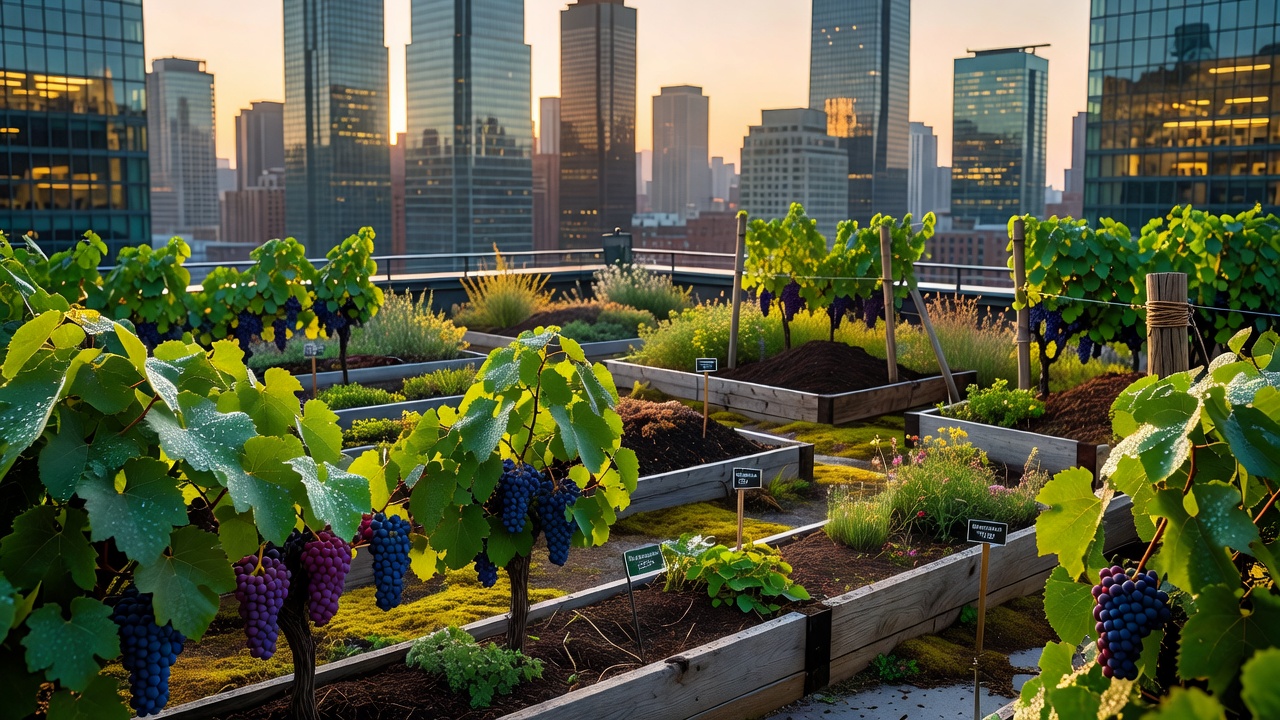
Biodynamic farming, rooted in holistic principles that treat the vineyard as a living organism, is finding innovative new homes in cities worldwide. In 2026, small-scale urban and rooftop vineyards are proving that these methods can succeed even with limited space, regenerating soil and producing natural wines that align with organic standards. This approach combines traditional biodynamic preparations with low-intervention techniques, fostering biodiversity in unexpected places. Urban environments present unique opportunities for experimentation, allowing growers to blend ancient wisdom with modern sustainability needs. As cities grow denser, these vineyards demonstrate how agriculture can reclaim underutilized spaces while contributing to local food systems and climate resilience.
As urban agriculture gains momentum, winemakers are adapting these practices to rooftops, balconies, and vacant lots. The result is not only viable grape production but also stronger community ties and environmental benefits. Interest has surged due to rising consumer demand for natural wines and transparent production methods that minimize chemical use from vine to bottle.
Key Challenges in Adapting Biodynamic Methods to Urban Settings
Space constraints top the list for city-based growers. Rooftop vineyards often measure just a few hundred square feet, requiring creative trellising and container systems that maximize vertical growth without compromising vine health. Soil regeneration poses another hurdle, as urban soils frequently contain contaminants or lack organic matter, necessitating careful remediation through biodynamic composts and cover crops. Growers must import or create preparations like horn manure while avoiding synthetic inputs entirely.
Maintaining low-intervention methods means relying on natural pest control and lunar-cycle planting schedules despite pollution and microclimate variations caused by surrounding buildings. Integrating organic and natural wine principles demands careful fermentation monitoring without additives, ensuring the final product reflects the terroir even in artificial settings. Additional issues include securing structural approvals for heavy soil loads on rooftops and navigating local regulations around water usage and waste management.
Real-World Case Studies of City-Based Success
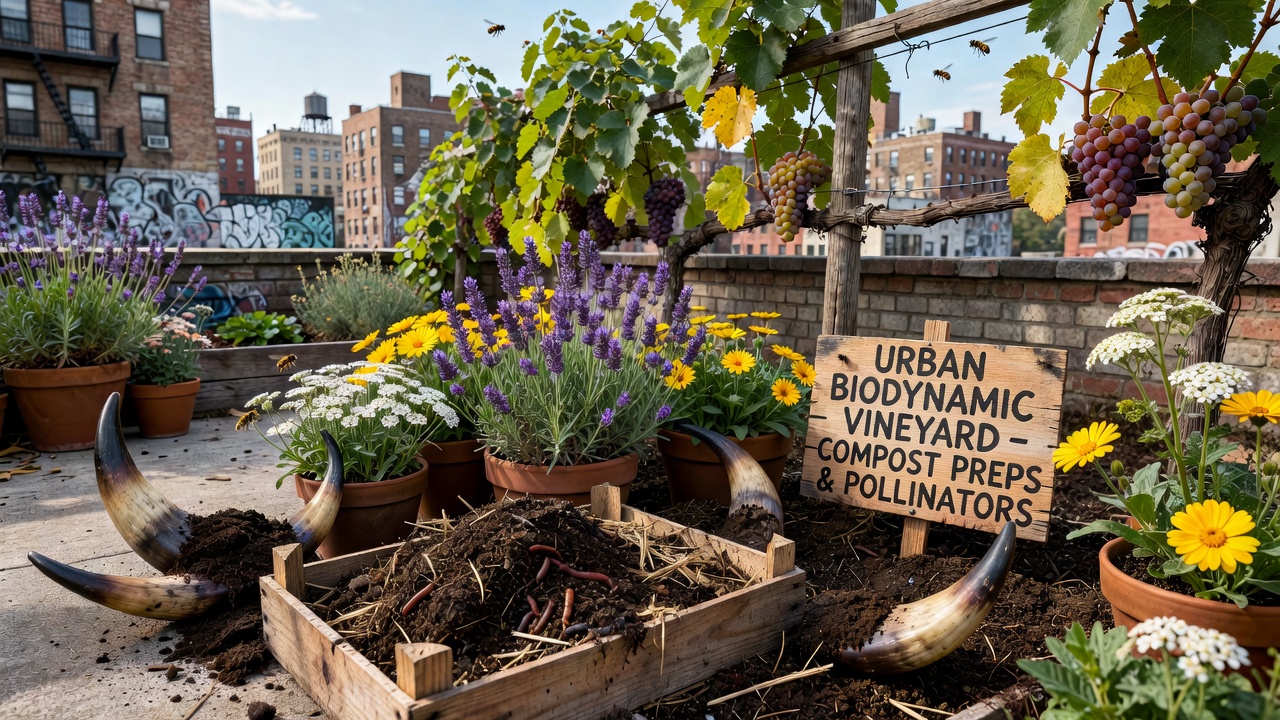
Several pioneering operations demonstrate what's possible. In New York City, a Brooklyn rooftop vineyard uses horn manure preparations to revitalize shallow soil beds, yielding small batches of hybrid grapes for natural wines that have gained local acclaim for their vibrant acidity. The team focuses on interplanting with herbs to support beneficial insects. A London project on a former industrial site employs cow horn silica sprays to enhance vine resilience against urban winds, producing elegant Pinot Noir clones in raised planters.
Tokyo's vertical biodynamic setup incorporates community composting programs that recycle restaurant waste into preparations, resulting in robust yields of Koshu grapes suited to the humid climate. Meanwhile, a Barcelona terrace vineyard focuses on biodiversity corridors with native pollinators, creating habitats that boost overall ecosystem health while crafting skin-contact wines from old-vine Garnacha. These examples highlight scalable adaptations that respect biodynamic calendars and emphasize observation over intervention.
Benefits for Biodiversity and Community Engagement
Urban biodynamic vineyards boost local ecosystems by attracting bees, birds, and beneficial insects, countering city biodiversity loss through diverse planting schemes that include flowering companions. They also engage communities through workshops and harvest events, turning rooftops into educational hubs that teach children and adults about seasonal rhythms and soil biology. This fosters awareness of sustainable viticulture and natural wine production, often leading to volunteer networks that sustain the projects year-round.
Studies from organizations like the Demeter International show how such plots contribute to carbon sequestration even at small scales, while improving air quality and providing cooling effects in heat islands. Community involvement strengthens social bonds, with many sites hosting tastings that connect urban residents directly to the source of their wine.
Practical Tips for Aspiring Urban Viticulturists
Beginners should approach the process methodically to ensure long-term viability. Here are key recommendations:
- Start with soil testing and create custom biodynamic preparations using available urban resources like coffee grounds for compost, then apply horn manure at optimal lunar phases.
- Choose compact grape varieties suited to containers and microclimates, such as disease-resistant hybrids that require less spraying.
- Implement rainwater harvesting systems to support low-intervention irrigation, supplemented by mulching to retain moisture in exposed rooftop conditions.
- Partner with local beekeepers or community gardens for integrated pest management that leverages natural predators instead of chemicals.
- Document lunar cycles with apps to time planting and harvesting precisely, while monitoring pH and nutrient levels quarterly.
- Invest in lightweight growing media mixed with biochar to improve drainage and microbial activity without adding excessive weight to structures.
These steps help overcome common barriers while staying true to biodynamic ethos, and many successful growers recommend starting small with just a few vines before expanding.
Integrating Organic and Natural Wine Principles
Beyond vineyard work, urban biodynamic practitioners must align cellar practices with low-intervention ideals. This includes spontaneous fermentation using native yeasts, minimal sulfur additions, and aging in neutral vessels to preserve fruit purity. Challenges like temperature control in non-traditional spaces can be addressed with passive cooling techniques or small-batch processing. The outcome is wines that express urban terroir authentically, often featuring unique mineral notes influenced by city environments. Linking to broader movements, resources from the Food and Agriculture Organization of the United Nations provide guidance on sustainable urban farming that complements these efforts.
FAQ: Scaling Biodynamic Methods in Non-Traditional Settings
Can biodynamic vineyards really work on rooftops?
Yes, with proper structural assessments and lightweight soil mixes, many urban sites now host thriving vines using adapted preparations. Success depends on microclimate analysis and consistent observation of vine responses to urban stressors.
What are the biggest mistakes beginners make?
Overlooking microclimates and skipping soil regeneration often leads to poor yields; always prioritize holistic site analysis first, and avoid rushing into large plantings without testing preparations on a small scale.
How does this support natural wine production?
By avoiding chemicals and focusing on living soils, urban biodynamic grapes ferment naturally with minimal intervention, producing authentic expressions of place that appeal to enthusiasts seeking transparency in every bottle.
Is community involvement essential?
It enhances success through shared resources and knowledge, turning isolated plots into vibrant neighborhood assets that promote education and collective stewardship of the environment.
Conclusion
Urban biodynamic vineyards represent a forward-thinking evolution of ancient practices, proving sustainability thrives anywhere with creativity and commitment. Aspiring growers can draw inspiration from 2026's success stories to cultivate their own city oases, contributing to a more resilient and connected food system. By addressing challenges head-on and embracing community, these projects pave the way for broader adoption of biodynamic principles in non-traditional landscapes.

No comments yet. Be the first!