 Uncorked Conversations
Introduction to Low-Intervention Winemaking in 2026
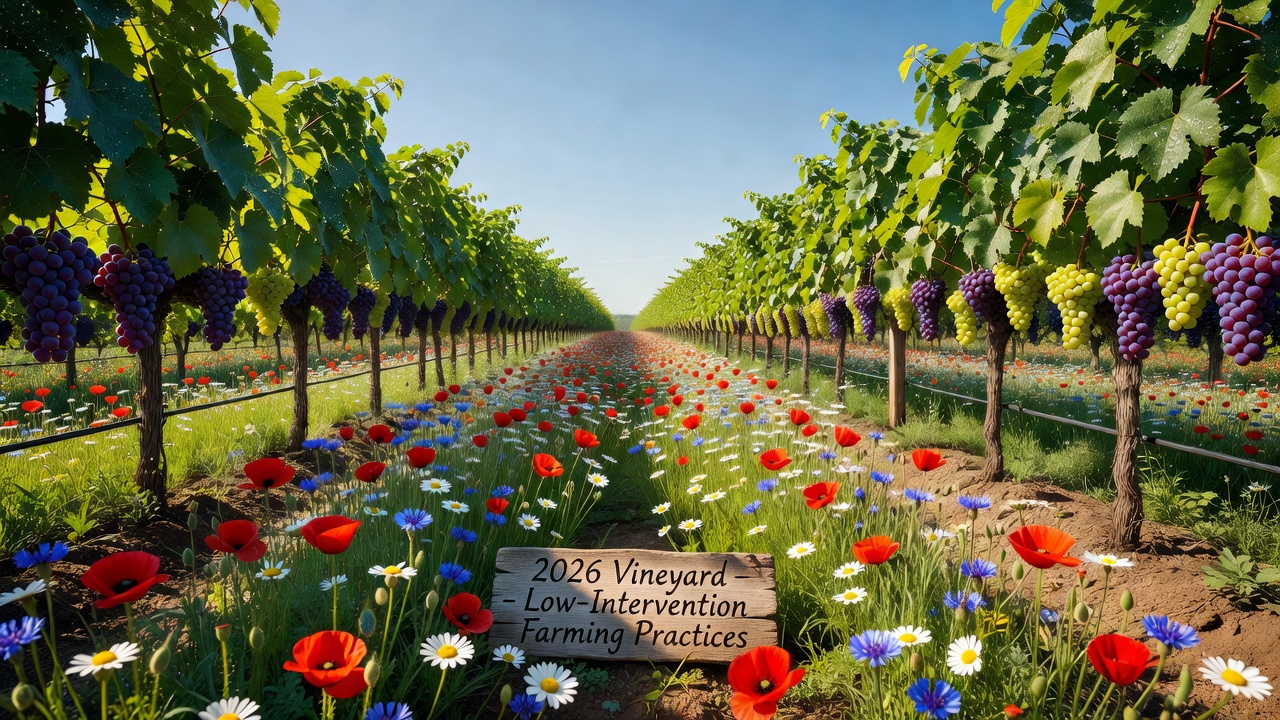
Low-intervention winemaking emphasizes minimal human interference, allowing grapes and terroir to shine. In 2026, vineyards across continents have embraced these methods with remarkable results. This approach prioritizes natural processes over additives or heavy machinery, leading to wines that reflect their origins authentically. Producers focus on healthy soils, native yeasts, and gentle handling to let the vineyard speak for itself rather than masking flaws with technology or chemicals.
Wineries have scaled production while preserving quality, as seen in regions like France, Italy, California, and Australia. Measurable benefits include enhanced soil biodiversity and distinctive flavor profiles that stand out in blind tastings. Consumers increasingly seek these wines for their transparency and connection to place, driving a shift away from conventional industrial methods that dominated the previous decades.
Understanding Low-Intervention Principles
At its core, low-intervention winemaking reduces inputs at every stage from vineyard to bottle. This includes avoiding synthetic pesticides and fertilizers, limiting or eliminating added sulfur, and relying on spontaneous fermentation. The goal is to create wines that evolve naturally, often with subtle variations between vintages that reflect weather and soil conditions. Enthusiasts appreciate how these wines can develop complex secondary aromas over time in the bottle.
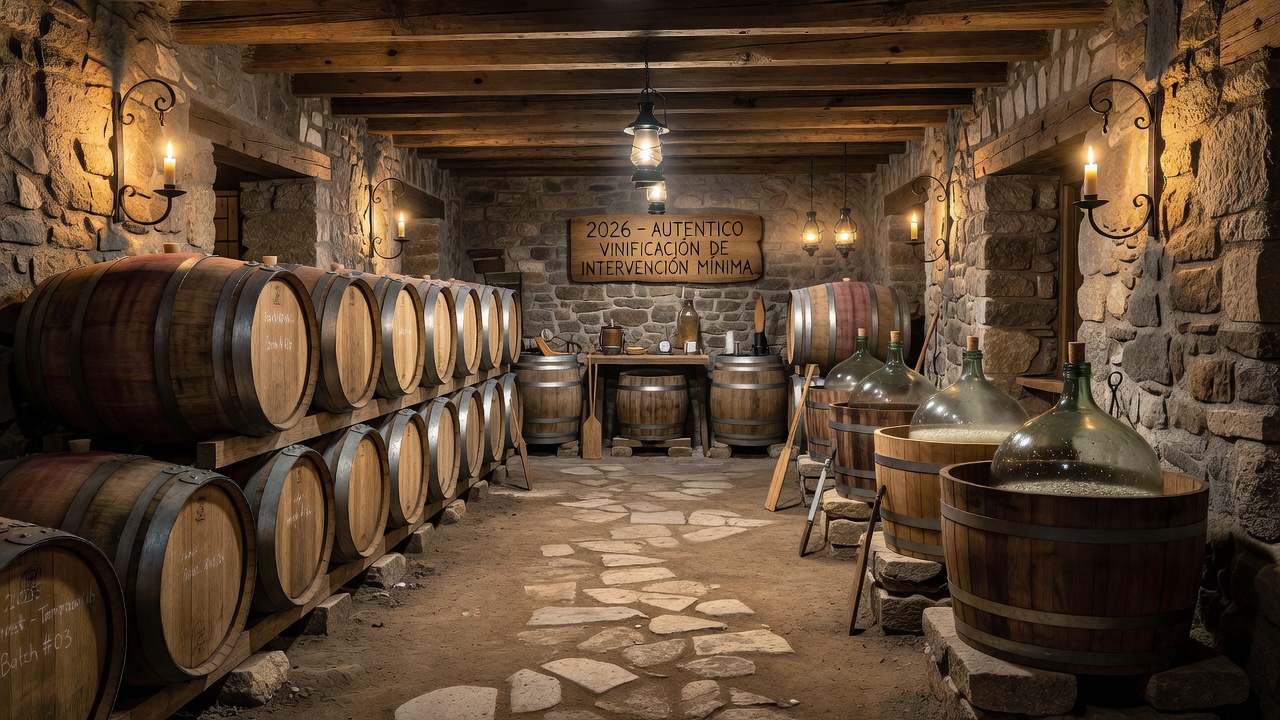
Unlike conventional winemaking, which may involve filtration, fining, and stabilization, low-intervention producers accept some cloudiness or sediment as part of the authentic character. This philosophy extends to packaging decisions, with many opting for lighter bottles or recycled materials to further reduce environmental impact.
Key Challenges Overcome in Scaling Production
Many producers faced hurdles in maintaining authenticity at larger scales. For instance, a leading Loire Valley estate transitioned 50 hectares to low-intervention practices, addressing yeast consistency through wild fermentation trials. They overcame oxidation risks by refining barrel aging techniques, resulting in stable batches without sulfur additions beyond trace amounts. Careful monitoring of oxygen levels during racking proved essential to success.
In Mendoza, Argentina, winemakers tackled climate variability by integrating cover crops and reduced tillage. These steps preserved soil moisture during dry spells, enabling consistent yields without compromising the natural character of Malbec grapes. Similar strategies in Australia’s Barossa Valley helped combat heatwaves, with producers using sheep for natural weeding to maintain vineyard balance.
Regional Success Stories from 2026 Vineyards
European examples highlight tradition meeting innovation. A biodynamic-focused producer in Tuscany reported improved vine resilience after three years of minimal intervention, yielding Sangiovese with vibrant acidity and herbal notes. In the Willamette Valley of Oregon, a natural wine pioneer scaled operations by partnering with local farms for organic sourcing, achieving uniform quality across multiple vintages.
Further afield, South African estates in Stellenbosch demonstrated how low-intervention methods enhance drought resistance. By avoiding synthetic fertilizers, they fostered microbial activity that boosted grape concentration, producing Chenin Blanc with layered tropical and mineral tones. In New Zealand’s Marlborough region, Sauvignon Blanc producers adopted similar techniques, resulting in wines with pronounced flinty and citrus characteristics that resonated with international critics.
California’s Sonoma County also saw notable advances. One family-owned vineyard implemented regenerative grazing alongside minimal pruning, leading to deeper root systems and grapes that expressed unique savory qualities. These stories illustrate that success depends on adapting principles to local conditions rather than following rigid formulas.
International Organisation of Vine and Wine data underscores these global shifts toward sustainable practices.
Comparing Natural, Organic, and Biodynamic Approaches
Low-intervention encompasses several philosophies. Natural wine avoids all additives and fining agents, relying solely on native yeasts. Organic certification bans synthetic chemicals but permits some processing aids. Biodynamic methods incorporate lunar cycles and preparations to enhance vineyard vitality.
In 2026 case studies, natural approaches delivered the most expressive flavors but required precise timing. Organic methods offered easier scalability with strong environmental gains, while biodynamic practices excelled in long-term soil regeneration. A comparative tasting in California revealed natural wines scoring highest for uniqueness, with organic and biodynamic close behind for balance.
- Natural: Highest risk, purest expression, ideal for small experimental plots
- Organic: Regulatory clarity, solid yields, accessible certification path
- Biodynamic: Holistic ecosystem focus, often yielding wines with pronounced earthiness
Measurable Benefits: Soil Health and Flavor Profiles
Improved soil health stands out as a primary advantage. Reduced tillage and cover cropping increase organic matter and beneficial microbes, leading to better water retention and nutrient cycling. Over multiple seasons, vineyards report stronger vine resistance to disease without chemical interventions.
Flavor profiles gain complexity from these practices. Wines often display layered aromas ranging from wild herbs to wet stone, with textures that feel more alive on the palate. Consumer panels in 2026 frequently noted greater nuance compared to conventional counterparts, particularly in varieties like Pinot Noir and Riesling.
Market Growth and Consumer Feedback
Consumer interest in authentic wines has surged. Feedback from 2026 surveys highlights appreciation for transparency and reduced chemical use, with many noting improved digestibility. Market reports indicate rising demand in urban centers, driven by younger demographics seeking sustainable options. Retailers report stronger sales velocity for low-intervention labels in specialty shops and online platforms.
Producers cite repeat purchases tied to unique profiles, such as earthy undertones in low-intervention Pinot Noir. This aligns with broader trends tracked by agricultural bodies emphasizing regenerative agriculture. Social media discussions reveal enthusiasts sharing tasting notes that emphasize the storytelling aspect of each bottle.
Food and Agriculture Organization of the United Nations resources detail related soil health advancements.
Practical Tips for Enthusiasts Visiting or Sourcing
Visiting these producers requires advance booking, as many operate on small teams. Seek out estates offering cellar tours focused on fermentation vessels and vineyard walks. For sourcing, prioritize importers specializing in natural selections or direct winery shipments where available. Building relationships with knowledgeable retailers can unlock allocations of limited-production wines.
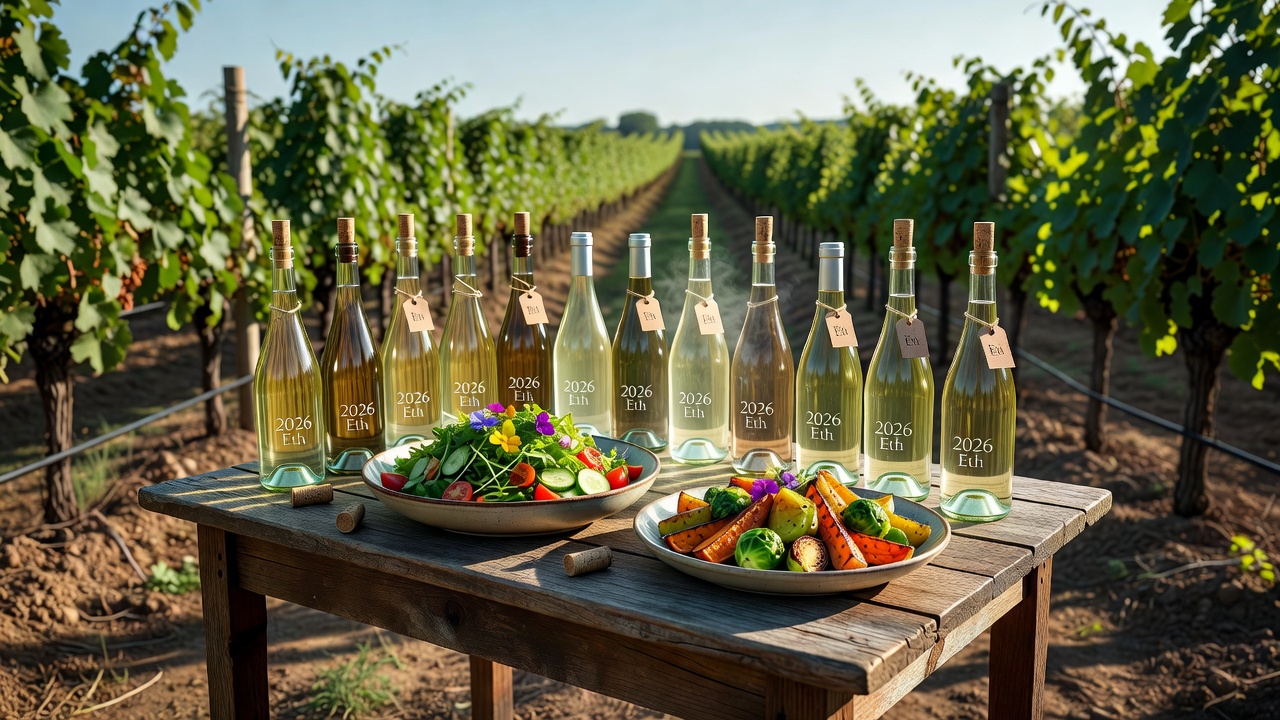
Start with entry-level bottles from established regions to build familiarity. Pair with seasonal foods to highlight terroir-driven characteristics. Always verify certifications through official channels to ensure authenticity. Consider joining wine clubs offered by these producers for regular access and educational newsletters.
Mistakes to Avoid When Exploring Low-Intervention Wines
Common errors include expecting consistency across vintages or judging a wine solely on appearance. Some enthusiasts overlook the importance of proper storage, which can accelerate development in these living wines. Another pitfall is assuming all low-intervention wines taste the same; regional differences remain pronounced and worth exploring deliberately.
Conclusion
Low-intervention winemaking continues to prove its viability in 2026 through tangible successes. By learning from these global examples, enthusiasts and aspiring producers can appreciate the depth and sustainability these methods bring to the glass.
FAQ: Replicating Techniques at Smaller Scales
How can home winemakers begin low-intervention practices? Start with small plots using native yeasts and minimal sulfur, monitoring closely for stability.
What equipment is essential for beginners? Basic fermentation vessels, temperature control, and testing kits suffice initially.
Are there common pitfalls to avoid? Overlooking sanitation and rushing fermentation can lead to spoilage; patience is key.
How long until results appear? Soil improvements often emerge within two to three seasons with consistent application.
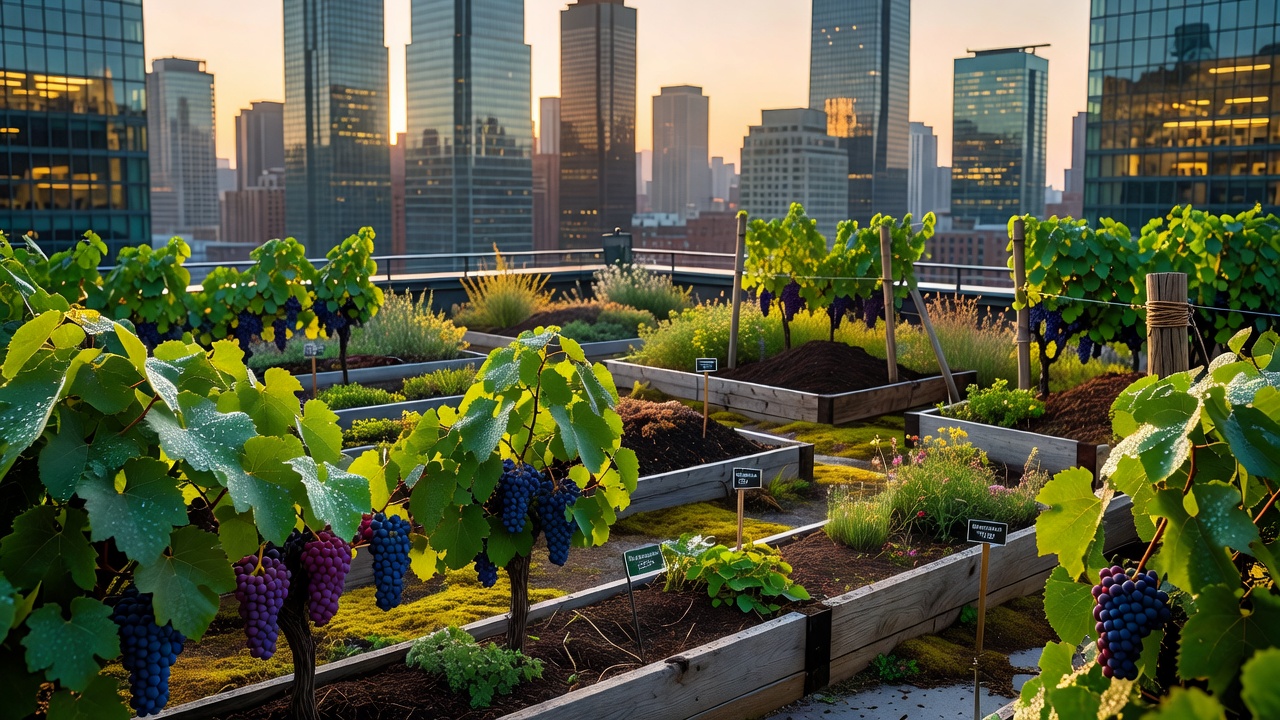
Can these methods work in urban or small backyard settings? Yes, with careful site selection and focus on container or raised-bed vines for experimentation.
What resources help track progress? Soil testing kits and simple journals for noting vine observations provide valuable data over time.
No comments yet. Be the first!