 Uncorked Conversations
Understanding Low-Intervention Wines and Vegan Compatibility
Low-intervention wines emphasize minimal additives and traditional methods, making them ideal for vegan lifestyles when they avoid animal-derived fining agents like gelatin, casein, or isinglass. In 2026, these wines continue to gain popularity among ethical consumers seeking transparency in production. Unlike conventional wines that often use animal products for clarification, vegan-friendly options rely on plant-based or mineral alternatives such as bentonite clay or pea protein. This approach preserves the wine's natural character while aligning with plant-based values that reject any animal exploitation at any stage of production.
The alignment with vegan diets stems from production practices that exclude animal inputs entirely. This includes fermentation, aging, and fining stages. Many producers now highlight these choices on labels to meet growing demand for ethical sourcing. Consumers increasingly prioritize wines where every step—from vineyard to bottle—avoids animal-derived materials, leading to a surge in demand for certified options that support sustainable and compassionate agriculture.
Key Certifications and Labels to Look For
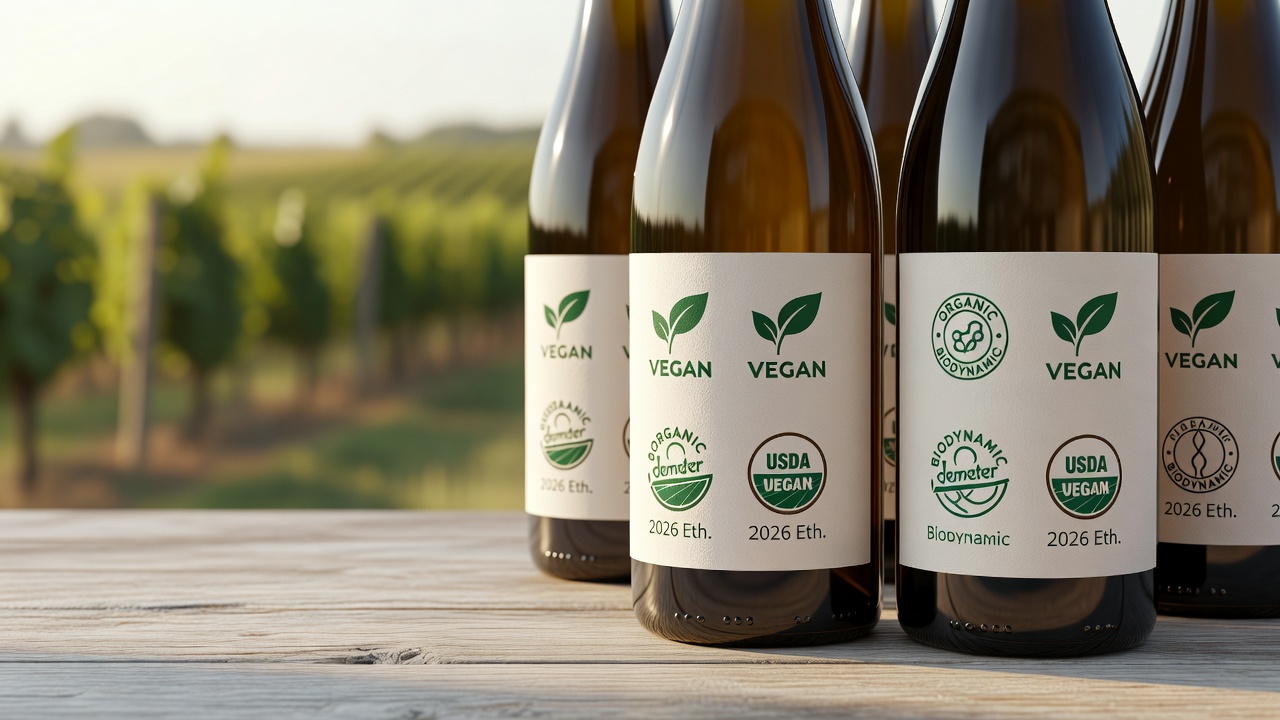
Certifications provide reliable assurance. Look for USDA Organic, which confirms no synthetic chemicals or animal products in farming. Biodynamic certifications from recognized bodies ensure holistic practices without animal fining. Vegan-specific logos from organizations like the Vegan Society or BeVeg further validate the absence of animal-derived additives. These labels act as quick visual guides on store shelves, helping shoppers make informed decisions without extensive research.
Common pitfalls include assuming all organic wines are vegan—some still use animal fining. Always check for explicit vegan certification or contact producers directly. Reading the fine print on back labels or producer websites can reveal hidden processes that compromise vegan status.
USDA resources on organic standards offer detailed guidance on what these labels mean for consumers. Additional verification through third-party audits strengthens confidence in the product's integrity.
Common Pitfalls in Winemaking and How to Avoid Them
Many winemakers unintentionally introduce animal products during clarification. Traditional fining agents speed up sediment removal but compromise vegan claims. To avoid this, seek producers who disclose their full process. Another pitfall involves barrel aging where animal-based glues or coatings might be used, though this is less common in modern low-intervention settings. Readers should cross-reference batch numbers with winery transparency reports when available.
Comparing Grape Varieties and Regions
Certain regions excel in vegan-friendly low-intervention methods. In France's Loire Valley, Sauvignon Blanc and Chenin Blanc thrive with minimal intervention, often using only indigenous yeasts. Italy's Piedmont region produces Barbera and Nebbiolo that pair well with plant-based diets due to their natural acidity. Spain's Priorat area yields Garnacha wines that benefit from biodynamic farming without fining agents.
Comparisons show that lighter reds like Pinot Noir from Oregon require less fining than bolder Cabernet Sauvignon from California. White varieties such as Riesling from Germany frequently remain unfined, preserving vegan status naturally. In Australia, Margaret River Shiraz offers robust flavors achieved through natural fermentation alone. These regional strengths allow consumers to explore diverse flavor profiles while maintaining ethical standards.
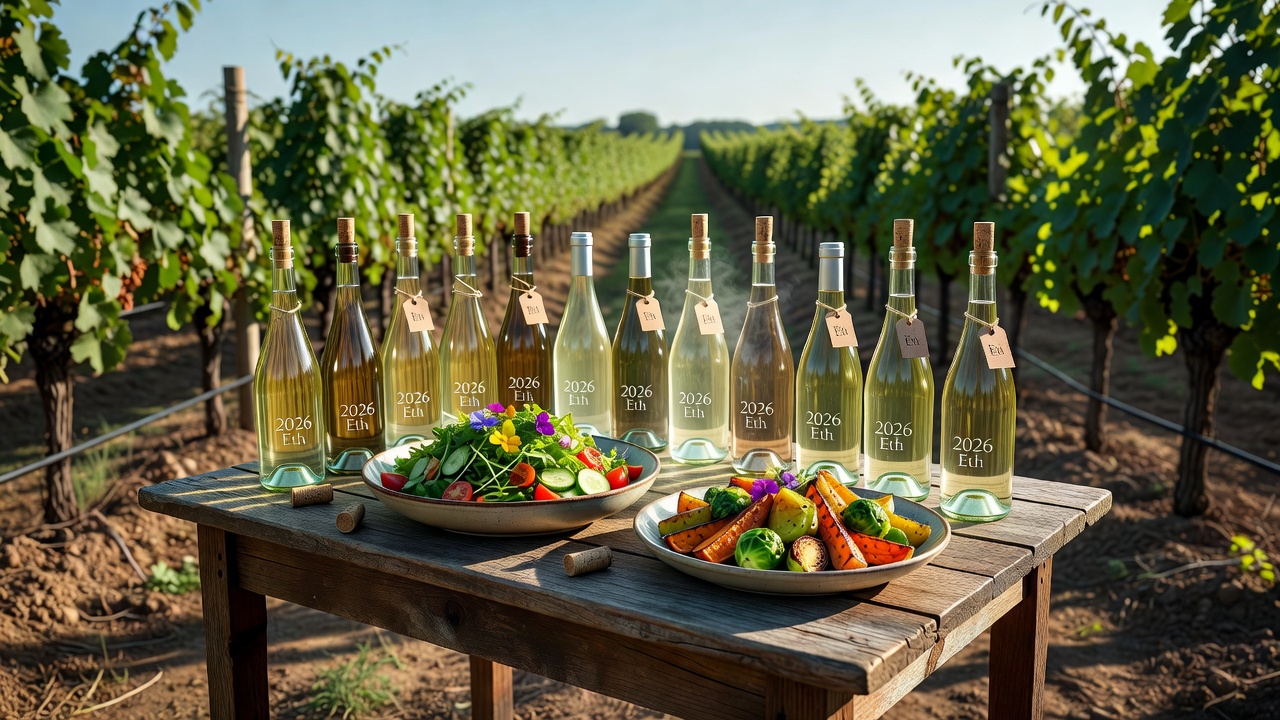
- Loire Valley whites: Crisp, mineral-driven, excellent with salads and fresh herbs.
- Piedmont reds: Earthy profiles ideal for roasted vegetables and grains.
- Oregon Pinot Noir: Versatile for mushroom-based dishes and legume preparations.
- Priorat Garnacha: Bold yet balanced, suited to grilled plant proteins.
Practical Steps to Verify Vegan Options
Follow these steps to identify truly vegan wines: First, scan labels for vegan or cruelty-free symbols. Second, research the producer's website for fining details. Third, use apps like Vivino or Barnivore for community-verified lists. Fourth, prioritize natural wine shops that specialize in low-intervention bottles. Fifth, attend local tastings where producers explain their methods in person. Sixth, join online communities focused on vegan wine to share recent discoveries and updates from 2026 harvests.
Real-world examples in 2026 include certified vegan natural wines like those from Loire producers using only bentonite for clarification, or biodynamic bottlings from California that age in neutral oak without animal products. These examples demonstrate how small-scale operations can scale ethical practices successfully.
Pairing Suggestions for Plant-Based Meals
Match low-intervention vegan wines with seasonal dishes. A crisp Loire Sauvignon Blanc complements herb-infused tofu stir-fries. Earthy Piedmont reds enhance lentil stews or grilled eggplant. For dessert, opt for unfined Riesling alongside fruit sorbets. Consider how acidity levels interact with plant textures—high-acid whites cut through creamy cashew sauces while tannins in reds balance earthy root vegetables.
Mistakes to Avoid When Selecting Vegan Wines
One frequent error is overlooking sulfites, though they are generally vegan; the real issue remains fining agents. Another mistake involves trusting marketing terms like "natural" without certification backing. Always verify through multiple sources rather than relying on a single claim.
FAQs on Additives and Misconceptions
Are all natural wines vegan? No—some use animal fining despite minimal intervention. Always verify through certifications or direct inquiry.
What replaces animal fining agents? Common substitutes include activated charcoal and plant proteins that achieve similar clarity without ethical concerns.
Do certifications guarantee vegan status? USDA Organic helps but pair it with vegan-specific seals for full assurance. Cross-check with FDA labeling guidelines for comprehensive understanding of additive disclosures.
Can sparkling wines be vegan? Yes, when produced with vegan fining or no fining at all, common in low-intervention sparkling ranges from France and Italy.
How do climate changes affect 2026 vegan wine production? Warmer vintages may reduce the need for fining, increasing natural vegan options across regions.
Conclusion
Choosing low-intervention vegan wines in 2026 empowers ethical consumption while enjoying complex flavors. By focusing on certifications, regions, and verification steps, readers can confidently select options that align with plant-based values. Explore these recommendations to enhance your next meal with mindful pairings and support producers committed to transparency.
No comments yet. Be the first!