 Uncorked Conversations
Introduction to Natural Wine Gifting in 2026
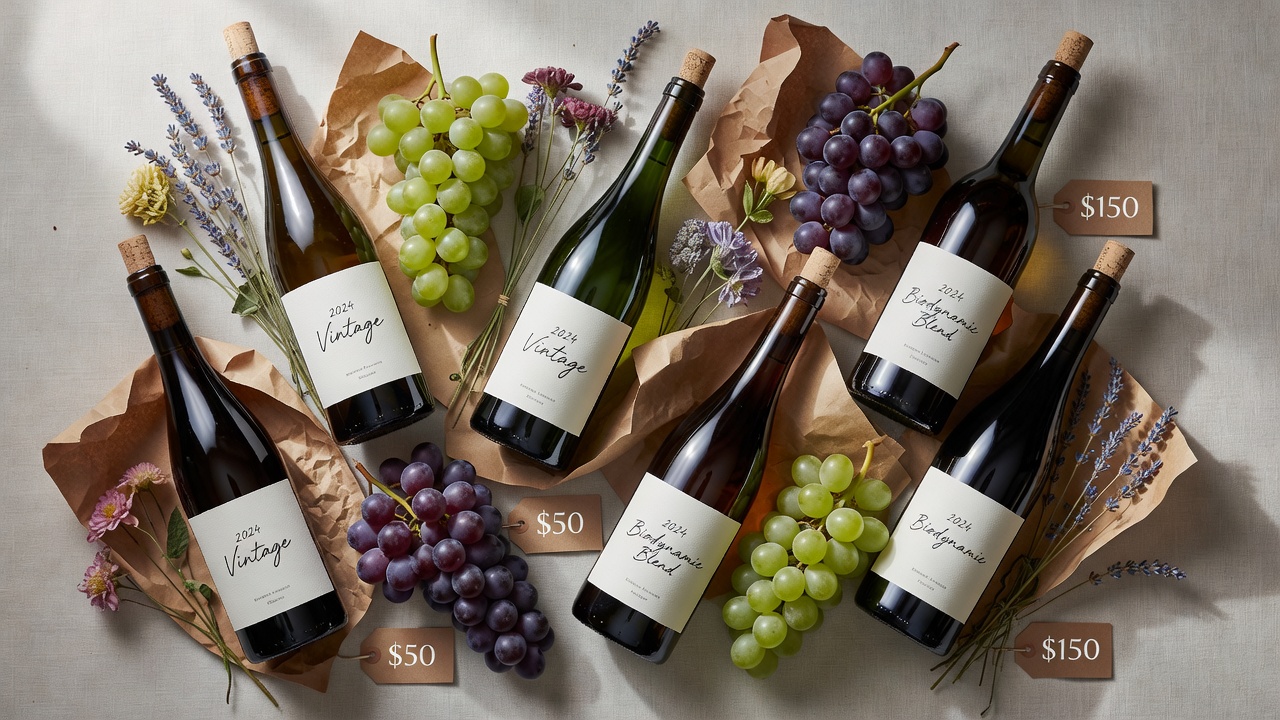
Natural wine has become a standout choice for thoughtful, sustainable gifts that appeal to eco-conscious recipients. These wines emphasize minimal intervention, organic farming, and biodynamic practices, delivering authentic flavors without additives. This guide covers options across budgets, helping you select the perfect bottle or set while highlighting quality and environmental responsibility. Whether the recipient is a casual sipper or a dedicated enthusiast, natural wine gifts stand out for their connection to the land and transparent production methods. In 2026, the movement continues to grow as more people seek alternatives to mass-produced wines that often rely on heavy chemical inputs and industrial processing.
Why Choose Natural, Organic, and Biodynamic Wines?
Natural wines stand apart from conventional options due to their production methods. Producers avoid synthetic chemicals, use native yeasts, and often forgo filtration. This results in vibrant, terroir-driven wines that reflect their origins. Gifting such bottles supports small-scale vineyards focused on biodiversity and soil health. Organic certification ensures no synthetic pesticides or fertilizers, while biodynamic approaches incorporate holistic practices like composting and lunar cycle timing. Low-intervention wines bridge the gap by minimizing additives even if not fully certified. These choices align with broader sustainability goals, reducing environmental footprints compared to conventional viticulture. For deeper insights into the movement, explore resources from Wine Magazine.
How to Identify Authentic Natural Wines
Look for labels mentioning no added sulfites, native yeast fermentation, or specific certifications such as Demeter for biodynamic or USDA Organic. Many producers include detailed back labels explaining their farming and winemaking philosophy. Avoid bottles with vague marketing terms; instead, research importers known for natural selections. This knowledge helps ensure your gift truly embodies the values of sustainability and quality that recipients expect in 2026.
Budget-Friendly Selections Under $50
Affordable natural wines deliver impressive value without compromising on character. Look for entry-level bottles from regions like Loire Valley or Sicily. These options suit casual drinkers and make excellent starter gifts for events. Consider crisp whites or light reds that pair well with everyday meals. Recipients appreciate the sustainability angle, knowing their gift supports regenerative agriculture. Styles such as pét-nat from France or skin-contact whites from Italy offer approachable entry points with bright acidity and subtle complexity. These wines often shine when served slightly chilled alongside simple appetizers like olives or fresh bread.
Mid-Range Picks from $50 to $150
At this level, explore more complex expressions from standout producers in Austria or California. Orange wines and pét-nats offer unique textures that surprise and delight. These selections balance accessibility with depth, ideal for wine enthusiasts seeking something distinctive yet approachable. Mid-range bottles frequently come from single-vineyard sites, showcasing how soil and climate influence flavor. They make thoughtful gifts for milestone celebrations or dinner parties where guests can discuss the wine's story.
Luxury Natural Wine Gifts
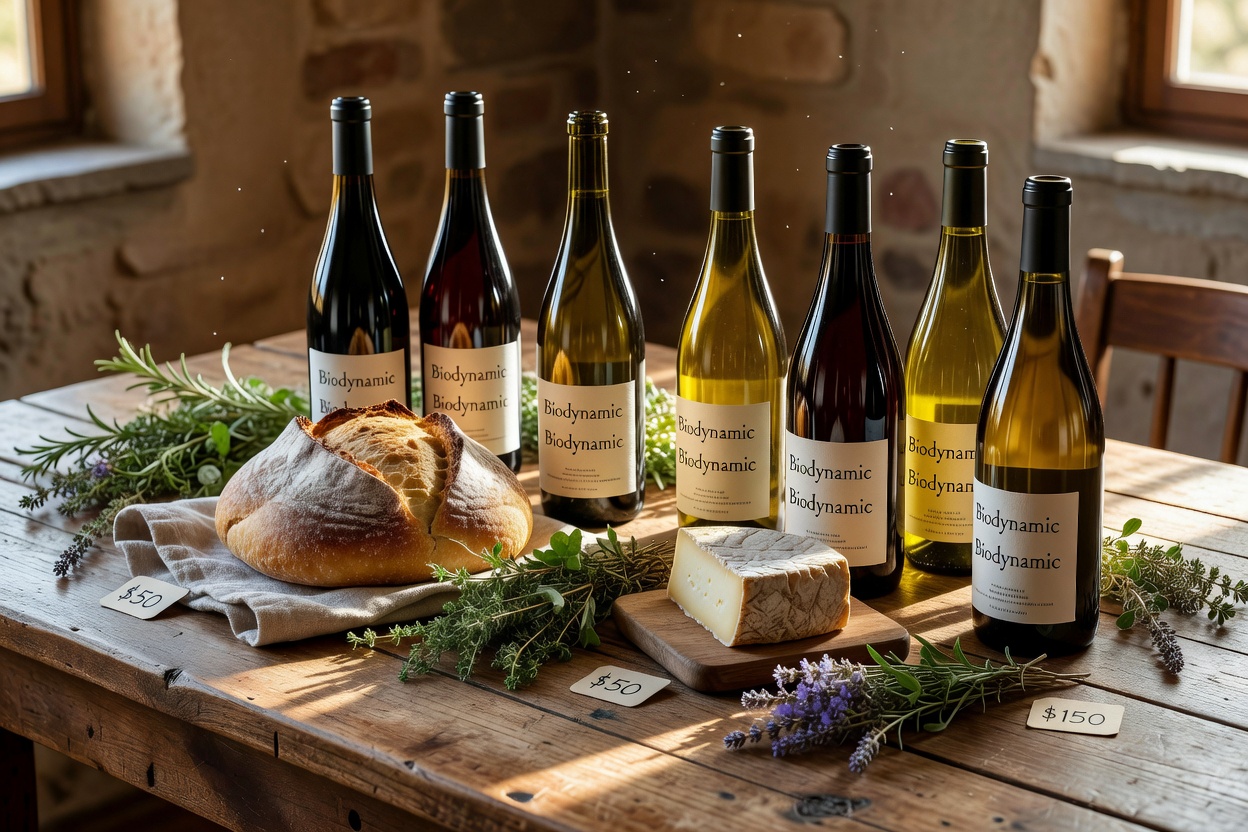
For premium gifting, select aged biodynamic cuvées or limited releases from renowned estates in Burgundy or Piedmont. These bottles showcase exceptional craftsmanship and age-worthiness, perfect for collectors or special occasions. Luxury sets often include multiple vintages for comparative tasting. Recipients can experience how natural wines evolve over time, developing layers of dried fruit, earth, and spice. Such gifts convey appreciation for craftsmanship and long-term environmental stewardship.
Pairing Accessories for Sustainable Gifting
Enhance any wine gift with eco-friendly accessories. Sustainable glassware made from recycled materials complements natural wines beautifully. Add items like beeswax wraps for storage or organic cotton totes. These additions reinforce the theme of low-impact living. Consider including a small journal for tasting notes or a set of natural cork coasters. Practical yet thoughtful, these extras turn a single bottle into a complete gifting experience that recipients can enjoy repeatedly.
Step-by-Step Gifting Tips for Events
- Assess the recipient's preferences by noting past favorites or dietary needs.
- Choose wines that travel well, opting for sturdy packaging to prevent breakage.
- Include tasting notes or a small card explaining the producer's story.
- Time delivery to avoid extreme temperatures during transit.
- Pair with complementary foods like artisanal cheeses for a complete experience.
- Verify local alcohol shipping laws in advance to avoid delays.
- Opt for reusable gift bags made from natural fibers to reduce waste.
Real-World Examples from Standout Producers
Producers like those in the Loire highlight chenin blanc with zero sulfur additions. In the Pacific Northwest, biodynamic pinot noirs demonstrate purity and elegance. Italian estates in Emilia-Romagna produce sparkling natural wines that capture the region's vibrant spirit. These examples illustrate how diverse styles can suit different palates while upholding natural principles. For regional spotlights, refer to Decanter. Many of these producers also participate in natural wine fairs, allowing enthusiasts to discover new favorites directly from the source.
Comparisons of Wine Styles
- Natural whites versus reds: Whites often show brighter acidity, suiting seafood pairings, while reds offer earthier notes for meats.
- Biodynamic versus organic: Biodynamic incorporates lunar cycles and holistic farming, adding a philosophical layer beyond organic certification.
- Low-intervention pét-nats compared to still wines: Sparkling options bring celebratory fizz with minimal processing.
- Skin-contact versus classic whites: Skin-contact versions develop deeper color and tannin, creating versatile food-pairing options.
Sustainability Benefits of Natural Wine Gifts
Choosing natural wines supports farming practices that improve soil health, encourage beneficial insects, and reduce water usage. Vineyards practicing these methods often serve as habitats for local wildlife. Gifting them spreads awareness about regenerative agriculture, potentially inspiring recipients to explore similar choices in their own lives. Over time, this can contribute to broader environmental improvements in wine regions worldwide.
Common Mistakes to Avoid When Gifting Natural Wine
One frequent error is selecting wines without checking for added sulfites if the recipient has sensitivities. Another is ignoring temperature control during shipping, which can damage delicate natural wines. Always research producer reputations rather than relying solely on attractive labels. Finally, avoid overcomplicating pairings; simple, high-quality accompaniments often let the wine shine.
Short FAQ Section
How do shipping regulations affect natural wine gifts?
Many regions restrict alcohol shipments. Check carrier policies and use licensed services to ensure compliance and safe arrival.
What about storage during transit?
Insulated packaging and expedited shipping protect wines from heat or cold. Avoid leaving packages outdoors upon delivery.
Are natural wines suitable for all occasions?
Yes, their versatility spans casual gatherings to formal dinners, especially when matched thoughtfully to the event's theme.
Can natural wines be aged like conventional bottles?
Many can, especially those with balanced acidity and structure, though results vary by producer and style.
Do all natural wines taste the same?
No, they range widely from crisp and fruity to funky and earthy depending on grape, region, and winemaking choices.
Conclusion
Selecting a natural wine gift in 2026 combines enjoyment with positive impact. From budget picks to luxury expressions, these options celebrate quality, sustainability, and thoughtful curation. Use this guide to create memorable presents that recipients will savor and remember. With careful selection and presentation, your gift can spark conversations about responsible winemaking for years to come.
No comments yet. Be the first!