 Uncorked Conversations
Introduction: The New Era of Natural Wine Meets Artificial Intelligence
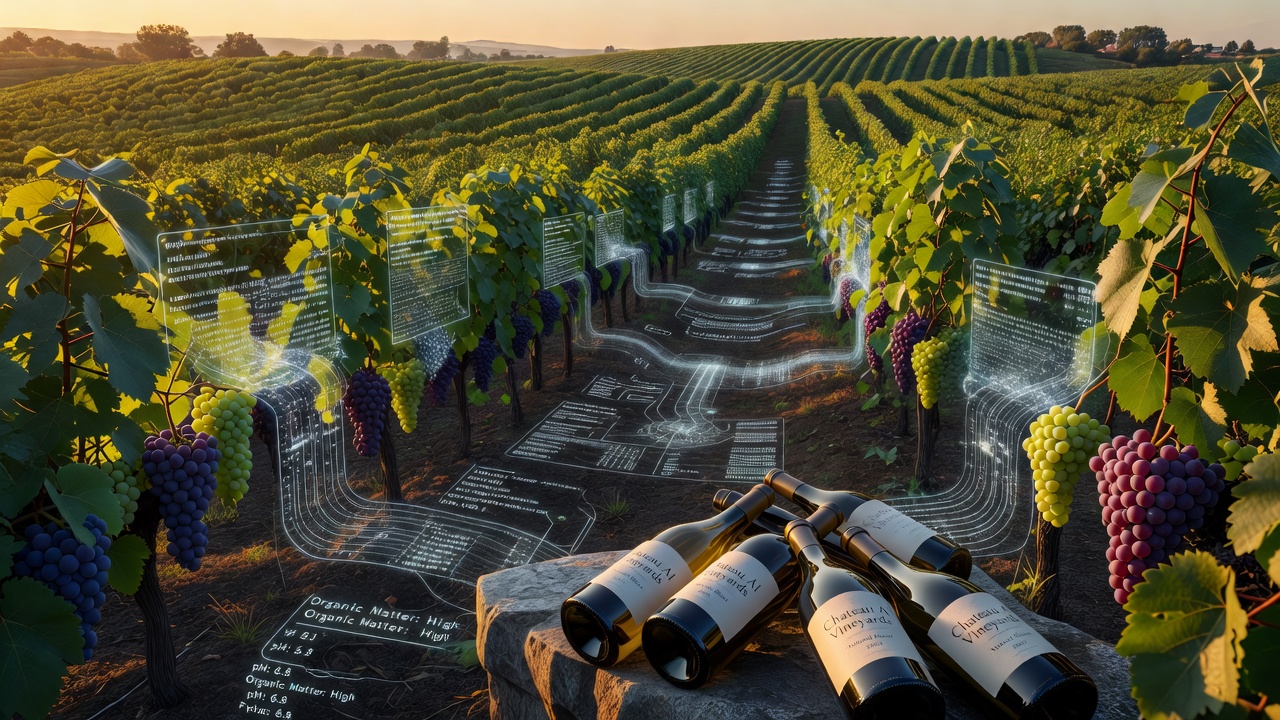
Natural wine, along with its close relatives organic wine, biodynamic wine, and low-intervention wine, has long appealed to consumers seeking authenticity and minimal processing. In 2026, artificial intelligence is accelerating this movement by enhancing both how wines are discovered and how they are produced. From sophisticated recommendation engines that analyze personal taste profiles to vineyard sensors that enable precise low-intervention practices, AI is bridging the gap between tradition and technology. This integration allows producers to maintain the integrity of their methods while reaching wider audiences who value transparency and quality. The result is a more dynamic marketplace where consumers can navigate the complexities of natural wine with greater confidence and precision.
This article examines the integration of AI across the natural wine sector, offering practical examples, step-by-step explanations, and comparisons that help readers make informed choices. By exploring real-world applications, we see how technology supports rather than supplants the artisanal nature of these wines.
AI-Powered Recommendation Tools for Personalized Wine Discovery
Traditional wine selection often relies on sommelier advice or generic reviews. AI changes this by processing vast datasets including flavor compounds, consumer feedback, and even biometric data from wearables. Platforms now match natural wines to individual preferences with remarkable accuracy. Machine learning models can identify subtle patterns in aroma profiles, acidity levels, and tannin structures that align with user histories, making suggestions that feel intuitively right.
Step-by-step, these tools work as follows: first, users input taste preferences or upload photos of past favorite bottles; second, machine learning models analyze chemical profiles from laboratory data; third, the system cross-references biodynamic and low-intervention certifications; finally, it delivers tailored suggestions with confidence scores. Users can then refine results by specifying preferences for regions, vintages, or specific producers known for minimal intervention techniques.
Real-world examples include innovative wineries in Oregon and Burgundy that partner with AI startups to refine their direct-to-consumer offerings. These partnerships have led to higher customer retention as buyers feel understood rather than overwhelmed by options. For instance, a small Oregon producer uses an AI platform to suggest pairings based on past purchases, resulting in repeat orders that highlight unique low-intervention expressions from their estate.
Precision Viticulture: Vineyard Sensors and Low-Intervention Practices
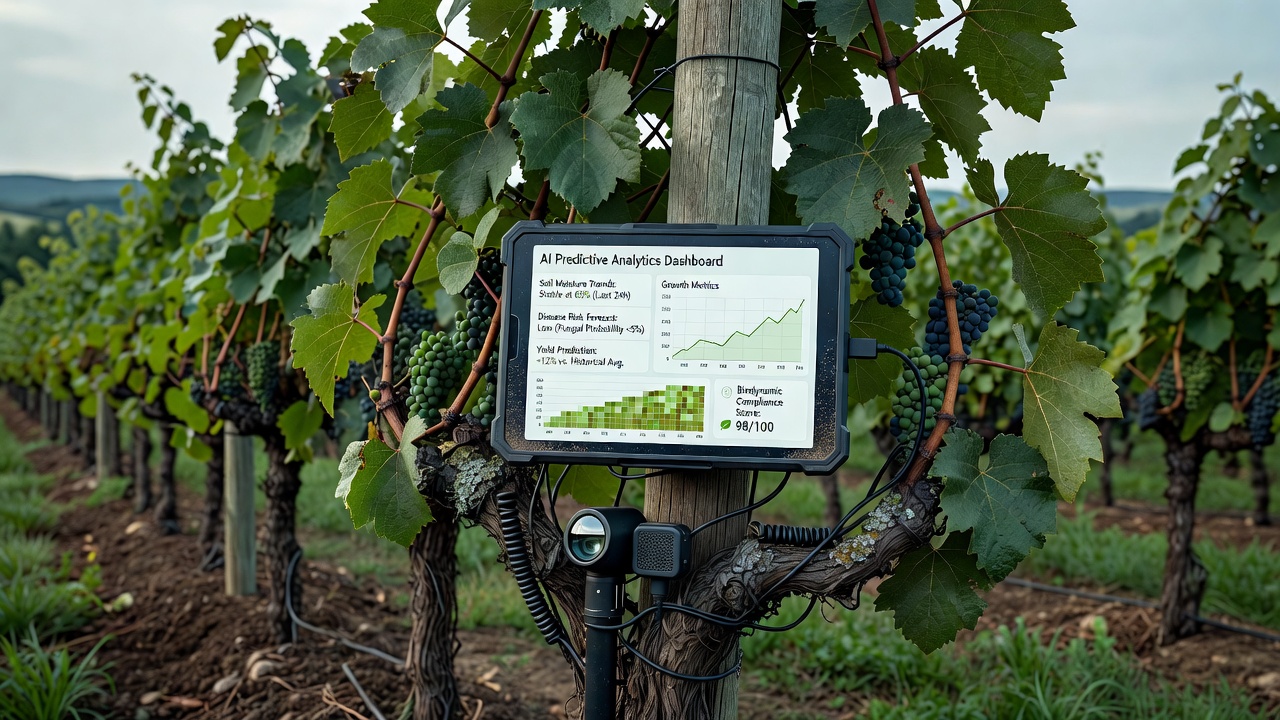
Production optimization is another area where AI shines. Sensors placed throughout vineyards collect real-time data on soil moisture, temperature, and vine health. Predictive algorithms then recommend minimal interventions, preserving the natural character that defines these wines. This technology helps maintain the delicate balance required for organic and biodynamic certification by flagging issues before they escalate.
For instance, a biodynamic winery might use AI to predict pest outbreaks days in advance, allowing targeted natural remedies instead of broad sprays. This approach aligns perfectly with organic and low-intervention philosophies, reducing unnecessary human impact while ensuring vine vitality. Sensors also monitor microclimates within a single vineyard block, enabling tailored responses that respect the unique terroir of each parcel.
Comparison: Traditional vs Tech-Enhanced Methods
- Traditional monitoring relies on manual inspections and seasonal calendars, which can miss micro-variations in soil or weather that affect grape development.
- AI-enhanced methods provide continuous data streams, enabling decisions based on current conditions rather than averages from previous years.
- Result: fewer resources used and wines that better express terroir while maintaining consistency across vintages, all without compromising the hands-off ethos of natural wine production.
- Another key difference lies in scalability; traditional methods work well for tiny plots but become labor-intensive at larger scales, whereas AI tools help artisanal producers manage growth sustainably.
Predictive Analytics for 2026 Market Trends
Market forecasters are leveraging AI to anticipate shifts in consumer demand for natural wine. By analyzing social media sentiment, import data, and climate variables, models project which regions and styles will gain traction. Producers use these insights to adjust planting and labeling strategies proactively, ensuring they meet evolving tastes without deviating from low-intervention principles.
One notable application involves forecasting the impact of weather patterns on organic yields, helping wineries maintain supply without compromising low-intervention standards. International Organisation of Vine and Wine provides foundational data that many of these AI systems incorporate. Additionally, tools can simulate various market scenarios to help smaller estates plan harvests that align with expected demand for biodynamic expressions.
Practical Tips for Consumers Embracing AI Wine Tools
- Start with apps that allow detailed preference profiles rather than quick quizzes, as deeper inputs lead to more accurate matches over multiple uses.
- Look for platforms that disclose data sources and respect privacy settings, ensuring your tasting history remains secure and is not shared without consent.
- Combine AI suggestions with in-person tastings at natural wine bars to validate recommendations and develop a personal understanding of flavor nuances.
- Track your own feedback in the app to improve future matches over time, creating a personalized database that evolves with your palate.
- Experiment with filters for specific certifications like biodynamic or organic to narrow results while still exploring new producers through AI-curated lists.
Potential Challenges and Ethical Considerations
While promising, AI adoption raises questions around data privacy and accessibility. Smaller producers may lack resources to implement advanced systems, potentially widening the gap between large and artisanal operations. Consumers should also consider how their personal taste data is stored and used, particularly when biometric inputs are involved. Ethical deployment requires transparent algorithms so users understand why certain wines are recommended, avoiding black-box decisions that could overlook niche natural wine options.
FAQ: Data Privacy and Accessibility in AI Wine Selection
How is my personal data protected when using AI wine apps?
Reputable platforms follow strict regulations and offer transparent privacy policies. Always review permissions before uploading sensitive information, and opt for services with clear opt-out options for data sharing.
Are AI tools accessible to small natural wine producers?
Cloud-based solutions are lowering barriers, though adoption varies. Some cooperatives share AI resources to help independent growers integrate sensors and analytics without high upfront costs.
Can AI replace human expertise in natural wine?
AI augments rather than replaces expertise. Sommeliers and winemakers remain essential for interpreting nuanced results and maintaining the artisanal soul of these wines, ensuring technology serves tradition.
What happens if AI recommendations miss the mark on natural wine flavors?
Users can provide feedback to retrain models, and most platforms allow manual overrides or alternative suggestions from community reviews to refine the experience iteratively.
Conclusion
AI is not erasing the soul of natural wine but amplifying its reach and precision. By combining sophisticated recommendation engines, smart vineyard technology, and forward-looking analytics, the sector is poised for thoughtful growth in 2026 and beyond. Whether you are a casual explorer or a dedicated enthusiast, understanding these tools empowers better choices that honor both tradition and innovation. Continued collaboration between technologists and producers will ensure these advancements enhance the purity and appeal of natural, organic, biodynamic, and low-intervention wines for years to come. Wine Magazine continues to cover emerging tech developments in this space.
No comments yet. Be the first!