 Uncorked Conversations
Introduction to 2027 Natural Wine Trends
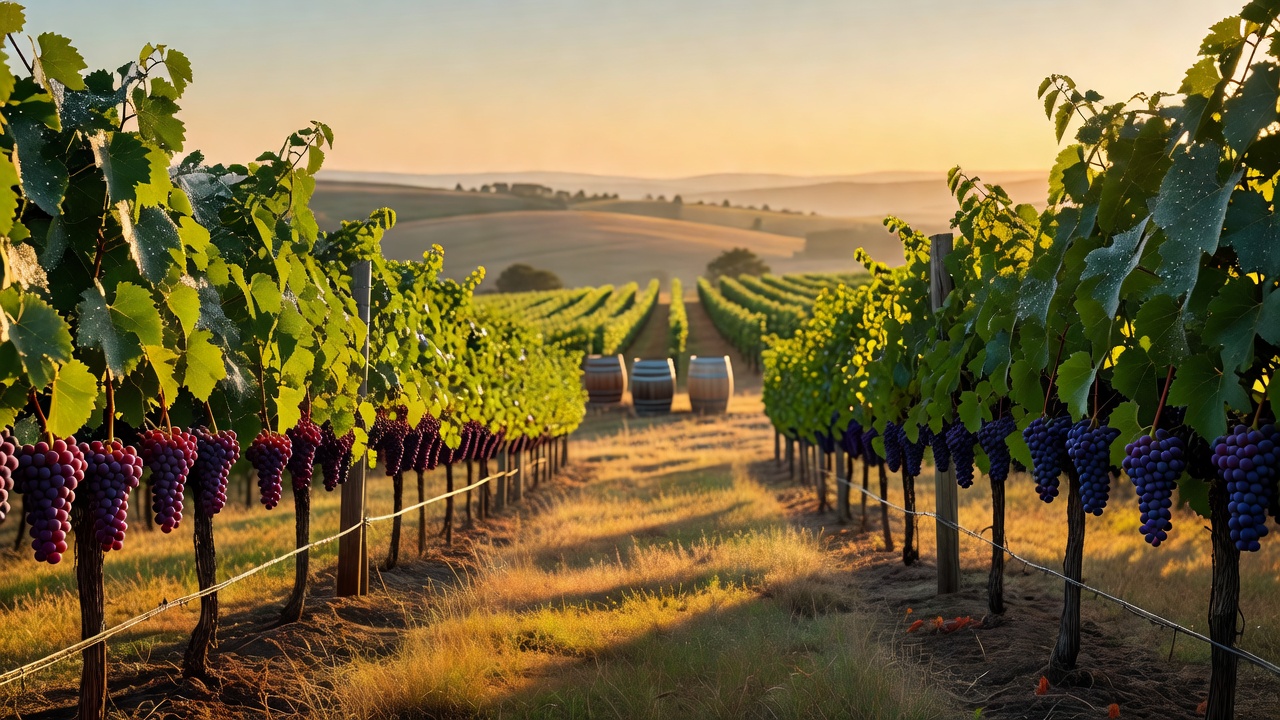
As the natural wine movement matures beyond 2026, enthusiasts and producers alike are turning their attention to forward-looking developments. This article delves into expert predictions for natural wine, organic wine, biodynamic wine, and low-intervention wine, highlighting production innovations, growing demands for transparency, and regulatory changes. These insights cater to proactive wine lovers seeking deeper understanding rather than basic overviews. Natural wine has evolved from a niche rebellion against industrial practices into a mainstream category, yet challenges remain around consistency, scalability, and global adoption. Experts forecast that by 2027, the focus will shift toward measurable environmental impacts and consumer education, ensuring that low-intervention methods align with modern expectations without sacrificing authenticity.
Sustainability Advancements in Vineyards
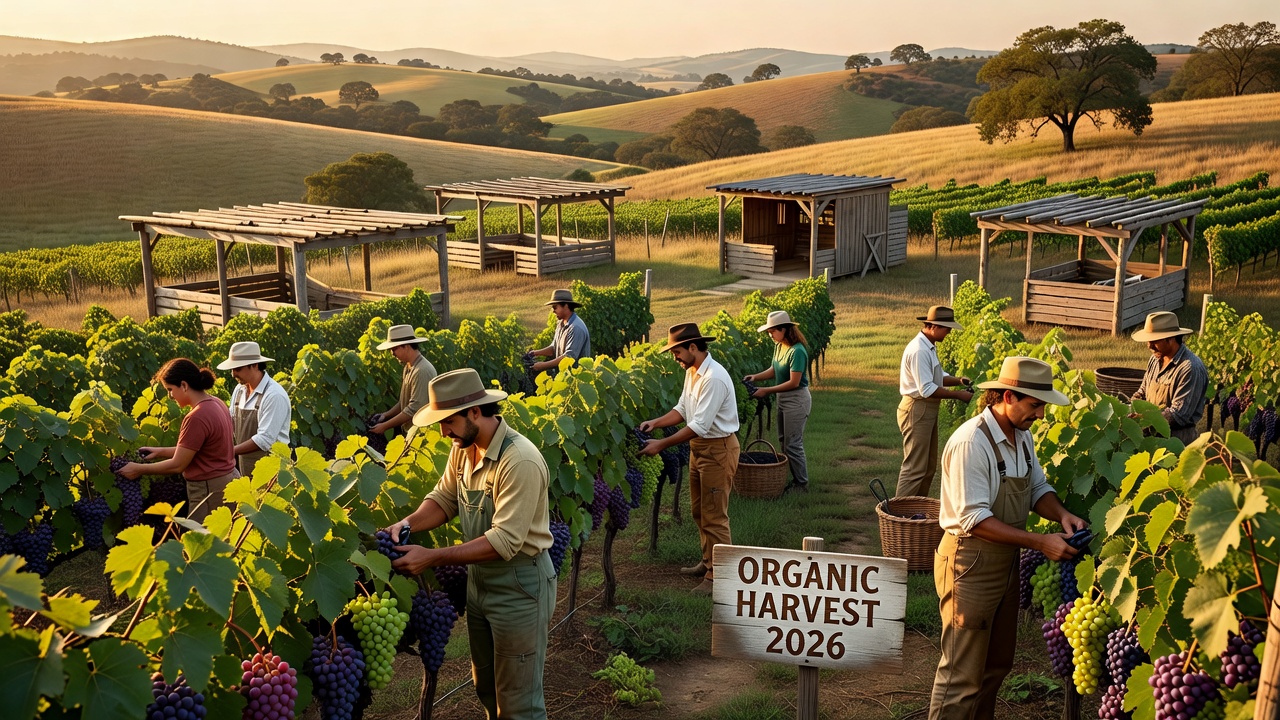
Leading experts anticipate major strides in regenerative agriculture practices that go beyond current organic standards. Producers will increasingly adopt cover cropping and biodiversity corridors to enhance soil health while reducing water usage. Real-world examples include estates in France's Loire Valley experimenting with agroforestry techniques to combat climate variability, where interplanted trees provide natural shade and pest control. In California, vineyards are integrating native wildflower strips to support pollinators, directly improving grape resilience. Practical steps for vintners include conducting annual soil microbiome tests and transitioning to compost teas derived from winery waste. Compared to today's practices, future sustainability will emphasize carbon sequestration metrics, with vineyards tracking emissions more rigorously through standardized tools. This approach not only mitigates climate risks but also enhances flavor complexity in the resulting wines, as healthier soils yield more expressive fruit.
Technology Integration in Natural Winemaking
Technology is set to play a pivotal role without compromising low-intervention principles. Precision sensors and AI-driven monitoring will help vintners optimize fermentation in real time, predicting flavor profiles based on grape data. 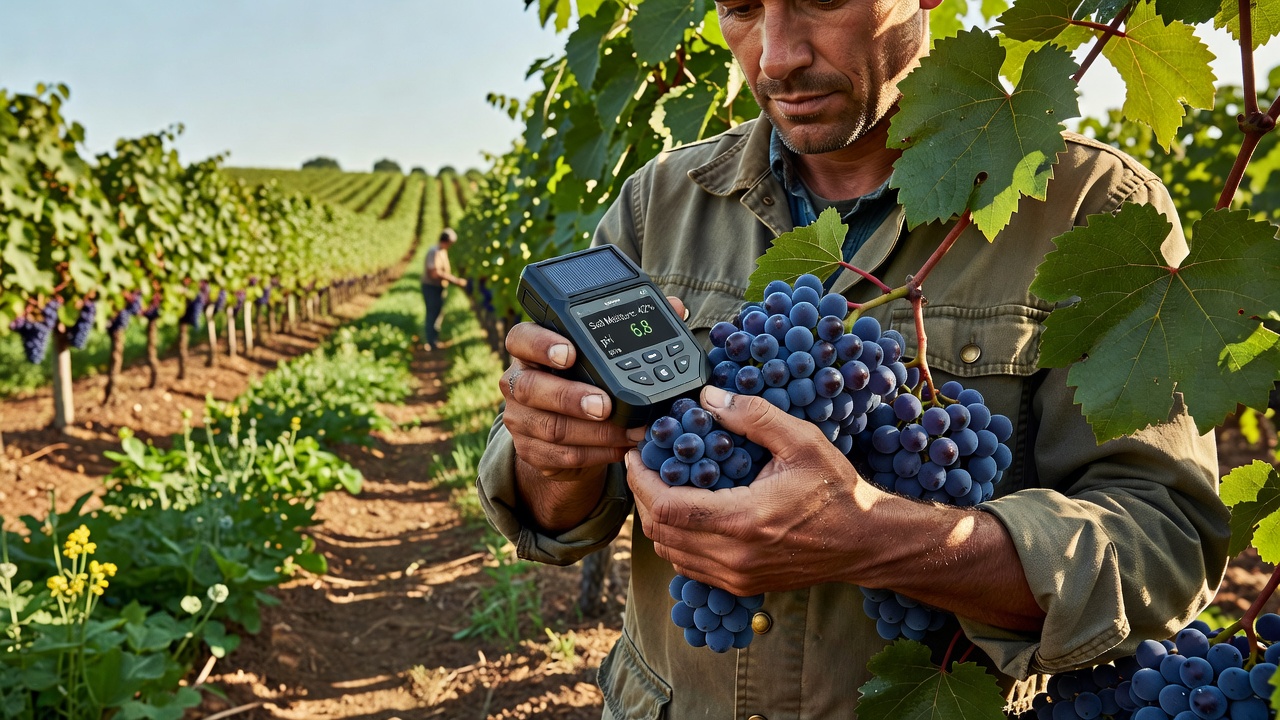
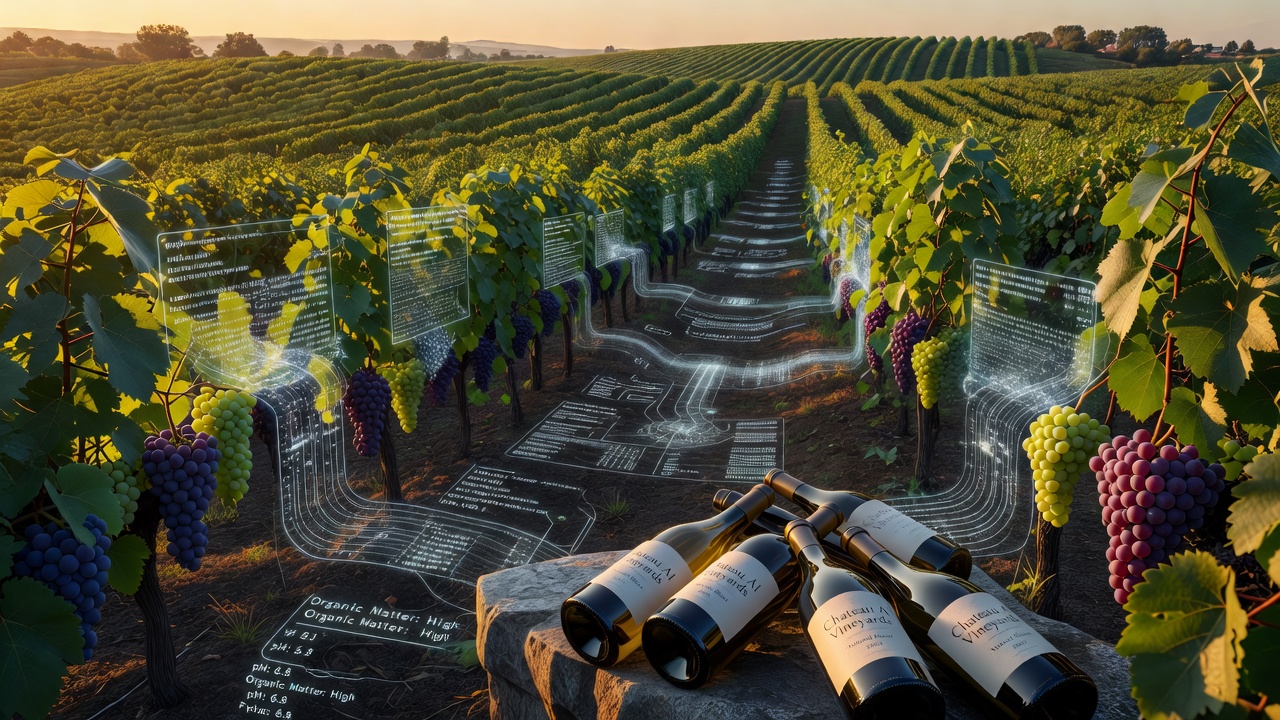
Drone mapping for biodynamic plots and blockchain for supply chain transparency are expected to become mainstream by 2027, allowing consumers to verify every step from vine to bottle. For example, small producers in Oregon are piloting apps that log daily vineyard observations, cross-referenced with weather APIs to forecast disease pressure. This integration supports decisions like minimal copper spraying only when truly necessary. However, experts caution against over-reliance on tech, stressing that it must augment rather than replace human intuition honed over generations. The result is wines that maintain their unique terroir while achieving greater consistency across vintages.
Consumer Shifts Toward Transparency
Buyers will demand more detailed labeling, including full ingredient lists and production methods. This shift stems from heightened awareness of additives in conventional wines. Surveys indicate growing preference for wines with verifiable natural credentials, pushing brands to adopt QR codes linking to detailed farm reports. Key trends include:
- Emphasis on single-vineyard sourcing to highlight unique microclimates
- Increased interest in zero-sulfur options for those sensitive to preservatives
- Preference for small-batch, traceable producers who share harvest videos and soil analyses
- Demand for education on biodynamic preparations like horn manure
These changes empower enthusiasts to make informed choices, fostering loyalty to brands that prioritize openness.
Evolving Regulations and Market Entries
Regulatory bodies are likely to introduce clearer definitions for "natural wine" across the EU and beyond, reducing greenwashing. New markets in Asia and Latin America will see entries from established natural wine regions, with producers adapting styles to local palates. The International Organisation of Vine and Wine continues to influence global standards by promoting research on sustainable viticulture. In emerging markets like Japan and Brazil, importers are focusing on low-alcohol natural options suited to warmer climates. This expansion requires careful navigation of import tariffs and labeling laws, yet it opens opportunities for cultural exchange in winemaking traditions.
Predicted vs Current Practices Comparison
Current natural wine production often relies on manual processes and minimal tech. By 2027, integration of sustainable tech will bridge gaps, making consistent quality more achievable while preserving authenticity. For instance, today's spontaneous ferments may evolve with data-assisted monitoring for reliability without additives. A side-by-side view shows that while current practices excel in artisanal character, future methods will incorporate predictive analytics for harvest timing, reducing crop loss from unexpected weather. Producers must avoid the mistake of adopting technology that alters the wine's soul, such as automated filtration systems that strip character.
Real-World Examples from Leading Producers
Producers like those in Italy's Piedmont region and California's natural wine pioneers are already testing predictive models for harvest timing. In Piedmont, families with centuries-old Nebbiolo vines use satellite imagery to monitor canopy density, ensuring optimal ripeness for elegant expressions. California examples include collaborative projects where multiple estates share data on cover crop efficacy, leading to region-wide improvements. These cases demonstrate scalable innovation that respects natural principles, offering blueprints for smaller operations worldwide.
Mistakes to Avoid in Preparing for 2027 Trends
Enthusiasts and professionals should steer clear of several pitfalls. First, do not equate all low-intervention wines with quality; rigorous tasting remains essential. Second, avoid ignoring regional regulations when importing future vintages. Third, resist the urge to chase trends without understanding foundational biodynamic rhythms. Finally, overlooking consumer education can limit market reach, as transparency builds trust over time.
FAQ on Future Accessibility and Quality
Will natural wines become more affordable by 2027?
Experts predict improved accessibility through scaled sustainable practices, though premium quality will remain a hallmark of small producers.
How will quality be maintained amid innovations?
Quality will benefit from better tools that support rather than replace traditional methods, ensuring flavor integrity and consistency.
Are regulations expected to affect availability?
Clearer rules may boost consumer confidence and market growth without restricting authentic producers.
What role will technology play in accessibility?
Digital tools like blockchain will make provenance easier to verify, potentially lowering barriers for new entrants while educating buyers.
Can biodynamic principles scale globally?
Yes, with adaptations for local climates, as seen in successful trials across diverse regions.
Conclusion
The landscape for natural wine in 2027 promises exciting evolution grounded in sustainability and transparency. Enthusiasts can prepare by exploring current trends from authoritative sources like the Wine Magazine and the Jancis Robinson platform to stay ahead of the curve.
No comments yet. Be the first!