 Uncorked Conversations
Introduction: The Growing Impact of Natural Wine on Rural Economies
In 2026, natural wine—produced with minimal intervention, organic farming, and biodynamic principles—is emerging as a powerful catalyst for rural revitalization. Unlike conventional wine production, which often relies on chemical inputs and industrial supply chains, natural approaches foster local ecosystems, create sustainable jobs, and attract conscious consumers. This case study-style guide examines success stories, economic data, supply chain effects, tourism boosts, and actionable ways to support these communities. Rural areas facing depopulation and economic stagnation are finding new life through vineyards that prioritize soil health, biodiversity, and community involvement. The ripple effects extend far beyond the bottle, influencing everything from local employment to global perceptions of sustainable agriculture.
Communities worldwide are witnessing how low-intervention winemaking strengthens social bonds while delivering measurable benefits. From small French villages to Italian hill towns and emerging regions in the Americas, the shift toward natural methods is reshaping local landscapes for the better. This article draws on 2026 observations to illustrate how these practices translate into tangible community growth.
Economic Benefits and Job Creation Through Sustainable Practices
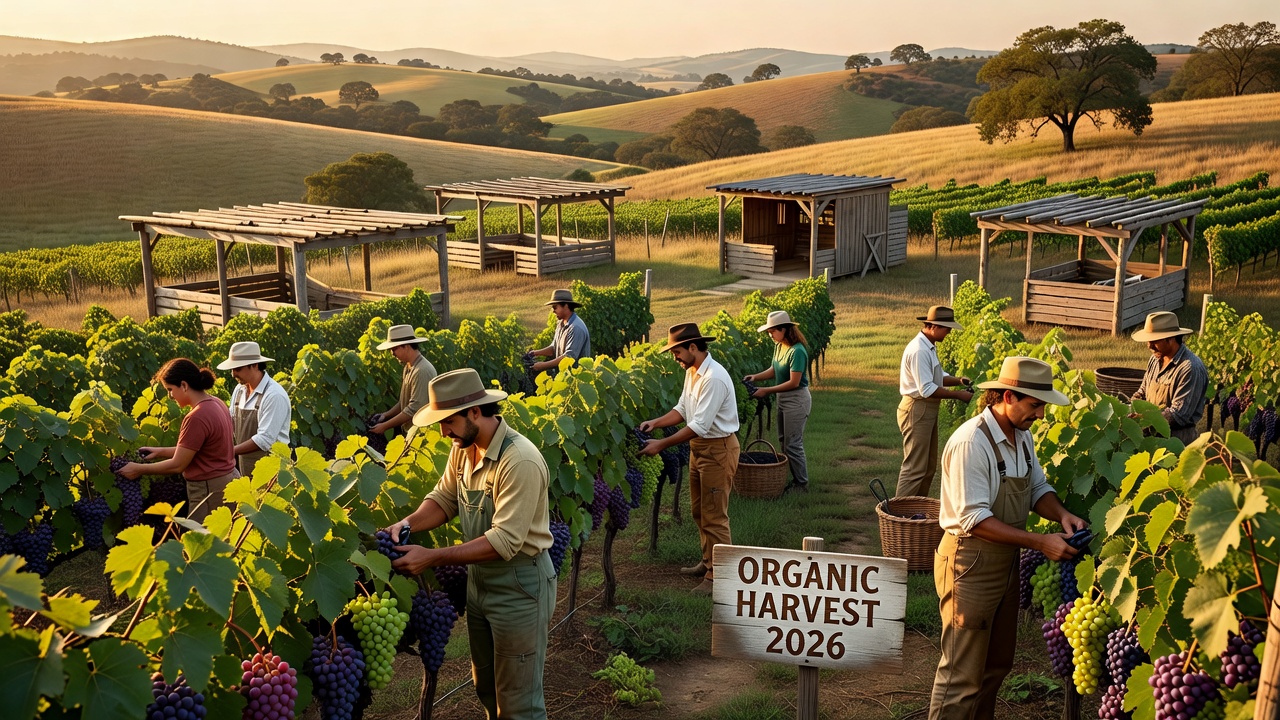
Natural wineries prioritize hand-harvesting, cover crops, and on-site composting, which require more labor than mechanized conventional operations. This leads to year-round employment in rural areas where opportunities are often scarce. In regions adopting these methods, wineries report increased hiring in viticulture, hospitality, and distribution roles. For instance, the emphasis on manual pruning and natural pest management creates skilled positions that retain young workers who might otherwise migrate to cities.
Comparisons highlight stark differences: conventional vineyards may outsource to large suppliers, draining money from local economies, while natural producers source grapes, bottles, and labels nearby. This localized model circulates revenue within the community, supporting ancillary businesses like bakeries, equipment repair shops, and transport services. In 2026, several European regions documented higher tax bases and improved infrastructure directly linked to expanded natural wine operations.
Success Stories from Wineries Around the World
Consider a biodynamic estate in Burgundy, France, that transitioned fully to natural practices by 2024. By 2026, it had partnered with nearby farms for biodiversity initiatives, creating 25 new positions in vineyard management and eco-tourism. The estate now hosts educational programs that train locals in regenerative techniques, leading to spin-off businesses such as seed-saving cooperatives.
Similarly, an organic winery in Tuscany, Italy, launched community workshops on regenerative agriculture, boosting local incomes through shared knowledge and collaborative harvests. In California’s rural foothills, a low-intervention producer has integrated solar-powered facilities and native plant restoration, resulting in expanded roles for seasonal workers and a notable rise in community-sourced materials. Another standout example comes from the Western Cape of South Africa, where a natural wine collective established in 2023 now employs over 40 residents in roles ranging from fermentation monitoring to direct-to-consumer shipping, transforming a once-struggling township into a hub of economic activity. These examples demonstrate how ethical production scales economic resilience without compromising quality.
Supply Chain Impacts and Local Sourcing Advantages
Natural wine supply chains emphasize short distances and transparency. Producers often work with independent growers using no synthetic pesticides, reducing transportation emissions and supporting regional biodiversity. This approach contrasts with conventional models reliant on global chemical and packaging conglomerates. Key advantages include stronger farmer-winery relationships and reduced vulnerability to international market fluctuations. Rural suppliers benefit from steady demand for organic inputs, while consumers gain assurance of traceable, ethical origins.
Practical steps for wineries include mapping local suppliers for everything from yeast cultures to cork alternatives and forming cooperatives to negotiate better terms. In 2026, supply chain audits in natural wine regions showed decreased reliance on imported fertilizers and a corresponding increase in on-farm nutrient cycling.
Tourism Boosts from Natural Wine Destinations
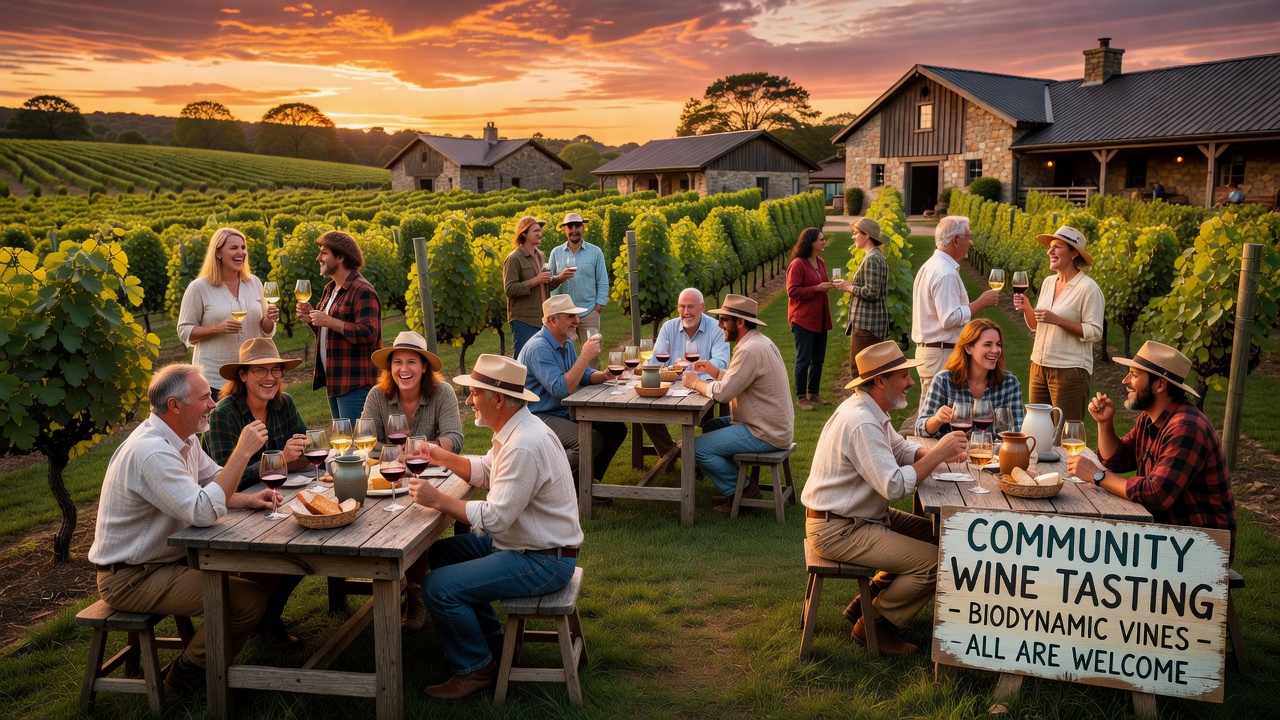
Visitors flock to natural wine regions for immersive experiences like vineyard walks, fermentation tastings, and farm-to-table pairings. In 2026, destinations emphasizing sustainability see higher repeat visitation and longer stays compared to conventional wine trails. These tourists spend on local lodging, restaurants, and artisanal goods, multiplying economic effects. Partnerships between wineries and tourism boards have amplified this trend, turning quiet villages into vibrant hubs of cultural exchange. Communities that invest in signage, guided tours, and seasonal festivals report measurable increases in overnight stays and ancillary revenue streams.
Comparisons: Natural vs Conventional Wine Production
Conventional production often prioritizes yield and consistency through additives and automation, sometimes leading to soil degradation and fewer local jobs. Natural methods, by contrast, enhance soil health over time and demand skilled, on-site labor. Consider these key differences:
- Environmental footprint: Natural wines typically use significantly less water and eliminate synthetic chemicals entirely.
- Community retention: Higher retention rates of young workers due to meaningful employment and skill development opportunities.
- Market resilience: Premium positioning attracts loyal buyers willing to support authenticity and transparency.
- Long-term costs: While initial transitions may require investment in training, natural operations often see lower input expenses within three to five years.
Decision-makers evaluating vineyard models should weigh these factors carefully, noting that natural approaches align better with emerging consumer preferences for ethical sourcing.
Practical Ways Consumers Can Support These Communities
Shoppers can make a direct impact by choosing bottles from verified natural producers. Seek certifications like Demeter for biodynamics or organic labels from trusted bodies. Visit wineries directly when possible, or purchase through retailers highlighting provenance. Other steps include:
- Joining wine clubs that emphasize small producers and provide transparent origin stories.
- Attending natural wine fairs and festivals to connect directly with makers.
- Advocating for policies that fund rural sustainable agriculture through local government channels.
- Sharing verified stories on social media to raise awareness and drive demand.
- Participating in volunteer harvest programs that combine tourism with hands-on support.
These actions create a virtuous cycle where consumer choices reinforce community investments.
Short FAQ on Ethical Purchasing
What defines natural wine?
Natural wine uses grapes grown without synthetic chemicals, fermented with native yeasts, and bottled with minimal or no additives, resulting in a product that reflects the unique terroir of its origin.
How does buying natural wine help rural areas?
It supports local jobs, keeps supply chains regional, and funds environmental stewardship that benefits entire communities through improved land use and economic circulation.
Are there reliable resources for finding ethical producers?
Yes, organizations like the International Organisation of Vine and Wine and the Food and Agriculture Organization provide guidelines on sustainable viticulture and producer directories.
What should I look for on labels?
Check for organic or biodynamic seals, producer transparency statements, and origin details indicating small-scale, local operations.
How can travelers maximize their positive impact?
Opt for stays at winery-affiliated accommodations, dine at restaurants sourcing from local vineyards, and purchase directly from producers rather than through large distributors.
Future Outlook and Challenges in 2026
While momentum builds, challenges such as climate variability and certification costs persist. Forward-thinking communities are addressing these through collective insurance schemes and shared equipment pools. Looking ahead, continued growth in natural wine is expected to further embed these practices into rural development strategies worldwide.
Conclusion: A Sustainable Future Rooted in Natural Wine
As 2026 unfolds, natural wine stands as more than a beverage trend—it is a vehicle for meaningful rural development. By embracing these practices, communities gain economic stability, environmental health, and cultural vibrancy. Consumers hold the power to amplify these benefits through informed choices, ensuring that the growth continues for years ahead. The evidence from diverse regions underscores that supporting natural wine is an investment in resilient, thriving local economies.
No comments yet. Be the first!