 Uncorked Conversations
Understanding Natural Wines in 2026
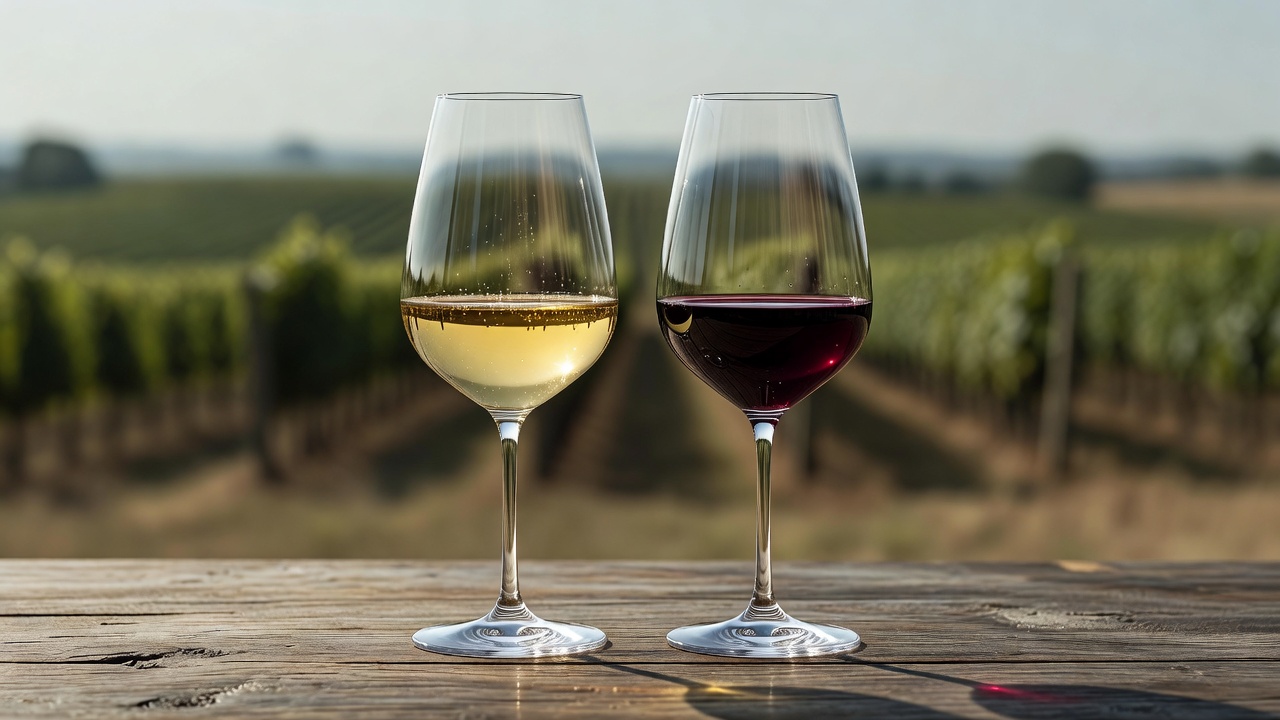
Natural wines emphasize minimal intervention, allowing grapes and terroir to shine without heavy additives or manipulation. This approach spans organic, biodynamic, and low-intervention practices, creating vibrant expressions that differ sharply between Old World Europe and New World regions. In 2026, consumers seek wines that reflect authentic origins while aligning with sustainability goals, leading to increased interest in transparent production methods across both hemispheres.
Terroir and Grape Varieties in Europe
European natural winemakers prioritize indigenous varieties that reflect centuries of tradition. In France, producers in the Loire Valley often work with Chenin Blanc and Cabernet Franc grown on limestone and schist soils that impart distinctive minerality. Italian estates in Piedmont focus on Nebbiolo and Barbera, where volcanic and clay soils contribute to structured tannins and complex aromatics. These grapes thrive under strict appellation rules that protect regional identity. Additional examples include Spain's Priorat region with Garnacha and Carignan on steep slate terraces, yielding concentrated yet elegant natural reds. Terroir influences extend to climate variations, where cooler European sites preserve acidity and promote slower ripening for nuanced flavor development.
Innovations in the New World
California and Australia embrace experimentation with both classic and lesser-known varieties. Sonoma wineries explore Pinot Noir and Chardonnay alongside emerging grapes like Vermentino suited to coastal fog and varied microclimates. Barossa Valley producers highlight Shiraz and Grenache on ancient soils that deliver rich fruit depth. New World approaches often incorporate native yeasts and amphora aging to enhance fruit purity while adapting to diverse climates including drought-resistant rootstocks and regenerative farming techniques. These innovations allow for greater stylistic freedom compared to Europe's more regulated environments.
International Organisation of Vine and Wine provides global standards that influence both regions.
Fermentation and Winemaking Methods
Europe tends toward whole-cluster fermentation and extended skin contact in neutral vessels such as large oak foudres or concrete tanks for structured results with integrated tannins. New World producers frequently use carbonic maceration and concrete eggs to produce juicy, aromatic profiles with brighter fruit expression. Both regions avoid fining and filtration to preserve natural character, though some incorporate gentle pressing techniques and temperature-controlled ferments to manage volatile acidity. Practical details include timing of racking, use of indigenous yeast strains, and decisions around sulfur additions kept to bare minimums for stability during transport and aging.
Regulatory Standards Across Regions
European regulations enforce protected designations and limit additives more rigorously through bodies like the EU's organic certification framework. New World areas rely on voluntary certifications for organic and biodynamic practices, offering greater flexibility in labeling and production techniques. This allows California and Australian makers to experiment with methods like extended lees aging or co-fermentation while still meeting consumer expectations for transparency. Understanding these standards helps buyers distinguish certified natural wines from those using conventional shortcuts.
Side-by-Side Taste Profile Comparisons
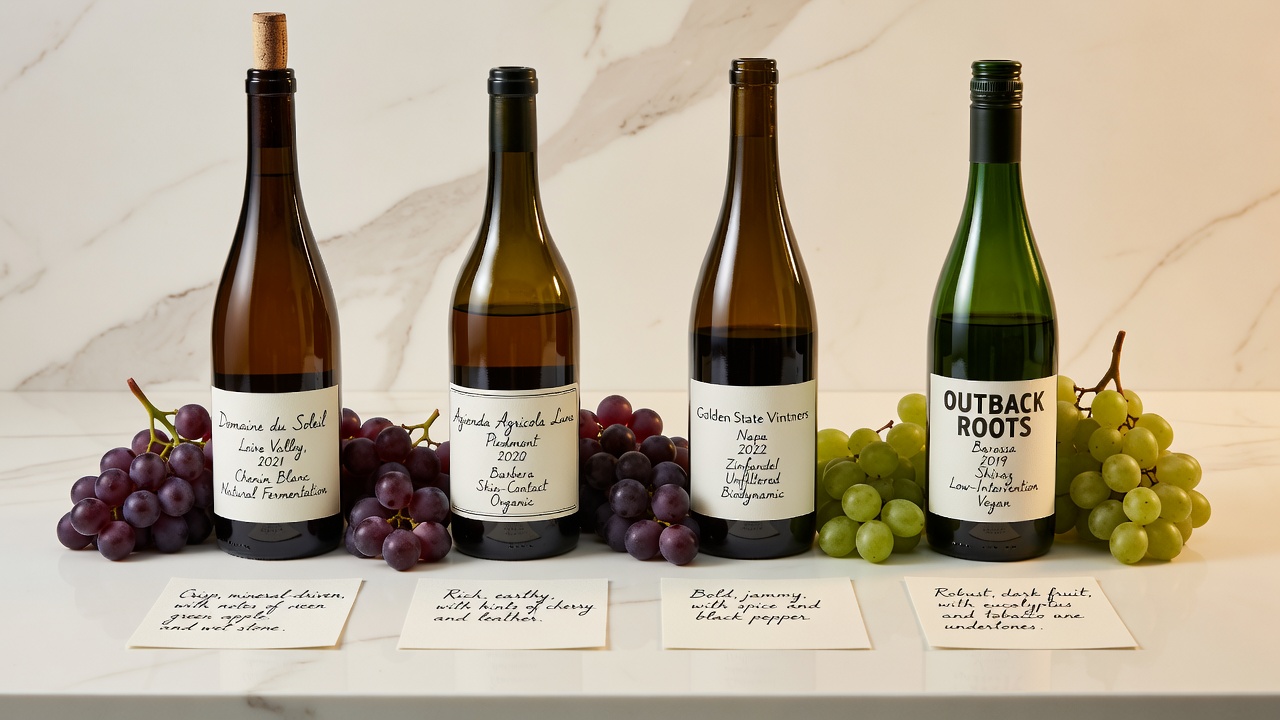
European natural wines often display mineral notes, herbal complexity, and restrained fruit that evolve gracefully in the glass. New World counterparts deliver bolder berry flavors, spice, and softer tannins suited to immediate enjoyment. A Loire Chenin Blanc might evoke wet stone and citrus zest with high acidity, while a California version offers ripe peach and floral lift with rounder mouthfeel. Italian Nebbiolo can show tar and rose petals alongside firm structure, contrasting an Australian Shiraz that presents dark cherry, eucalyptus, and plush texture. These differences arise from climate, soil, and winemaking choices, guiding pairings from delicate seafood to grilled meats.
Real-World Examples from Key Regions
France’s Clos du Tue-Boeuf showcases vibrant, low-sulfur reds from Gamay and Pinot Noir that highlight Loire freshness. Italy’s La Stoppa produces structured, age-worthy whites from Malvasia and Barbera with deep color from skin contact. In California, Donkey & Goat crafts elegant Syrah and Grenache using minimal intervention in cool-climate vineyards. Australia’s Lucy M. delivers expressive, unfiltered Shiraz with vibrant acidity from McLaren Vale fruit. Additional producers include France’s Domaine des Miroirs for Jura whites and Australia’s Gentle Folk for Adelaide Hills Pinot Noir, each demonstrating regional nuances through natural methods.
2026 Trends in Natural Winemaking
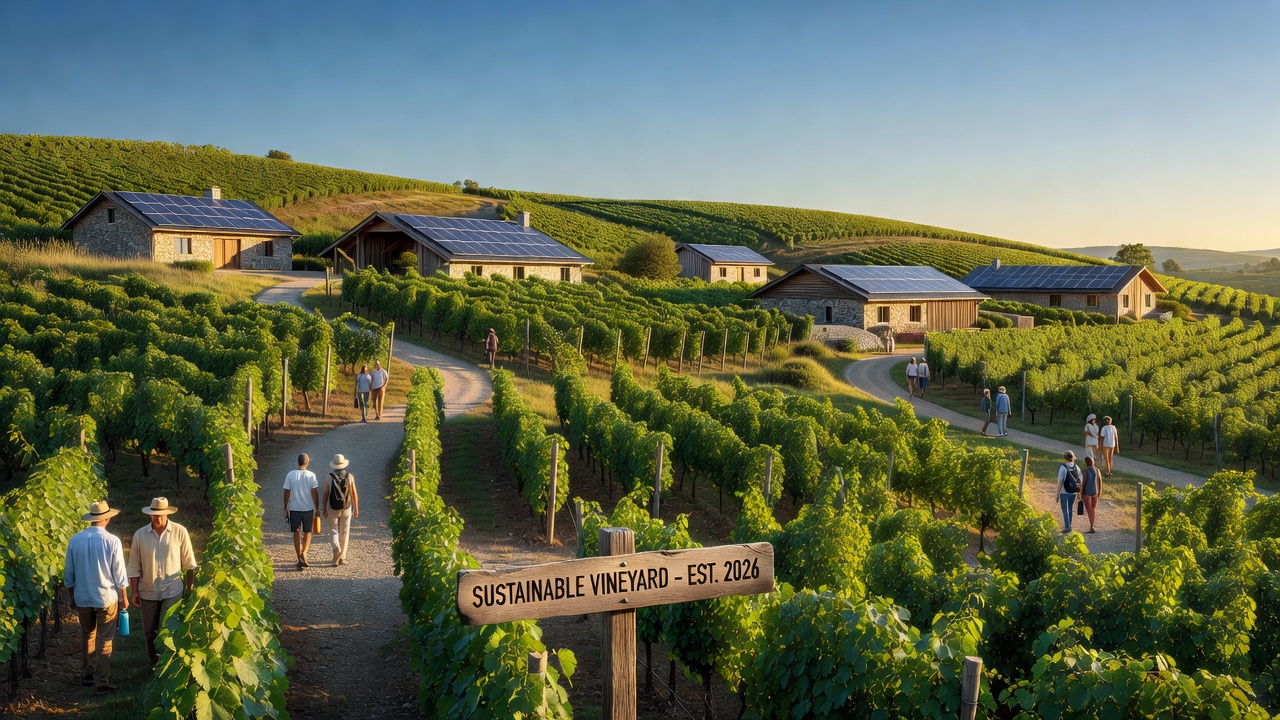
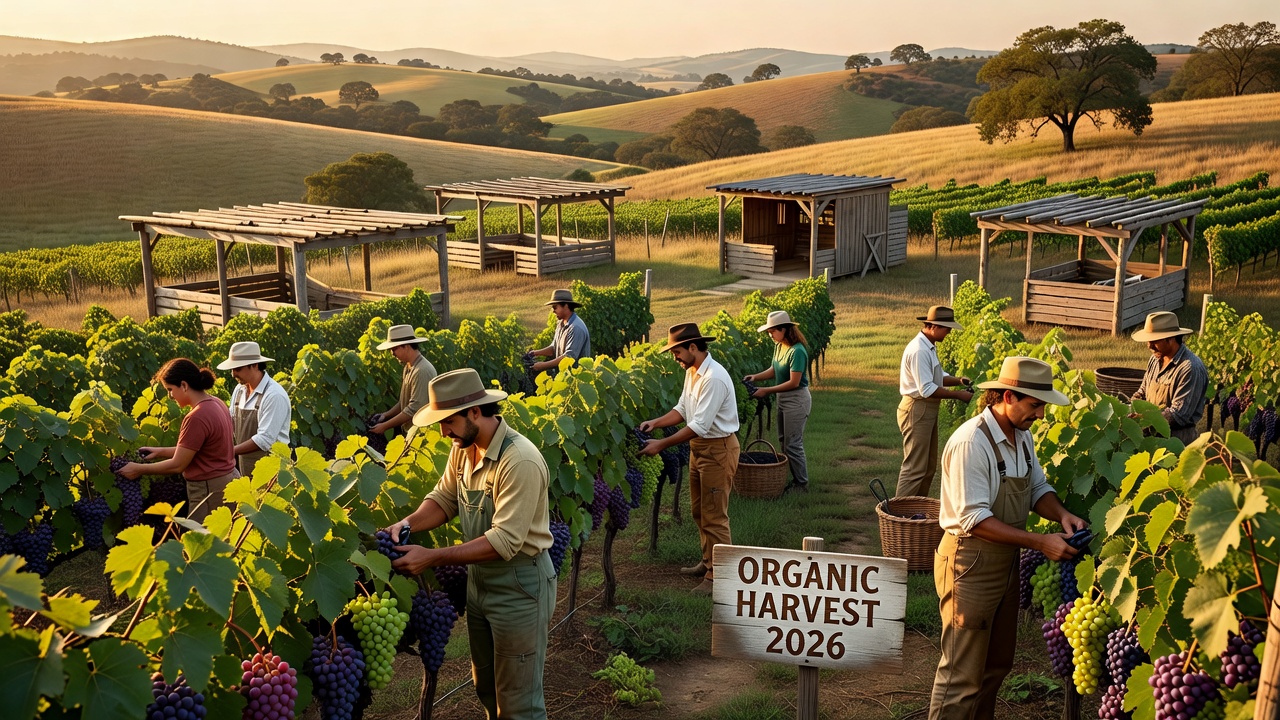
Current trends emphasize regenerative agriculture, reduced packaging, and direct-to-consumer models that connect drinkers with producers. European estates increasingly adopt solar-powered cellars and biodiversity corridors, while New World innovators explore drought-tolerant hybrids and blockchain traceability for authenticity. Consumers in 2026 prioritize low-alcohol options and wines that support soil health, driving cross-regional collaborations and education around sustainable practices.
How to Choose Based on Personal Preferences
Selecting natural wines requires considering palate preferences, food pairings, and occasion. Follow these practical steps: first, identify desired flavor intensity—earthy and high-acid profiles suit European selections, while fruit-forward styles point to New World bottles. Second, review certifications and producer notes for farming details. Third, match acidity and tannin levels to cuisine, such as pairing mineral whites with seafood or bold reds with roasted vegetables. Fourth, experiment with small formats or mixed cases to explore without commitment. Fifth, store wines properly at consistent cool temperatures to preserve delicate qualities.
- Prefer earthy and acidic wines? Start with European examples from France or Italy.
- Seek bold fruit and approachable styles? Explore California and Australian producers.
- Value strict certifications? Check European AOP labels or New World biodynamic seals.
- Enjoy experimental methods? Look for amphora-aged or skin-contact bottles from both regions.
- Focus on sustainability? Prioritize estates using regenerative techniques regardless of origin.
These guidelines help avoid common pitfalls like overlooking vintage variation or storage needs.
Mistakes to Avoid When Exploring Natural Wines
Many newcomers overlook the importance of proper serving temperature, which can mute aromas in delicate European styles. Another error is assuming all natural wines are unstable; reputable producers balance minimal intervention with careful hygiene. Avoid ignoring sulfite levels if sensitive, and always verify importer reputation for consistent quality. Comparing prices across regions reveals value differences without relying on outdated market data.
Frequently Asked Questions
Are natural wines the same as organic wines?
No. Natural wines go beyond organic farming by minimizing cellar interventions, though many overlap with organic and biodynamic certifications that verify soil and vine health.
Do European natural wines age better than New World ones?
Both can age well when made with care; European examples often show more structure due to traditional methods, while New World wines may evolve through fruit-forward profiles that soften over time.
What misconceptions exist about natural wine?
Many assume all natural wines are cloudy or unstable, yet skilled producers create clear, balanced bottles with careful handling and appropriate vessel choices.
How do climate changes affect 2026 natural wine production?
Warmer conditions in both regions prompt earlier harvests and adjustments in canopy management to maintain acidity, leading to fresher styles even in traditionally warmer New World areas.
Can beginners easily find natural wines in retail?
Yes, specialty shops and online platforms increasingly stock natural options with clear labeling; starting with well-known importers helps build confidence in selections.
Wine Institute offers resources on sustainable practices worldwide.
Conclusion
Whether drawn to Europe’s heritage-driven expressions or the New World’s innovative spirit, 2026 natural wines reward exploration. Use these insights to select bottles that align with your palate and values, supporting producers committed to minimal intervention and environmental stewardship.
No comments yet. Be the first!