 Uncorked Conversations
Understanding Terroir in Wine
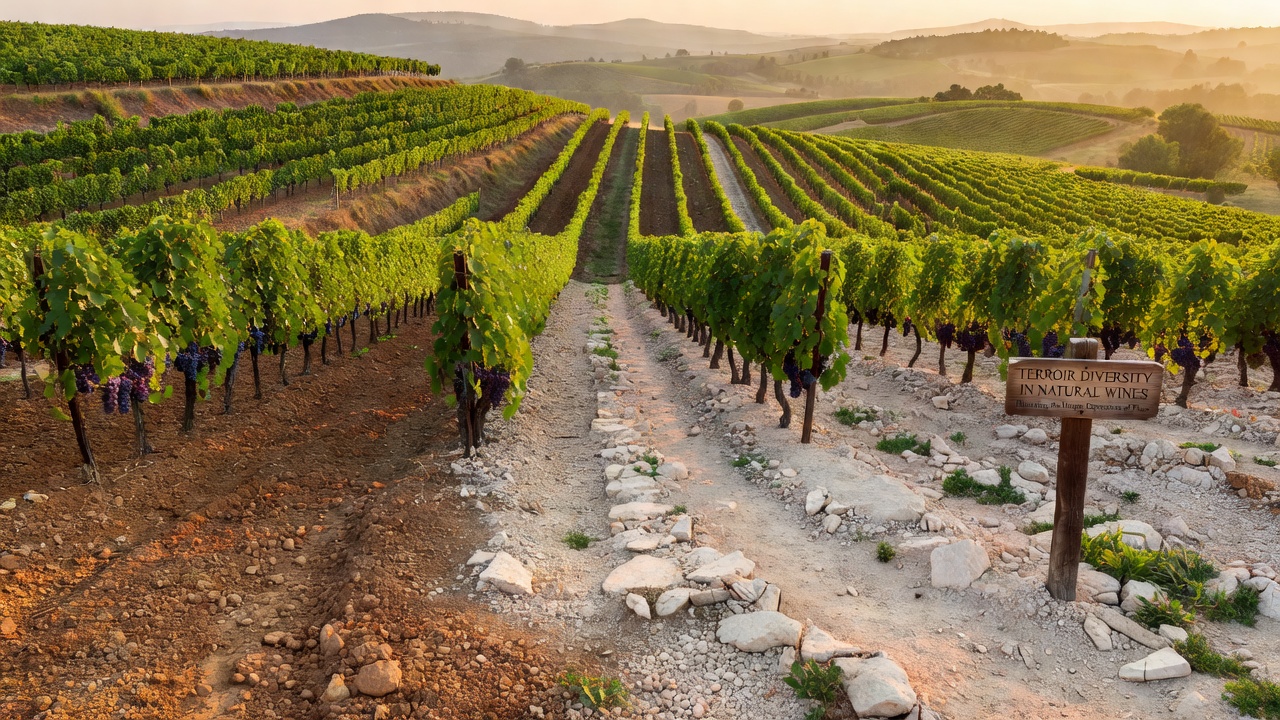
Terroir refers to the unique combination of soil, climate, topography, and human practices that give wines their distinctive character. In natural, organic, biodynamic, and low-intervention wines, terroir plays an especially prominent role because these styles emphasize minimal human interference, allowing the vineyard site to express itself fully. Beginners often wonder why the same grape variety can taste dramatically different depending on where it is grown, and the answer lies in how terroir interacts with farming philosophy.
This beginner-friendly guide compares how terroir manifests across these wine styles, covering soil health, microclimates, grape interactions, and practical evaluation techniques. By examining each element in detail, readers can develop a deeper appreciation for why certain bottles stand out as authentic expressions of place.
Soil Health and Its Impact
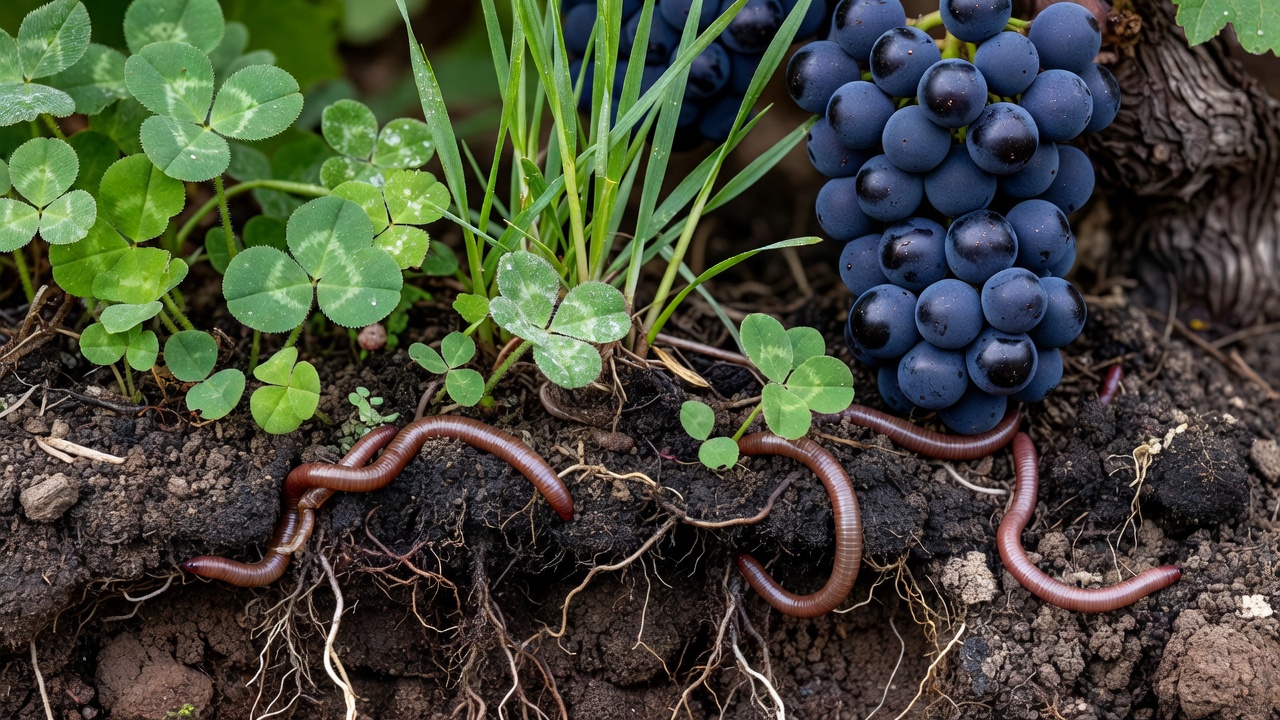
Healthy soils form the foundation of expressive terroir. Organic and biodynamic vineyards prioritize living soils rich in microbial life, which can enhance nutrient uptake and influence flavor compounds in grapes. Natural wines often come from sites where soil biodiversity is preserved through cover crops and reduced tillage. These practices encourage deep root systems that draw minerals and water from different layers, translating into complex flavors such as wet stone, herbs, or salinity.
Low-intervention producers frequently select parcels with varied soil types, such as limestone or volcanic ash, to highlight mineral notes without additives. For instance, limestone-rich soils in certain regions contribute to bright acidity and structure, while clay-heavy soils may lend body and earthiness. Over time, avoiding synthetic fertilizers allows beneficial fungi and bacteria to flourish, creating a self-regulating ecosystem that directly affects grape quality and the resulting wine's authenticity.
Microclimate Effects on Flavor
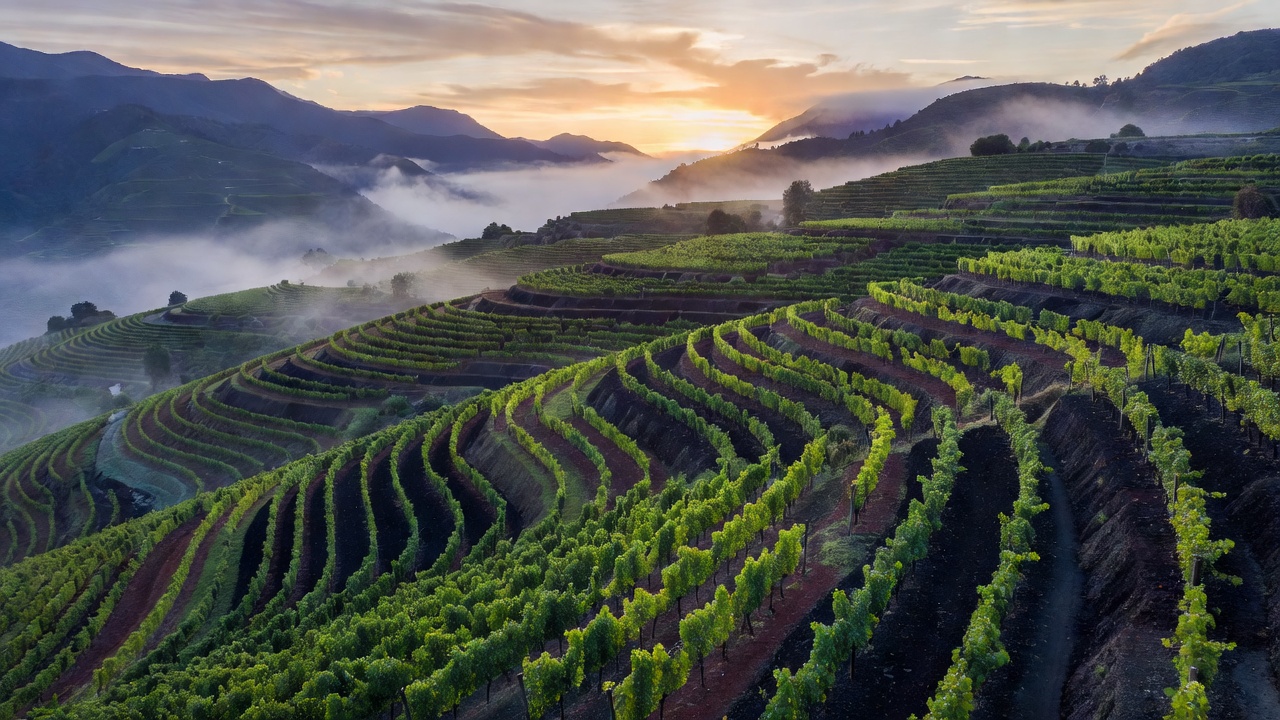
Microclimates—the localized weather patterns within a vineyard—interact with grape varieties to shape acidity, ripeness, and aromatic profiles. In cooler microclimates, wines may display higher acidity and floral aromas, while warmer sites can yield riper fruit characters even in low-intervention settings. Factors like elevation, slope orientation, and proximity to bodies of water create subtle variations that become pronounced when winemakers intervene as little as possible.
Biodynamic practices, which follow lunar cycles and herbal preparations, aim to strengthen the vineyard's connection to its microclimate. This holistic approach can amplify the effects of morning fog or afternoon breezes, resulting in wines that reflect daily and seasonal shifts more vividly than conventionally farmed counterparts. Understanding these interactions helps tasters identify why one hillside produces elegant, high-acid wines while an adjacent slope yields softer, fruit-forward expressions.
Grape Variety Interactions with Terroir
Certain grapes respond dramatically to terroir. For example, Pinot Noir from Burgundy’s limestone soils often shows earthy, red-fruit notes in organic expressions, while the same variety grown in volcanic soils of Oregon can exhibit smokier undertones in natural wines. Indigenous varieties like Italy’s Nerello Mascalese thrive on Mount Etna’s volcanic terroir, producing vibrant, age-worthy low-intervention wines that capture the island’s rugged geology and elevation changes.
Other examples include Chenin Blanc in South Africa’s granite soils, which can deliver honeyed textures and vibrant citrus in organic styles, or Cabernet Franc in the Loire Valley’s tuffeau limestone, known for its herbal and graphite qualities in natural expressions. These interactions demonstrate that grape choice is not arbitrary; it is a deliberate match between variety and site that enhances the transmission of terroir signals into the glass.
Minimal Human Intervention and Site Expression
Natural and low-intervention wines limit additions like sulfur and commercial yeasts, letting terroir shine. Organic certification ensures no synthetic pesticides, while biodynamic methods treat the vineyard as a self-sustaining ecosystem. This approach can amplify subtle site differences but requires careful vineyard management to avoid flaws such as oxidation or volatile acidity.
Comparing styles reveals clear distinctions: organic wines may allow some modern techniques for stability, biodynamic wines incorporate preparations and timing rituals, natural wines push toward zero additives, and low-intervention sits at the intersection. Each philosophy influences how faithfully the vineyard’s personality is preserved, with minimal intervention generally leading to more transparent flavor expression.
Real-World Vineyard Examples
In France’s Loire Valley, producers showcase how Chenin Blanc reflects schist soils in natural styles, resulting in wines with pronounced mineral depth and texture. California’s Anderson Valley demonstrates Pinot Noir’s response to fog-influenced microclimates under organic practices, often yielding elegant acidity and red berry notes. In New Zealand, biodynamic vineyards in Central Otago highlight how altitude affects aromatic intensity in low-intervention Pinot Noir.
Additional sites include the volcanic slopes of Sicily, where low-intervention Nero d’Avola captures smoky and herbal nuances, and the limestone plateaus of Champagne, where organic Chardonnay expresses crisp apple and chalky minerality. These diverse examples illustrate the global reach of terroir-driven winemaking and how different farming philosophies interact with local geography. For further reading on vineyard ecosystems, see National Geographic and soil biodiversity resources from FAO.
Step-by-Step Guide to Evaluating Terroir in Tastings
- Start with the label: Note the region, vineyard name, and farming method to set expectations about possible soil and climate influences.
- Observe the color and aromas: Look for earth, mineral, or herbal notes tied to soil composition and microclimate.
- Assess structure on the palate: Note acidity and texture that may reflect climate and soil drainage patterns.
- Compare multiple wines from the same grape but different sites to isolate terroir variables.
- Record impressions over multiple tastings to identify consistent terroir signatures across vintages.
- Consider the farming certification: Organic or biodynamic labels often correlate with enhanced soil-driven flavors.
Mistakes to Avoid When Assessing Terroir
Common pitfalls include overlooking vintage variation, which can mask or enhance site characteristics, and attributing every flavor solely to terroir without acknowledging subtle winemaking decisions. Beginners sometimes compare wines from vastly different regions without controlling for grape variety, leading to inaccurate conclusions. Always taste blind when possible and focus on one variable at a time to build reliable sensory memory.
FAQ: Authenticity and Flavor Expression
Does terroir guarantee authenticity in natural wines?
Terroir contributes to authenticity when minimal intervention allows site characteristics to dominate, though winemaking choices still matter for balance and clarity.
How does organic farming enhance flavor expression?
By fostering healthier soils and vines, organic methods can lead to more concentrated and nuanced flavors reflective of the vineyard without chemical interference.
Can biodynamic wines taste different due to terroir?
Many tasters report heightened vibrancy and complexity, attributed to the holistic approach that emphasizes the vineyard ecosystem and its natural rhythms.
What should beginners look for when buying terroir-driven wines?
Seek transparent labels listing single vineyards or farming certifications, and explore small producers focused on site-specific expressions from well-documented regions.
Conclusion
Terroir remains the defining force behind distinctive natural, organic, biodynamic, and low-intervention wines. By understanding soil, microclimate, grape interactions, and minimal intervention, enthusiasts can better appreciate and evaluate these styles. Applying the tasting steps outlined here will help readers connect each sip back to its origin, fostering a more informed and enjoyable wine experience.
No comments yet. Be the first!